
Pieris Mountain Fire Problems? Your Ultimate Survival Guide
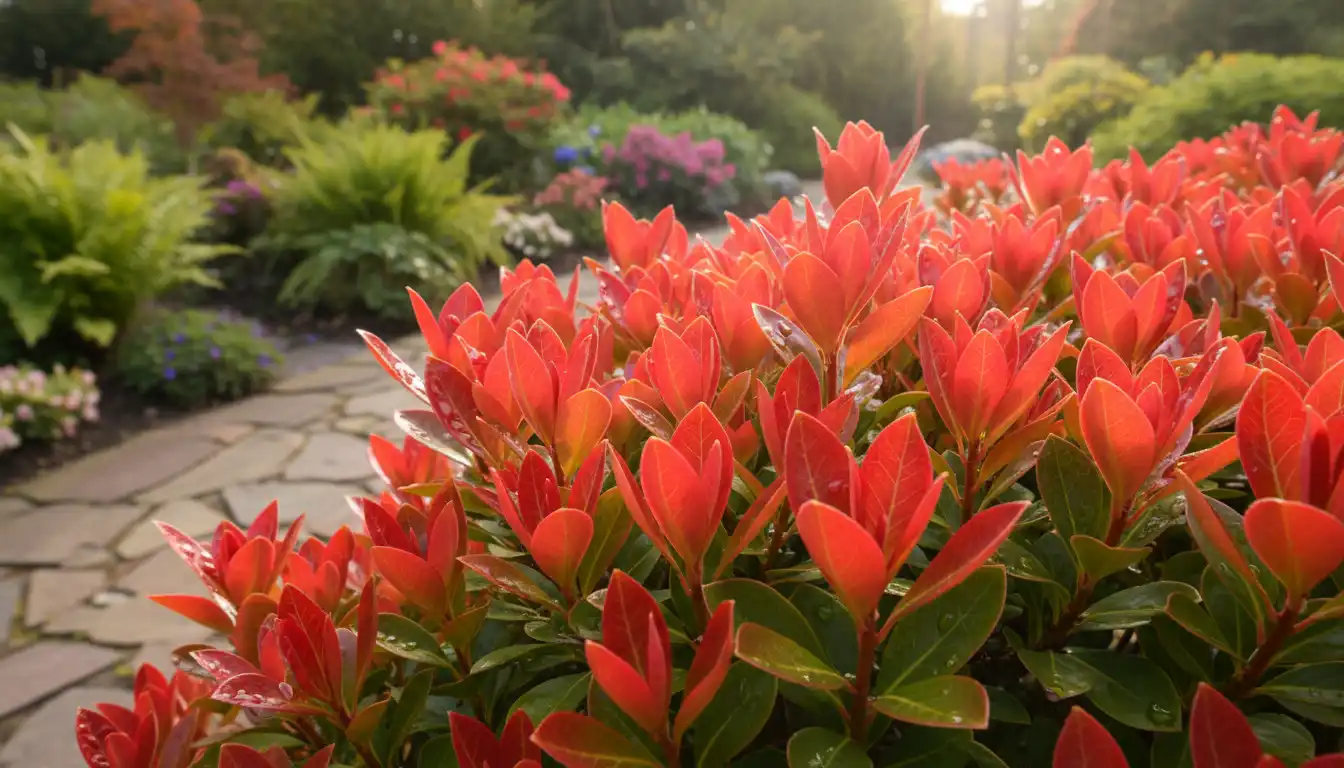
The Pieris ‘Mountain Fire’ is a showstopper in any garden, captivating with its fiery red new growth and elegant cascades of white, bell-shaped flowers. This evergreen shrub promises year-round interest and vibrant color. Yet, many gardeners find their prized ‘Mountain Fire’ looking less than spectacular, plagued by issues that dim its brilliant display.
Instead of a thriving centerpiece, you might be facing yellowing leaves, sparse foliage, or a general failure to thrive. This guide will walk you through the most common Pieris ‘Mountain Fire’ problems, transforming your plant from a source of frustration into a beacon of garden pride.
You'll Learn About
Decoding the Distress Signals: Why Your Pieris Is Unhappy
Understanding the visual cues your shrub sends is the first step toward reviving it. Plants communicate through their leaves, and learning their language is key to effective care. From discoloration to stunted growth, each symptom points to an underlying issue.
Leaf Discoloration: Yellowing, Browning, and Spotting
One of the most frequent complaints is a change in the iconic glossy green leaves. Yellowing leaves, a condition known as chlorosis, often points to a nutrient deficiency or improper soil pH. Pieris demands acidic soil (ideally a pH of 5.0 to 6.0) to properly absorb iron and other essential nutrients. If the soil is too alkaline, the plant can’t access the food it needs, even if it’s present in the soil. Brown, scorched-looking leaf edges typically signal sun scorch from too much direct, harsh sunlight or windburn. Meanwhile, distinct dark spots can indicate a fungal infection, like leaf spot, which thrives in damp, poorly ventilated conditions.
To solve these issues, start with a soil test to check the pH. You can amend alkaline soil with elemental sulfur or enrich it with organic matter like pine bark fines or compost to lower the pH. Ensure your shrub is planted in a location that receives morning sun and afternoon shade to prevent leaf scorch. For fungal spots, prune affected leaves and thin the plant’s interior to improve air circulation.
Pest Invasions: The Unseen Enemies
Even the hardiest plants can fall victim to pests, and ‘Mountain Fire’ is no exception. These tiny intruders can cause significant damage if left unchecked, weakening the plant and making it susceptible to other problems. Vigilance is your best defense.
The most notorious pest for this shrub is the Andromeda lace bug (Stephanitis takeyai). These small insects feed on the underside of leaves, sucking the sap and causing a stippled, bleached, or yellowed appearance on the top surface. If you flip over a damaged leaf, you’ll likely see the bugs themselves, along with their dark, varnish-like droppings. Spider mites are another common issue, especially in hot, dry conditions, causing similar stippling and sometimes fine webbing. Scale insects can also attach to stems and leaves, feeding on plant juices and weakening the shrub.
For minor infestations, a strong spray of water can dislodge many pests. For more persistent problems, insecticidal soap or horticultural oil are excellent first-line treatments. Be sure to thoroughly coat the undersides of the leaves, where lace bugs and mites congregate. For severe infestations that threaten the plant’s life, a systemic insecticide applied to the soil may be necessary, but this should be a last resort to protect beneficial pollinators.
Fungal Diseases: The Silent Killers
Fungal issues are often the result of environmental conditions. They can take hold quickly and spread, turning a beautiful shrub into a diseased eyesore. Prevention through proper care is far easier than trying to cure an established infection.
The most devastating fungal disease for Pieris is Phytophthora root rot. This “water mold” fungus thrives in poorly drained, waterlogged soil. It attacks the roots, causing them to decay and lose their ability to absorb water and nutrients. Above ground, you’ll see wilting, yellowing leaves, and sudden dieback of entire branches, even when the soil is wet. Leaf spot is another fungal issue, causing dark, circular blemishes on the foliage. While less deadly than root rot, it can mar the plant’s appearance and weaken it over time.
The absolute best defense against root rot is ensuring excellent drainage. When planting, amend heavy clay soils with organic matter to improve their structure. If your garden is naturally wet, consider planting your Pieris in a raised bed. Avoid overwatering at all costs. For leaf spot, remove and destroy infected leaves, and consider applying a copper-based or other appropriate fungicide if the problem is widespread, always following label instructions.
The Proactive Gardener’s Guide to a Thriving ‘Mountain Fire’
Moving from reactive problem-solving to proactive care is the secret to long-term success. By providing the right conditions from the start, you can prevent most common issues from ever taking hold. A little foresight goes a long way in cultivating a magnificent shrub.
Foundational Excellence: Soil, Sun, and Site Selection
Success begins before the shrub even goes into the ground. Choosing the right location is the single most important factor in ensuring your ‘Mountain Fire’ thrives. Rushing this step often leads to the very problems this guide aims to solve.
Your goal is to replicate the plant’s native woodland understory environment. This means dappled sunlight or morning sun with afternoon shade is ideal. A location shielded from harsh winter winds is also crucial to prevent foliage desiccation. The soil must be acidic, humus-rich, and, most importantly, well-draining. Before planting, dig a hole two to three times as wide as the root ball and enrich the backfill soil with compost, peat moss, or finely shredded pine bark to boost organic content and ensure proper acidity.
The Art of Watering: Less is Often More
Overwatering is one of the most common mistakes gardeners make, and it is a death sentence for Pieris due to the risk of root rot. It’s essential to understand the difference between consistently moist and constantly soggy soil. The former is ideal; the latter is fatal.
For newly planted shrubs, water deeply two to three times a week for the first growing season to encourage a deep, robust root system. Once established, ‘Mountain Fire’ is moderately drought-tolerant but performs best with a deep watering every week or so during dry spells. Always check the soil before watering. Insert your finger about two inches deep; if the soil feels moist, wait another day or two before watering. Mulching with 2-3 inches of pine straw or bark chips will help conserve soil moisture and keep the roots cool.
Feeding Your Shrub: The Right Nutrients at the Right Time
While Pieris is not a heavy feeder, providing the right nutrients helps ensure vigorous growth and vibrant foliage. Fertilizing incorrectly—either with the wrong type, too much, or at the wrong time—can cause more harm than good. A gentle approach is always best.
Feed your ‘Mountain Fire’ in late winter or early spring, just before new growth begins. Use a slow-release fertilizer formulated for acid-loving plants, such as those for rhododendrons, azaleas, and hollies. Avoid high-nitrogen fertilizers, which can promote lush, weak growth that is more susceptible to pests and disease. A single application in the spring is typically all that is needed for the entire year. Never fertilize a drought-stressed plant, and always water the fertilizer in well to prevent root burn.
| Season | Primary Task | Key Considerations |
|---|---|---|
| Late Winter/Early Spring | Fertilize & Inspect | Apply a slow-release, acid-forming fertilizer. Inspect for overwintering pests or winter damage. |
| Late Spring | Prune & Monitor | Prune lightly right after flowering finishes. Monitor for the first signs of lace bugs. |
| Summer | Water Consistently | Provide deep, infrequent waterings during dry periods. Ensure good air circulation. |
| Fall | Mulch & Prepare | Apply a fresh layer of mulch to protect roots. Ensure soil is moist before the ground freezes. |
Advanced Troubleshooting for Persistent Pieris Problems
Sometimes, even with the best care, problems can arise that require a more nuanced approach. Understanding advanced techniques for pruning, winter protection, and diagnosing hidden stressors can make all the difference for a struggling plant.
Pruning with a Purpose: Shaping and Rejuvenating
Pieris ‘Mountain Fire’ has a naturally graceful shape and requires minimal pruning. However, strategic cuts can enhance its beauty, improve its health, and even rejuvenate an old, tired shrub. The key is knowing what to cut and when.
The best time to prune is immediately after the spring flowering period has ended. This allows you to shape the plant without sacrificing the following year’s blooms, as the flower buds form on old wood during the summer. Simply snip off the spent flower trusses. At the same time, you can remove any dead, damaged, or crossing branches to improve the plant’s structure and airflow. For a severely overgrown shrub, a more drastic rejuvenation pruning can be performed in early spring by cutting back about one-third of the oldest stems to the base, encouraging new growth from the ground up.
Winter Worries: Protecting Your Plant from the Cold
While hardy in zones 5-8, ‘Mountain Fire’ can suffer during harsh winters, particularly from wind and sun. The evergreen leaves continue to lose moisture throughout the winter, but frozen ground prevents the roots from replacing it. This can lead to winter burn, where leaves turn brown and brittle.
Ensure the plant is well-watered throughout the fall until the ground freezes. A 3-4 inch layer of organic mulch is essential to insulate the roots and conserve moisture. For plants in exposed, windy locations, creating a windbreak with burlap staked around the shrub can offer significant protection. This is especially important for young, newly established plants whose root systems are not yet extensive.
Beyond the Basics: Uncovering Hidden Stressors
If your Pieris is struggling despite your best efforts to address the usual culprits, it’s time to investigate less obvious environmental stressors. Often overlooked, these factors can mimic the symptoms of disease or nutrient deficiencies, leading to incorrect diagnoses and ineffective treatments.
Consider the impact of soil compaction and urban runoff. If your shrub is planted near a walkway, perhaps where you’ve installed stepping stones on a slope, foot traffic may have compacted the soil, restricting oxygen flow to the roots and hindering water absorption. Similarly, runoff from concrete driveways or patios can leach lime, raising the soil pH over time and making it too alkaline. This environmental shift can cause the classic yellowing leaves of chlorosis. It’s also wise to do a general check of your garden’s infrastructure; while inspecting your plants, you might notice that an outdoor address light is not working, reminding you that constant observation is key to a well-maintained home and garden. A healthy garden ecosystem is as much about good drainage and airflow as a well-functioning kitchen is about having a properly vented oven—one unseen problem can affect the entire system.
Your ‘Mountain Fire’ Masterpiece Awaits
The journey to a healthy, vibrant Pieris ‘Mountain Fire’ is one of understanding and proactive care. By recognizing its distress signals and providing the fundamental needs of acidic soil, proper sunlight, and appropriate watering, you can prevent the vast majority of common problems. From combating lace bugs to preventing root rot, the solutions are within your grasp.
Armed with this knowledge, you can confidently diagnose issues and implement effective strategies. The result will be a breathtaking shrub that ignites your landscape with its fiery foliage and delicate blooms, season after season. Your garden masterpiece is not a matter of luck, but of informed and attentive gardening.
