
Phlox Transplant Shock: Your Ultimate Guide to Reviving Dying Plants!
It is a frustrating moment for any gardener. You have carefully moved a beautiful, vibrant phlox to a new spot in your garden, only to watch it wilt and droop, looking like a shadow of its former self. This disheartening phenomenon is known as transplant shock, and it can make even the most seasoned plant lovers feel helpless.
The good news is that phlox transplant shock is a common and often temporary condition. With the right knowledge and techniques, you can not only prevent the worst of it but also nurse your struggling plants back to vigorous health. This guide will walk you through every step of the process, ensuring your phlox thrives in its new home.
You'll Learn About
What Is Phlox Transplant Shock and Why Does It Happen?
Transplant shock is the stress a plant experiences when it is moved from one location to another. This process, no matter how carefully done, inevitably disturbs the plant’s delicate systems, primarily its roots. The result is a period of adjustment where the plant may appear unhealthy or even on the brink of death.
The primary cause of transplant shock is root system damage. A plant’s roots are covered in tiny, almost invisible root hairs that are responsible for the vast majority of water and nutrient absorption. When you dig up a phlox, many of these crucial root hairs are severed, drastically reducing the plant’s ability to hydrate itself. The larger roots are also often damaged, further compounding the stress.
This root damage leads to a severe water imbalance. The plant’s leaves continue to lose moisture to the air through a process called transpiration, but the compromised root system cannot draw water from the soil fast enough to replace it. This deficit is what causes the classic symptoms of wilting and drooping. Changes in soil composition, sunlight exposure, and temperature between the old and new locations also add layers of stress the plant must overcome.
Recognizing the Telltale Signs of a Stressed Phlox
Identifying transplant shock early is key to a successful recovery. While the symptoms can be alarming, they are clear indicators that your plant needs immediate and specific care. Look for a combination of these signs in the days following a transplant.
The most common and immediate symptom is wilting or drooping leaves and stems. Even a well-watered phlox may look limp and thirsty because its damaged roots can’t absorb the available moisture. You might also notice the leaves turning yellow, a condition called chlorosis, or developing brown, crispy edges. In more severe cases, the plant may drop its flowers or buds and exhibit stunted growth with no new leaves or shoots appearing.
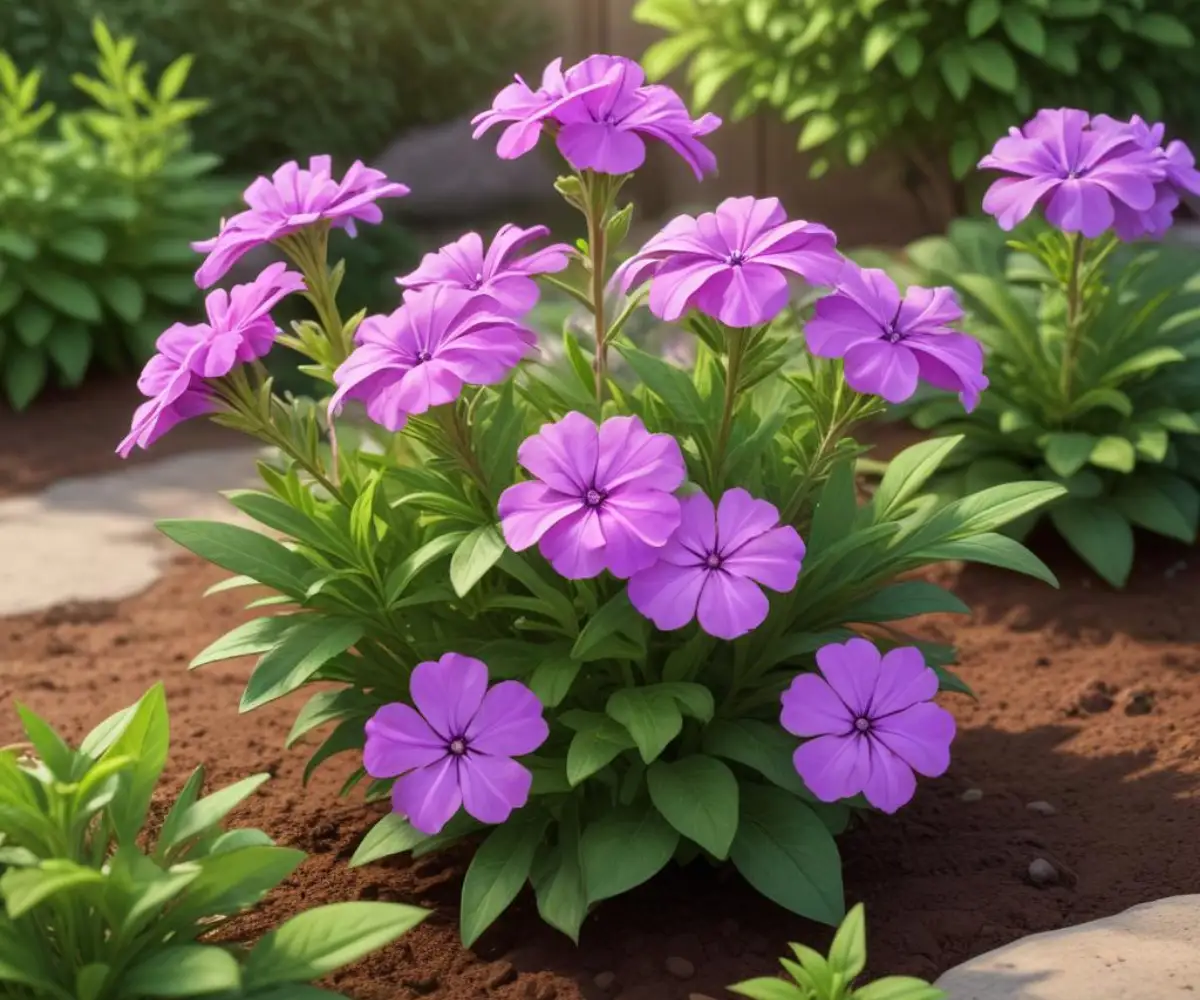
Common Symptoms of Phlox Transplant Shock:
- Wilting and drooping of the entire plant.
- Leaves turning yellow or brown.
- Scorched or crispy leaf edges.
- Dropping of existing flowers or flower buds.
- A general lack of new growth or vigor.
The Golden Rules: How to Prevent Transplant Shock Before You Dig
The absolute best way to deal with transplant shock is to minimize it from the very beginning. Thoughtful preparation before you even pick up a shovel can make the difference between a plant that barely notices the move and one that struggles for weeks. Success lies in three key areas: timing, plant preparation, and site preparation.
Timing is Everything: The Best Season to Move Phlox
Moving a plant during its active growing season, especially in the heat of summer, is a recipe for stress. The ideal times to transplant phlox are in the early spring as new growth just begins to emerge, or in the fall after the first frost but before the ground freezes. During these cooler, often dormant periods, the plant’s metabolic activity is lower, and the demand for water is reduced, giving the roots a much better chance to establish themselves without pressure. If you must transplant, choose a cool, overcast day, or move the plant in the early morning or evening to avoid the stress of direct sun and heat.
Prepare the Patient: Pre-Transplant Plant Care
A healthy, well-hydrated plant is far more resilient to stress. Water your phlox deeply a day or two before you plan to move it. This ensures the plant and its root ball are fully hydrated, creating a reservoir of moisture to draw upon after the move.
One of the most effective preventative measures is to prune the plant back by about one-third. Cutting back the foliage reduces the surface area from which the plant loses water. This simple step helps to balance the reduced capacity of the damaged root system with the water demands of the leaves, significantly lessening the shock.
Prepare the New Home: Site and Soil Preparation
Always dig the new hole before you dig up the phlox. This minimizes the amount of time the plant’s roots are exposed to the drying air. The new hole should be at least twice as wide as the anticipated root ball but only as deep as the root ball itself.
Enrich the soil in the new location by mixing in a generous amount of compost or other organic matter. This improves soil structure, aeration, and water retention. Fill the newly dug hole with water and let it drain away completely; this pre-hydrates the surrounding soil, making it a more welcoming environment for the new roots.
The Main Event: A Step-by-Step Guide to Transplanting Phlox
With your preparation complete, the transplanting process itself should be swift and gentle. The goal is to preserve as much of the root ball as possible and minimize its exposure to air. Follow these steps for a smooth transition.
Step 1: Digging Up the Phlox: Using a sharp spade or garden fork, begin digging a wide circle around the base of the plant, well away from the stems. You want to capture a large, intact root ball. Dig straight down to sever the roots cleanly.
Step 2: The Gentle Lift: Carefully work your spade underneath the root ball from several angles, gently prying it upward. Lift the entire clump from the ground, keeping the soil around the roots as intact as possible.
Step 3: Speedy Transfer: Immediately place the root ball onto a tarp or into a wheelbarrow for transport to its new home. If the roots will be exposed for more than a few minutes, cover them with a damp cloth or soil to prevent them from drying out.
Step 4: Planting in the New Hole: Center the phlox in the prepared hole. The top of the root ball should be perfectly level with the surrounding soil surface. Planting too deep can lead to stem rot, while planting too high can expose the roots.
Step 5: Backfilling and Watering: Fill the space around the root ball with the amended soil, gently tamping it down with your hands to eliminate any large air pockets. Immediately after planting, water the phlox deeply and thoroughly, allowing the water to soak in and settle the soil firmly around the roots.
Aftercare is Critical: Helping Your Phlox Recover and Thrive
The care you provide in the first few weeks after transplanting is the most critical factor in your phlox’s recovery. The plant is in a vulnerable state, and consistent, gentle attention will help it re-establish its root system and return to health.
The Sacred Rule of Watering
Proper watering is the cornerstone of post-transplant care. The goal is to keep the soil consistently moist, like a wrung-out sponge, but never soggy or waterlogged. Check the soil moisture daily for the first two weeks by inserting your finger about two inches deep. If it feels dry, it is time to water again. This consistent moisture is vital for encouraging new root hair growth.
To Fertilize or Not to Fertilize?
It may seem intuitive to feed a struggling plant, but this is a critical mistake. Do not fertilize a plant suffering from transplant shock. The salts in fertilizers can “burn” the delicate, damaged roots and add more stress. Wait until you see consistent new growth—a clear sign that the root system is recovering and ready to process nutrients—which may take several weeks or even a month.
Mulch: Your Plant’s Best Friend
Apply a 2 to 3-inch layer of organic mulch, such as shredded bark or compost, around the base of the phlox, keeping it a few inches away from the stem. Mulch is invaluable for retaining soil moisture, regulating soil temperature, and suppressing weeds that would otherwise compete for water and nutrients.
Provide Temporary Shade
If your phlox continues to wilt during the sunny parts of the day, it is losing water faster than its roots can absorb it. You can help by providing temporary shade. A lawn chair, a piece of cardboard, or a sheer cloth draped over some stakes can shield the plant from the intense afternoon sun, reducing transpiration and giving it a chance to recover.
| Guideline | The “Do” | The “Don’t” |
|---|---|---|
| Timing | Transplant in early spring or fall on a cool, overcast day. | Don’t move plants in the middle of a hot, sunny summer day. |
| Watering | Water deeply before digging and immediately after planting. Keep soil consistently moist. | Don’t let the root ball dry out or allow the soil to become waterlogged. |
| Pruning | Cut back the top third of the plant before moving it to reduce water loss. | Don’t transplant without pruning, especially for larger plants. |
| Soil Prep | Dig a wide hole and amend the soil with compost. | Don’t plant in compacted, dry, or unimproved soil. |
| Fertilizing | Wait until you see signs of healthy new growth to apply any fertilizer. | Don’t fertilize a plant that is in a state of shock. |
Advanced Techniques for Phlox Recovery: When Standard Care Isn’t Enough
Sometimes, despite your best efforts, a phlox plant may still struggle significantly. In these cases, a few advanced techniques can provide the extra support it needs to pull through. These methods focus on enhancing root function and providing emergency hydration.
One powerful strategy involves harnessing the power of beneficial soil organisms. Using a mycorrhizal fungi inoculant during transplanting can dramatically accelerate recovery. These fungi form a symbiotic relationship with the plant’s roots, creating a vast network that extends far beyond the root’s own reach, massively increasing its ability to absorb water and nutrients. You can purchase this as a powder or liquid to add to the planting hole.
Another technique is the “double water” method for post-transplant watering. Water the plant thoroughly, wait 15-20 minutes for it to soak deep into the soil, and then water it deeply a second time. This ensures that the entire root zone and the surrounding soil are completely saturated, which encourages the new roots to grow outward into the moist earth rather than staying confined to the original root ball. A plant “running out of water” is a critical issue, and understanding why a new water heater might run out of hot water highlights how systems under stress show clear symptoms, whether mechanical or biological.
Frequently Asked Questions (FAQs)
Even with a detailed guide, specific questions often arise. Here are answers to some of the most common queries about phlox transplant shock.
How long does transplant shock last in phlox?
For a healthy phlox transplanted under good conditions, the signs of shock like wilting should subside within one to two weeks. However, it can take a full month or more for the plant to fully establish its root system and begin producing vigorous new growth. Be patient and consistent with your aftercare.
Can I move phlox in the summer?
It is highly risky and not recommended. However, if it is unavoidable, take extreme precautions. Transplant only in the late evening, prune the plant back by at least half, provide temporary shade for a week or more, and be exceptionally diligent with watering. Even with these measures, success is not guaranteed.
Why are my transplanted phlox leaves turning yellow?
Yellowing leaves are a common stress response. It is most often caused by a water imbalance—either too little water due to damaged roots or too much water leading to root rot. Check your soil moisture carefully. If the soil is constantly soggy, you may need to improve drainage or reduce watering frequency.
Should I divide phlox when I transplant it?
Dividing a phlox clump at the same time as transplanting adds another layer of stress to the plant. If your primary goal is simply to move the plant, it is best to move the entire clump intact. If the plant needs to be divided due to its size, treat each new division as a separate transplant and give it the same dedicated aftercare. Just as you might face unexpected issues like needing to figure out how to reattach siding that blew off your house after a storm, a plant faces immense stress after being divided and moved.
Transplanting phlox doesn’t have to be a death sentence for your beloved plants. By understanding the causes of transplant shock and focusing on meticulous preparation and attentive aftercare, you can guide your phlox through this stressful transition. Remember that patience is a gardener’s greatest virtue. With consistent care, your drooping phlox will soon recover, rewarding you with strong growth and beautiful blooms in its new garden home.
