
Perla Venata vs Taj Mahal Quartzite: The Ultimate Showdown for Your Dream Kitchen
Choosing the perfect countertop is one of the most significant decisions in a home renovation. It’s a surface that needs to be both a workhorse and a showpiece. For those drawn to the luxurious, marble-like elegance of natural stone but demanding superior durability, the choice often narrows to two stunning quartzites: Perla Venata and Taj Mahal.
The problem is, at first glance, these two materials can appear remarkably similar. Both boast warm, creamy tones and delicate veining, making the decision feel overwhelming. This guide will solve that dilemma by diving deep into the subtle but crucial differences between Perla Venata and Taj Mahal, ensuring you can choose with confidence.
You'll Learn About
What Exactly is Quartzite? Understanding the Powerhouse Stone
Before comparing the two contenders, it’s essential to understand what makes quartzite a premium choice. Quartzite is a natural metamorphic rock, formed when sandstone is subjected to immense heat and pressure deep within the Earth’s crust. This intense geological process recrystallizes the quartz grains, creating a stone that is incredibly hard and dense.
It is significantly more durable than marble and even harder than granite, making it highly resistant to scratches and heat. This natural origin means every slab is unique, a one-of-a-kind piece of art for your home. Unlike engineered quartz, quartzite is a 100% natural material.
Meet the Contenders: A Closer Look at Perla Venata and Taj Mahal
While often mistaken for one another, and in some cases sourced from the same mountain range in Brazil, Perla Venata and Taj Mahal have distinct personalities. Their differences in color and veining can significantly influence the overall feel of a space.
Perla Venata: The Essence of Subtle Sophistication
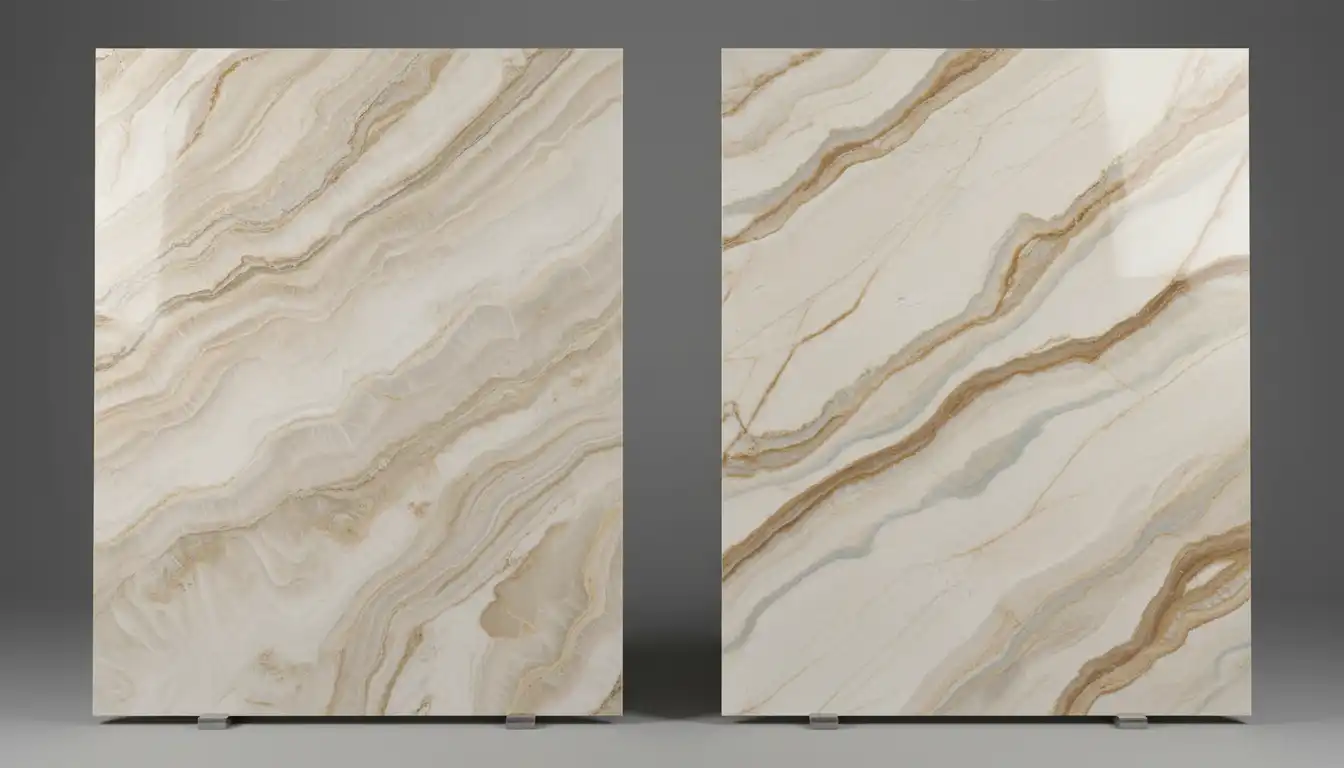
Perla Venata quartzite is prized for its soft, creamy beige background. Its veining is typically subtle and linear, often featuring delicate ripples of gold, beige, and taupe. This stone brings a consistent warmth and a serene, gentle movement to a room.
It’s an incredibly versatile material that adapts to various design styles, from modern minimalist to classic traditional. Perla Venata is often chosen for its ability to create a light and airy atmosphere without feeling stark or cold.
Taj Mahal: A Timeless and Elegant Classic
Taj Mahal quartzite is arguably one of the most famous and sought-after natural stones. It features a soft white or creamy ivory background, with wispy, feathery veins of beige, gold, and sometimes subtle grey undertones. Its appearance closely mimics the luxurious look of Calacatta marble but with far superior durability.
This stone is a statement of understated luxury. Its neutral yet warm palette allows it to blend seamlessly with a wide range of cabinet colors and design themes, making it a timeless choice for any high-end kitchen or bathroom.
Head-to-Head: A Detailed Comparison
Making an informed decision requires looking at these two stones side-by-side. While their durability and maintenance needs are nearly identical, the key differences lie in their appearance and how they interact with their surroundings.
| Feature | Perla Venata Quartzite | Taj Mahal Quartzite |
|---|---|---|
| Primary Color | Creamy, warm beige with consistent tones. | Soft white, creamy ivory, can have cooler undertones. |
| Veining Pattern | Subtle, often linear or gently flowing ripples of gold and taupe. | Feathery, wispy, and more diffuse veins of beige, gold, and grey. |
| Overall Vibe | Subtle, serene, and consistently warm. | Elegant, luxurious, and classically timeless. |
| Hardness (Mohs Scale) | ~7 | ~7 |
| Porosity | Low, but requires sealing to prevent staining. | Low, but requires sealing to prevent staining. |
| Heat Resistance | Excellent | Excellent |
| Scratch Resistance | Excellent | Excellent |
| Best Design Styles | Modern, Transitional, Coastal, Farmhouse. Pairs well with both light and dark cabinetry. | Traditional, Contemporary, Classic Luxury. Creates a stunning contrast with dark woods. |
Beyond the Surface: The Nuances That Matter
While a table provides a great overview, the true character of a natural stone is revealed in the details. Understanding the subtleties of how these materials are formed and how they interact with light is key to mastering your design.
The Geological Story: A Tale of Two Stones
Both Perla Venata and Taj Mahal originate from quarries in Brazil and are often geological cousins. The slight variations in their appearance come from minor differences in the mineral content of the original sandstone. The presence of minerals like iron oxides can create the warmer, golden hues in Perla Venata, while different mineral compositions may lead to the softer, creamier tones of Taj Mahal.
This shared origin is why their performance characteristics are virtually identical. Both are true, hard quartzites, meaning they are highly resistant to the etching that can plague softer stones like marble when exposed to acids like lemon juice or vinegar.
Light, Color, and Cabinetry: Creating the Perfect Pairing
The most significant deciding factor between these two stones is how they will complement your chosen cabinetry and lighting. Perla Venata, with its consistent creamy beige backdrop, pairs beautifully with warm wood tones and brushed gold or brass hardware. It can soften the look of dark espresso cabinets or create a warm, monochromatic scheme with off-white cabinets.
Taj Mahal’s slightly cooler, ivory base makes it exceptionally versatile. It creates a classic, elegant look with white shaker cabinets and can provide a stunning, high-contrast focal point against dark navy or black cabinetry. When planning your kitchen, consider how the different sink sizes might affect your countertop layout; understanding if will a 32 sink fit in a 33 cabinet_gem1, for example, is crucial for seamless integration.
The Cost Factor: Breaking Down the Investment
Both Perla Venata and Taj Mahal are considered premium, high-end materials, and their price reflects their beauty and durability. Generally, you can expect them to be more expensive than many granites and engineered quartz options. The final cost will depend on several factors, including the specific slab’s quality, thickness, and the complexity of the fabrication and installation.
While prices can vary by region and supplier, they are often in a similar price bracket. It is not uncommon for one to be slightly more expensive than the other based on current availability and demand. Always get quotes for both materials from your fabricator before making a final decision.
Making the Final Call: Which Quartzite is Your Perfect Match?
The choice between Perla Venata and Taj Mahal is ultimately a personal one, driven by your home’s unique aesthetic. The “solution” is to carefully analyze your design goals and view the stones in the context of your other materials.
Choose Perla Venata if:
- You desire a consistently warm, creamy beige palette.
- You prefer subtle, linear veining for a serene and gentle look.
- Your design leans towards a modern, coastal, or warm transitional feel.
Choose Taj Mahal if:
- You love the classic, marble-like appearance with a soft white or ivory base.
- You appreciate delicate, feathery veining that adds a touch of organic movement.
- Your design goal is timeless elegance that works with both classic and contemporary styles.
The single most important step is to view full slabs in person. Photos online can never capture the true depth and character of natural stone. Take your cabinet door, flooring, and paint samples to the stone yard to see how they interact with both Perla Venata and Taj Mahal slabs under natural light.
Protecting Your Investment: Essential Care and Maintenance
Once you’ve made your choice, proper care will ensure your quartzite countertops remain beautiful for decades. Although quartzite is very dense, it is still a natural stone and has some level of porosity. Therefore, sealing is crucial.
Your installer should apply a high-quality penetrating sealer upon installation. This sealer should be reapplied periodically, typically every 1-2 years, depending on the sealer used and the amount of use your countertops see. For daily cleaning, simply use a soft cloth with warm water and a small amount of mild dish soap. Avoid abrasive cleaners or harsh chemicals, as they can damage the sealer. Thinking about a full bathroom remodel to match your new aesthetic? A well-chosen tub like the deepest-60-inch-alcove-soaking-tub_gem1 can complement the elegance of either quartzite. Proper installation is key for all home fixtures, whether it’s a countertop or preventing a disaster like when a closet wire shelf fell out of wall_gem1.
The Final Verdict
In the battle of Perla Venata vs. Taj Mahal, there is no single winner. Both are top-tier, exceptionally beautiful, and durable natural stones that will elevate any home. The best choice resides in the subtle details of color and pattern that will best harmonize with your personal design vision.
By understanding their unique characteristics and viewing them alongside your other design elements, you can confidently select the perfect quartzite centerpiece that you will admire for years to come.
