Pergola Snow Load Danger: Will Your Structure Survive Winter?
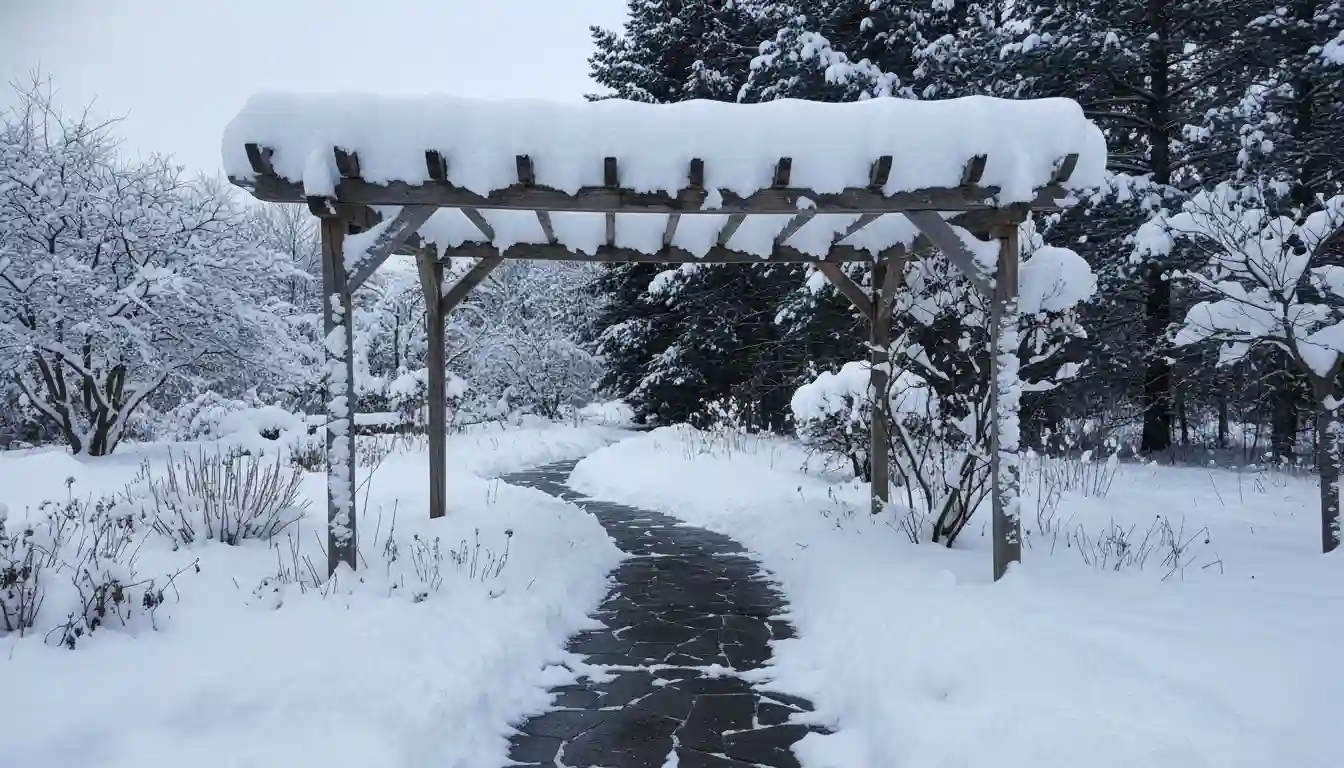
A pergola dusted with fresh snow can be a beautiful winter sight. However, beneath that picturesque scene lies a potential danger that many homeowners overlook: the immense weight of accumulated snow.
Failure to account for heavy snow can lead to sagging beams, cracked posts, or even a catastrophic collapse, posing a significant risk to your property and safety. Understanding and preparing for your region’s snow load is not just a good idea—it is an essential part of responsible homeownership.
You'll Learn About
What is Snow Load and Why Does It Matter?
Snow load is the downward force that accumulated snow exerts on a structure, measured in pounds per square foot (PSF). This force is a critical consideration in structural engineering, especially in regions prone to heavy snowfall. Excessive snow accumulation can exert immense pressure, potentially leading to severe structural damage or collapse if not properly accounted for in the design.
Not all snow weighs the same. Light, fluffy powder might only weigh a few pounds per cubic foot, but wet, heavy snow can weigh over 20 pounds per cubic foot. Ice is even denser, and a few inches of it can add a tremendous amount of unexpected weight to your pergola’s roof.
Beyond the Basics: Unbalanced Loads and Drifts
A critical factor often missed in basic calculations is the concept of unbalanced snow loads and drifting. Wind can cause snow to accumulate unevenly, creating deep drifts on one side of the roof. This concentrates the weight in one area, creating stress points that can far exceed the structure’s average snow load rating and lead to failure even if the total snowfall is within limits.
Key Factors That Determine Your Pergola’s Strength
A pergola’s ability to withstand winter’s weight depends entirely on its design and materials. From the foundation to the roof, every component plays a role in its overall structural integrity.
Material Matters: Wood vs. Vinyl vs. Aluminum
The material you choose is your first line of defense. Pressure-treated wood, cedar, aluminum, and steel are excellent choices for their strength and durability. While vinyl pergolas are low-maintenance, they can become brittle in freezing temperatures and may not handle heavy snow as effectively as wood or metal. Aluminum offers a superior strength-to-weight ratio, making it an ideal choice for snowy climates as it resists rust, warping, and cracking.
Construction and Design Integrity
A strong design is non-negotiable for snow-prone areas. This includes several key elements:
- Post Size: The debate between pergola 4×4 or 6×6 posts is crucial. Larger 6×6 posts provide a much sturdier foundation and are better equipped to handle the vertical load and lateral forces from wind and drifted snow.
- Beam and Rafter Spans: The shorter the distance a beam or rafter has to span without support, the more weight it can hold. Closely spaced rafters are essential for distributing the weight of snow evenly.
- Roof Pitch: A flat roof will collect and hold snow, maximizing the load. Learning how to add a pitch for a perfect, leak-proof roof can make a massive difference, as even a slight angle encourages snow to slide off.
- Connections: The hardware holding your pergola together is just as important as the wood or metal. Use heavy-duty, corrosion-resistant screws and bolts, not nails, to ensure strong, lasting joints.
How to Ensure Your Pergola Can Handle Winter’s Worst
Ensuring your pergola is safe for winter involves a combination of smart planning, understanding local requirements, and sometimes, calling in an expert.
Consult Local Building Codes
Before you build or buy, you must check your local building codes for snow load requirements. These regulations are based on historical snowfall data for your specific area and provide a minimum PSF rating that structures must be able to support. This information is usually available through your city or county’s building department website or by calling them directly.
When planning your outdoor living area, every structural choice matters. You wouldn’t build a front-load garage without considering vehicle dimensions, and you shouldn’t build a pergola without considering snow dimensions—specifically, its weight.
Snow Load Capacity by Pergola Design
The design and material of a pergola dramatically influence its ability to handle snow. Below is a general guide to help understand how different choices affect snow load capacity. These are estimates, and you should always verify with the manufacturer or a structural engineer for precise figures.
| Pergola Style / Material | Typical Rafter Size | Typical Snow Load Capacity (PSF) | Best For |
|---|---|---|---|
| Standard Pine Pergola | 2×6 | 10-15 PSF | Light snow areas; structures that will be cleared frequently. |
| Pressure-Treated Wood | 2×8 | 20-30 PSF | Moderate snowfall; a good balance of cost and strength. |
| Heavy-Duty Cedar/Redwood | 2×10 or 6×6 equivalent | 30-50 PSF | Heavy snow areas; offers excellent natural resistance to rot. |
| Standard Vinyl Pergola | Varies (often with wood/metal inserts) | 15-25 PSF | Low to moderate snow; can become brittle in extreme cold. |
| Structural Aluminum Pergola | Engineered profiles | 40-70+ PSF | Very heavy snow and harsh winter climates; best strength-to-weight ratio. |
| Steel Pergola | Engineered profiles | 50-80+ PSF | Extreme snow conditions; offers maximum strength but is very heavy. |
Is Your Existing Pergola a Winter Hazard? How to Reinforce It
If you have an existing pergola and are concerned about its ability to handle snow, there are several steps you can take to strengthen it. Acting before the first heavy snowfall can prevent disaster.
Add Bracing and Supports
Adding diagonal knee braces at the corners where posts meet beams can significantly increase stability. These braces help resist the lateral forces from wind and unbalanced snow loads. For pergolas with long beam spans, adding a central support post and beam can cut the span in half, drastically increasing its load-bearing capacity.
Strengthen Beams and Rafters
If your existing rafters or beams seem undersized, you can “sister” them by bolting an identical piece of lumber alongside each one. This effectively doubles their thickness and strength. Ensure you use multiple through-bolts, not just screws, for a secure connection.
Smart Winter Maintenance: Your First Line of Defense
Even a robustly built pergola benefits from proactive winter care. Simple maintenance can prevent problems before they start and extend the life of your structure.
Regular Inspections are Key
Before winter arrives, give your pergola a thorough inspection. Check all connections and tighten any loose bolts. Look for signs of stress, such as cracks in the wood or sagging beams, and address these issues immediately.
Safe Snow Removal
Do not let large amounts of snow accumulate on your pergola, especially if it is wet and heavy. Use a long-handled snow rake with a soft head to safely pull snow off the roof. Never stand directly under the area you are clearing, and avoid using sharp metal tools that could damage the roofing material or the structure itself.
Buying a Pergola? Your Snow-Ready Checklist
If you are in the market for a new pergola and live in a snowy region, keep these factors at the top of your list. Making the right choice from the start is the easiest way to ensure a safe, long-lasting structure.
Prioritize Certified Snow Load Ratings
When comparing pergola kits or working with a builder, always ask for the official snow load rating in PSF. Reputable manufacturers will have this information readily available. If they don’t, it is a major red flag. Ensure the rating meets or exceeds your local building code requirements.
Choose Smart Designs
Look for designs that are inherently better at managing snow. Louvered pergolas that can be opened allow snow to pass through, while those with a pitched roof help it slide off. For ultimate convenience, some motorized louvered systems even have snow sensors that open the louvers automatically when snow is detected.
Ultimately, a pergola is a wonderful addition to any home, but its beauty should not compromise safety. By understanding the forces of snow load, choosing the right materials and design, and performing regular maintenance, you can ensure your outdoor structure remains a safe and enjoyable space for many winters to come.
Frequently Asked Questions
What is pergola snow load?
Pergola snow load refers to the amount of weight from accumulated snow that a pergola’s roof can safely withstand. This is typically measured in pounds per square foot (PSF). The snow load capacity is a critical factor to consider, especially in regions that experience heavy snowfall, as excess snow can lead to structural damage or even collapse.
What is a good snow load rating for a pergola?
A good snow load rating for a pergola depends on your local climate and the typical amount of snowfall your area receives. Ratings can range from 10-20 PSF for light snowfall areas to over 50-70 PSF for regions with heavy mountain snowfall. It is advisable to check with your local city department to determine the recommended snow load rating for your specific region to ensure your pergola is structurally sound for winter conditions.
Which pergola material is best for handling snow?
Aluminum is often considered the best material for handling snow due to its high strength-to-weight ratio. Extruded aluminum pergolas are particularly durable and can support significant snow loads without bending or warping. While wood and vinyl can also be used, aluminum provides superior resilience against the weight and moisture of heavy snow.
What can happen if a pergola’s snow load is exceeded?
Exceeding a pergola’s snow load capacity can lead to significant structural damage. The immense pressure from the accumulated snow can cause the structure to sag, buckle, or even collapse entirely. This not only poses a risk to the pergola itself but also to any property or individuals underneath it.
How can I protect my pergola from heavy snow?
Regularly remove accumulated snow from your pergola’s roof to prevent excessive weight buildup. Using a soft tool like a broom or a specially designed roof rake can help clear the snow without damaging the structure. For pergolas with louvered roofs, you can often adjust the louvers to help shake off the snow.
Do I need to consider snow load for an open-roof pergola?
While open-roof or traditional lattice-style pergolas do not accumulate as much snow as solid-roof structures, the weight of wet, heavy snow clinging to the beams and rafters can still be substantial. Therefore, it is still important to consider the overall structural integrity and the potential for snow accumulation, even on open designs. The design and materials should be robust enough to handle the potential weight of clinging snow in your climate.