
Pergo Highland Hickory Discontinued? Your Ultimate Repair & Replacement Guide
There’s a specific moment of panic that every homeowner dreads. It’s the discovery that a beloved feature of your home, something you meticulously chose, is no longer available. This is the exact situation many find themselves in with the discontinuation of Pergo XP Highland Hickory laminate flooring.
You have this beautiful, durable flooring that has served you well, but a sudden leak, a deep scratch, or the desire to extend it into another room reveals a frustrating truth: you can’t buy it anymore. This realization often leads to a cascade of questions and concerns about how to manage repairs or renovations without starting from scratch.
This guide addresses that exact problem. We will explore practical, actionable solutions for dealing with discontinued Pergo XP Highland Hickory, turning a moment of panic into a manageable home improvement project.
You'll Learn About
Why Was Pergo XP Highland Hickory So Popular?
Understanding why this specific flooring was a favorite helps in finding suitable alternatives and appreciating the challenge of replacing it. Pergo XP Highland Hickory wasn’t just another laminate; it struck a perfect balance of aesthetics and functionality. Its rich, warm tones and detailed, handscraped texture mimicked authentic hardwood with stunning accuracy.
The “XP” in its name stood for Extreme Performance, indicating a high resistance to scratches, dents, and stains, making it ideal for busy households with pets and children. Homeowners chose it for its promise of longevity and its ability to elevate a room’s decor. Its discontinuation left a gap in the market for those who valued its unique combination of rustic charm and modern durability.
The Core Problem: Managing Repairs for a Ghost Product
The primary issue with a discontinued product is scarcity. When a plank gets damaged, you can’t simply go to the store and pick up a replacement box. This creates a significant challenge, forcing homeowners to either find clever repair solutions or consider more extensive and costly replacements.
Even minor damage, like a deep gouge from dropped furniture, becomes a major headache. The fear of an imperfect patch job that sticks out like a sore thumb is a valid concern. The problem is compounded when you need to match the flooring for a larger area, making a seamless look feel almost impossible to achieve.
Your Action Plan: Finding Solutions for Damaged Highland Hickory
Facing a damaged, discontinued floor doesn’t have to end in a full-scale, budget-breaking renovation. There are several strategic approaches you can take, ranging from hunting down remnant planks to implementing clever camouflage techniques. The right solution depends on the extent of the damage, your budget, and your long-term goals for the space.
Solution 1: The Great Plank Hunt
Before considering any other option, the first step is to search for leftover stock of the original Pergo XP Highland Hickory. While it may no longer be on major retail shelves, boxes could be lingering in various corners of the market. This requires persistence and a bit of detective work.
Start with the manufacturer and original retailer. Even if it’s not listed online, they may have records of remaining stock in specific warehouses or be able to point you to closeout retailers. You will need the exact product name and model number (LF000317) to facilitate this search.
Expand your search to online marketplaces like eBay and Craigslist, as well as local flooring outlets and salvage yards. Homeowners who overbought for their own projects often sell unused boxes. Joining online home improvement forums can also be fruitful, as you can post a request and connect with others who might have what you need.
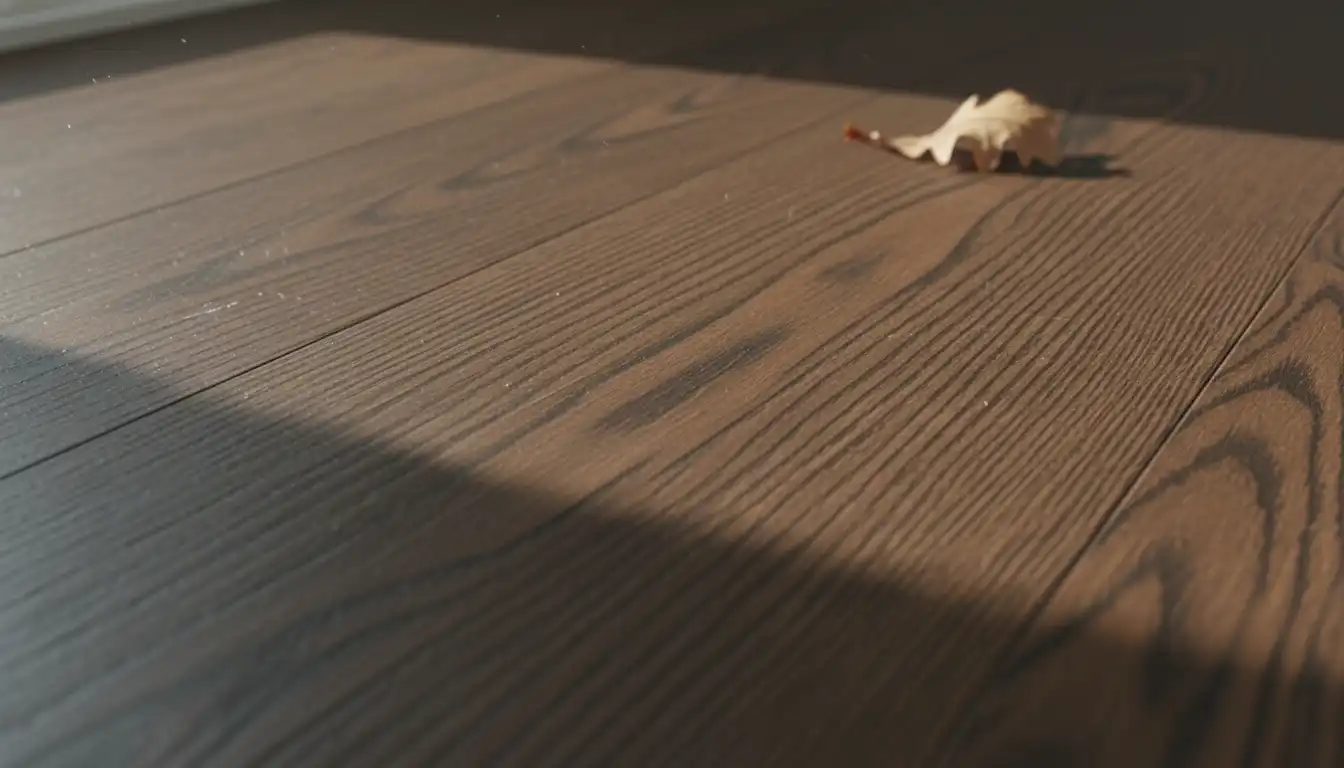
It’s a treasure hunt, but finding even a single box can save you from a much larger project. Be prepared for potentially higher costs, as scarcity can drive up the price of discontinued items.
| Source | Likelihood of Success | Potential Cost | Key Considerations |
|---|---|---|---|
| Online Marketplaces (eBay, etc.) | Medium | High | Verify seller credibility; shipping costs can be significant. |
| Local Flooring Outlets | Low to Medium | Variable | Call ahead with the exact product name and number. |
| Habitat for Humanity ReStores | Low | Low | Inventory changes daily; requires frequent visits. |
| Flooring Forums/Social Media | Low | Variable | Connects you with a wide network of homeowners and installers. |
| Salvage Yards | Very Low | Low | Best for finding small quantities or single planks. |
Solution 2: Strategic Repairs and Creative Camouflage
If your search for extra planks comes up empty, the next step is to work with what you have. This approach focuses on minimizing the appearance of damage or using existing flooring in clever ways.
For minor scratches and small chips, a laminate floor repair kit can work wonders. These kits come with color-matched putty or wax fillers that can effectively conceal small imperfections. It is crucial to test the filler in an inconspicuous area first to ensure a good color match.
A more innovative technique is to harvest planks from a low-traffic area, such as inside a closet or under a large piece of furniture that is never moved. You can then use these original planks to replace the damaged ones in a more visible location. The space you borrowed from can then be patched with the closest possible alternative, where the mismatch will be far less noticeable.
Strategic placement of furniture or area rugs is the simplest solution for hiding damaged spots. A stylish rug can cover a cluster of scratches in the middle of a room, while a console table or bookshelf can hide damage near a wall. This is often the most cost-effective and immediate fix.
Solution 3: Finding a Worthy Successor
When the damage is too extensive to hide or repair, finding a suitable replacement becomes necessary. The goal is to find a modern alternative that complements your existing floor, even if it’s not a perfect match. A key strategy here is to create a deliberate design choice rather than an accidental mismatch.
Take a sample of your Highland Hickory to various flooring stores. Comparing it under different lighting conditions is essential. Look for alternatives that match in several key areas: color tone, plank width, thickness, and texture. A floor that is the same thickness is critical to ensure a smooth and safe transition between the old and new surfaces.
Sometimes, instead of trying to match, it’s better to choose a complementary design. For instance, if the damaged area is in an adjoining room like an office, you could opt for a slightly different but harmonious color to create a distinct space. Using a prominent transition strip can frame the new flooring, making the change look intentional and stylish.
Solution 4: The Tipping Point for a Full Replacement
There comes a point where the cost and effort of repairing and patching outweigh the benefits. A full flooring replacement is a significant investment, but it offers long-term peace of mind, a fresh aesthetic, and the opportunity to fix any underlying subfloor issues. Consider a full replacement if the damage is widespread, if you are planning a larger renovation, or if the floor is nearing the end of its expected 15-25 year lifespan.
This is often a practical decision when other home updates are on the horizon. A complete flooring overhaul may align with larger projects, and sourcing materials becomes simpler. For homeowners looking to manage budgets during a big remodel, finding deals from suppliers like cabinet shops going out of business can free up funds for flooring. Exploring design ideas through platforms like Houzz online shopping can also provide inspiration for a completely new and cohesive look.
Proactive Measures: Protecting Your Remaining Floor
Once you’ve addressed the immediate damage, the focus should shift to preserving the rest of your discontinued flooring. Proactive maintenance is the best way to prevent future headaches and extend the life of your Highland Hickory.
Essential Maintenance Routines
Simple, regular care can make a huge difference. Sweep or vacuum the floor frequently using a soft-bristle attachment to remove grit and debris that can act like sandpaper. Clean up spills immediately to prevent moisture from seeping into the seams, which can cause swelling and warping.
For deeper cleaning, use a damp microfiber mop with a pH-neutral cleaner specifically designed for laminate floors. Avoid using excessive water, harsh chemicals, or steam mops, as these can damage the protective wear layer and the core of the planks.
High-Traffic Area Strategies
Protecting high-traffic areas is crucial. Place durable doormats at all entrances to trap dirt and moisture before they are tracked onto the floor. Use area rugs or runners in hallways and living spaces where foot traffic is heaviest.
Finally, apply felt pads to the bottom of all furniture legs. This simple step prevents scratches and scuffs when chairs and tables are moved. When moving heavy items, always lift them rather than dragging them across the floor.
Making a Long-Term Decision for Your Home
Living with discontinued flooring requires a thoughtful, strategic approach. Whether you choose to hunt for remnants, employ creative repair techniques, or invest in a full replacement, the key is to make an informed decision that aligns with your lifestyle and budget. A small bit of damage doesn’t have to signal a catastrophe.
By carefully assessing the problem and exploring all available solutions, you can effectively manage your Pergo XP Highland Hickory floor for years to come. Ultimately, this challenge can become an opportunity to enhance your home’s beauty and functionality in a way that feels both intentional and intelligent. Taking control of your home maintenance, from flooring repairs to simple tasks like learning how to turn off wifi on a Honeywell thermostat, empowers you as a homeowner.
