
Penny Tile Regrets: The Hidden Problems No One Talks About
Penny tiles offer a charming, vintage aesthetic that can instantly elevate a bathroom or kitchen backsplash. Their classic, visually textured look is a powerful draw for many homeowners planning a renovation. But beneath that stylish surface lies a series of potential frustrations and long-term maintenance headaches that are rarely discussed in showrooms or design magazines.
Many homeowners find themselves unprepared for the realities of living with this unique tile choice. What starts as a design dream can quickly sour into a significant regret, plagued by issues that are both costly and time-consuming to address. Understanding the full picture—the good, the bad, and the frustrating—is critical before committing to this timeless yet demanding material.
You'll Learn About
The Grout Nightmare: More Than Just a Cleaning Issue
The most cited complaint about penny tiles is unequivocally the grout. Due to the small size of each tile, the ratio of grout to tile is exceptionally high, creating a vast grid of porous lines that act as a magnet for dirt, soap scum, and mildew. This is not just a cosmetic issue; it’s a structural and maintenance challenge that many homeowners underestimate.
While standard tile floors require regular cleaning, penny tile floors demand a level of diligence that can feel relentless. The sheer volume of grout lines means more surface area to scrub and more potential for discoloration, especially with light-colored grout. This problem is magnified in high-moisture environments like showers, where the grout is constantly exposed to water and can quickly become a breeding ground for mold.
Why Standard Cleaning Methods Fail
Conventional mopping often does more harm than good on a penny tile floor. Instead of lifting dirt, a mop tends to push soiled water into the recessed, porous grout lines, darkening them over time. This leaves you with clean tiles but a grid of grimy, discolored grout that makes the entire floor look perpetually dirty.
Effective cleaning requires getting down on your hands and knees with a scrub brush—a labor-intensive task that quickly becomes a major source of regret. While a dark grout can hide dirt more effectively, it won’t prevent the growth of mildew or the eventual breakdown of the grout itself. It’s a temporary cosmetic fix for a deeper maintenance problem.
The Unseen Cost of Grout Failure
Beyond the cleaning woes, the extensive network of grout is a structural weak point. Grout is porous and, over time, can absorb moisture, leading to odors and potential water damage to the subfloor if not perfectly sealed. The constant expansion and contraction from temperature changes in a bathroom can cause this vast grid of grout to develop hairline cracks, creating pathways for water intrusion.
This is where a simple aesthetic choice becomes a significant financial risk. A failing grout job can lead to thousands of dollars in subfloor repairs, a problem far more severe than just a dirty-looking floor. This highlights the importance of not only choosing the right materials but also understanding their long-term behavior in your specific environment.
Installation Woes: The Hidden Risk of an Imperfect Job
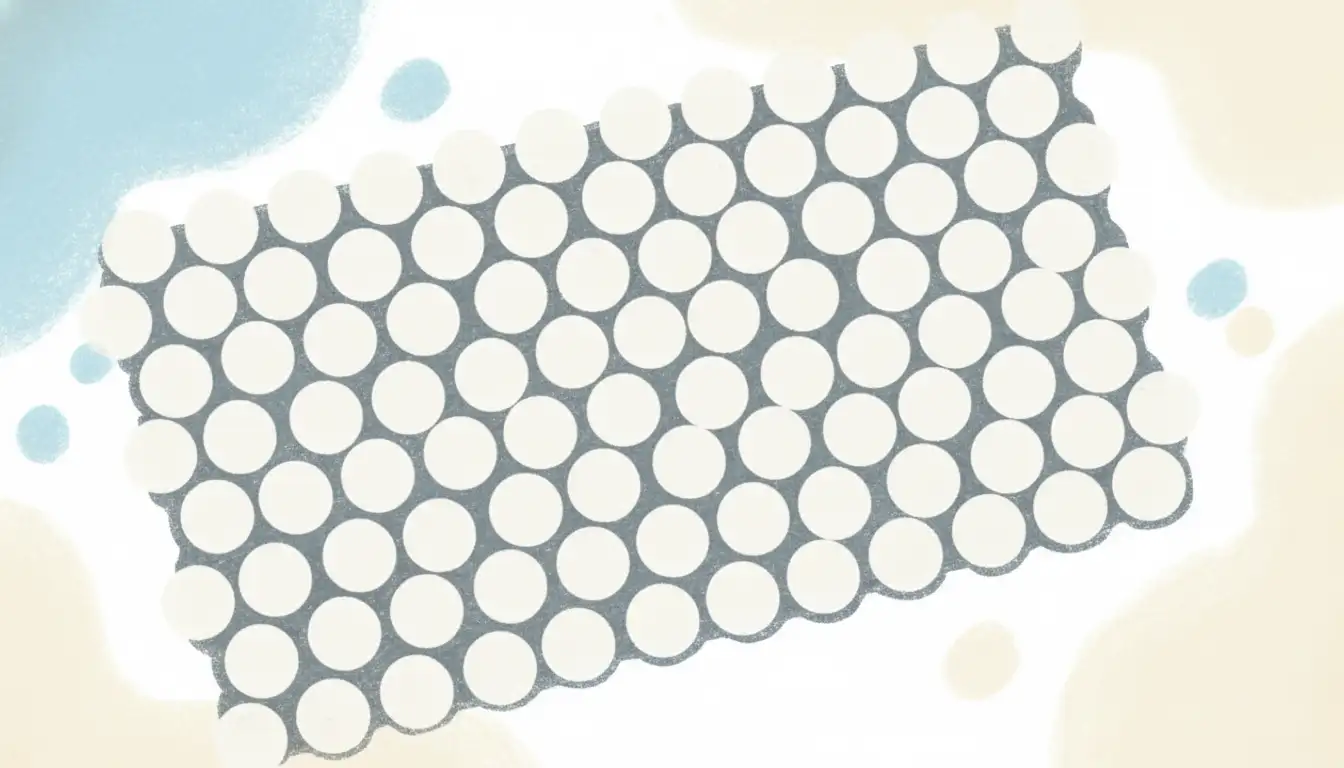
Penny tiles are notoriously difficult to install correctly. Unlike larger tiles, where minor imperfections in the subfloor can be hidden, the small format of penny tiles means any unevenness is immediately visible. The tiles are mounted on mesh sheets, and if the installer is not meticulous, the seams between these sheets become painfully obvious, creating a grid-like pattern that ruins the intended seamless effect.
This “checkerboard” look is a hallmark of a rushed or inexperienced installation. An expert installer must take the time to cut individual tiles and stagger the sheets to break up the pattern, a process that is both time-consuming and expensive. Many contractors either don’t know this technique or don’t budget the time for it, leaving homeowners with a flawed finish they have to live with every day.
Subfloor Preparation is Non-Negotiable
A perfectly flat and stable subfloor is paramount for a successful penny tile installation. Any dips, bumps, or flex in the subfloor will translate directly to the finished surface, leading to lippage (uneven tiles) and, more seriously, cracked tiles and grout over time. This is not just a matter of aesthetics; it’s about the longevity of your investment.
Before a single sheet of tile is laid, the subfloor must be meticulously leveled and reinforced. This crucial preparation step is often overlooked in quotes to keep costs down, but skipping it is a recipe for disaster. Homeowners should insist on a detailed discussion about subfloor prep and ensure it’s explicitly included in the installation contract.
Finding the Right Installer Is Half the Battle
Not all tile setters are created equal, and penny tiles require a specialist. When vetting professionals, ask for a portfolio that specifically includes penny tile projects. Look closely at their past work for any signs of the dreaded sheet lines. A true craftsman will understand the nuances of the material and will not cut corners.
This level of expertise comes at a premium. The labor cost for installing penny tiles can be significantly higher than for standard-sized tiles due to the precision and time required. Trying to save money on installation is one of the most common paths to penny tile regret; it’s an area where paying more for an experienced professional is a wise investment.
Solutions: How to Avoid Penny Tile Regrets
Despite the challenges, it is possible to have a beautiful and durable penny tile installation. The key lies in making informed decisions from the very beginning, focusing on materials and installation quality rather than just aesthetics. By addressing the inherent weaknesses of penny tiles head-on, you can mitigate the risks and enjoy the timeless look without the long-term frustration.
Choosing the right products and the right professional can transform the experience from a potential nightmare into a stunning success. This proactive approach ensures that your design choice is supported by a foundation of quality and durability. Ultimately, a successful project is one that continues to bring you joy long after the renovation is complete, something you can achieve even with a demanding material like penny tile. For instance, ensuring your tile choice complements other major decisions, like your cabinetry, is vital; our reviews of Fabuwood cabinets can offer insights into making holistic design choices for your space.
The Power of Epoxy Grout
The single most effective way to combat the grout problem is to upgrade from traditional cement-based grout to an epoxy grout. While more expensive and requiring a more skilled installer, epoxy grout is a game-changer for penny tiles. It is non-porous, stain-resistant, and waterproof, eliminating the risks of mildew, discoloration, and water absorption.
Epoxy grout doesn’t require sealing and is far more durable, resisting cracks and chipping. This turns the biggest weakness of penny tiles—the vast expanse of vulnerable grout—into a resilient, low-maintenance surface. The upfront cost is higher, but it pays for itself over time by preventing costly repairs and eliminating the need for constant, deep cleaning.
The table below breaks down the key differences between traditional cementitious grout and modern epoxy grout, highlighting why the latter is a superior choice for a demanding installation like penny tiles.
| Feature | Cementitious Grout | Epoxy Grout |
|---|---|---|
| Water Resistance | Porous, requires sealing | Non-porous and waterproof |
| Stain Resistance | Prone to staining and discoloration | Highly resistant to stains |
| Durability | Can crack and shrink over time | Extremely durable and crack-resistant |
| Maintenance | Requires regular deep cleaning and resealing | Easy to clean with standard cleaners |
| Cost | Lower upfront material cost | Higher material and labor cost |
| Best For | Dry areas, larger tiles | Wet areas, small tiles like penny rounds |
Strategic Material and Color Choices
The material of the penny tile itself also plays a role in both safety and maintenance. For floor applications, especially in wet areas, opt for matte or textured porcelain penny tiles. These offer superior slip resistance compared to glossy ceramic or glass options, making the floor safer to walk on when wet.
Furthermore, thoughtful color selection can make a world of difference. While white penny tiles with white grout offer a classic, clean look, they are the most unforgiving when it comes to showing dirt and imperfections. A slightly darker grout color, like a light gray or beige, can provide a subtle contrast that helps to hide minor discoloration without making the floor look too busy.
Long-Term Maintenance and Prevention
Even with the best materials, a proactive maintenance plan is essential. For those who opt for traditional grout, sealing the grout annually is non-negotiable. This creates a protective barrier that helps repel water and prevent stains from setting in. It’s a simple task that can significantly extend the life and look of your floor.
Regular cleaning should be done with pH-neutral cleaners designed for tile and grout. Avoid harsh, acidic cleaners like vinegar, which can break down the grout and damage the tile’s finish over time. For tough stains, a paste of baking soda and water applied with a soft brush is a gentle yet effective solution.
Is Penny Tile Right For You?
Ultimately, penny tiles are not inherently a bad choice, but they are a demanding one. They require a higher budget for quality materials and expert installation, as well as a commitment to more diligent maintenance. The charm and historical appeal are undeniable, but they must be weighed against the practical realities of living with such a high-maintenance surface.
By understanding the potential pitfalls and planning accordingly—investing in epoxy grout, hiring a meticulous installer, and choosing the right tile material—you can avoid the common regrets. Armed with this knowledge, you can make a decision based not just on a beautiful photo, but on a clear understanding of what it takes to make that beauty last.
