
Peggy Martin Rose at Lowe’s: Your Ultimate Guide to Finding It
The quest for the perfect climbing rose often feels like searching for a hidden treasure. Gardeners everywhere seek a plant that offers breathtaking beauty without demanding constant attention, one that is both vigorous and remarkably resilient. For many, this search ends with the legendary Peggy Martin Rose, a symbol of survival and effortless grace.
But this popularity presents a problem: finding this specific rose can be a challenge. Many gardeners specifically wonder if they can simply pick one up at a major retailer like Lowe’s. This guide provides the solution, demystifying the hunt for the Peggy Martin rose and offering a comprehensive plan for its care, ensuring it doesn’t just survive, but thrives in your garden.
You'll Learn About
The Enduring Allure of the Peggy Martin Rose
What makes this particular rose so sought after? Its fame is rooted in an incredible story of resilience. This was the only one of Peggy Martin’s 450 rose varieties to survive being submerged under 20 feet of saltwater for two weeks after Hurricane Katrina devastated Louisiana. This toughness is its defining characteristic.
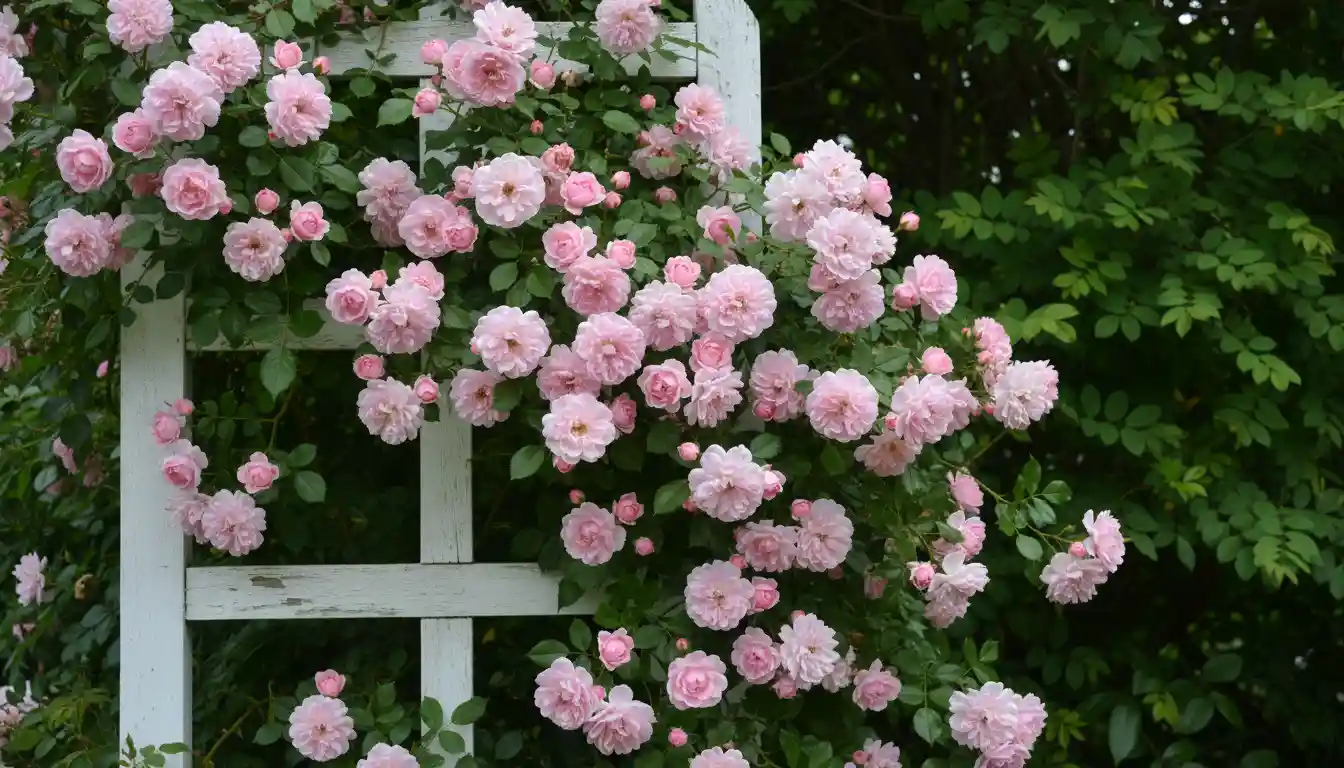
Beyond its survival story, the Peggy Martin is beloved for its sheer beauty and low-maintenance nature. It produces massive clusters of small, deep pink flowers, primarily in the spring with a potential second bloom in the fall. Best of all, it’s known for being exceptionally disease-resistant and nearly thornless, making it a joy to work with.
The Hunt: Does Lowe’s Carry the Peggy Martin Rose?
Here is the direct answer many gardeners are looking for: finding a Peggy Martin Rose at Lowe’s is possible, but it is not guaranteed. Big-box stores like Lowe’s typically source their plants from various regional growers. This means plant availability can vary significantly based on your location and the time of year.
The Peggy Martin rose is not a standard, consistently stocked item like more common rose varieties. Its availability often depends on whether local suppliers have propagated it for that season. To increase your chances, it’s best to check with your local Lowe’s garden center in the early spring, which is the primary planting season for roses.
Winning Strategies for Your Search
Instead of relying on luck, a proactive approach is more effective. Call the garden centers of nearby Lowe’s stores and ask if they have the Peggy Martin rose in stock or if they expect to receive it. Speaking directly with the nursery staff can provide valuable insider information.
If Lowe’s doesn’t have it, don’t be discouraged. The search is part of the journey. Expanding your search to local, independent nurseries is an excellent next step. These smaller businesses often carry a more diverse and specialized selection of plants, including regional favorites like the Peggy Martin.
Alternative Sources for This Resilient Rose
When big-box stores don’t have what you’re looking for, specialty retailers are the solution. Numerous online nurseries specialize in roses and are a reliable source for the Peggy Martin. Reputable sellers include Jackson & Perkins, Antique Rose Emporium, and FastGrowingTrees.com, among others.
Another fantastic way to find this rose is through the gardening community itself. The Peggy Martin is a classic “pass-along” plant. It roots so easily from cuttings that gardeners have been sharing it for generations. Joining local gardening clubs or online forums can connect you with fellow enthusiasts who may be willing to share a cutting.
Your Peggy Martin’s Forever Home: Planting for Success
Once you’ve successfully acquired your rose, giving it the right start is crucial for a future of stunning blooms. Proper site selection and soil preparation are the foundations of a healthy plant.
Choosing the Perfect Location
Like most roses, the Peggy Martin thrives in full sun. This means selecting a spot in your garden that receives at least six hours of direct sunlight each day. Ample sun exposure is the single most important factor for vigorous growth and prolific flowering.
Consider its future size. This is a vigorous climber that can easily grow 10 to 15 feet tall and wide, so it needs a sturdy support structure. An arbor, a strong trellis, or a fence are all excellent options to support its long, graceful canes.
Soil Preparation for a Thriving Rose
The Peggy Martin rose is adaptable but performs best in well-drained, slightly acidic soil with a pH between 5.5 and 6.5. If you have heavy clay soil, which is common in many areas, it’s essential to amend it to improve drainage. Working a generous amount of compost, aged pine bark, or other organic matter into the soil will prevent water from sitting around the roots.
When preparing the planting area, consider the long-term health of your garden beds. For areas around your home’s foundation, choosing the right ground cover is important. A common question is whether to use landscape fabric or plastic around foundation walls to suppress weeds. Generally, a high-quality, permeable landscape fabric is preferable to plastic as it allows for better air and water exchange with the soil.
Step-by-Step Planting Process
Planting your new rose is a straightforward process. Dig a hole that is twice as wide as the nursery pot and just as deep. Gently remove the rose from its container, being careful not to damage the root ball, and place it in the center of the hole.
Backfill the hole with the amended soil, ensuring the top of the root ball is level with the surrounding ground. Water the newly planted rose thoroughly to settle the soil and eliminate any air pockets. Applying a 2-3 inch layer of mulch around the base will help retain moisture and suppress weeds.
Mastering Peggy Martin Care for Breathtaking Blooms
The beauty of the Peggy Martin rose is its low-maintenance nature. It doesn’t require the constant spraying and fussing that many other roses demand. However, providing for its basic needs will ensure it puts on the best possible show.
Sunlight and Water: The Essentials
Consistent watering is especially important during the first year as the rose establishes its root system. Water deeply once or twice a week during dry periods, allowing the soil to dry slightly between waterings. Once established, it is quite drought-tolerant but will benefit from supplemental watering during extended heat waves.
Full sun remains critical throughout the life of the plant. A location with good air circulation will also help keep the foliage dry and reduce the risk of any fungal issues, though this variety is highly resistant.
Fertilizing Your Climbing Beauty
To encourage robust growth and flowering, feed your Peggy Martin rose with a balanced fertilizer in the spring as new growth emerges. An organic rose food or a complete fertilizer works well. A second application in the fall can help the plant store energy for the winter.
Avoid the temptation to over-fertilize. Too much nitrogen can lead to lush, green growth at the expense of flowers. A light touch is all that’s needed for this vigorous grower.
Pruning for Health and Abundant Flowers
Pruning a Peggy Martin rose is different from pruning a hybrid tea rose. The primary goal is to shape the plant and remove any dead or damaged canes. The best time to prune is in late winter, after the last hard frost but before new growth begins.
This rose blooms on old and new wood, so avoid hard pruning. A critical technique for maximizing blooms is to train the main canes as horizontally as possible. This encourages the growth of lateral shoots, and it is on these shoots that the flower clusters will form. This simple training trick will dramatically increase the number of blossoms.
Providing Support: A Place to Climb
The Peggy Martin is a climbing rose and requires a structure to grow on. Choosing and installing a durable support system before the rose becomes too large is a key step for success. A sturdy trellis, an arbor over a walkway, or wires run along a fence or wall are all effective supports.
When building a custom trellis or support structure, it’s wise to understand the capacity of your materials. For smaller DIY garden projects, you might wonder how much weight can a brad nail hold. While brad nails are great for delicate trim work, a vigorous rose will require much stronger fasteners like screws or bolts to secure the structure, ensuring it can handle the weight of the mature plant.
Common Questions and Solutions
Even the most resilient plants can face occasional issues. Understanding common challenges and their solutions can help you keep your Peggy Martin rose in peak condition.
| Problem | Potential Cause | Solution |
|---|---|---|
| Yellowing Leaves (Chlorosis) | Nutrient deficiency (often iron) or poor drainage. | Ensure soil is well-drained. Apply a fertilizer with chelated iron or a balanced rose food. |
| Few or No Blooms | Lack of sunlight, improper pruning, or too much nitrogen fertilizer. | Ensure the plant receives at least 6 hours of sun. Prune minimally in late winter and train canes horizontally. Use a low-nitrogen, high-phosphorus fertilizer. |
| Powdery Mildew | Poor air circulation and high humidity. | Though rare on this rose, improve air circulation by selectively thinning canes. Water at the base of the plant to keep foliage dry. |
| Slow Growth After Planting | Transplant shock or poor soil conditions. | Be patient; it can take a season to establish. Ensure soil is well-drained and water consistently. A root stimulator can help. |
A Symbol of Hope in the Garden
The story of the Peggy Martin rose is a powerful reminder of nature’s tenacity. After losing her home, her garden, and tragically, her parents in Hurricane Katrina, Peggy Martin returned to find this single rose not only alive but showing new growth.
Horticulturist Dr. William C. Welch, who had taken cuttings before the storm, helped propagate the rose, naming it in her honor. Proceeds from its sales helped fund the restoration of gardens devastated by the hurricane, cementing its status as a living symbol of hope and rebirth.
Is the Peggy Martin Rose Worth the Hunt?
Absolutely. The search for a Peggy Martin rose at Lowe’s or elsewhere is a small challenge with a massive reward. This is more than just a plant; it’s a piece of living history that brings a story of survival and resilience to your garden.
Its combination of vigorous growth, stunning floral displays, and incredible toughness makes it an ideal choice for both novice gardeners and seasoned experts. With minimal care, this rose will transform a fence, wall, or arbor into a breathtaking feature, offering years of beauty and serving as a testament to the enduring power of nature.
