
Pebble Tec Pool Discoloration? Your Fix-It-Fast Guide
There’s nothing quite like the stunning, natural beauty of a Pebble Tec pool finish. It promises years of durable, riverbed-like elegance. That is, until the day you walk outside and notice ugly, stubborn stains marring your backyard oasis. Pebble Tec pool discoloration is a frustrating problem, turning your expensive investment into a source of stress.
These stains can appear as broad, faint blotches or distinct, colored spots, seemingly out of nowhere. Before you spend a fortune on random chemicals or consider a costly drain and acid wash, it’s crucial to understand what you’re up against. This guide will walk you through the process of diagnosing, treating, and—most importantly—preventing those unwelcome blemishes for good.
You'll Learn About
First, Understand Your Pebble Tec Surface
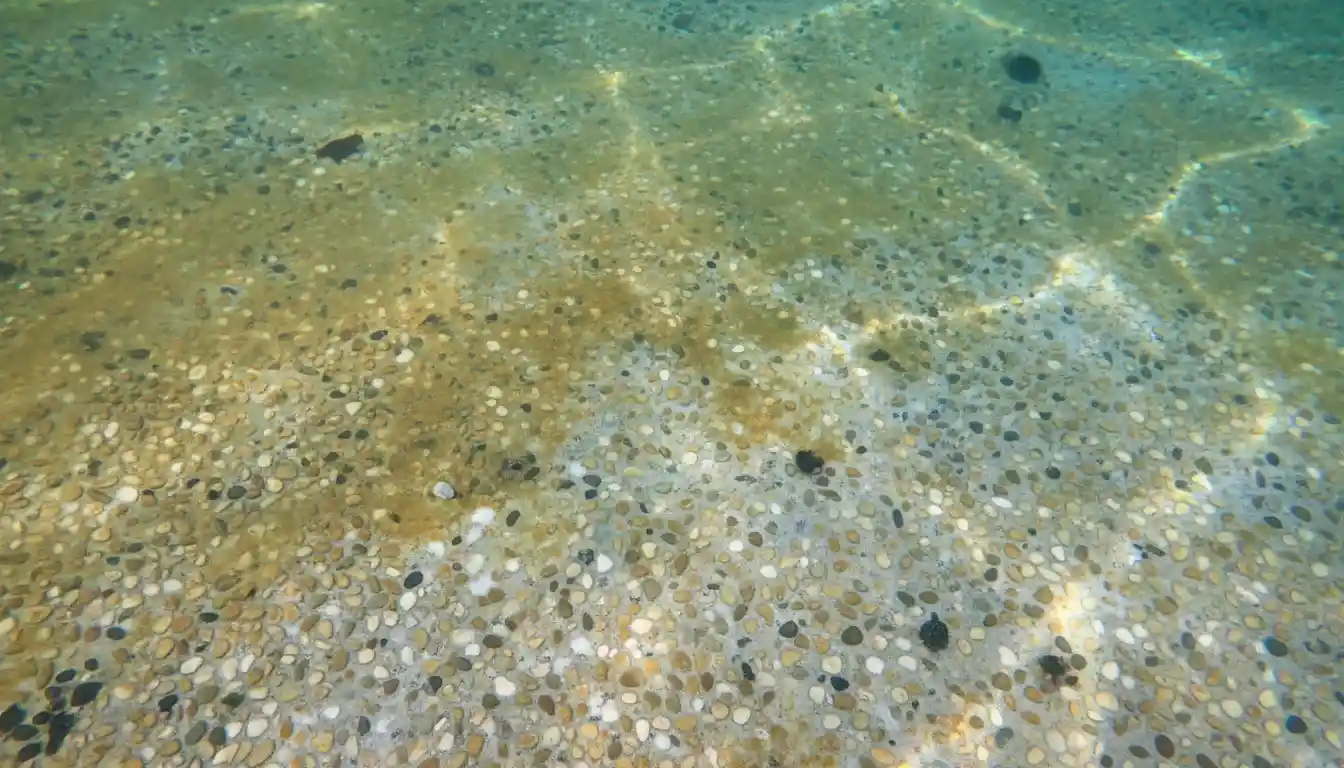
A Pebble Tec finish isn’t a simple layer of paint or plaster; it’s a premium aggregate surface made of small, smooth pebbles mixed into a specially formulated cement. This textured design is incredibly resilient against the routine wear and tear of pool chemicals and cleaning. However, its unique composition also makes it susceptible to specific types of discoloration that flat surfaces might not show as prominently.
The key to its longevity lies in proper care and, above all, balanced water chemistry. Nearly every discoloration issue can be traced back to an imbalance in the water, which either causes the stain directly or creates an environment where stains can easily form. Think of your pool finish not just as a static surface, but as a dynamic part of an aquatic ecosystem where every chemical addition has an effect.
The Culprits: What’s Really Causing Your Pool Discoloration?
Identifying the source of your stain is the most critical step. Throwing the wrong chemical at a problem won’t just waste money; it can make the stain worse or damage your finish. Discoloration in a Pebble Tec pool typically falls into three main categories: organic stains, metal stains, and mineral scale.
Organic Stains: The Usual Suspects
Organic stains are the most common and usually the easiest to treat. They are caused by tannins and pigments released from once-living materials that have been left to sit on the pool’s surface. Think of it like a teabag steeping in water; the longer it sits, the darker the stain.
Common sources include leaves, acorns, algae, worms, and berries. These typically leave behind greenish-brown or reddish-blue smudges. Just as you need to care for outdoor furniture like a bluestone table top to prevent leaf stains, your pool requires diligent skimming and cleaning to avoid these blemishes.
Metal Stains: The Invisible Enemy
Metal stains are often the most alarming because they can appear as bright, vivid colors and are more resistant to regular cleaning. These stains occur when dissolved metals in the pool water oxidize and bond to the pool surface. This can happen so gradually you don’t notice it until it becomes a widespread problem.
The primary culprits are iron, copper, and manganese. Iron creates rusty brown or reddish-brown stains. Copper, often from eroding heater components or copper-based algaecides, results in blue-green or black stains. Manganese, typically from well water, can cause unsightly purplish-black stains.
Mineral Scale: The Chalky Film
Sometimes, what appears as faded discoloration is actually a layer of mineral buildup. This is known as calcium scaling, a white, hazy, or chalky film that forms on the pool surface. This scale is caused by a combination of high pH, high alkalinity, and high calcium hardness levels in the water.
This chalky layer can be rough to the touch and can trap dirt and oils, making it look like a grey or white stain. Darker colored Pebble Tec finishes are particularly prone to showing scale, making the surface appear faded or blotchy.
Your Diagnostic Toolkit: How to Identify the Stain Type Before Treatment
Before you treat a stain, you must diagnose it. Wasting time and money on the wrong solution is a common homeowner mistake. Luckily, there are two simple, definitive tests you can perform to identify the culprit without draining your pool.
The Vitamin C Test for Metal Stains: If you suspect a metal stain, the solution is in your medicine cabinet. Place a vitamin C tablet (ascorbic acid) directly on a stained area and hold it there for a few minutes. If the stain lightens or disappears, you have a metal stain. This works exceptionally well on iron stains.
The Chlorine Test for Organic Stains: For suspected organic stains, a chlorine tablet can confirm your diagnosis. Place a trichlor chlorine tablet or a sock filled with granular chlorine directly on the stain for a few minutes. Use extreme caution, as concentrated chlorine can bleach the surface. If the stain vanishes, it’s organic.
These simple tests provide a clear path forward, ensuring you use the right treatment for the right problem. It’s a crucial step that takes the guesswork out of stain removal.
Your Step-by-Step Action Plan to Restore Your Pool
Once you’ve identified your stain, it’s time to take action. Each type of discoloration requires a different approach, from simple chemical adjustments to more intensive treatments. Follow the plan that matches your diagnosis for a pristine, like-new finish.
Eradicating Organic Stains
Removing organic stains is straightforward. Since you’ve confirmed the stain with a chlorine test, the solution is to elevate the chlorine level across the entire pool. This process is known as “shocking” the pool.
First, ensure your pool’s pH is balanced (between 7.2-7.6) to maximize the effectiveness of the chlorine. Then, shock the pool at night using a high-quality calcium hypochlorite shock. Brush the stained areas thoroughly with a stiff nylon pool brush to help lift the stain as the chlorine works. Within 24 hours, most organic stains should be completely gone.
Conquering Metal Stains
Metal stains require a two-pronged attack: lifting the stain and then removing the metals from the water to prevent its return. After confirming a metal stain with the Vitamin C test, the next step is an ascorbic acid treatment. This involves adding ascorbic acid (the main ingredient in vitamin C) to the entire pool.
After the stains have vanished, you must add a metal sequestrant to the water. This chemical binds to the dissolved metal particles, holding them in the solution so they can be filtered out. Without this step, the stains will simply return once you re-chlorinate the pool. Run the filter continuously for 24-48 hours and clean it afterward.
Banishing Scale and Mineral Deposits
If you’re dealing with calcium scale, the first step is to get your water chemistry in check. Lower your pH, total alkalinity, and calcium hardness levels. Vigorous and consistent brushing with a stiff pool brush can help break down some of the lighter scale buildup.
For more stubborn or widespread scaling, a stain and scale remover product can help dissolve the deposits over time. In severe cases, the only solution may be to drain the pool and have it professionally acid washed or bead blasted. However, this should always be a last resort, as it removes a thin layer of your pool’s finish.
| Stain Type | Common Colors | Primary Cause | Simple DIY Test | Best Removal Method |
|---|---|---|---|---|
| Organic | Green, Brown, Tan, Red/Blue | Leaves, algae, berries, worms, dirt | Stain disappears with direct chlorine application. | Shock the pool and brush thoroughly. |
| Metal (Iron) | Rusty Brown, Reddish-Brown | Well water, corroded equipment, fertilizer | Stain vanishes with a Vitamin C tablet. | Ascorbic acid treatment followed by a metal sequestrant. |
| Metal (Copper) | Blue-Green, Teal, Black | Copper pipes, heater components, some algaecides | May lighten with Vitamin C or citric acid. | Specialized copper removers and a sequestrant. |
| Mineral (Scale) | White, Grey, Hazy/Chalky Film | High pH, alkalinity, and calcium hardness | Rough texture; may chip off. | Balance water chemistry, use scale remover, brush. |
The Ultimate Prevention Strategy: Keep Discoloration Gone for Good
Removing a stain is only half the battle. The real secret to a beautiful Pebble Tec pool is preventing discoloration from ever happening again. This requires a shift from reactive cleaning to proactive maintenance.
Master Your Water Chemistry
This is the single most important rule of pool ownership. Test your water at least weekly and keep your pH, alkalinity, calcium hardness, and sanitizer levels within the ideal ranges recommended by Pebble Technology. Improper chemistry is the root cause of nearly all discoloration issues. Balanced water not only protects your finish but also ensures swimmer comfort and safety.
Use a Metal Sequestrant Regularly
If your source water is high in metals (especially if you use well water), you must be proactive. Add a maintenance dose of a high-quality metal sequestrant to your pool every week or two. This will “lock up” any metals that enter the water, preventing them from oxidizing and staining your beautiful Pebble Tec surface.
Maintain Consistent Cleaning Habits
Don’t let organic debris sit in your pool. Skim the surface daily and brush the entire pool—walls and floor—at least once a week. This prevents algae from taking hold and stops leaves and dirt from breaking down and causing stubborn tannins stains. A good robotic pool cleaner can automate much of this work.
The durability and aesthetic of pebble surfaces are also prized in other areas of the home. For instance, a pebble epoxy shower floor offers a similar blend of natural texture and resilience, but just like a pool, it requires regular cleaning to prevent buildup.
When to Call a Professional
While most discoloration can be handled with a DIY approach, some situations are best left to the experts. If you are dealing with widespread, severe staining that does not respond to the treatments above, it’s time to call a pool service professional.
Procedures like draining and acid washing are dangerous if performed incorrectly and can permanently damage your finish. If you are ever unsure, consulting a professional is the safest and most effective choice. When considering different types of pool finishes, it can be helpful to read up on user experiences, much like these Pebble Fina reviews, to understand the long-term maintenance realities.
Ultimately, a discolored Pebble Tec pool is a solvable problem. With the right knowledge, you can correctly diagnose the issue, apply the proper solution, and implement a maintenance routine that ensures your pool remains the stunning centerpiece of your backyard for years to come.
