
Peaches and Cream Corn vs Silver Queen: The #1 Mistake Gardeners Make
The thrill of planting corn is a cornerstone of home gardening. Watching the sturdy stalks shoot skyward promises a sweet, sun-ripened reward. But this anticipation often hits a snag at the very first step: choosing the right seed.
For many, the choice boils down to two legendary contenders: Peaches and Cream versus Silver Queen. This decision is more than just picking a name from a catalog; it’s a choice that dictates flavor, texture, and even your harvesting schedule. Making the wrong one for your garden and your palate is the most common misstep a gardener can make.
This guide will dissect the nuances of these two beloved varieties, moving beyond simple preference to provide a detailed, expert-backed comparison. By understanding their core differences, you can confidently select the perfect corn for a truly bountiful and satisfying harvest.
You'll Learn About
Meet the Contenders: Two Titans of the Corn Patch
Before placing them head-to-head, it’s crucial to understand what makes each of these varieties a garden celebrity. They hail from different genetic backgrounds, which directly impacts their taste, texture, and how they behave in your garden.
What is Peaches and Cream Corn?
Peaches and Cream is a bicolor hybrid sweet corn known for its visually striking ears that feature a mix of yellow and white kernels. This variety belongs to the “sugary-enhanced” (se) genetic category. This means it was bred to have exceptionally sweet, tender kernels and a longer shelf life after picking compared to older varieties. Its flavor is often described as complex and richly sweet, with a creamy texture that lives up to its name.
What is Silver Queen Corn?
Silver Queen is a legendary hybrid known for its uniform, pearly white kernels. It falls into the “standard sugary” (su) category, representing the classic, old-fashioned sweet corn flavor many people grew up with. Its taste is crisp and authentically “corny” rather than overwhelmingly sweet. Silver Queen has been a farm-stand and home garden favorite for decades, prized for its productivity and traditional taste profile. However, its sugars convert to starch very quickly after harvest, demanding prompt cooking or preserving.
The Ultimate Showdown: A Head-to-Head Comparison
Choosing between these two isn’t just about color. Key differences in their genetics, growth habits, and culinary uses set them apart. Understanding these distinctions is the key to aligning your garden goals with the right variety.
The following table provides a clear, at-a-glance breakdown of what each corn brings to the table, helping you make an informed decision based on the characteristics that matter most to you.
| Feature | Peaches and Cream | Silver Queen |
|---|---|---|
| Kernel Color | Bicolor (yellow and white) | Uniformly white |
| Genetic Type | Sugary-Enhanced (se) | Standard Sugary (su) |
| Taste Profile | Very sweet, complex, creamy | Classic, traditional corn flavor, crisp |
| Texture | Tender and creamy | Crisp and juicy |
| Days to Maturity | Approximately 70-85 days | Approximately 88-92 days |
| Post-Harvest Sweetness | Holds sweetness for up to a week | Loses sweetness rapidly (best within 24-48 hours) |
| Plant Height | Around 6-7 feet | Around 7-9 feet |
| Disease Resistance | Varies; some resistance noted | Good tolerance to Stewart’s Wilt and Northern Corn Leaf Blight |
| Primary Culinary Use | Excellent for eating fresh, raw in salads, light sautés | Ideal for grilling, boiling, roasting, and creaming |
Flavor and Sweetness: A Deep Dive for Your Palate
The most significant distinction between Peaches and Cream and Silver Queen lies in their taste, a direct result of their genetic makeup. This isn’t just about one being “sweeter” than the other; it’s about two fundamentally different eating experiences.
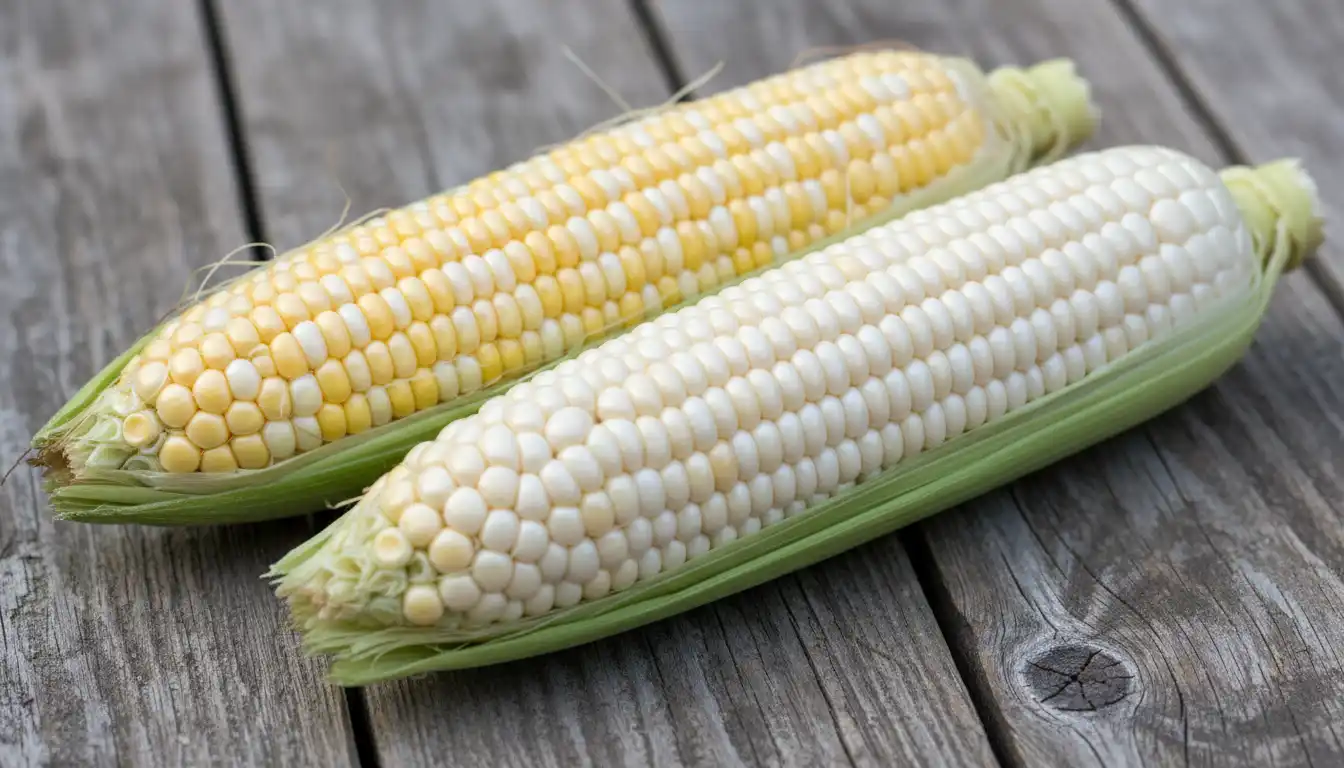
The Bicolor Sweetness of Peaches and Cream
Peaches and Cream is a sugary-enhanced (se) variety. This genetic trait means its kernels contain higher levels of sugar and convert that sugar to starch much more slowly after being picked. The result is an intensely sweet flavor that holds for days in the refrigerator. The combination of yellow and white kernels is thought to provide two distinct flavor notes in every bite, creating a more complex, almost fruity sweetness that is exceptionally juicy and tender.
The Classic Corn Purity of Silver Queen
Silver Queen is a standard sugary (su) corn. This is the genetic type that defined sweet corn for generations. Its flavor is less about intense sugar and more about a pure, authentic corn taste. Aficionados appreciate its crisp texture and milky, savory-sweet juice. However, the su gene also means the sugars begin converting to starch almost immediately after harvest. This is why Silver Queen tastes best when cooked the same day it’s picked, capturing that fleeting, perfect corn flavor.
The Unseen Science: Why Genetics Matter
The distinction between “su” and “se” corn is a critical piece of information few gardeners consider. Standard sugary (su) corn, like Silver Queen, has a short harvest window for peak flavor. Sugary-enhanced (se) corn, like Peaches and Cream, offers more flexibility, making it a great choice for gardeners who can’t cook their harvest immediately. This genetic difference is the single most important factor in managing your harvest for the best possible taste.
From Seed to Harvest: A Gardener’s Field Guide
Success with either variety requires more than just good soil and sun. Understanding their specific needs, from pollination to pest control, will ensure your stalks are heavy with perfectly formed ears.
Planting and Spacing Essentials
Both Peaches and Cream and Silver Queen thrive in well-drained soil rich in organic matter and require full sun. Corn is a heavy feeder, especially of nitrogen. Prepare your bed by working in a generous amount of compost or well-rotted manure before planting. Plant seeds about 1-2 inches deep and 8-12 inches apart. Rows should be spaced 30-36 inches apart to give plants ample room to grow without competing for resources.
The Non-Negotiable Rule of Pollination
Corn is wind-pollinated, and this is where many home gardeners fail. Planting in a single long row is a recipe for disaster, leading to poorly filled ears with missing kernels. To ensure successful pollination, you must plant corn in a block of at least four short rows. This formation allows pollen from the tassels (the male flowers at the top) to effectively drift down onto the silks (the female flowers on the ears) of neighboring plants. Each silk corresponds to a single kernel, so every strand must be pollinated for a full ear.
The Cross-Pollination Caution
A little-discussed but critical factor is cross-pollination. If a standard sugary (su) corn like Silver Queen is pollinated by a different type, such as field corn or even a sugary-enhanced (se) variety, the resulting kernels can become tough and starchy. Because its genetics are recessive, Silver Queen is more susceptible to this quality degradation. To prevent this, isolate different corn types by at least 50 feet, or stagger planting times so they don’t tassel simultaneously. Peaches and Cream (se) can be planted near other se varieties without a negative impact on quality.
Harvesting at the Peak of Perfection
Knowing when to harvest is an art. Look for silks that have turned dark brown and dry. The ears should feel plump and full when gently squeezed. To be certain, you can perform the “thumbnail test.” Peel back a small section of the husk and puncture a kernel with your thumbnail. If the liquid that emerges is milky, the corn is ready. If it’s clear, it’s not ripe yet; if it’s thick and doughy, you’ve waited too long. Remember, Silver Queen’s clock starts ticking the moment it’s picked, so have your pot of boiling water ready!
Managing Pests and Diseases
The corn earworm is the most notorious pest. These caterpillars burrow into the tip of the ear to feed on developing kernels. Applying mineral oil or a product containing spinosad to the silks just as they begin to emerge can help deter them. Encouraging beneficial insects can also be part of your defense strategy. For example, learning how to use milkweed in your vegetable garden can attract predators that help control pest populations. Silver Queen shows good resistance to common diseases like Stewart’s Wilt, giving it an edge in resilience.
Beyond the Cob: Best Kitchen Applications
The unique flavor and texture profiles of each variety make them suited for different culinary purposes. Using them correctly in the kitchen is just as important as growing them correctly in the garden.
Where Peaches and Cream Excels
The exceptional sweetness and tender-crisp texture of Peaches and Cream make it a star for fresh applications. It’s fantastic eaten raw, shaved off the cob into salads and salsas. Its creamy quality also holds up well when lightly cooked, such as in a quick sauté or as a component in succotash. Because its sugars are stable, it freezes exceptionally well, preserving that just-picked flavor for winter meals. The art of preservation is key to enjoying summer’s bounty year-round, much like with other garden produce; for instance, understanding how to make a delicious canned peach pie filling without clear jel ensures no harvest goes to waste.
The Classic Roles of Silver Queen
Silver Queen’s robust, traditional corn flavor and firm texture are perfect for classic preparations. It is the quintessential choice for boiling or grilling on the cob, where its pure corn taste can be savored. The kernels hold their shape well, making it the superior option for creamed corn, chowders, and corn pudding. Its milky, savory juice adds depth to any cooked dish. When you want a flavor that evokes nostalgia and stands up to heat, Silver Queen is the undisputed champion.
The Verdict: Which Corn Is Right for Your Garden?
Ultimately, the “better” corn is the one that aligns with your taste preferences, culinary plans, and gardening style. There is no single right answer, only the right choice for you.
Choose Peaches and Cream If:
You prioritize intense sweetness and a creamy, tender texture. You want a more forgiving harvest window and a corn that stores well for several days. This variety is perfect for gardeners who love fresh, modern flavors and want flexibility in the kitchen.
Choose Silver Queen If:
You crave the classic, authentic flavor of old-fashioned sweet corn. You can harvest and cook it promptly to capture its peak taste. Its resilience and traditional culinary performance make it a rewarding choice for purists who believe nothing beats the taste of pure, unadulterated corn. Thoughtfully selecting varieties like this is a cornerstone of creating a productive and beautiful yard, similar to how choosing the right blueberry bush in the front yard combines aesthetics with function.
By understanding the fundamental differences in genetics, flavor, and growth, you can move past the simple “bicolor versus white” debate. You are now equipped to make an expert decision, ensuring your summer garden yields the perfect, sweet reward you’ve been dreaming of.
