
Oro Blanco vs Pomelo: Which "White Gold" Citrus Should You Grow?
Choosing the right citrus tree for your garden can feel like a daunting task. You see two large, yellowish fruits at the nursery—one labeled Oro Blanco, the other Pomelo—and the confusion sets in. They look similar, but you’ve heard whispers of major differences in taste, growth, and even how you peel them. This uncertainty is a common problem for gardeners and citrus lovers alike, leading to hesitation and sometimes, the wrong choice for your climate or culinary needs.
The core of the issue lies in their hidden identities. One is an ancient ancestor, a titan of the citrus world, while the other is a modern, scientifically crafted hybrid. Making the wrong decision could mean struggling with a tree that’s ill-suited for your garden’s soil, battling unexpected bitterness in your fruit, or missing out on the perfect flavor profile for your morning juice or favorite salad. This guide will demystify these two incredible fruits, empowering you to select, grow, and enjoy the perfect citrus for your home and garden.
You'll Learn About
Unmasking the Contenders: What Is an Oro Blanco?
The Oro Blanco, whose name translates from Spanish to “white gold,” is not an ancient fruit but a modern marvel of horticulture. It was intentionally developed to solve a common complaint about one of its parents: bitterness. Understanding its background is the first step in appreciating what makes it unique.
A Hybrid’s Heritage
The Oro Blanco is a hybrid citrus, the result of a cross between a diploid acidless pomelo and a seedy white grapefruit. This strategic cross was developed in 1958 at the University of California, Riverside, by citrus breeders aiming to create a fruit with the grapefruit’s manageable size and juiciness but without its characteristic bitterness. After years of refinement, it was released to the public in the 1980s and has since gained a loyal following.
Key Identifying Features
Typically, an Oro Blanco is about the size of a standard grapefruit, with a smooth, greenish-yellow rind even when fully ripe. A key feature is its incredibly thick pith—the white spongy layer beneath the skin—which it inherits from its pomelo parent. The flesh is pale yellow, seedless, and known for being exceptionally sweet and mild, with virtually none of the bitterness found in grapefruit.
Getting to Know the Pomelo: The Gentle Giant
The Pomelo, also spelled pummelo, is one of the original, non-hybrid citrus fruits native to Southeast Asia. It is the largest of all citrus fruits and holds a significant place in the family tree of many citrus varieties you enjoy today, including the grapefruit itself.
The Ancestor of Grapefruit
The pomelo (Citrus maxima) is a natural fruit, not a man-made hybrid. It’s considered an ancestor to many citrus varieties; in fact, the common grapefruit is a hybrid resulting from a cross between a pomelo and a sweet orange. Pomelos can vary significantly in size, from a large grapefruit to the size of a basketball, and can be round or slightly pear-shaped.
What to Look For
Pomelos have a very thick, soft rind that can range from green to yellow. The flesh color varies by cultivar and can be pale white, pink, or deep red. While generally sweet and mild, the taste can range from juicy and succulent to slightly tangy or even dry, depending on the variety and ripeness. The membranes separating the segments are notably thick and can be bitter, and are often discarded before eating.
Oro Blanco vs Pomelo: A Head-to-Head Comparison
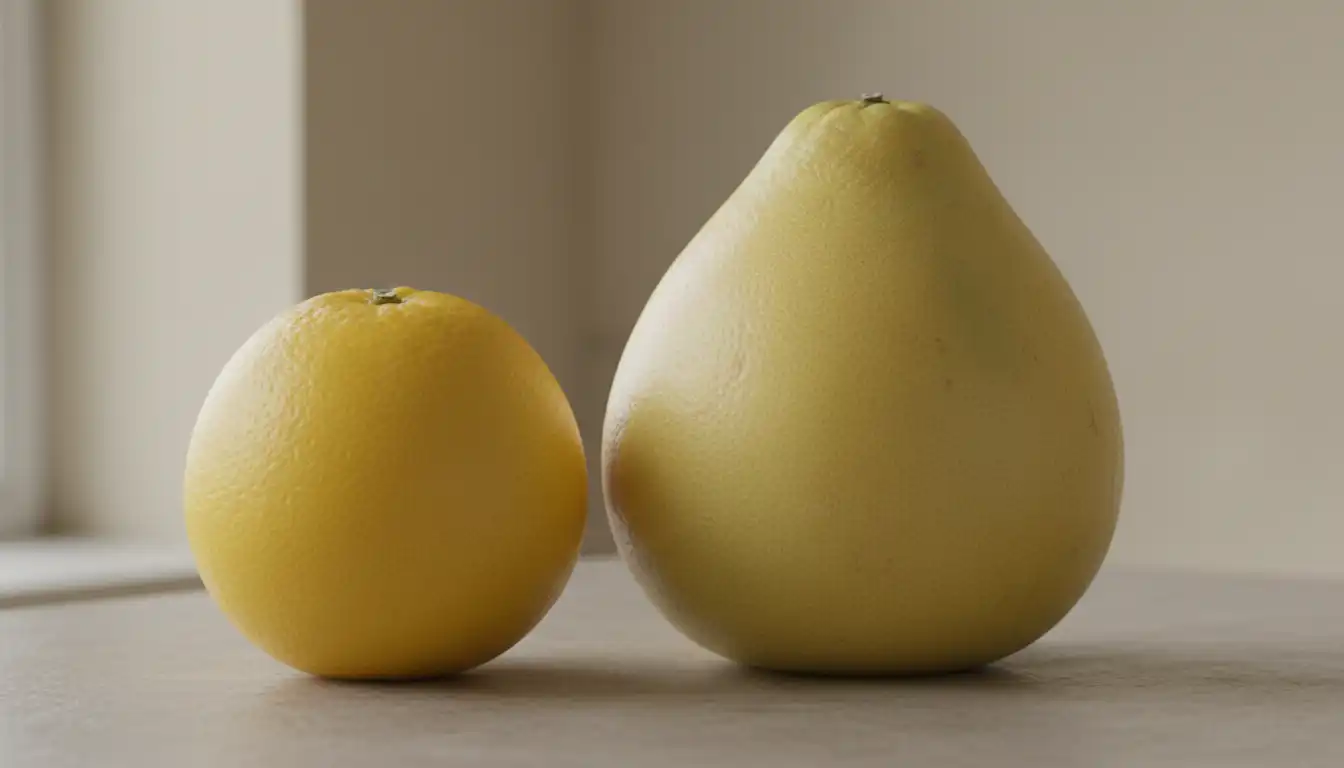
When you place them side-by-side, the distinctions become clearer. For the home gardener and cook, these differences are crucial. They determine not only which tree will thrive in your yard but also which fruit will best suit your palate.
The Ultimate Flavor Face-Off
The most significant difference is in the taste. The Oro Blanco was specifically bred to be sweet and non-bitter. Its flavor is often described as mellow and honey-like, making it perfect for eating fresh without any need for sugar. The Pomelo, while also sweet, has a more complex flavor profile that can sometimes include a subtle tartness or a slightly bitter finish, especially in the thick membranes. Pink and red pomelo varieties tend to be a bit tangier than the white-fleshed types.
Appearance and Size: Telling Them Apart at a Glance
Size is the most obvious visual cue. Pomelos are the largest citrus fruit and are almost always significantly bigger than an Oro Blanco, which is typically the size of a large grapefruit. The rind of an Oro Blanco is smoother and remains greenish-yellow, while a pomelo’s rind can be more textured and turns a pale yellow when ripe. A distinguishing feature of the Oro Blanco is often a flattened base with a noticeable indentation.
The Peel and Pith Predicament
Both fruits boast a remarkably thick rind and pith, a trait inherited from the pomelo. This thick layer protects the fruit but also means there is less edible flesh relative to the fruit’s total size compared to a thin-skinned orange. The primary difference here is that the Oro Blanco’s pith, while thick, is often slightly less dense, and the membranes between segments are less bitter and tough than those of a pomelo, which are almost always removed before consumption.
Nutritional Breakdown
Both the Oro Blanco and Pomelo are nutritional powerhouses, low in calories and packed with Vitamin C. They offer a healthy dose of fiber and potassium as well. While their nutritional profiles are very similar, the specific amounts can vary slightly based on the size of the fruit and the specific cultivar.
| Feature | Oro Blanco | Pomelo |
|---|---|---|
| Scientific Name | Citrus grandis x C. paradisi | Citrus maxima |
| Origin | Hybrid (California, 1958) | Natural Species (Southeast Asia) |
| Average Size | Grapefruit-sized | Largest citrus; can be basketball-sized |
| Taste Profile | Very sweet, mild, no bitterness | Sweet to sweet-tart, membranes can be bitter |
| Flesh Color | Pale yellow | White, pink, or red |
| Peel | Thick, smooth, greenish-yellow | Very thick, soft, green to yellow |
| Seeds | Seedless | Can have few to many large seeds |
| Best For | Eating fresh, juices, salads | Eating fresh, salads, savory dishes |
Growing Your Own: Which is Right for Your Garden?
Choosing which to plant involves more than just taste preference. You must consider your climate, soil, and the amount of space you can dedicate to your new tree. Both are rewarding to grow, but their needs differ slightly.
Climate and Hardiness Zones
Both trees are subtropical and thrive in warm climates, ideally suited for USDA hardiness zones 9-11. The Oro Blanco has a slight advantage in that it requires less heat to sweeten its fruit compared to many other grapefruit varieties, making it a great choice for coastal areas or regions with milder summers. Pomelo trees also need plenty of heat to develop their sugars and may struggle to produce high-quality fruit in cooler climates.
Soil, Sun, and Water Requirements
Full sun is non-negotiable for both Oro Blanco and Pomelo trees; they need at least 6-8 hours of direct sunlight daily to flourish and produce abundant fruit. They also require well-draining, sandy loam soil. Poor drainage is a common cause of root rot and other citrus problems. Deep, infrequent watering is preferable to frequent, shallow watering, as it encourages a stronger root system. After a day tending to your new tree, you’ll want to relax on your patio; when considering outdoor seating, many wonder is Four Seasons furniture good quality for its ability to withstand the elements while providing comfort.
Tree Size and Space Considerations
Herein lies a major difference for the home gardener. A standard Pomelo tree can grow quite large, reaching heights of 15 to 25 feet with a wide, spreading canopy. An Oro Blanco tree, often grown on semi-dwarf rootstock, is more manageable, typically staying under 15 feet tall, making it a better fit for smaller yards or even large containers.
Pest and Disease Resistance: A Gardener’s Perspective
Like all citrus, both trees can be susceptible to pests such as aphids, scale, and citrus leafminers. Fungal diseases like sooty mold can also appear, usually as a result of a sap-sucking insect infestation. Good air circulation, proper watering, and keeping the area around the tree clean are your best defenses. In general, healthy, well-fed trees are better able to resist pests and diseases.
Beyond the Basics: Advanced Cultivation Secrets
Many guides stop at the basics, but achieving truly exceptional fruit requires a deeper understanding of the plants’ needs. Fine-tuning your approach can elevate your harvest from good to extraordinary. These are the details that separate a casual grower from a true citrus connoisseur.
Fine-Tuning Soil pH for Optimal Flavor
While both trees prefer a slightly acidic to neutral soil pH (around 6.0 to 7.0), there’s a subtle nuance. Pomelos, originating in the rich soils of Southeast Asia, can be more forgiving of slight variations. However, the Oro Blanco’s grapefruit parentage means it is highly sensitive to nutrient uptake issues in alkaline soils. Ensuring your soil is in the 6.0 to 6.5 pH range is critical for the Oro Blanco to access micronutrients that directly impact sugar development and overall flavor intensity.
Strategic Pruning for Better Fruit Yield
Pruning is not just about shape; it’s about productivity. For Pomelo trees, focus on thinning the canopy to allow sunlight to penetrate the interior of the tree, which helps ripen the large fruits more evenly. For the more compact Oro Blanco, prune to create a strong scaffold of branches capable of supporting the weight of a heavy fruit set without breaking. Removing dead or crossing branches in late winter improves air circulation and reduces disease risk.
From Grove to Table: Culinary Applications
Once you’ve successfully harvested your fruit, the fun truly begins. While both can be enjoyed fresh, their unique flavor profiles lend themselves to different culinary creations.
Best Uses for the Sweet Oro Blanco
The pure, candy-like sweetness of the Oro Blanco makes it a star for fresh applications where its flavor can shine without competition. It is exceptional in fruit salads, smoothies, or simply eaten out of hand for breakfast. The juice is sweet enough to drink on its own and makes a fantastic, less-tart base for cocktails and marinades. Its lack of bitterness is a significant advantage in recipes where grapefruit might be too overpowering.
Making the Most of the Mild Pomelo
The Pomelo’s firmer texture and milder, sometimes slightly tangy flavor make it incredibly versatile. In many Asian cuisines, it’s a key ingredient in savory salads, like the famous Thai pomelo salad (Yam Som-O), where it’s paired with shrimp, peanuts, and chili. The large, firm segments hold their shape well, making them a great addition to stir-fries (added at the end of cooking) or as a fresh counterpoint to rich, savory dishes.
A Note on the Peel: Don’t Throw it Away!
The thick rinds of both fruits are culinary treasures. They can be candied to make a delicious confection, used to create marmalade, or the zest can be added to baked goods and savory dishes for a fragrant citrus punch. The peel is packed with aromatic oils that can infuse sugars, salts, or even spirits with incredible flavor.
Making the Final Decision: Which Citrus Reigns Supreme?
The choice between Oro Blanco and Pomelo ultimately comes down to your personal preferences for taste, your available garden space, and your culinary ambitions. Both are fantastic fruits that offer a unique citrus experience far removed from a standard orange or grapefruit.
For the Sweet-Toothed Gardener
If your primary goal is to grow a fruit that is reliably sweet, seedless, and requires no sugar, the Oro Blanco is the undeniable winner. Its manageable tree size also makes it a more practical choice for most urban and suburban gardens. Proper care and pruning require specific tools, and keeping them organized is essential. For those with a dedicated space, learning how to hang a pegboard without wall damage provides an excellent way to arrange your citrus care equipment.
For Lovers of Milder, Versatile Flavors
If you appreciate a milder, less intensely sweet citrus and enjoy using fruit in savory dishes, the Pomelo is an excellent choice. The satisfaction of growing the world’s largest citrus fruit is also a major draw. Just be sure you have the space to accommodate its potentially large size and the warm climate it needs to thrive. For gardeners in colder zones who must move their citrus indoors for the winter, managing the outdoor space remains important. Through heavy snowfall, having reliable equipment like the Craftsman 8/26 snowblower with tracks becomes invaluable for maintaining access and safety.
Frequently Asked Questions (FAQ)
Is Oro Blanco just a small pomelo?
No, it is not. The Oro Blanco is a hybrid, a cross between a pomelo and a grapefruit. While it inherits its thick rind and sweet notes from the pomelo, its size and genetic makeup are distinct, making it a unique variety.
Can you eat the skin of an Oro Blanco or Pomelo?
While the raw skin is not typically eaten due to its bitter taste and tough texture, it is not toxic. The peel is often used in cooking after being candied or used to make marmalades and zest.
Which is healthier, Oro Blanco or Pomelo?
Both fruits are incredibly healthy and have very similar nutritional profiles. They are excellent sources of Vitamin C and fiber. The choice between them should be based on taste and culinary use rather than a significant difference in health benefits.
How do I know when they are ripe?
An Oro Blanco’s color is not a reliable indicator of ripeness, as the rind can stay green or greenish-yellow even when the fruit is sweet. A ripe Oro Blanco will feel heavy for its size and have a slightly floral, fragrant scent. A pomelo is ripe when the skin turns from green to a pale yellow and yields slightly to pressure.
The Verdict: Choosing Your White Gold
Ultimately, the choice between the Pomelo and the Oro Blanco comes down to your personal taste and growing goals.
-
Choose the Pomelo if you prioritize the old-world, non-hybrid citrus experience and seek the absolute sweetest, least bitter flavor with a truly massive fruit size. Be prepared for a thick rind and potentially seedier fruit (depending on the variety and cross-pollination).
-
Choose the Oro Blanco if you want the perfect blend of sweet and tangy, appreciate an easy-to-peel, seedless hybrid, and prefer a fruit with a slightly more complex flavor profile that hints at its grapefruit lineage without the strong bitterness. Its earlier maturity is also a plus for some growers.
Both are stunning additions to any orchard, offering fragrant blooms and beautiful, substantial “white gold” fruit. Whichever you choose, you’ll be rewarded with a superior citrus experience far beyond what the grocery store can offer. Happy growing!
