
Orange Peel Texture vs Smooth Walls: The Mistake Costing You Thousands
You stare at the walls, contemplating a change. On one hand, you have the subtle, bumpy surface of orange peel texture. On the other, the flawless, sleek plane of a smooth finish. This single decision feels monumental, and for good reason. It impacts your home’s style, your budget, and even its resale value down the line. Choosing incorrectly isn’t just a cosmetic blunder; it’s a financial one that can be costly and difficult to reverse.
Many homeowners find themselves paralyzed by this choice, caught between the practicality of texture and the high-end appeal of smooth walls. The core problem lies in a lack of clear, comparative information. Texture is often presented as a builder-grade default, while smooth is seen as an expensive luxury. But the real story is far more nuanced, involving long-term maintenance, lighting effects, and the very character of your living space.
You'll Learn About
The Great Wall Debate: Why This Choice Matters More Than You Think
The finish on your drywall is more than just a background element; it sets the stage for your entire home’s design. It influences how light plays in a room, how easy the walls are to clean, and how well they hide the inevitable signs of life. Understanding the fundamental differences between orange peel and smooth finishes is the first step toward making a confident decision that aligns with both your aesthetic goals and your practical needs.
For decades, textures like orange peel were the standard in new construction. They are fast and affordable to apply, and their greatest strength is their ability to hide imperfections. The subtle dimpling effectively conceals poorly taped drywall seams, minor patches, and other small flaws that would be glaringly obvious on a flat surface. This forgiveness makes orange peel a practical and budget-friendly choice. However, design trends have shifted, and the demand for clean, modern aesthetics has put smooth walls in the spotlight. A perfectly flat wall reflects light evenly, creating a sense of spaciousness and sophistication. It acts as a pristine canvas for bold paint colors, delicate wallpapers, and intricate trim work.
What Exactly Is “Orange Peel” Texture?
Orange peel texture gets its name from its resemblance to the rind of an orange. It’s a light, spray-applied texture consisting of tiny, subtle bumps. This finish is a common sight in residential construction because it strikes a balance between functionality and appearance. It’s not as heavy or dramatic as knockdown or popcorn textures, offering just enough surface variation to mask minor flaws without overwhelming a room. Application is quick; a mixture of drywall mud and water is sprayed onto the walls, creating the characteristic stipple.
The primary advantage of this texture lies in its cost-effectiveness and speed of application. For builders, it’s an efficient way to achieve a consistent finish across many homes. For homeowners, it means lower initial costs and a durable surface that stands up well to everyday life. Small scuffs and dings tend to blend into the texture, making them less noticeable than they would be on a smooth wall.
The Allure of the Flawless: Understanding Smooth Finishes
A smooth finish, often referred to as a Level 5 drywall finish, represents the pinnacle of drywall craftsmanship. It is completely free of texture, creating a perfectly flat, uniform surface. Achieving this level of perfection is a labor-intensive process. It involves applying multiple thin layers of joint compound, or “skim coats,” over the entire wall surface. Each coat must be meticulously sanded to eliminate any tool marks, ridges, or imperfections before the next is applied. This process demands a high level of skill and significantly more time than applying texture.
The result is a surface that exudes elegance and luxury. Smooth walls are a hallmark of high-end homes and modern design, providing a clean, gallery-like backdrop that allows architectural details and decor to take center stage. They are also the only suitable surface for certain finishes, such as high-gloss paint or wallpaper, which would amplify any imperfections on a textured wall.
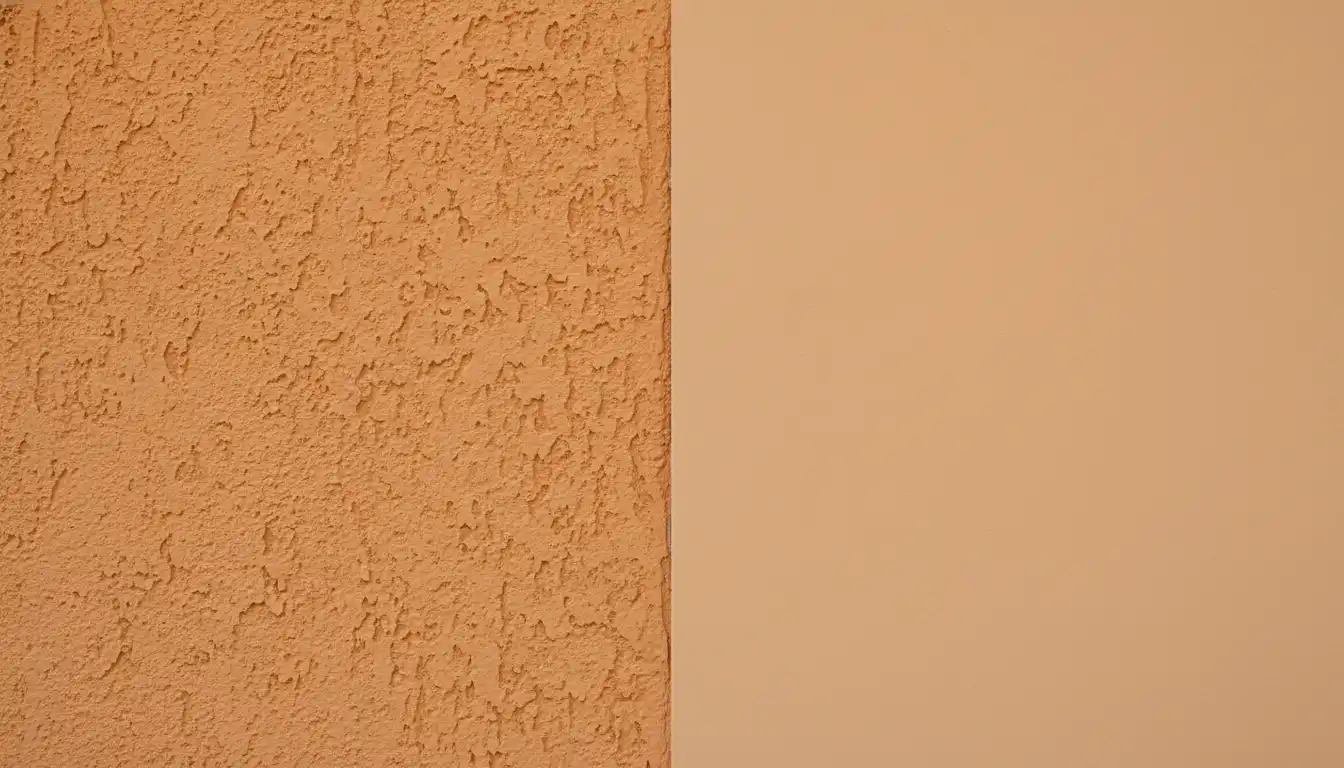
Head-to-Head Comparison: Orange Peel vs. Smooth
Choosing between these two finishes requires a careful evaluation of several key factors. Your budget, lifestyle, home’s style, and long-term plans all play a significant role. What works perfectly for a busy family home might not be the best choice for a sleek, minimalist apartment. Let’s break down the critical differences to help you weigh the pros and cons.
This decision goes beyond simple aesthetics. It’s about balancing cost, durability, ease of maintenance, and the overall feel you want to create in your home. A detailed comparison will illuminate the practical trade-offs involved with each option.
The Deciding Factor for Many: Cost
Cost is often the most significant driver in this decision. There is a substantial price difference between the two finishes, primarily due to the labor involved. Orange peel texture is significantly cheaper and faster to apply. A professional can typically texture an entire room in just a few hours. This efficiency translates directly into lower labor costs.
Conversely, achieving a true Level 5 smooth finish is a multi-day process that requires skilled labor. The multiple layers of skim coating and sanding add up to many more hours on the job. As a result, a smooth finish can cost anywhere from 40% to over 80% more than an orange peel texture. For a standard-sized room, this difference can easily amount to hundreds or even thousands of dollars.
Hiding Sins: Imperfections and Durability
This is where orange peel truly shines. Its primary function is to hide the minor sins of drywall installation—tape lines, seam imperfections, and small patches from repairs. The textured surface breaks up the light, making these flaws virtually invisible to the naked eye. It’s also remarkably durable; everyday bumps and scrapes are less likely to show.
Smooth walls are the opposite; they are completely unforgiving. Every single imperfection, no matter how small, will be visible. The even reflection of light across a flat plane highlights any nail pop, uneven seam, or poorly sanded patch. While durable in terms of material, cosmetic damage is much more apparent and can be more difficult to repair seamlessly.
Cleaning and Long-Term Maintenance
When it comes to cleaning, smooth walls have a clear advantage. The flat surface can be easily wiped down with a sponge or cloth, making them ideal for high-traffic areas, kitchens, and bathrooms. Dust and grime have nowhere to hide. Cleaning textured walls is more challenging. The tiny crevices of the orange peel texture can trap dust, cobwebs, and dirt, requiring a brush or vacuum to clean effectively.
Repair, however, tells a different story. Patching a hole in an orange peel wall is relatively straightforward. After the hole is filled, the texture can be blended in with a specialty spray can or by a professional, making the repair difficult to spot. Repairing a smooth wall is a more delicate art. The patch must be perfectly feathered and sanded to blend flawlessly with the surrounding area, a task that often requires a professional touch to avoid a visible blemish.
Making the Right Choice for Your Home
Ultimately, the best wall finish is the one that best suits your specific circumstances. Consider the style of your home, your budget, and how you live in your space. A rustic farmhouse might feel more authentic with a bit of texture, while a modern condo would be enhanced by the clean lines of smooth walls.
If you’re still undecided, think about your long-term plans. If you dream of one day applying wallpaper, a smooth finish is a prerequisite. If you have a busy household with kids and pets, the forgiving nature of orange peel might save you a lot of stress and repair work. For a balanced perspective, a good primer is essential no matter the finish; discover the best primer after skim coat to ensure your final look is perfect.
| Feature | Orange Peel Texture | Smooth Finish |
|---|---|---|
| Cost | Low (Fast, less labor-intensive) | High (Slow, requires skilled labor) |
| Appearance | Subtle texture, hides flaws | Elegant, modern, and clean |
| Durability | High (Minor damage is camouflaged) | Moderate (Shows all nicks and dents) |
| Imperfection Hiding | Excellent | Poor (Shows all imperfections) |
| Ease of Cleaning | Difficult (Traps dust and dirt) | Easy (Wipes clean easily) |
| Ease of Repair | Easy to blend patches | Difficult to patch seamlessly |
| Resale Value | Standard in many regions | Often perceived as higher-end |
| Best For | High-traffic areas, budget projects, hiding flaws | Modern designs, accent walls, wallpaper application |
The Transition: Can You Go From Textured to Smooth?
What if you currently have orange peel walls but crave a smooth finish? The good news is that you are not stuck. It is absolutely possible to convert textured walls to smooth walls, but it requires significant effort. The process essentially involves creating a Level 5 finish on top of your existing texture.
There are two primary methods for this: sanding or skim coating. Sanding the texture off is an option, but it creates an enormous amount of dust and can potentially damage the drywall paper underneath. For this reason, skim coating is the universally recommended method. This involves applying thin layers of joint compound over the entire textured surface until the bumps are filled and the wall is smooth. It’s the same process used to create a smooth finish from scratch and is best left to experienced professionals for a flawless result. The dust created can be a major issue, so learning how to clean drywall dust off vinyl floors and other surfaces is crucial before you begin.
The Skim Coating Process: A Brief Overview
Achieving a smooth finish over texture is a methodical process that demands patience and a steady hand. It’s more than just slapping mud on a wall; it’s an art form that transforms a bumpy surface into a pristine canvas.
The first step is always preparation. Walls must be thoroughly cleaned to remove any grease or grime, and any major imperfections like holes or cracks must be repaired. A professional will then apply the first skim coat with a wide drywall knife or trowel, pulling the compound tightly across the surface to fill in the low spots of the texture. This coat is left to dry completely before being lightly sanded to knock down any high spots or tool lines. This process is repeated, typically for two to three coats, until the wall is perfectly smooth. The final step is a thorough sanding with fine-grit sandpaper, followed by priming and painting. For exterior projects, the principles are similar but require different materials, such as when you decide to paint a brick retaining wall.
Final Verdict: Which Finish Wins?
There is no single “winner” in the orange peel vs. smooth debate. The best choice is highly personal. Orange peel texture is the pragmatic, cost-effective, and durable option. It’s a workhorse finish that excels at hiding imperfections and standing up to daily life, making it a smart choice for builders and budget-conscious homeowners alike.
A smooth finish is the aspirational, high-end choice that delivers unmatched elegance and a modern aesthetic. While it comes with a higher price tag and demands perfection in its execution, the result is a sophisticated backdrop that elevates a home’s design. The “right” answer depends on your priorities: Do you value forgiveness and affordability, or are you striving for a flawless, high-design look? By carefully weighing the factors of cost, durability, maintenance, and style, you can confidently choose the wall finish that will not only look great but will also serve your home and lifestyle perfectly for years to come.
