
Warning: Don’t Plant an Orange Berry Tree in Florida Until You Read This
You’ve envisioned it: a stunning tree in your Florida garden, dripping with vibrant orange berries that add a pop of color and life to your landscape. It seems like a simple goal, but this quest often leads homeowners down a path of confusion, frustration, and sometimes, regret. The term “orange berry tree” is a deceptive blanket term covering a wide range of plants, some of which are perfect for Florida, while others can be thorny, toxic, or prone to devastating diseases.
The core problem is one of mistaken identity. Choosing the wrong tree can lead to a constant battle with pests, a safety hazard for pets and children, or a plant that simply fails to thrive in Florida’s unique climate. This guide is designed to eliminate that confusion, providing a clear, authoritative path to selecting, planting, and caring for the perfect orange-berried tree that will not only survive but become a stunning centerpiece in your home garden.
You'll Learn About
The Great Imposters: Unmasking Florida’s “Orange Berry” Trees
The first step to success is knowing exactly what you’re dealing with. Several popular plants fit the “orange berry tree” description in Florida, but they have vastly different needs and characteristics. Understanding these differences is the single most important factor in making a choice you’ll be happy with for years to come.
From thorny barrier plants to native, salt-tolerant gems, each has a role to play. Some even offer delicious fruit, while others harbor hidden dangers. Let’s peel back the layers and identify the main contenders and pretenders in the world of orange berry trees.
Firethorn (Pyracantha): The Thorny Showstopper
Firethorn, or Pyracantha, is often the first plant that comes to mind. It’s an evergreen shrub that can be trained into a small tree, famous for its dense clusters of brilliant orange or red berries in the fall and winter. Its appeal is undeniable; a mature Firethorn in full fruit is a spectacular sight that provides an important food source for birds.
However, its beauty comes with two significant caveats. First, as its name suggests, Firethorn is armed with formidable thorns, making it an excellent barrier plant but a challenge to prune. Second, it is highly susceptible to a bacterial disease called fire blight, which can cause branches to blacken and die back, requiring vigilant management.
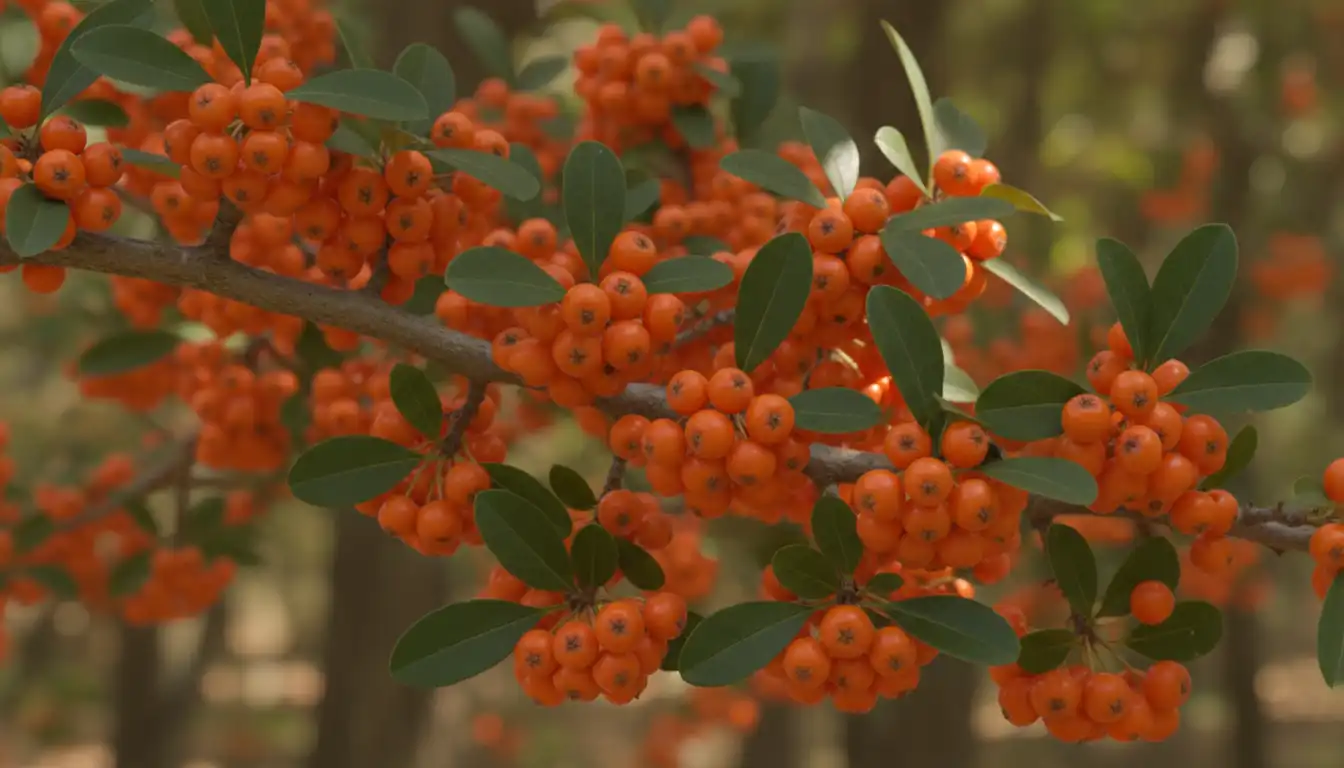
Christmas Berry (Lycium carolinianum): The Native Coastal Gem
For those seeking a native Florida option, the Christmas Berry is an outstanding choice. This plant is a true local, found naturally in coastal areas and salt marshes. It’s an evergreen shrub that can reach heights of up to 8 feet, producing small, succulent-like leaves and lavender flowers that give way to bright red-orange berries in the winter.
Its greatest strength is its incredible tolerance for salt spray and moist, saline soils, making it perfect for coastal landscapes. While the berries are a favorite of local bird populations, it’s important to note they can be toxic to pets if ingested in large quantities. This plant thrives in full sun and helps support Florida’s native ecosystem.
Loquat (Eriobotrya japonica): The Edible Surprise
Often called Japanese Plum, the Loquat is a fast-growing evergreen tree that produces clusters of small, round, orange-yellow fruits in the spring. While technically not berries, the fruits are often perceived as such. The best part? The fruit is delicious and edible, with a sweet, tangy flavor reminiscent of a peach or apricot.
Loquat trees are well-adapted to Florida’s climate and can reach up to 25 feet tall, providing ample shade. They are relatively low-maintenance but, like Firethorn, can be susceptible to fire blight. The fruit drop can also be messy, so it’s best to plant it away from patios or walkways. Despite this, its fragrant fall flowers and tasty spring fruit make it a homeowner favorite.
Jerusalem Cherry (Solanum pseudocapsicum): The Toxic Lookalike
This is the plant you must be able to identify and, in most cases, avoid. Jerusalem Cherry is not a tree but a small shrub, often grown as a houseplant or annual. It produces perfectly round, bright orange-red berries that look deceptively like cherry tomatoes. The critical issue is that all parts of this plant, especially the unripe berries, are poisonous.
If ingested, Jerusalem Cherry can cause serious gastrointestinal distress in humans, and it is toxic to dogs, cats, and horses. Because of its appealing berries, it poses a significant risk to curious children and pets. While ornamental, the danger it presents means it should not be planted in accessible garden areas.
Side-by-Side: The Ultimate Orange Berry Tree Comparison
Choosing the right plant becomes much easier when you can see their characteristics laid out clearly. This table provides a quick, at-a-glance comparison of the top contenders for your Florida garden. Use it to match a plant’s features with your specific needs, from maintenance level to safety concerns.
| Feature | Firethorn (Pyracantha) | Christmas Berry (Lycium) | Loquat (Eriobotrya) | Jerusalem Cherry (Solanum) |
|---|---|---|---|---|
| Plant Type | Evergreen Shrub/Small Tree | Native Evergreen Shrub | Evergreen Fruit Tree | Perennial Shrub/Annual |
| Mature Size | 6-15 ft tall | 3-8 ft tall | 15-25 ft tall | 1-3 ft tall |
| Sunlight Needs | Full Sun to Part Shade | Full Sun | Full Sun | Full Sun |
| Toxicity | Berries mildly toxic (can cause upset stomach) | Berries toxic to pets in large amounts | Fruit is edible (seeds are toxic) | Highly Toxic to humans and pets |
| Key Advantage | Stunning berry display, great barrier | Native, salt-tolerant, supports wildlife | Delicious edible fruit, provides shade | Ornamental (for careful placement) |
| Main Drawback | Large thorns, susceptible to fire blight | Can become leggy without pruning | Messy fruit drop, susceptible to fire blight | Very poisonous |
From Ground to Garden: Your Florida Planting Blueprint
Once you’ve selected your ideal tree, proper planting is crucial for establishing a strong, healthy root system. The hot, often sandy conditions in Florida require a specific approach to give your new plant the best possible start in life.
Rushing this process is a common mistake that can lead to a weak, stressed tree that is more susceptible to pests and diseases down the line. Following these steps will ensure your tree establishes quickly and thrives for years.
Step 1: Location, Location, Location
Before you dig, confirm your chosen spot meets the tree’s needs. Most of these plants require at least 6 hours of direct sunlight to produce abundant flowers and berries. Pay close attention to soil drainage. Florida’s sandy soil often drains well, but if you have heavy clay or a low-lying area that holds water, you may need to amend the soil or plant on a slight mound.
Step 2: The Perfect Hole
Dig a hole that is two to three times as wide as the root ball but only as deep as the root ball itself. Planting too deep is a leading cause of tree failure. The goal is to have the top of the root ball level with or slightly above the surrounding ground.
Step 3: Planting and Backfilling
Gently remove the tree from its container and inspect the roots. If they are circling the pot, carefully tease them apart to encourage outward growth. Place the tree in the center of the hole and backfill with the native soil you removed. There’s generally no need to add heavy amendments to the planting hole itself; it’s better for the tree to adapt to the native soil from the start.
Step 4: Watering and Mulching
Water the newly planted tree thoroughly to settle the soil and eliminate air pockets. Apply a 2- to 3-inch layer of mulch around the base of the tree, keeping it several inches away from the trunk itself. Mulch helps retain soil moisture, regulate temperature, and suppress weeds.
Solving Common Problems Before They Start
Even the healthiest tree can face challenges. The key to a vibrant, beautiful plant is proactive care and knowing how to spot and solve common issues like pests and diseases. A little vigilance goes a long way in maintaining the health of your landscape investment.
In Florida’s warm, humid climate, fungal diseases and insect pests can proliferate quickly. Addressing these problems early is far more effective than trying to rescue a heavily infested or infected plant.
Disease Defense: The Fight Against Fire Blight
Fire blight is the number one enemy of Firethorn and Loquat trees. This bacterial disease causes new growth to look scorched, with blackened leaves and stems that often curl into a “shepherd’s hook” shape. There is no chemical cure for fire blight, so management is key.
To prevent it, ensure good air circulation by not planting trees too close together. If you see signs of infection, immediately prune the affected branch at least 12 inches below the diseased portion, sterilizing your pruning tool with rubbing alcohol between each cut. Avoid high-nitrogen fertilizers, which encourage susceptible new growth.
Pest Management: Keeping Unwanted Guests Away
Aphids, scale insects, and spider mites are common pests on many ornamental trees in Florida. They feed on plant sap, causing leaves to yellow, curl, or drop prematurely. Often, a strong spray of water from a hose is enough to dislodge them.
For more persistent infestations, insecticidal soap or horticultural oil are effective, low-impact solutions. Always apply these treatments in the early morning or late evening to avoid scorching the leaves in the hot Florida sun.
Pruning for Health and Abundant Berries
Proper pruning not only shapes your tree but also encourages better berry production and overall health. For berry-producing trees like Firethorn and Christmas Berry, it’s best to prune right after they finish flowering. These plants produce berries on old wood, so pruning too late in the season will remove the growth that would have produced the next crop of berries.
For Loquat trees, prune after you’ve harvested the fruit to shape the canopy and remove any dead or crossing branches. Regular pruning improves air circulation, which is a primary defense against fungal diseases and fire blight.
Proactive Home and Garden Maintenance Solutions
Maintaining your landscape is part of a larger picture of homeownership. Often, issues in the garden can highlight or intersect with other maintenance needs around your property. Being prepared for these situations ensures small problems don’t turn into major headaches.
For instance, a heavy branch from a fruit tree might be supported by a trellis attached to an exterior wall. If that support structure weakens, you’ll need the right hardware for the job. Knowing how to use specific fasteners, like reliable particle board screw anchors for composite materials, can prevent structural damage and keep your garden features secure.
Tree placement is another critical consideration. Planting a large tree too close to your home’s foundation or utility lines can lead to future conflicts. This is especially true near outdoor functional areas. An invasive root system could eventually compromise plumbing or even cause an outdoor kitchen sink falling down by destabilizing its mounting. Thinking ahead prevents these costly repairs.
Seasonal maintenance provides a perfect opportunity to check on both your home and garden. While you’re tending to your plants, you can also tackle other routine tasks. Don’t let a frustrating chore like a smoke alarm battery drawer stuck inside the house distract you from noticing the early signs of pests on your prized orange berry tree outside. A holistic approach to home maintenance saves time and protects your entire property.
Frequently Asked Questions
Navigating the choices for an orange berry tree in Florida can bring up many questions. Here are answers to some of the most common queries from homeowners.
Are orange berry trees poisonous to dogs in Florida?
It depends entirely on the species. The berries of Jerusalem Cherry are highly toxic to dogs. Christmas Berry can be toxic if consumed in large quantities. Firethorn berries are mildly toxic and can cause stomach upset. Loquat fruit is safe and edible, but the seeds are poisonous. Always identify the specific plant and consult a veterinarian if you suspect your pet has ingested any part of it.
How fast do these trees grow in Florida?
Loquat trees are known for their rapid growth, often adding several feet per year. Firethorn and Christmas Berry have a moderate growth rate. Your tree’s growth will be influenced by factors like sunlight, water, and soil quality.
When is the best time to plant a tree in Florida?
The ideal time to plant trees and shrubs in Florida is during the fall and winter months. Planting between October and February allows the root system to get established during the cooler, drier season before the stress of the hot, rainy summer begins.
Embrace Vibrant, Year-Round Color in Your Garden
Choosing an “orange berry tree” for your Florida landscape is a fantastic way to add dynamic color, support local wildlife, and enhance your home’s curb appeal. The key to success is moving beyond the generic label and understanding the specific plants that fit the description. By identifying the right species for your needs—whether it’s the native resilience of the Christmas Berry, the edible delight of the Loquat, or the defensive beauty of the Firethorn—you can avoid common pitfalls.
With informed selection, proper planting techniques, and proactive care, you can cultivate a stunning and healthy tree that brings you joy for many years. Your vision of a garden filled with vibrant orange berries is well within reach.
