
Front Door Opens Into Dining Room? Here’s How to Fix It
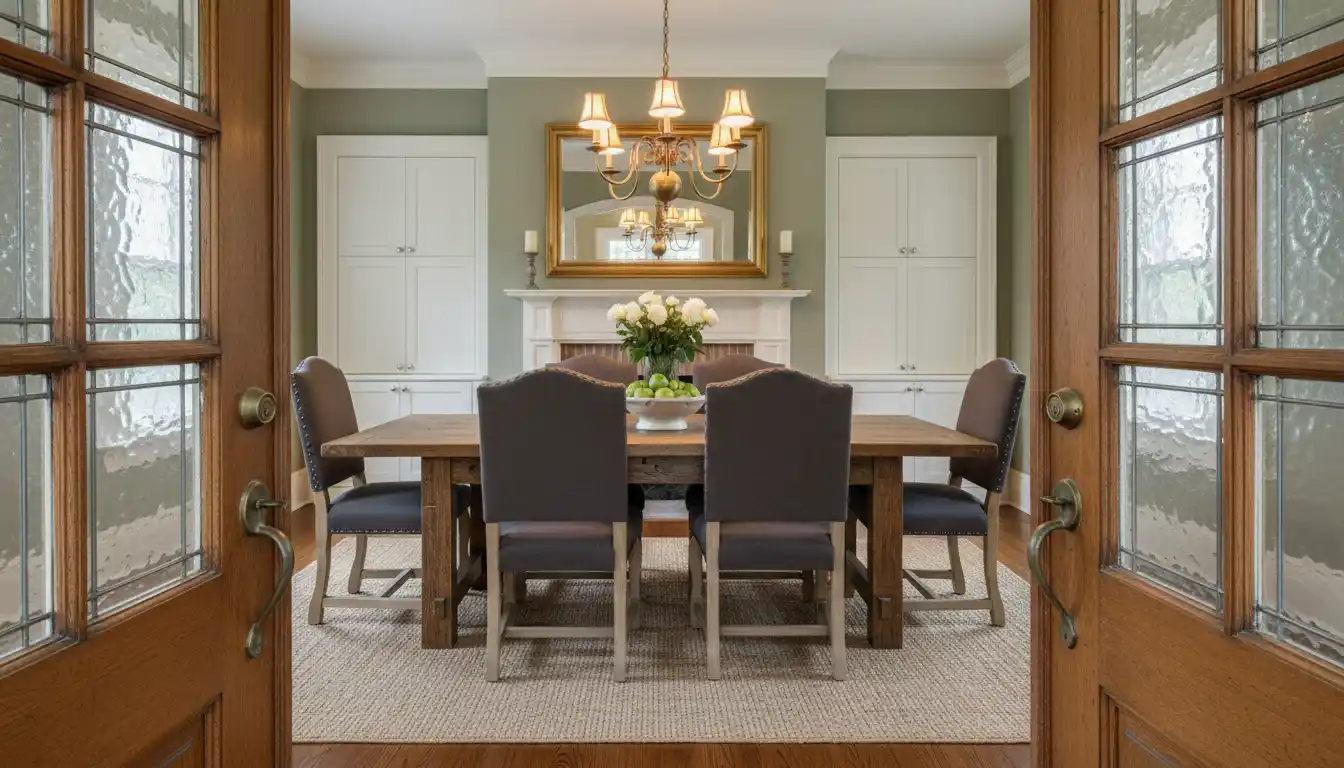
You swing open your front door, ready to welcome guests, and they walk straight into… your dining room. This common architectural quirk can feel awkward and unwelcoming, leaving you with a space that doesn’t quite make a great first impression. It’s a design dilemma that plagues many homeowners, creating a sense of confusion and a lack of privacy right at the entrance of the home.
This layout often stems from space-saving designs in smaller homes or open-concept plans that haven’t been fully optimized. The result is a missing transitional zone, a proper entryway that allows for a gentle welcome before plunging into a designated living area. Without this buffer, your dining space is constantly exposed to outside elements, and the flow of your home can feel disjointed and impractical.
You'll Learn About
Why a Direct Dining Room Entry is a Problem
When your front door opens directly into the dining room, it presents a unique set of challenges that can disrupt the harmony and functionality of your home. It’s a common feature in many houses, yet it often leaves homeowners struggling to create a space that feels both welcoming and practical. Understanding the core issues is the first step toward finding effective solutions.
One of the primary concerns is the lack of a defined entryway, which can lead to a host of functional and aesthetic problems. This can make your home feel less organized and can even impact the overall atmosphere of your living space. Let’s delve into the specific reasons why this layout can be so problematic for daily living and for entertaining guests.
Loss of a “Drop Zone”
A proper entryway serves as a crucial “drop zone” for everyday items. It’s the designated spot for keys, mail, shoes, coats, and bags. Without this area, these items inevitably spill into your dining space, cluttering the table and chairs. This not only looks messy but also makes it harder to keep your dining area ready for meals, turning it into a chaotic storage ground instead of a place for gathering.
This constant clutter can create a sense of stress and disorder right as you walk in the door. It undermines the calm and inviting atmosphere you want to cultivate in your home. The simple act of coming home can feel disorganized when there isn’t a dedicated space to transition from the outside world to your private sanctuary.
Awkward First Impressions
First impressions matter, and having guests step immediately into your dining area can feel abrupt and unwelcoming. An entryway provides a moment of transition, allowing visitors to orient themselves before moving into the more personal areas of your home. A direct entry into the dining room can make guests feel like they are intruding on a private, family-centric space.
This layout can also feel less formal and intentional, which might not be the impression you want to give. It can be particularly uncomfortable during dinner parties, as late-arriving guests walk directly into an ongoing meal. Creating a sense of arrival is key to making your home feel thoughtfully designed and hospitable.
Privacy and Feng Shui Concerns
From a privacy standpoint, a front door that opens into the dining room offers a direct sightline into your home for anyone at the door. This can make you feel exposed and vulnerable, especially in the evenings. Having a clear view of your dining area from the outside can detract from the feeling of it being a private, protected space for your family.
In the principles of Feng Shui, the front door is known as the “mouth of chi,” where energy enters your home. A direct line from the front door to the dining area can cause this energy to rush through the space too quickly, leading to a feeling of unrest. A well-designed entryway helps to slow down and distribute this energy, promoting a more harmonious and balanced home environment.
Solutions: Creating a Functional and Inviting Entryway
Transforming an awkward entrance into a welcoming and functional space is entirely achievable with the right design strategies. The goal is to create a visual and functional separation that defines an entryway without necessarily building walls. By using furniture, decor, and clever zoning techniques, you can establish a proper transitional area that enhances your home’s flow and appeal.
These solutions range from simple, budget-friendly ideas to more involved changes, allowing you to choose the approach that best suits your home and lifestyle. The key is to think creatively about how you can carve out a dedicated entry space, even in an open-concept layout. Let’s explore some practical and stylish ways to solve the “front door opens into dining room” dilemma.
1. Define the Space with Furniture
One of the most effective ways to create the illusion of an entryway is through the strategic placement of furniture. A slim console table placed against the wall next to the door immediately signals an entry point. It provides a surface for keys and mail, instantly creating a functional drop zone. This simple addition can transform the area from a pass-through space to a designated foyer.
A bench is another excellent choice, offering a place to sit and remove shoes. Look for a bench with built-in storage to keep footwear out of sight. Placing a tall, open-shelving bookcase perpendicular to the wall can also act as a room divider, creating a distinct entryway without blocking light or making the space feel cramped. For more complex layouts, you might find inspiration in addressing various bad floor plans examples to see how furniture can redefine a space.
2. Use Rugs to Create Zones
Never underestimate the power of a good rug to define a space. A durable, stylish runner or a small area rug placed just inside the front door can create a visual cue that this is the entryway. This simple addition helps to delineate the entry zone from the dining area, creating a clear and intentional separation. The rug also serves the practical purpose of trapping dirt and protecting your dining room floor.
Choose a rug that complements your dining room decor but is distinct enough to establish its own zone. The texture and color of the rug can add warmth and personality to the entrance, making it feel more welcoming. This technique is particularly effective in open-concept spaces where physical dividers are not an option.
3. Leverage Lighting and Mirrors
Lighting plays a crucial role in defining different areas within a home. A stylish pendant light or a chic flush mount fixture hanging over your newly created entry space can anchor the area and make it feel like a distinct room. This not only illuminates the entrance but also draws the eye, reinforcing the idea of a separate foyer.
A mirror is another essential element for any entryway. Hanging a large mirror on the wall near the door can make a small space feel larger and brighter by reflecting light. It also provides a convenient spot to check your appearance before heading out. The frame of the mirror can add a decorative touch that enhances the style of your entrance.
4. Build a Half Wall or Pony Wall
For a more permanent solution, consider building a half wall, also known as a pony wall. This low wall creates a physical barrier that separates the entryway from the dining room without completely closing off the space. It provides a clear sense of division while maintaining an open and airy feel.
A pony wall can also be a functional addition. You can top it with a small ledge for placing mail or decorative items. This structural change can make a significant impact on the flow and feel of your home, turning a design flaw into a deliberate and stylish feature.
5. Get Creative with Wall Treatments
Differentiating the entryway with a unique wall treatment can be a powerful way to define the space. Consider painting the wall around the door a different color or using a bold wallpaper to create a focal point. This visual distinction sets the entry area apart from the rest of the room, giving it its own identity.
Another option is to add architectural details like wainscoting or board and batten to the entry walls. These elements add texture and character, making the space feel more intentional and thoughtfully designed. This approach allows you to create a high-impact entryway without taking up any floor space.
| Solution | Pros | Cons | Best For |
|---|---|---|---|
| Furniture Placement | Flexible, easy to implement, adds storage and function. | Can take up valuable floor space in smaller areas. | Renters and those looking for a non-permanent solution. |
| Area Rugs | Affordable, defines space without physical barriers, adds style. | May require frequent cleaning, can be a tripping hazard. | Open-concept layouts and budget-conscious decorators. |
| Lighting & Mirrors | Enhances light, makes space feel larger, adds decorative element. | May require electrical work for new fixtures. | Small or dark entryways that need a brighter feel. |
| Half Wall (Pony Wall) | Permanent, creates clear separation, adds architectural interest. | Requires construction, less flexible than other options. | Homeowners planning a renovation or seeking a substantial change. |
| Wall Treatments | High visual impact, doesn’t use floor space, can be a DIY project. | Can be time-consuming, wallpaper may be difficult to remove. | Creating a strong focal point and adding personality. |
Advanced Strategies for a Seamless Transition
Once you’ve established a basic entryway, you can elevate the design with more advanced strategies. These ideas focus on creating a cohesive and highly functional space that feels like it was always meant to be there. By paying attention to the finer details, you can craft an entrance that is both beautiful and practical.
These techniques often involve multi-functional furniture and thoughtful decor choices that enhance the overall flow of your home. They can turn a simple fix into a sophisticated design statement. Let’s explore some next-level solutions for creating a seamless transition from your front door to your dining room.
Multi-Functional Furniture
In a small space, every piece of furniture should work hard. Look for a console table with drawers for hidden storage or a bench that opens up to store shoes and bags. A hall tree can be an all-in-one solution, offering hooks for coats, a bench for seating, and cubbies for storage. This approach maximizes functionality without cluttering the area.
Consider how furniture can serve both the entryway and the dining room. A stylish sideboard or buffet can be placed near the door to act as a drop zone, while also providing storage for dining linens and serving pieces. This creates a natural and cohesive link between the two spaces. In a similar vein, when designing your kitchen, you might consider a kitchen peninsula without seating to improve flow and functionality in an open-concept area.
Create a Focal Point
To draw attention away from the awkward layout, create a strong focal point in your new entryway. This could be a stunning piece of artwork, a beautifully framed mirror, or a vibrant wallpaper. The idea is to give the eye something captivating to focus on, making the entrance feel intentional and thoughtfully curated.
A well-styled console table can also serve as a focal point. Arrange a collection of your favorite decorative objects, a beautiful lamp, and a vase of fresh flowers to create an inviting vignette. This personal touch will make your entryway feel warm and welcoming, setting a positive tone for the rest of your home.
Embrace Vertical Space
When floor space is limited, think vertically. Wall-mounted shelves and hooks are excellent for storing coats, bags, and keys without taking up any room on the floor. Floating shelves can be used to display art and decorative items, adding personality and style to the entrance.
Consider a tall, narrow cabinet or bookcase to provide ample storage while maintaining a small footprint. This draws the eye upward, making the space feel taller and more open. Utilizing vertical space is a smart way to maximize storage and create a functional entryway in even the most compact of areas.
Final Thoughts on Reclaiming Your Dining Space
Living with a front door that opens directly into the dining room doesn’t have to be a source of frustration. With a bit of creativity and strategic planning, you can transform this awkward layout into a functional, stylish, and welcoming entrance. By defining the space, adding practical storage, and creating a strong focal point, you can craft an entryway that makes a great first impression.
Remember that the goal is to create a sense of transition and order. Whether you opt for a simple rug and console table or decide to build a pony wall, these solutions will help you reclaim your dining space for its intended purpose. A well-designed entryway not only enhances the functionality of your home but also contributes to a more harmonious and inviting atmosphere for you and your guests.
Don’t be afraid to experiment with different layouts and decor to find what works best for your home. Even small changes can make a big difference in how your space feels and functions. Embrace the challenge and create an entryway that you’ll be proud to welcome people into.
