
Olivia Rose Forum: Unlock Perfect Blooms & End Garden Frustration
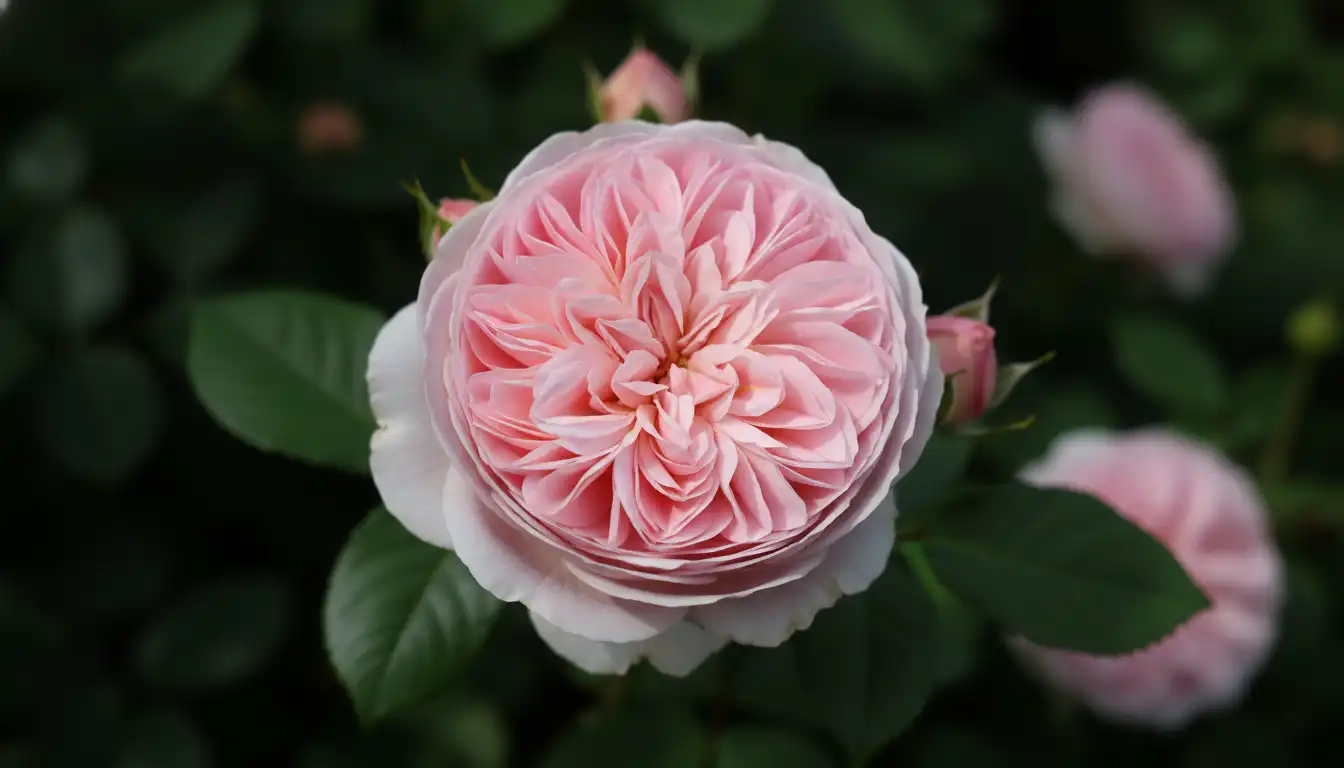
The Olivia Rose Austin is celebrated for its stunning, soft pink rosette blooms and remarkable disease resistance. Yet, many gardeners find themselves scrolling through forums, asking why their prized rose isn’t thriving. Common frustrations include a lack of repeat flowering, battles with black spot despite its reputation, and weak stems that cause the beautiful flowers to droop.
These issues often stem not from the rose itself, but from foundational mistakes in its care and environment. Understanding the specific needs of this David Austin variety is the key to transforming a struggling plant into the centerpiece of your garden. This guide provides the solutions to the most common problems discussed in any Olivia Rose forum, ensuring you achieve garden success.
You'll Learn About
Decoding the Distress Signals of Your Olivia Rose
Before diving into solutions, it is crucial to understand the root causes of common issues. Gardeners often face a few recurring problems with this otherwise resilient shrub rose. Identifying the underlying cause is the first step toward a healthier, more vibrant plant.
One of the most frequent complaints involves diminished blooming after the first flush. Another prevalent issue is the appearance of fungal diseases like black spot, which can be disheartening for those who chose the rose for its advertised resistance. Weak, floppy stems that cannot support the weight of the blooms are also a common source of frustration for enthusiasts.
The Mystery of Vanishing Blooms
The Olivia Rose Austin is known for being a reliable repeat bloomer, but when the flowers stop, it’s typically due to environmental stress or improper care. Insufficient sunlight is a primary culprit. These roses require at least six hours of direct sun per day to produce the energy needed for continuous flowering.
Nutrient deficiency is another major factor. Roses are heavy feeders, and the soil’s resources can be quickly depleted, especially in a container. Without proper and timely fertilization, the plant will lack the essential building blocks for producing its signature cupped rosettes.
Why Disease Resistance Isn’t a Guarantee
While the Olivia Rose Austin has excellent natural resistance to diseases, it is not entirely immune, especially under unfavorable conditions. Poor air circulation is a significant contributor to fungal problems like black spot and powdery mildew. When plants are spaced too closely or surrounded by dense foliage, moisture lingers on the leaves, creating a perfect breeding ground for spores.
Improper watering techniques also play a huge role. Wetting the foliage, especially in the evening, allows fungal spores to germinate and spread overnight. Consistent moisture on the leaves is a direct invitation for disease, undermining the plant’s inherent resilience.
Understanding Weak Stems and Drooping Flowers
A common topic in forums is the disappointment of heavy, beautiful blooms that nod or droop due to weak stems. This “floppy” habit can be particularly pronounced in young plants that have not yet developed a strong woody structure. The plant may be directing its energy into producing large flowers at the expense of robust cane development.
Improper pruning can exacerbate this issue. If the shrub is allowed to grow too tall and spindly without corrective pruning, the stems will not be thick enough to support the weight of the approximately 90 petals each bloom holds. This leads to the characteristic drooping that hides the flower’s beauty.
A Strategic Guide to a Flawless Olivia Rose Austin
Achieving a picture-perfect Olivia Rose is not about luck; it’s about a systematic approach to its care. By addressing the core needs of the plant—from its location in the garden to the way you prune and feed it—you can solve the very problems that send gardeners searching for answers. This section provides actionable, expert-level solutions.
Foundational Excellence: Site Selection and Soil
The long-term health of your rose begins well before you even plant it. Choosing the right location is the single most important factor for success. Select a spot that receives a minimum of six hours of direct sunlight daily. Good air circulation is equally critical to help prevent fungal diseases before they start.
Roses thrive in fertile, well-drained soil. Amend your garden soil with plenty of organic matter, such as compost or aged manure, to improve its structure and nutrient content. This creates a robust foundation that supports vigorous growth and prolific blooming.
Mastering the Art of Watering and Feeding
Proper watering is fundamental to a healthy rose. Water deeply at the base of the plant about once a week, or more frequently during dry spells, ensuring the soil remains consistently moist but not waterlogged. Avoid overhead watering to keep the foliage dry and discourage black spot.
A consistent feeding schedule will fuel the repeat blooming you desire. Use a balanced, rose-specific fertilizer in early spring as new growth emerges. Continue to feed after each flush of blooms to replenish nutrients and encourage the next wave of flowers.
Pruning for Strength and Abundant Blooms
Pruning is not just about size control; it is about shaping a strong, healthy plant. In late winter or early spring, remove any dead, damaged, or crossing stems. Then, shorten the remaining healthy canes by about one-third to one-half, making your cuts just above an outward-facing bud to encourage an open, vase-like shape.
This “harder” pruning encourages the plant to produce stronger, thicker stems capable of supporting its large, multi-petaled flowers. Regular deadheading of spent flowers throughout the growing season is also crucial, as it redirects the plant’s energy into producing more blooms rather than seeds.
Advanced Techniques for the Dedicated Gardener
Once you have mastered the basics, several advanced strategies can elevate your Olivia Rose from beautiful to breathtaking. These techniques focus on creating a holistic garden environment and fine-tuning your care routine to maximize the plant’s potential. These are the secrets that experienced gardeners share in forums.
The Power of Companion Planting
Companion planting is more than just an aesthetic choice; it can significantly improve the health of your rose. Planting companions like lavender, nepeta (catmint), or stachys (lamb’s ear) around your Olivia Rose can help deter pests and attract beneficial insects. The silvery foliage of these plants also beautifully complements the soft pink of the rose blooms.
Perennials with blue or purple flowers, such as salvia or geraniums, create a stunning color contrast that makes the pink rosettes pop. These companion plants also help to cover the bare lower stems of the rose bush, creating a fuller, more integrated look in the garden bed. This approach to garden design also helps create a relaxing outdoor space, perhaps complemented by comfortable seating. Reading Sherrill sofa reviews can help in choosing furniture that enhances your enjoyment of the garden’s beauty.
A Proactive Approach to Pest and Disease Control
While Olivia Rose is disease-resistant, a proactive mindset is key to keeping it pristine. At the first sign of black spot, remove and dispose of the affected leaves immediately to prevent spores from spreading. Do not add these leaves to your compost pile.
For persistent issues, an organic fungicide containing sulfur or neem oil can be effective when applied according to package directions. Maintaining a clean garden environment by removing fallen leaves and debris from the base of the plant is also a simple yet powerful preventative measure. For those considering bringing the beauty of their garden indoors, the choice of flooring can be important for rooms that transition to the outdoors. Insights from Mayflower flooring reviews might offer durable and stylish options.
Building a Resilient Plant Ecosystem
True garden mastery involves creating a self-sustaining ecosystem. Focus on building healthy soil rich in microbial life by consistently adding compost and organic mulch. This living soil not only feeds the plant but also helps it develop a stronger immune system to fight off diseases naturally.
Encourage biodiversity by planting a variety of flowers that attract predatory insects like ladybugs and lacewings, which will help control aphid populations. For gardeners interested in expanding their collection of plants, learning propagation techniques like those used in crepe myrtle air layering can be a rewarding next step, applying similar principles of encouraging strong root development.
Your Olivia Rose Austin Troubleshooting Guide
Even with the best care, specific issues can arise. This table serves as a quick-reference guide to diagnose and solve the most common problems discussed in online gardening forums, helping you address concerns swiftly and effectively.
| Symptom | Potential Cause | Solution |
|---|---|---|
| Yellow leaves with green veins | Iron deficiency (chlorosis), often due to high soil pH. | Apply a chelated iron supplement. Test and amend soil pH if necessary to be slightly acidic to neutral. |
| Few or no flowers after the first flush | Insufficient sunlight, lack of nutrients, or not deadheading. | Ensure 6+ hours of sun. Fertilize with a bloom-boosting formula after the first bloom cycle. Deadhead spent flowers promptly. |
| Black spots on leaves, followed by yellowing and leaf drop | Fungal disease (black spot), worsened by wet foliage and poor air circulation. | Remove and destroy affected leaves. Water at the base of the plant in the morning. Improve air circulation through proper pruning. |
| White, powdery coating on leaves and buds | Fungal disease (powdery mildew), common in humid conditions with poor airflow. | Increase air circulation. Apply a fungicide like neem oil or potassium bicarbonate spray. Ensure proper plant spacing. |
| Heavy blooms cause stems to bend and droop | Weak stems on a young plant or improper pruning. | Prune the rose back by one-third to one-half in late winter to encourage sturdier cane growth. Provide temporary support if needed. |
| “Octopus arms” or long, unruly canes | Vigorous growth, often encouraged by too much nitrogen fertilizer. | Reduce nitrogen-heavy fertilizers. Prune these long canes back to be in line with the overall shape of the shrub. |
A Final Word on Patience and Observation
Gardening with roses is a journey that rewards patience and careful observation. It often takes a new rose, especially an own-root variety, a couple of years to become fully established and perform at its best. During this time, focus on building a strong root system and a healthy plant structure.
Regularly inspect your Olivia Rose for any signs of stress or disease. By catching issues early and applying the targeted solutions in this guide, you will move beyond the common frustrations and unlock the spectacular potential of this truly exceptional David Austin rose.
