
Old Meeting House Furniture: Beyond the Museum Look
There’s an undeniable pull to old meeting house furniture. It speaks of a quieter time, of thoughtful craftsmanship, and a focus on pure function. You see a simple, Shaker-style bench or a starkly elegant pine table, and you envision a home filled with calm, history, and authentic character. The problem begins when you bring that piece home.
Suddenly, your living room feels less like a cozy haven and more like a historical exhibit. The piece you admired for its austerity now seems just plain cold. It clashes with your comfortable sofa, looks awkward next to your modern art, and an air of stiffness settles over the room. This is the number one challenge homeowners face: integrating the severe beauty of this style without creating a space that feels unwelcoming or dated.
Many people make the mistake of either going too far, creating a themed room that feels like a stage set, or not going far enough, leaving the antique piece looking like an odd, isolated relic. The result is a home that doesn’t feel cohesive or personal. The dream of timeless charm becomes a daily decorating puzzle, leaving you frustrated and wondering if this beautiful, historic furniture can ever truly belong in a modern home.
You'll Learn About
Unpacking the Soul of Simplicity: What Is Old Meeting House Furniture?
Before you can successfully decorate with it, it helps to understand the philosophy behind old meeting house furniture. This style is deeply rooted in the principles of religious groups like the Quakers and Shakers, who valued simplicity, utility, and humility in all aspects of life, including their furnishings. Their meeting houses were places of quiet contemplation, and the furniture reflected that ethos perfectly.
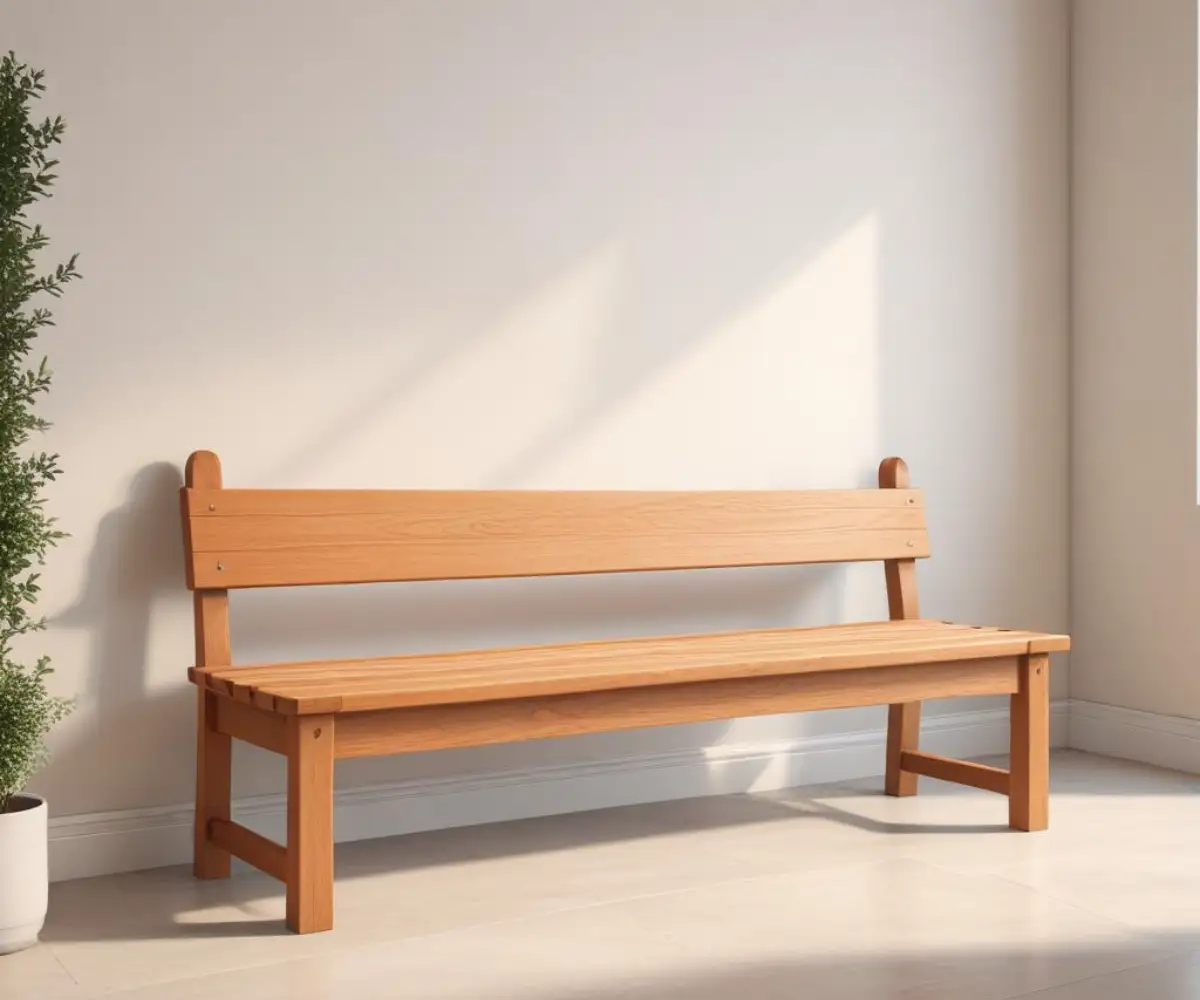
The core characteristics are unmistakable. Think clean, straight lines, a complete lack of ornamentation, and an unwavering focus on functionality. These pieces were built to last, not to impress. Craftsmanship was paramount, with visible joinery like dovetails often being the only decorative element, showcasing the skill of the maker rather than adding superfluous flair. Peg rails, simple benches, ladder-back chairs, and trestle tables are iconic examples of this form-follows-function design.
The materials were honest and local. Cabinetmakers used woods like pine, maple, cherry, and oak, often finishing them with a simple stain, wax, or milk paint that enhanced the natural grain rather than obscuring it. This connection to natural materials is a huge part of its enduring appeal today, offering a welcome respite from a world of mass-produced, synthetic goods. Understanding this history is key to appreciating that its “plainness” is not a lack of style, but a deliberate and deeply thoughtful design choice.
The Decorating Trap: Why Historical Furniture Can Feel Cold and Stiff
The primary reason old meeting house furniture can make a room feel like a museum is the failure to create balance. When every piece in a room adheres to the same historical period and austere aesthetic, the space loses its sense of being a lived-in, evolving home. It can become a static, one-note display that feels impersonal and unwelcoming.
Another common misstep is ignoring the importance of texture and softness. The clean lines and hard surfaces of this furniture style, while beautiful, need a counterpart to feel comfortable and inviting in a home setting. Without the addition of soft textiles, varied textures, and personal items, the room can feel stark and utilitarian rather than cozy and relaxing.
Finally, color palette plays a crucial role. Pairing dark, antique wood with stark white walls can create a high-contrast, gallery-like effect that feels cold. Homeowners often worry about choosing the “wrong” color, defaulting to a sterile white that they believe is neutral but which actually highlights the severity of the furniture’s lines, creating a visual disconnect. A sterile environment can create a strange feeling, almost like a mysterious fog in house that dampens the home’s warmth.
Solution 1: Master the Mix of Old and New
The secret to making historical furniture work is not to recreate a historical room but to create a conversation between the past and the present. Do not be afraid to mix styles and eras. This is what gives a home personality and depth. Place a clean-lined, 19th-century pine bench in your entryway under a bold, contemporary painting. Use a set of simple Shaker-style chairs around a sleek, modern dining table.
The key is to find a common thread to tie the pieces together. This could be a shared color, a similar wood tone, or a complementary silhouette. For example, the straight legs of a modern sofa might echo the clean lines of an antique side table. This thoughtful pairing makes the design feel intentional and curated, rather than random. It allows each piece to be appreciated for its unique character while contributing to a cohesive whole.
If you find the task of balancing different styles daunting, seeking professional advice can be invaluable. Getting an expert eye on your space can help you identify opportunities you might have missed. For those considering this route, exploring a Pottery Barn in-home design services review could offer insights into how professionals approach these exact challenges.
Solution 2: Weave in Warmth with Textiles and Color
Textiles are your most powerful tool for counteracting the austerity of old meeting house furniture. Layering soft materials is essential for creating an inviting atmosphere. Place a plush, high-pile wool rug under a simple wooden trestle table. Drape a chunky knit throw blanket over the back of a ladder-back chair. Add comfortable cushions to a long wooden bench.
Choose fabrics with natural textures like linen, cotton, and wool to complement the organic nature of the wood. This not only adds physical comfort but also visual warmth, breaking up the hard surfaces and absorbing sound to make the room feel quieter and more serene. Curtains, in a soft, flowing fabric, can also soften the hard lines of windows and frame the room beautifully.
Your choice of wall color can completely transform the feeling of the space. Instead of defaulting to stark white, consider warm, earthy neutrals. Creamy off-whites, soft greys with warm undertones, muted sage greens, or deep, moody blues can provide a stunning backdrop that makes the wood furniture glow. These colors create a cozier, more enveloping feel and prevent the room from looking like a sterile gallery.
Solution 3: Distinguish Between Authenticity and Reproduction
When incorporating this style, it’s valuable to understand whether you are dealing with a true antique or a modern reproduction. Both have their place, but knowing the difference can inform your budget, your care routine, and your decorating strategy. An authentic antique carries a history and patina that cannot be replicated, but a high-quality reproduction can offer the same aesthetic with modern durability.
Many homeowners also prioritize knowing the origin and makeup of their furnishings, especially in a health-conscious home. With antique solid wood pieces, you sidestep concerns about modern manufacturing processes. This is a similar mindset to homeowners who question, “is Pergo laminate flooring toxic,” as both inquiries stem from a desire for a safe and healthy living environment.
Authentic pieces often show signs of age and handmade construction, which adds to their charm. Reproductions offer a more uniform and often more affordable way to bring the style into your home. The table below outlines key differences to look for.
| Characteristic | Authentic Antique | Modern Reproduction |
|---|---|---|
| Wood | Often made from solid, single boards of local woods like pine, maple, or cherry. May show signs of age like shrinkage or color variations. | Can be solid wood, but may also use veneers or engineered woods. The finish is often more uniform and perfect. |
| Joinery | Features handmade joints, such as uneven dovetails. There may be visible marks from hand tools like planes. | Uses machine-cut joints that are perfectly uniform and precise. Construction is symmetrical and exact. |
| Finish | Original finish is often shellac, milk paint, oil, or wax. It will show a natural patina, with wear in logical places. | Typically uses modern finishes like polyurethane or lacquer, which provides a harder, more durable surface. |
| Hardware | Original nails are often square-headed. Screws, if present, have a single slot and are not uniform. | Uses modern, uniform screws (often Phillips head) and perfectly matched hardware. |
| Condition & Wear | Shows legitimate signs of use: nicks, scratches, and a gentle softening of sharp edges. Wood may have darkened over time. | May be artificially “distressed,” but the wear patterns can look repetitive or unnatural. The overall feel is new. |
Embracing the Philosophy: Function and Serenity in Modern Life
Beyond its visual appeal, the philosophy behind old meeting house furniture offers a powerful antidote to modern clutter. In a world of “fast furniture” and ever-changing trends, these pieces represent durability, purpose, and a return to essentials. Their inherent functionality can bring a sense of order and calm to your home.
A simple peg rail, for instance, is a hallmark of Shaker design and an incredibly versatile storage solution. Use one in an entryway for coats and bags, in a kitchen for utensils and pans, or in a bedroom for clothes and accessories. It’s a beautiful, minimalist organizer that gets items off the floor and surfaces, instantly reducing clutter and promoting a sense of spaciousness.
This focus on utility over ornamentation encourages a more mindful way of living. When your home is furnished with pieces that are both beautiful and purposeful, it can inspire you to be more intentional about the things you own. The quiet dignity and simple strength of this furniture style can help create a sanctuary—a calm, uncluttered space where you can retreat from the noise of the outside world.
Conclusion: From Historical Relic to Heart of the Home
Old meeting house furniture is far more than just an antique style; it’s a timeless design philosophy that can bring profound calm and character to a contemporary home. The key to success is to avoid treating these pieces like fragile museum artifacts. Instead, see them as functional, beautiful objects that are meant to be part of your daily life. By thoughtfully balancing old and new, you can create a space that feels both historic and deeply personal.
The goal is not to replicate a bygone era, but to integrate its best qualities—simplicity, craftsmanship, and utility—into a modern living environment. Soften their stark lines with rich textiles, pair them with contemporary art and furniture, and choose warm, inviting color palettes. When you master this mix, you transform these historical pieces from cold relics into the warm, soulful heart of your home, creating a space that is layered, unique, and truly timeless.
