
Don’t Scrap Your Old Maytag Stackable Washer Dryer… Yet!
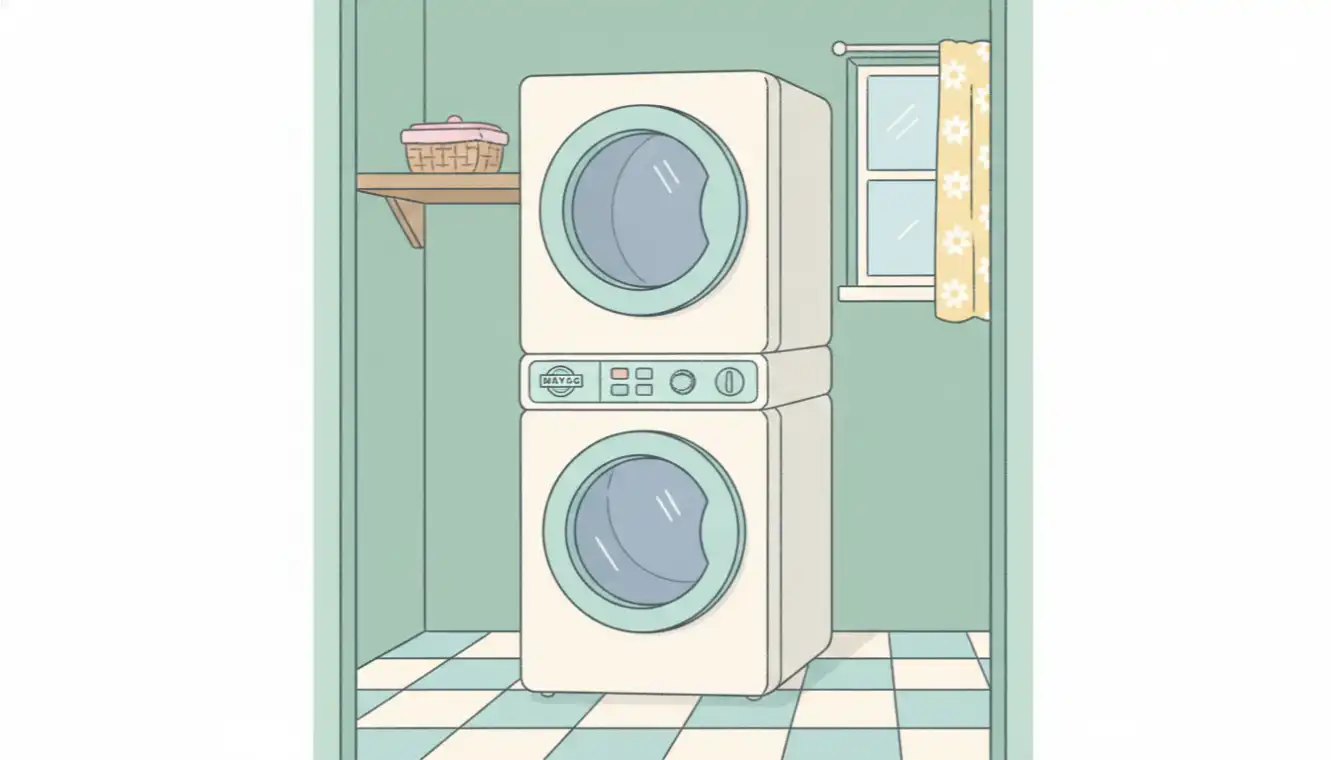
That trusty Maytag stackable washer and dryer in the corner has been faithfully cleaning your clothes for years, maybe even decades. But lately, it’s been making strange noises, leaving clothes a bit too damp, or maybe the dryer just isn’t getting hot. You’re facing the classic homeowner’s dilemma: is it time to say goodbye and invest in a new, modern unit, or can this old workhorse be saved?
The answer isn’t as simple as you might think. Before you start browsing for shiny new appliances, it’s crucial to understand the unique value and potential still locked inside your old Maytag. These machines hail from an era when appliances were built to last, a stark contrast to many of their modern, feature-heavy counterparts.
You'll Learn About
Why Your Old Maytag is a Hidden Gem in Your Home
There’s a reason you see decades-old Maytag appliances still chugging along in homes across the country. They were engineered with a focus on durability and simplicity. Unlike today’s computerized machines with delicate circuit boards, these older models rely on straightforward mechanical controls that are far less prone to failure and often easier to repair.
This robust construction means that many common issues are not a death sentence, but rather a call for some targeted maintenance. Understanding the common failure points can empower you to make an informed decision, potentially saving you hundreds, if not thousands, of dollars. Before you give up, let’s diagnose what might be going wrong.
Diagnosing Common Problems: A Homeowner’s Guide
Most issues with these older stackable units fall into a few predictable categories. With a little investigation, you can often pinpoint the problem yourself. Always unplug the appliance from the wall before attempting any inspection or repair.
The Washer Won’t Spin or Agitate
This is one of the most frequent complaints. If the washer fills with water but then sits silently, the problem often lies with the lid switch. This is a safety feature that prevents the machine from spinning while the lid is open; over time, it can fail. You can often hear a faint “click” when you close the lid if it’s working.
Another common culprit is a worn-out or broken drive belt. Over years of use, these rubber belts can stretch, fray, or snap. A visual inspection of the belt, usually accessible by removing a front or back panel, can tell you if it needs replacing—a surprisingly simple and inexpensive fix.
Leaks and Draining Issues
Puddles on the laundry room floor are an immediate cause for concern. First, check the basics: ensure the drain hose is not clogged and is properly seated in the standpipe. Water inlet hoses, which connect to your home’s water supply, can also degrade over time. Check for cracks, bulges, or drips at the connection points.
If the machine is not draining at all, the issue could be a clog in the drain pump. Sometimes small items like socks or coins can get past the drum and obstruct the pump. Clearing this obstruction can often resolve the issue entirely.
The Dryer Isn’t Heating
A dryer that spins but produces no heat is a classic symptom of a few potential failures. The most common is a blown thermal fuse. This small, inexpensive part is designed to fail if the dryer overheats, preventing a fire. Overheating is frequently caused by a clogged vent line, so be sure to clean your entire dryer vent duct regularly.
If the thermal fuse is fine, the next part to check is the heating element itself. This is a coil that glows red-hot to produce heat. A break in the coil will prevent it from heating. While replacing a heating element is a more involved repair, it is still a manageable DIY project for many and far cheaper than a new dryer.
Loud Noises and Vibrations
Rattling, squeaking, or thumping sounds can be alarming. In the dryer, squeaking noises often point to worn-out drum rollers or glides, which support the drum as it turns. For the washer, severe shaking or “walking” during the spin cycle could be due to an imbalanced load or failing suspension components that keep the tub stable.
The Big Decision: To Repair or To Replace?
Once you have an idea of the problem, the core question remains. A new stackable laundry unit can be a significant expense, so weighing the cost of repair against replacement is key. This decision involves more than just the initial price tag; it’s about long-term value and reliability.
Calculating the “Cost vs. Lifespan” Equation
A widely accepted guideline is the 50% rule. If the cost of the repair is more than 50% of the price of a comparable new appliance, replacement is generally the more sensible economic choice. For an old Maytag, where a repair might cost $150 for a part you can install yourself, it’s almost always worth fixing.
However, if you’re looking at a major repair that requires a professional, such as replacing the washer’s transmission, the cost could climb significantly. This is when you’ll need to get a quote and compare it to the price of a new unit. Dealing with service calls can be its own challenge; sometimes the hardest part of a repair is just getting a reliable technician to your home, which highlights the frustration when you wonder why do contractors not show up.
The table below breaks down the key considerations to help guide your decision.
| Factor | Repairing Your Old Maytag | Buying a New Stackable Unit |
|---|---|---|
| Upfront Cost | Low to moderate (often under $200 for DIY) | High (typically $1,000 – $2,500+) |
| Durability | Proven track record; built with heavy-duty parts | Varies greatly; often includes delicate electronics |
| Longevity | Can often last another 10-20 years with maintenance | Average lifespan is often 8-12 years |
| Energy/Water Efficiency | Lower efficiency; uses more water and electricity | High-Efficiency (HE) models save on utility bills |
| DIY Friendliness | High; simple mechanical systems are easy to diagnose | Low; complex electronics often require professional service |
| Environmental Impact | Keeps a large appliance out of the landfill | Manufacturing and shipping create a large carbon footprint |
A Maintenance Masterclass: Extending Your Maytag’s Life
Whether you’ve just completed a repair or your unit is still running strong, proactive maintenance is the secret to getting another decade or more of service. A little care goes a long way in preventing future breakdowns and ensuring your machine runs efficiently.
Simple Monthly and Annual Checks
Every month, give your unit a quick once-over. Check the washer’s water hoses for any signs of cracking or bulging. After every single dryer load, clean the lint filter—this is the single most important step for both drying efficiency and fire prevention. Once a year, perform a deeper clean by thoroughly vacuuming the entire dryer vent line, from the back of the machine to the outside of your house.
The Longevity Secret Few Talk About
One critical aspect often overlooked with these older top-load washers is the type of detergent used. These machines were designed for traditional, suds-producing detergents. Using modern, low-sudsing High-Efficiency (HE) detergents in an old machine can lead to poor washing performance and a buildup of residue inside the tub and hoses, as there isn’t the same water action to fully rinse it away. Sticking to a classic, powdered detergent can often improve cleaning power and reduce long-term buildup.
Navigating the World of Appliance Upgrades
If you’ve run the numbers and decided a replacement is the right move, you’ll be entering a very different market. Modern appliances offer a wealth of features, from steam cycles and smart-home connectivity to larger capacities and impressive energy savings. But this complexity can come at the cost of reliability.
When choosing a new unit, look beyond the bells and whistles and focus on core build quality. Just as you would compare material quality when deciding are lowes or home depot cabinets better for a kitchen remodel, you should scrutinize the construction of a new laundry unit. A well-built appliance will serve your home better in the long run than one packed with features that are prone to failure.
A laundry room refresh often goes hand-in-hand with a new appliance purchase. A new coat of paint can transform the space, but it’s important to do it right. Be aware that sometimes a first coat of paint looks uneven, and proper preparation and application are key to a professional finish that complements your new machine.
Conclusion: The Enduring Legacy of Maytag Durability
Your old Maytag stackable washer and dryer is more than just an appliance; it’s a testament to an era of manufacturing focused on longevity. While newer models may tempt with efficiency and smart features, the simplicity and ruggedness of your old machine are assets that are hard to find today. By understanding its common issues and dedicating a small amount of time to maintenance, you can keep this reliable workhorse serving your home for many years to come.
Before you relegate it to the scrap heap, take a moment to diagnose the problem. A simple, inexpensive repair may be all that stands between you and a perfectly functional laundry unit, saving you money and keeping a perfectly good machine out of the landfill.
