
Old House Structural Engineer: Is Your Dream Home a Nightmare?
There’s an undeniable romance to old houses. They possess a character and charm that modern constructions often lack, with their quirky layouts, handcrafted details, and whispers of history in every creak of the floorboards. But behind that charming facade can lurk a costly and dangerous secret: structural instability.
Many homeowners mistake serious warning signs—like sloping floors or sticking doors—as just part of the “character” of an older home. This misunderstanding can lead to catastrophic failures and budget-breaking repairs down the line. The key to protecting your investment and ensuring your family’s safety is knowing when to call in an old house structural engineer.
You'll Learn About
Why Old Houses Are a Different Breed of Challenge
Modern homes are built to stringent, standardized codes. Old houses, however, were constructed in different eras with varying materials and techniques. These historic properties often have unique structural systems that require specialized knowledge to assess.
Common issues in older homes stem from decades of exposure to the elements, outdated building practices, and the natural degradation of materials. Problems like foundation settling, timber decay, and moisture intrusion are frequent culprits that can compromise the entire structure if left unaddressed. A seemingly minor issue, like a small crack, could be a symptom of a much larger problem hidden from view.
The Hidden Language of Structural Distress
The most critical challenge with old homes is that symptoms of structural failure often appear far from the root cause. A window that suddenly sticks on the second floor might not be a window problem at all; it could be a direct result of the foundation shifting on the opposite side of the house. This interconnectedness is the hidden language of a house under stress.
Furthermore, many old homes suffer from what could be called “renovation contagion.” A poorly executed remodel from decades past, such as the removal of a load-bearing wall without proper support, can create a slow-motion domino effect. The resulting stress is gradually redistributed throughout the structure, causing new problems to emerge years later in seemingly unrelated areas. Only a trained professional can trace these complex histories to find the original source of the problem.
Home Inspector vs. Structural Engineer: A Crucial Distinction
Many homebuyers believe a standard home inspection is enough to clear a property of major issues. While home inspectors provide a valuable broad overview of a home’s condition—from plumbing to electrical systems—they are generalists. They can identify visual red flags that suggest a structural problem, but they are not qualified to diagnose the cause, severity, or solution.
A structural engineer, on the other hand, is a licensed professional with specialized training in how buildings bear loads and resist forces. They are the specialists you call when a home inspector flags a potential issue or when you notice specific warning signs yourself. Their job is to perform a deep-dive analysis of the home’s skeleton—the foundation, beams, joists, and load-bearing walls—to determine its integrity and provide a precise, actionable repair plan.
When to Make the Call: Don’t Ignore These Red Flags
Knowing when to escalate from watchful waiting to calling an expert is crucial. Certain signs should never be ignored, as they can indicate ongoing structural movement that will only get worse and more expensive to fix over time. If you notice any of the following, it’s time to seek a professional opinion.
Key warning signs include visible foundation cracks, especially those that are horizontal or wider than a quarter-inch. Other serious indicators are sloping or sagging floors, bowing walls, and doors or windows that suddenly become difficult to open or close. A sagging roofline is another major red flag that demands immediate attention.
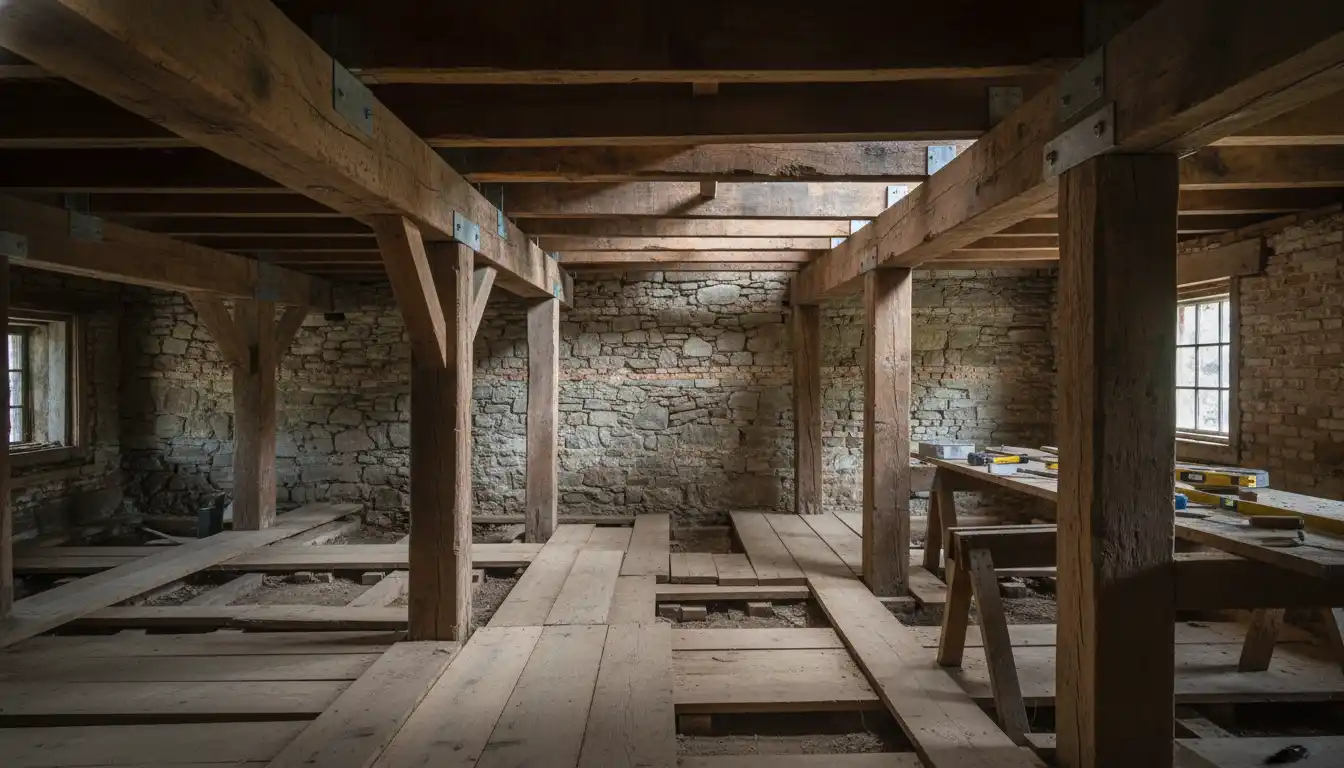
Distinguishing between normal aging and a genuine structural threat can be difficult for the untrained eye. Below is a table to help you identify which signs might be benign and which warrant a call to a structural engineer.
| Symptom | Potentially Benign Sign (Monitor) | Serious Red Flag (Call an Engineer) |
|---|---|---|
| Wall Cracks | Thin, vertical hairline cracks in plaster; cracks that don’t grow over time. | Horizontal cracks, stair-step cracks in brickwork, cracks wider than 1/4 inch, or cracks that are actively growing. |
| Floors | Minor creaking or a very slight, localized dip that has been stable for years. | Noticeable sloping or sagging across a room, a bouncy or spongy feeling underfoot, or gaps appearing between the floor and wall. |
| Doors & Windows | Sticking seasonally due to humidity changes. | Doors that jam at the top, windows that are newly difficult to open/close, or visible gaps around the frames. |
| Foundation | Very fine, hairline vertical cracks in the concrete. | Horizontal cracks, bulging or bowing foundation walls, or crumbling concrete. |
| Roof | A few aging shingles. | A visible sag in the roofline, leaks in the attic, or rafters that appear cracked or bowed. |
Finding and Hiring the Right Structural Engineer
Not all structural engineers specialize in residential properties, and even fewer have extensive experience with historic homes. Finding the right expert is essential. Start by searching for licensed Professional Engineers (P.E.) in your state who specifically list residential or historic preservation work in their services.
Good sources for referrals include local building departments, architectural firms that specialize in historic restoration, and the Structural Engineers Association. When vetting candidates, ask about their experience with homes of a similar age and construction style to yours. Inquire about their process, what their report includes, and their fees.
What to Expect from the Inspection and Report
A structural inspection is a meticulous visual examination. The engineer will inspect the foundation, basement, crawlspace, attic, and both the interior and exterior of your home. They will look for the tell-tale signs of stress, measure slopes, and assess the condition of load-bearing components.
Following the visit, you will receive a detailed written report. This is not a simple pass/fail document. A thorough report will identify the specific areas of concern, explain the root cause of the problem, assess the urgency of the issue, and provide a clear, detailed plan for remediation. This report is your roadmap to fixing the problem correctly and is essential for getting accurate quotes from contractors.
The Cost of an Engineer: An Investment in Peace of Mind
Hiring a structural engineer for an inspection can cost anywhere from $500 to $1,200, depending on the size and complexity of your home and your location. While this may seem like a significant expense, it’s a small price to pay for certainty. An engineer’s report can save you tens of thousands of dollars by preventing you from buying a property with fatal flaws or by providing a cost-effective repair plan for a home you already own.
Ignoring a potential structural problem is a gamble you can’t afford to take. The cost of foundation repair or a major structural overhaul can easily exceed $20,000 to $30,000. Viewing the engineer’s fee as an investment in protecting your home’s value and safety puts the cost into its proper perspective.
From Report to Repair: Your Next Steps
Once you have the engineer’s report, the path forward becomes clear. The document serves as a powerful tool for engaging with contractors. It ensures all bidders are quoting for the exact same scope of work, allowing for a true apples-to-apples comparison. It also provides the technical specifications needed for a proper structural renewal.
In some cases, the engineer can also be retained to oversee the construction process, ensuring the contractor implements the repair plan correctly. This provides an invaluable layer of quality control. After repairs, you might consider flooring updates, but it’s crucial to know how certain materials perform. For instance, if you have pets, understanding the pitfalls of options like engineered wood and dogs can save you from future headaches.
Conclusion: The Ultimate Guardian of Your Old House
Living in an old house can be a deeply rewarding experience, connecting you to the past in a tangible way. But that dream can quickly turn into a financial and emotional nightmare if you ignore the building’s structural health. The creaks and groans of an old home aren’t just character; they are communications about the stresses and strains it endures.
An old house structural engineer is the ultimate interpreter of this language. They provide the clarity and confidence you need to make informed decisions, whether you’re buying, renovating, or simply maintaining your historic home. By investing in their expertise, you are not just fixing a problem; you are preserving a piece of history and ensuring it remains a safe, stable, and beloved home for generations to come.
