Old House No Ground Wire? The Shocking Risk to Your Family and Electronics
You found the perfect older home. It has character, charm, and a history you can feel in the walls. But behind those charming walls lurks a common, hidden danger: electrical wiring with no ground wire.
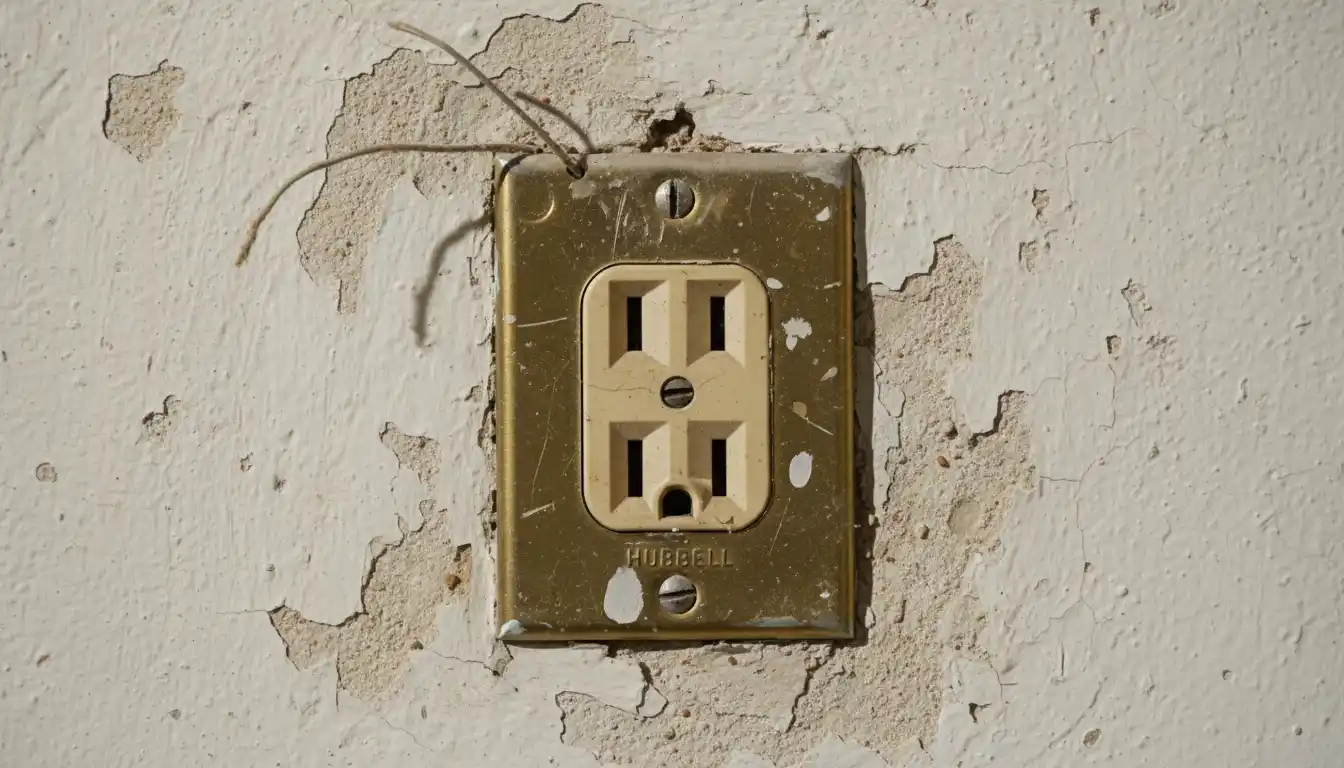
If you see only two-prong outlets, your home’s electrical system is ungrounded. This isn’t just a minor inconvenience; it’s a significant safety risk for your family and a death sentence for your expensive modern electronics.
You'll Learn About
The Ghost in the Wires: Why Your Old House Lacks a Ground
Before the 1960s, home electrical systems only required two wires: a “hot” wire to deliver power and a “neutral” wire to complete the circuit. The ground wire—a crucial safety feature that provides a safe path for stray electricity to escape—was not standard. Homes built before this era often have this outdated and potentially hazardous two-wire system.
Identifying this issue is simple. The most obvious sign is the presence of two-prong outlets. Even if a previous owner replaced them with three-prong outlets, the wiring behind the wall may still be the original two-wire system, creating a dangerously false sense of security.
The Real Dangers of Ungrounded Outlets
Living with ungrounded outlets is a gamble. The ground wire serves as a critical failsafe, and without it, you are exposed to several serious risks that can have devastating consequences.
Shock Hazards: More Common Than You Think
Imagine a wire inside your toaster comes loose and touches the metal casing. Without a ground wire, that entire metal exterior becomes energized, waiting for someone to touch it. When you do, your body becomes the path to ground, resulting in a severe or even fatal electric shock.
A grounded system would instantly channel that fault current safely away, tripping the circuit breaker and preventing injury. This protection is missing in older, two-wire systems, leaving your family vulnerable.
Fire Risk: A Silent Threat
Electrical faults in ungrounded systems are a leading cause of house fires. When stray electrical currents have no safe path to the earth, they can cause arcs and sparks within your walls or at the outlet. This can easily ignite surrounding materials like insulation, wood, and drywall.
This risk is particularly high with older wiring, which may have insulation that has become brittle and degraded over time. A small fault can quickly escalate into a major fire.
The Silent Killer of Modern Electronics
Many homeowners are unaware of how destructive ungrounded wiring is to their expensive gadgets. Modern electronics, from your 4K smart TV and high-end computer to your smart home hubs and kitchen appliances, contain sensitive microprocessors that are extremely vulnerable to electrical fluctuations.
Ungrounded systems lack the stability that these devices require. Power surges, static buildup, and electrical “noise” have no safe path to dissipate. This stray electricity can slowly degrade or instantly destroy delicate internal components, leading to premature failure and costly replacements. Plugging a surge protector into an ungrounded outlet offers virtually no protection.
Your 3-Step Plan: From Band-Aid Fix to Total Rewire
Discovering your home has no ground wire can be alarming, but there are clear, actionable solutions. The right choice depends on your budget, risk tolerance, and long-term plans for the property. Here is a breakdown of your options, from the most accessible fix to the most comprehensive solution.
Solution 1: The GFCI Quick-Fix (Good Protection)
A Ground Fault Circuit Interrupter (GFCI) is a smart device that monitors the flow of electricity in a circuit. If it detects even a tiny imbalance—like the current flowing through a person instead of the neutral wire—it shuts off the power in a fraction of a second, preventing electrocution. GFCI outlets can provide shock protection even without a ground wire.
You can replace standard two-prong outlets with GFCI outlets in key areas like kitchens, bathrooms, and laundry rooms. Alternatively, a GFCI circuit breaker can be installed in your main panel to protect every outlet on that circuit. While this is an affordable and effective way to enhance safety, it does not protect sensitive electronics from power surges.
Solution 2: Running a Retrofit Ground Wire (Better Protection)
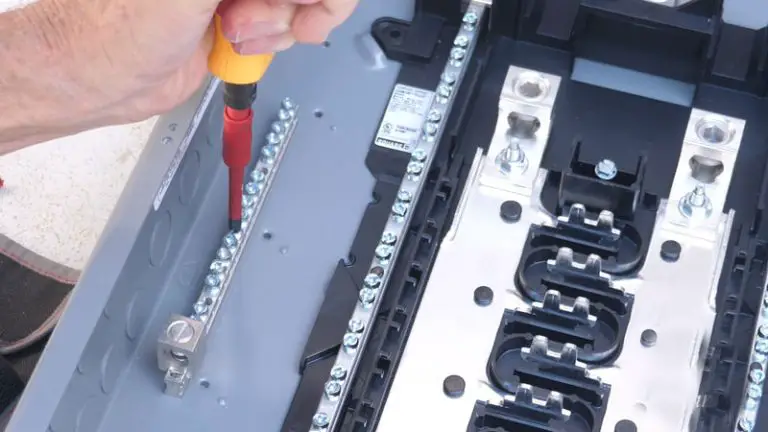
If the existing wiring is in good condition, an electrician may be able to run a separate ground wire from your main electrical panel to each outlet box. This process, known as retrofitting, establishes a true ground connection for your outlets.
This is less invasive and less expensive than a full rewire, but it is still a job that requires a licensed professional. It provides excellent protection for both people and electronics, making it a solid middle-ground solution for many homeowners.
Solution 3: The Full Rewire (Best Protection)
The most comprehensive and safest solution is to rewire the entire house. This involves replacing all the old two-wire cables with modern, three-wire grounded cables. A full rewire eliminates all the risks associated with old wiring and brings your home up to the latest electrical codes.
While this is the most expensive and disruptive option, it provides total peace of mind. A major electrical overhaul is often undertaken during larger renovations, such as when you’re already planning to upgrade the brick around the bottom of your house, as it can be more efficient to tackle multiple large-scale projects at once.
Comparing Your Grounding Solutions
Choosing the right path forward requires weighing cost against the level of safety and protection provided. This table breaks down the key differences between the available solutions to help you make an informed decision.
| Solution | Average Cost | Safety Level | Best For |
|---|---|---|---|
| GFCI Outlets | $15 – $50 per outlet (plus installation) | Good (Shock protection only) | Budget-conscious homeowners needing immediate safety improvements in critical areas like kitchens and bathrooms. |
| GFCI Breakers | $40 – $100 per breaker (plus installation) | Good (Shock protection for the entire circuit) | Protecting multiple outlets on a single circuit without replacing each individual receptacle. |
| Retrofit Ground Wire | Varies greatly by home size and accessibility ($1,000 – $3,000+) | Better (Shock and surge protection) | Homes where the existing wiring is in good shape but lacks a ground connection. |
| Full Home Rewire | $3,000 – $15,000+ | Best (Complete code-compliant safety) | Homeowners planning a major renovation or those who want the highest level of safety and property value. |
Common Myths and Critical Mistakes to Avoid
Navigating electrical issues can be confusing, and misinformation is rampant. Understanding the facts is crucial to keeping your home and family safe. Here are some of the most dangerous myths and mistakes associated with ungrounded outlets.
A common but dangerous myth is that using a three-prong adapter (a “cheater plug”) makes an ungrounded outlet safe. These adapters do not create a ground connection and provide a false sense of security, leaving you completely unprotected.
Perhaps the most hazardous mistake is creating a “bootleg ground.” This is when someone connects the ground screw of a three-prong outlet to the neutral screw. This illegal and reckless practice can energize the entire grounding system of an appliance, turning it into a deadly shock hazard. A standard outlet tester will often fail to detect this critical wiring error.
Finally, don’t neglect your garage or workshop wiring. High-powered tools, like an Ariens snowblower, draw significant current and require properly grounded circuits to operate safely and prevent motor damage.
Should You DIY This? A Word of Caution
While some home improvement projects are perfect for a weekend warrior, electrical work is not one of them. The risks of electric shock, fire, and failing a home inspection are far too high. A licensed electrician has the training, tools, and knowledge of local codes to do the job safely and correctly.
What you *can* do is identify the problem by inspecting your outlets and plan your next steps. Contrast this type of expert-level task with more manageable DIY projects, such as building a sturdy cattle panel greenhouse for your garden. When it comes to your home’s electrical system, always prioritize safety and hire a qualified professional.
Securing Your Home’s Electrical Future
Living in a house with no ground wire is an unnecessary risk. The potential for electric shock, fire, and damage to your valuable electronics is a constant threat. Fortunately, from installing GFCI protection to a full home rewire, effective solutions are available.
Take the first step today by inspecting your outlets. If you see two-prong receptacles, it’s time to call a licensed electrician for a professional evaluation. Investing in a proper grounding system is an investment in your family’s safety and your peace of mind.