
Oil Rubbed Bronze on Dark Cabinets: Your #1 Design Secret
Pairing oil rubbed bronze hardware with dark cabinets can create a kitchen or bathroom with undeniable character and warmth. Yet, many homeowners hesitate, fearing the combination will result in a space that feels too dark, dated, or visually heavy. This common design challenge often leads to missed opportunities for creating a truly stunning and cohesive look.
The core of the problem lies in the subtle interplay of undertones, light, and texture. Without the right balance, the rich potential of this pairing can be lost, leaving a room that feels monotonous rather than sophisticated. Achieving a high-end, designer look requires a deeper understanding of how these elements work together.
You'll Learn About
Why This Combination Can Be Deceptively Tricky
The primary reason this pairing proves challenging is the lack of contrast. When dark hardware meets a dark cabinet, the individual beauty of each element can diminish. The intricate details of a beautifully crafted bronze pull can disappear against an espresso or black background, especially in a room with poor lighting.
Furthermore, not all “dark” cabinets or “oil rubbed bronze” finishes are created equal. An espresso cabinet can have red undertones, while a charcoal gray cabinet has cool, blueish notes. Similarly, oil rubbed bronze can range from a deep, almost-black finish to one with prominent coppery or reddish highlights. A mismatch in these undertones is often what makes a design feel “off” without an obvious reason.
The Overlooked Role of Sheen and Light
The finish of your cabinets—matte, satin, or semi-gloss—dramatically affects how light interacts with the surface. A matte finish will absorb light, potentially making the hardware seem even darker, while a semi-gloss finish will create reflections that can highlight the hardware’s shape and color.
Natural and artificial lighting are critical. A kitchen flooded with natural light can easily support this combination, while a darker, interior bathroom might require a more strategic approach, incorporating layered lighting to prevent the space from feeling cavernous. Without adequate light, the hardware and cabinets can merge into a single, undefined dark mass.
The Definitive Guide to a Flawless Finish
Creating a harmonious and visually interesting space with dark cabinets and oil rubbed bronze hardware is entirely achievable. The solution lies in a thoughtful approach to selecting materials, planning for contrast, and layering textures and light. This transforms the potential problem into a sophisticated design statement.
Step 1: Understand the Undertones in Your Bronze Hardware
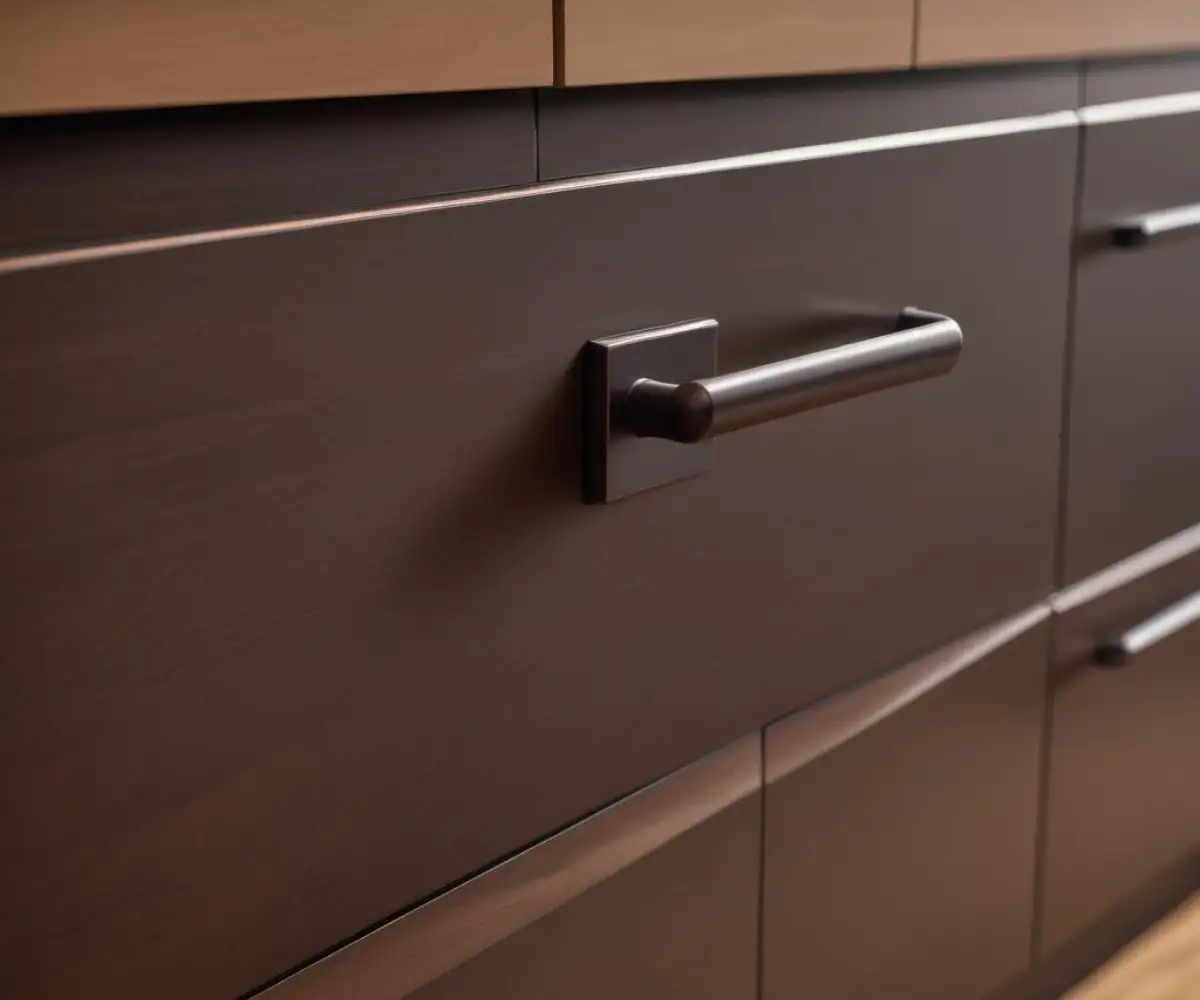
The first step is to recognize the specific color variations within oil rubbed bronze. This finish is often called a “living finish,” meaning it can change over time with use, revealing brighter highlights. However, even new hardware will have distinct undertones that must be considered.
Bringing sample knobs or pulls into your space is non-negotiable. Place them against your cabinet door sample and observe them at different times of day. This is the only way to see how the natural light in your room interacts with the specific undertones of your chosen hardware and cabinet color.
Step 2: Curate Your Dark Cabinet Palette
Move beyond the standard “espresso” and consider the rich world of dark cabinet colors. Deep navy, forest green, and charcoal gray offer a modern twist and can make oil rubbed bronze hardware pop in unexpected ways. These nuanced colors provide a subtle contrast that black or dark brown cabinets might lack.
For instance, the warm, coppery highlights in some bronze hardware are a stunning complement to the cool tones of navy blue cabinets. Likewise, a darker bronze with minimal highlights can create a sophisticated, almost monochromatic look on charcoal gray cabinets that feels intentional and high-end. When investing in cabinetry, considering the durability and construction is just as important as the color. Exploring options from reputable brands can give you peace of mind about your choice; for example, understanding the details of Kith cabinets’ quality can help you make a more informed decision.
| Dark Cabinet Color | Best Bronze Undertone | Overall Vibe | Recommended For |
|---|---|---|---|
| Espresso/Dark Brown | Copper/Red Highlights | Traditional, Warm | Classic kitchens, spaces with warm wood floors. |
| Matte Black | Subtle Bronze/Brown | Modern, Dramatic | Contemporary spaces needing a bold statement. |
| Navy Blue | Warm Copper/Gold | Sophisticated, Classic | Transitional kitchens, bathrooms wanting elegance. |
| Charcoal Gray | Dark, Near-Black Bronze | Monochromatic, Sleek | Modern or industrial-style interiors. |
| Forest Green | Rich Chocolate Brown | Earthy, Luxurious | Spaces aiming for a moody, organic feel. |
Step 3: Engineer Contrast with Surrounding Elements
The secret to making dark-on-dark work is creating contrast elsewhere. You must balance the visual weight of the cabinets and hardware with lighter surrounding surfaces. This is where countertops, backsplashes, and flooring become your most powerful tools.
Countertops: Opt for light-colored countertops to create a sharp, clean break. White or light gray quartz, marble, or even a light butcher block can lift the entire space and prevent it from feeling top-heavy. The light surface will reflect light upwards, illuminating the underside of the cabinets and the hardware.
Backsplash: A light or reflective backsplash is essential. Consider classic white subway tile, a textured ceramic tile in a light neutral, or even a mirrored or metallic tile to bounce light around the room. This creates a bright horizontal plane that balances the dark cabinetry.
Step 4: Layer Your Lighting Strategically
Lighting is not an afterthought; it is a fundamental component of this design strategy. A single overhead fixture is insufficient. You need a layered lighting plan to properly showcase the rich details of your cabinets and hardware.
Under-Cabinet Lighting: This is the most crucial lighting element. LED strips installed under the upper cabinets will illuminate your countertops and highlight the oil rubbed bronze hardware, making it stand out against the dark cabinet finish.
Task Lighting: Use pendant lights over an island or a sink to add focused light and a decorative element. Choosing pendants with an oil rubbed bronze finish can tie the whole look together.
Ambient Lighting: Recessed ceiling lights on a dimmer switch provide overall illumination and allow you to control the mood of the room.
Executing the Vision: Hardware Styles and Long-Term Care
Once you have the color palette and lighting plan, the final step is selecting the right style of hardware and knowing how to care for it. The shape and scale of your knobs and pulls can reinforce your desired aesthetic, whether it’s modern, rustic, or traditional.
Choosing the Right Hardware Style
The style of your hardware should complement the style of your cabinet doors. For modern, flat-panel doors, sleek bar pulls create a clean, linear look. For more traditional Shaker-style doors, classic knobs or cup pulls add a timeless touch.
Don’t be afraid to mix styles. Using knobs on doors and pulls on drawers is a classic combination that adds visual interest. The key is to maintain consistency in the finish to ensure a cohesive look. This principle of consistency extends to other fixtures, and finding the right cabinet hardware to match Brizo Luxe Gold, for example, follows the same logic of matching undertones and style.
Maintaining the “Living Finish” of Oil Rubbed Bronze
Oil rubbed bronze is designed to evolve. The finish may wear in high-touch areas, revealing the lighter bronze or copper metal beneath. This patina is considered a desirable feature that adds character over time.
To clean, simply use a soft, damp cloth with mild soap and water. Avoid harsh chemical cleaners or abrasive sponges, as these can strip the dark finish. For stubborn spots, a diluted vinegar solution can be used sparingly. Periodically applying a light coat of mineral oil or a clear paste wax can help protect the finish and restore its luster.
A Timeless Look Beyond the Kitchen
This sophisticated pairing is not limited to the kitchen. It can bring warmth and character to bathroom vanities, built-in shelving in a living room, or even on dark-painted furniture. Applying these same principles of contrast and lighting will ensure success in any room.
In a bathroom, for instance, pairing a dark vanity with oil rubbed bronze hardware and a light quartz countertop can create a spa-like retreat. Coordinating this with a champagne bronze shower rod can add another layer of metallic warmth. By focusing on the interplay of light, color, and texture, you can confidently use oil rubbed bronze hardware on dark cabinets to create a space that is rich, inviting, and impeccably designed.
