
Nuvelle Flooring Reviews: The Unfiltered Truth Before You Buy
Choosing the right flooring feels like navigating a minefield of options, technical jargon, and conflicting opinions. You face a critical problem: investing a significant amount of money into a product that defines the look and feel of your home, without knowing if it will stand up to the rigors of daily life. Will it scratch, fade, or warp within a few years, turning your dream renovation into a costly mistake?
This uncertainty is the core of the homeowner’s dilemma. You read marketing claims of “unmatched durability” and “lifelike beauty,” but anonymous online reviews tell stories of disappointment, difficult installations, and warranty headaches. This guide cuts through the noise to provide a comprehensive, fact-based look at Nuvelle flooring, empowering you to make a decision with confidence.
You'll Learn About
What Exactly is Nuvelle Flooring?
Nuvelle is a flooring brand that offers a wide range of products, including luxury vinyl plank (LVP), engineered hardwood, and laminate. The company aims to provide stylish and realistic-looking flooring options that are also practical for everyday use. With a history stretching over three decades in the industry, Nuvelle positions itself as a provider of quality and design-forward solutions for both residential and commercial spaces.
The brand is distributed by Suncrest Supply, a Florida-based company that has been in the flooring business since the mid-1990s. This relationship allows Nuvelle to offer a broad selection of products, often targeting the mid-range market with competitive pricing. Understanding this structure is key to seeing Nuvelle not just as a product, but as part of a larger distribution network focused on delivering accessible style.
Decoding Nuvelle’s Product Lines: LVP, Engineered Hardwood, and More
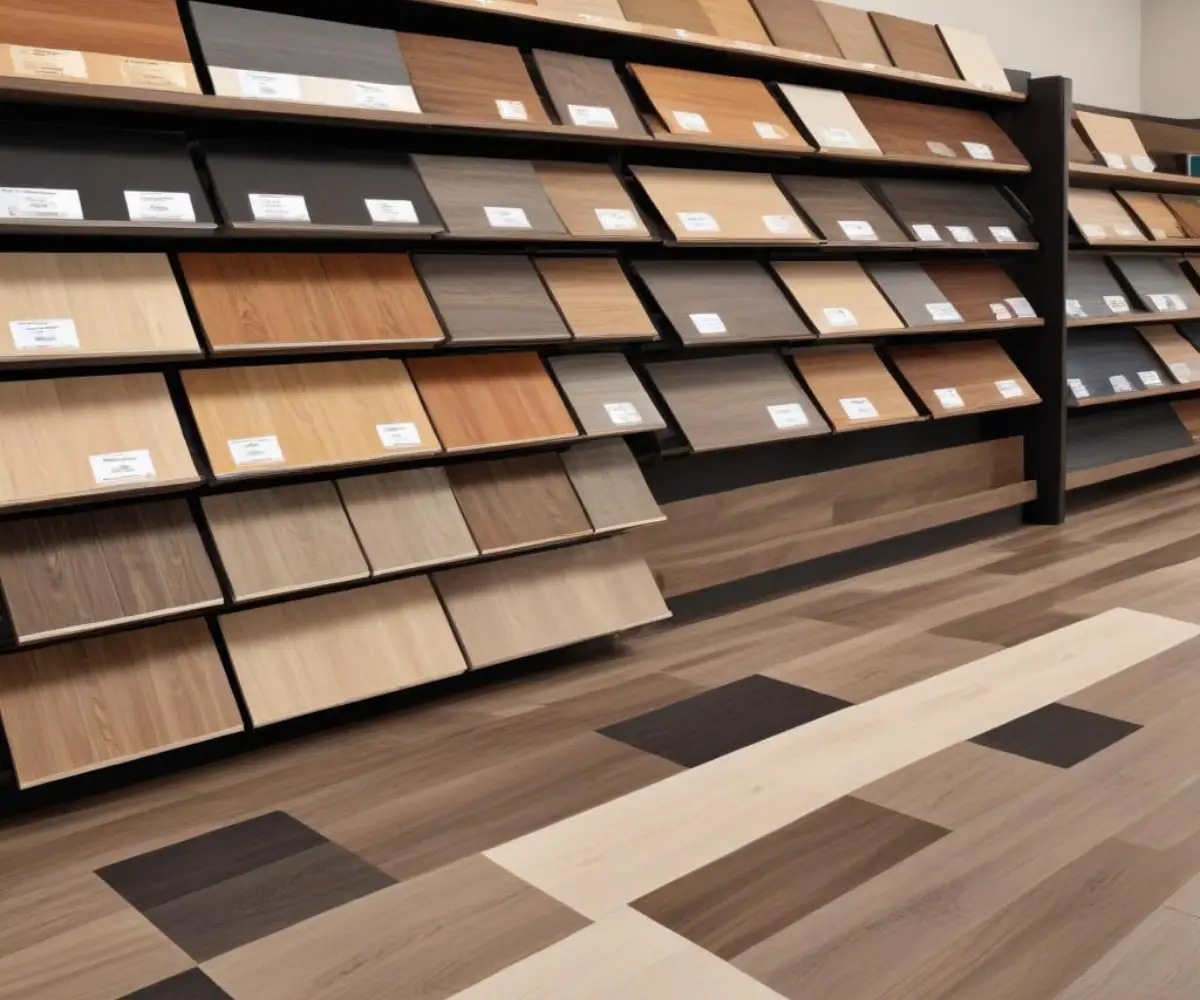
Nuvelle’s strength lies in its diverse portfolio, catering to different needs, aesthetics, and budgets. Their most popular offerings fall into two main categories: Luxury Vinyl Plank and Engineered Hardwood. Each is designed with specific performance characteristics in mind.
Knowing the differences between these product types is the first step in determining if Nuvelle has the right fit for your home. It’s not just about the look; it’s about matching the material’s strengths to the demands of your space, whether it’s a high-traffic hallway or a moisture-prone bathroom.
Nuvelle Luxury Vinyl Plank (LVP): The Promise of Waterproof Durability
Nuvelle’s LVP collections are arguably their most popular products, designed for modern living. These floors are built with a multi-layer construction that typically includes a rigid core—often an SPC (Stone Plastic Composite) core—which provides exceptional stability and impact resistance. This core is what makes the flooring 100% waterproof, a major selling point for installations in kitchens, bathrooms, and basements.
Collections like the Nuvelle Density Titan series boast enhanced scratch resistance, making them suitable for households with pets and children. However, real-world performance hinges on the wear layer, the top protective coating measured in mils. While some Nuvelle products offer a robust 22 mil wear layer, others may have a thinner 12 mil layer, which is a critical detail to verify for high-traffic areas. Some users have reported issues with scratching and denting on products with thinner wear layers, highlighting the importance of choosing the right collection for your specific needs.
Nuvelle Engineered Hardwood: The Best of Both Worlds?
For those who desire the authentic look and feel of real wood, Nuvelle offers engineered hardwood flooring. Unlike solid hardwood, engineered planks are constructed with a top layer of real hardwood veneer over a core of high-density fiberboard (HDF) or plywood. This structure makes the flooring more stable and less susceptible to the expansion and contraction that can cause solid wood to warp in fluctuating humidity.
However, the thickness of the top veneer is crucial. A thicker veneer allows the floor to be sanded and refinished at least once, extending its lifespan. Some criticisms of budget-friendly engineered hardwoods, including certain Nuvelle lines, point to thin veneers that cannot be refinished. This means that deep scratches or significant wear could become permanent, a trade-off for the initial affordability.
A Deep Dive into Nuvelle’s Quality and Durability
The long-term satisfaction with any flooring comes down to its construction. Beyond the surface-level appearance, the core materials, wear layer thickness, and locking mechanisms determine how well your floor will perform over time. This is where many homeowners feel lost, but understanding a few key technical aspects can demystify the quality conversation.
A frequent complaint across many flooring brands, including Nuvelle, relates to a mismatch between advertised durability and real-world experience. Issues like fading, scratching, and difficulty with installation are often linked to specific product specifications. Investigating these details before purchase is the single most effective way to prevent future disappointment.
The Critical Role of the Wear Layer and Core
In the world of LVP, the wear layer is everything. This transparent topcoat is what stands between daily foot traffic, spills, and pet claws and the beautiful printed design layer. A thicker wear layer (measured in mils) provides more protection. For residential use, 12 mil is often considered acceptable for light traffic areas, but 20 mil or higher is strongly recommended for active households.
The core construction is just as important. Nuvelle primarily uses SPC (Stone Plastic Composite) cores in its rigid LVP lines. SPC is dense and highly durable, offering superior resistance to dents from heavy furniture or dropped objects. This makes it a more robust choice than WPC (Wood Plastic Composite), although WPC can feel slightly softer underfoot.
Reported Issues: Scratches, Dents, and Fading
A recurring theme in some homeowner reviews involves complaints about Nuvelle flooring showing wear sooner than expected. Several users have reported that the floors can scratch or dent more easily than anticipated, particularly in homes with large dogs or active children. These issues underscore the importance of matching the product line to your lifestyle; a collection with a 12 mil wear layer simply won’t perform the same as one with a 22 mil layer.
Fading has also been mentioned, especially in areas exposed to direct, prolonged sunlight. While many modern floors have UV-protective coatings, no floor is completely immune. This is a practical consideration for rooms with large, south-facing windows, where window treatments might be a necessary companion to your new floors.
Nuvelle Flooring Installation: DIY or Professional Job?
Nuvelle floors are often marketed with a user-friendly click-lock system, suggesting an easy DIY installation. This floating floor method allows planks to snap together without the need for glue or nails. While this can be a significant cost-saver for a handy homeowner, the reality of installation can be more complex.
The number one cause of flooring failure is improper installation. From an uneven subfloor to insufficient expansion gaps, small mistakes can lead to major problems like buckling, gapping, and squeaking down the line. Even if a product is defective, an installer error can void the manufacturer’s warranty, leaving you with no recourse.
The Importance of Subfloor Preparation
No flooring is better than the subfloor it’s laid upon. Before the first plank is laid, the subfloor must be perfectly clean, flat, and dry. Manufacturers typically specify a flatness tolerance, such as no more than a 3/16-inch variation over a 10-foot span. Failing to meet this requirement is a leading cause of installation-related complaints.
Many negative reviews cite issues with planks not locking together seamlessly or creating unsightly gaps. While this can sometimes be a manufacturing defect, it is more often a result of an uneven subfloor. Proper preparation, which may involve sanding down high spots or using a self-leveling compound on low spots, is a non-negotiable step that many DIYers overlook. Before starting, you might consider consulting a resource that helps estimate project costs, but it’s crucial to know if Homewyse is accurate for your specific region and scope.
Understanding the Click-Lock System and Expansion Gaps
Nuvelle, like most modern floating floors, requires an expansion gap of around 3/8-inch around the entire perimeter of the room. This space allows the floor to expand and contract with changes in temperature and humidity. It is hidden by baseboards and shoe molding, but it is absolutely essential.
Failure to leave an adequate gap can cause the floor to buckle or warp. Furthermore, this floating system means the floor should not be fixed or pinned down by heavy objects like kitchen islands or permanent cabinetry. After installation, completing the look often involves finish work. For a clean, professional finish, many homeowners find themselves needing guidance on tasks like painting shoe molding to match their new baseboards or trim.
Nuvelle Flooring Cost and Warranty Analysis
Nuvelle flooring is generally positioned as a mid-range, budget-conscious option. The price can vary significantly depending on the specific collection, with LVP typically ranging from $3 to $6 per square foot and engineered hardwood potentially costing more. This pricing makes it competitive with major brands found in big-box stores.
While the upfront cost is attractive, it’s vital to look at the long-term value, which is closely tied to the warranty. Nuvelle typically offers limited lifetime residential warranties, but the terms and exclusions are critical. A warranty often covers manufacturing defects but will not cover damage from improper installation, maintenance, or normal wear and tear.
Breaking Down the Costs
When budgeting for new flooring, the material cost is only part of the equation. You must also factor in underlayment (though many Nuvelle LVP products have it attached), transition pieces, tools, and potential subfloor preparation materials. If you opt for professional installation, labor costs can add another $2 to $4 per square foot or more.
| Feature | Nuvelle Luxury Vinyl Plank (SPC) | Nuvelle Engineered Hardwood |
|---|---|---|
| Average Cost (Material) | $3.00 – $6.00 / sq. ft. | $4.00 – $8.00+ / sq. ft. |
| Water Resistance | 100% Waterproof | Water Resistant (not waterproof) |
| Best For | Kitchens, Bathrooms, Basements, High-Traffic Areas | Living Rooms, Bedrooms, Dining Rooms |
| DIY Friendliness | High (Click-Lock System) | Moderate (Glue-down or Floating) |
| Durability Concern | Wear layer thickness is key | Veneer thickness for refinishing |
Navigating the Warranty: What’s Really Covered?
A “lifetime” warranty can be misleading. These warranties typically protect against specific manufacturing defects like delamination or the wear layer wearing through completely. They almost never cover scratches, dents, or fading, which are considered normal wear. Furthermore, the warranty is often voided if installation instructions are not followed to the letter.
Some customers have reported difficulties when trying to file a warranty claim. The process can be complex, and companies may attribute the problem to installation errors rather than a product defect. This highlights the importance of working with a reputable installer who guarantees their workmanship.
The Final Verdict: Is Nuvelle Flooring a Good Choice for You?
Nuvelle flooring presents a compelling option for homeowners seeking stylish, modern flooring at a competitive price point. Its wide range of LVP and engineered hardwood products offers designs that can suit nearly any aesthetic. The waterproof nature of its SPC vinyl collections is a significant advantage for busy, modern households.
However, the brand is not without its drawbacks, and the mixed reviews suggest that diligence is key. The primary concerns revolve around durability—specifically, the potential for scratching, denting, and fading on lower-end lines. The difference in long-term performance between a 12 mil and a 22 mil wear layer is substantial, and choosing the right product for your home’s traffic levels is paramount. Similarly, for engineered wood, understanding the veneer thickness is crucial for managing expectations about longevity and refinishing potential.
Ultimately, Nuvelle can be a smart investment if you:
1. Research the specific product line carefully. Do not rely on the brand name alone; investigate the wear layer, core type, and veneer thickness of the exact flooring you are considering.
2. Prioritize proper installation above all else. Whether you hire a professional or do it yourself, ensure the subfloor is perfectly prepared and all manufacturer guidelines are followed meticulously.
3. Have realistic expectations about durability. While offering great value, it may not compete on durability with premium, higher-priced brands. This is a choice that involves balancing budget with performance, a decision that is also common when weighing options like Budget Blinds vs Hunter Douglas for window treatments. For those who do their homework and choose the right product for their lifestyle, Nuvelle offers a path to a beautiful, updated home without breaking the bank.
