
Nustone Quartz Reviews: The Unvarnished Truth Before You Buy
Choosing the perfect countertop is one of the most stressful yet crucial decisions in any kitchen or bathroom renovation. You’re faced with a sea of materials, colors, and brands, each claiming to be the best. The central problem for homeowners is cutting through the marketing noise to find a surface that is beautiful, durable enough for daily life, and a sound financial investment.
This is where the search for reliable information, like Nustone quartz reviews, begins. You need to know if this popular engineered stone will stand up to morning coffee spills, chaotic family dinners, and the occasional stray knife. This guide offers an exhaustive, honest look at Nustone quartz to solve that very problem, empowering you to make a choice with confidence.
You'll Learn About
What Exactly is Nustone Quartz and Why the Buzz?
Nustone quartz, like all engineered quartz, is a man-made product created by combining natural minerals with resins. Typically, these slabs are composed of about 93% ground natural quartz aggregates blended with high-quality polymer resins and pigments. This manufacturing process results in a surface that possesses the best qualities of stone while engineering out its flaws.
The buzz surrounding brands like Nustone stems from a few key advantages over natural stone. Because it’s manufactured, the color and patterning are incredibly consistent from slab to slab, eliminating the unpredictable variations you find in granite or marble. More importantly, the polymer resins make the surface non-porous, a critical feature for busy kitchens and bathrooms.
The Core Appeal: Low Maintenance and High Durability
The primary reason homeowners gravitate towards quartz is its promise of a worry-free surface. Unlike natural stones that require regular sealing to prevent staining, Nustone quartz never needs to be sealed. Its non-porous nature means it resists bacteria, wine, coffee, and oil, making cleanup simple and hygienic—a significant selling point for any household.
This durability is a direct result of its composition. Quartz is one of the hardest minerals on earth, giving the countertops exceptional resistance to scratches and chipping from daily use. While not indestructible, it offers a level of resilience that provides peace of mind in high-traffic areas.
Aesthetics Unveiled: Exploring Nustone Colors and Designs
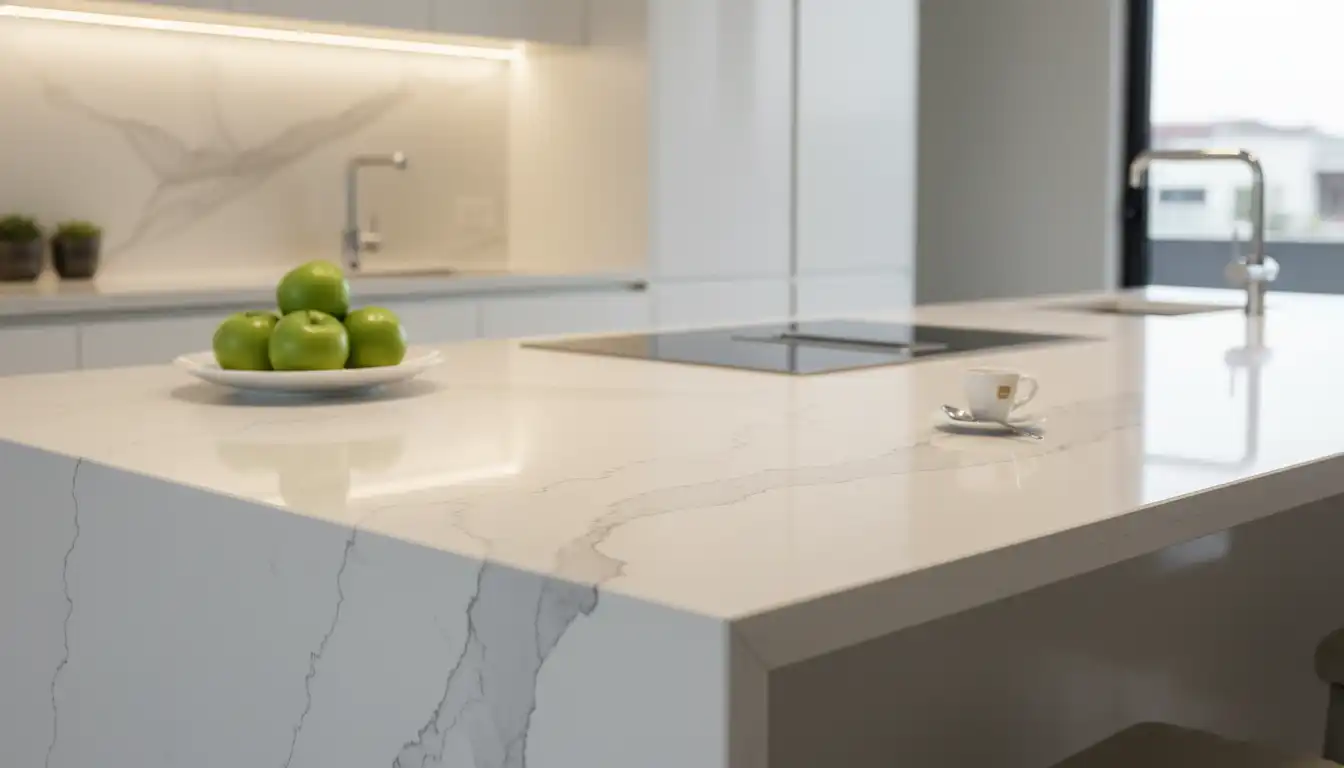
While durability is paramount, aesthetics are what truly make you fall in love with your countertops. Nustone offers a wide selection of colors and patterns designed to cater to diverse tastes, from minimalist modern to classic traditional. Their collections often feature designs that expertly mimic the luxurious veining of natural marble or the subtle complexity of granite.
Whether you desire a brilliant, clean white to brighten your space or a dramatic, dark slab to create a focal point, the range is extensive. The manufacturing process allows for a rich blend of colors and grain sizes, creating a depth that rivals natural stone. This versatility ensures you can find a design that perfectly complements your cabinetry, flooring, and overall home decor.
Beyond the Surface: Finishes and Consistency
Most Nustone quartz slabs come in a polished finish, which provides a high-gloss, reflective surface that enhances the color and pattern. This classic finish is easy to clean and remains a popular choice. Some collections may also offer honed or matte finishes for a more subtle, contemporary look, though these can sometimes require more diligence to keep free of fingerprints.
One of the most significant aesthetic advantages is slab consistency. When you choose a pattern from a sample, you can be confident that the final installed product will look almost identical. This removes the stress associated with selecting natural stone, where you often have to approve a specific slab to avoid unwanted variations.
The Ultimate Durability Test: How Nustone Performs in the Real World
Marketing claims are one thing; real-world performance is another. A countertop must withstand daily abuse, from hot pans to dropped utensils. Understanding the specific strengths and limitations of Nustone quartz is essential before making a commitment.
Engineered quartz is celebrated for its toughness, often boasting superior flexural strength and impact resistance compared to granite. However, it’s crucial to understand the nuances of its durability to ensure its longevity in your home.
Heat, Scratches, and Stains: The Big Three
Heat Resistance: This is a critical point of confusion for many buyers. While quartz is highly heat-resistant, it is not heat-proof. The polymer resins used in its construction can be damaged by sudden, extreme temperature changes. Placing a scorching hot pan directly from the stove or oven onto the surface can cause thermal shock, potentially leading to discoloration or cracking. Always use trivets or hot pads as a precaution.
Scratch Resistance: With a composition of around 93% natural quartz, these countertops are incredibly hard and scratch-resistant. Everyday use, including sliding pots or ceramic dishes, is unlikely to cause damage. However, it’s not completely scratch-proof; cutting directly on the surface with a sharp knife is not recommended.
Stain Resistance: This is where Nustone and other engineered quartz brands truly shine. The non-porous surface prevents liquids from penetrating and causing stains. Spills like red wine, coffee, or lemon juice that might spell disaster for marble can be wiped away easily on quartz without a trace, as long as they are addressed in a timely manner.
Nustone Quartz vs. The Competition: A Head-to-Head Battle
To truly appreciate the value of Nustone quartz, it helps to see how it stacks up against other popular countertop materials. Each option has its unique set of pros and cons, and the best choice often depends on your lifestyle, budget, and aesthetic preferences.
The countertop market is dominated by a few key players, each offering a different balance of durability, maintenance, and style. Understanding these differences is key to making an informed decision.
| Feature | Nustone Quartz | Granite | Marble | Leading Quartz Brands (e.g., Silestone) |
|---|---|---|---|---|
| Durability | High resistance to scratches and stains. Not heat-proof. | Very durable and heat resistant. Can chip or crack. | Softer stone, prone to scratching and etching. | Very similar to Nustone; high scratch and stain resistance. |
| Maintenance | No sealing required. Easy to clean with soap and water. | Requires periodic sealing to prevent stains. | Requires frequent sealing. Prone to staining. | No sealing required. Simple to maintain. |
| Cost Range (Installed) | $60 – $110 per sq. ft. | $50 – $150+ per sq. ft. | $70 – $200+ per sq. ft. | $70 – $140 per sq. ft. |
| Design Consistency | Very high. Uniform color and pattern. | Low. Each slab is unique with natural variations. | Low. Natural veining is highly variable. | Very high. Consistent and predictable patterns. |
Key Takeaways from the Comparison
The table highlights quartz’s primary advantage: achieving a stone-like appearance without the high-maintenance drawback of sealing. While granite offers better heat resistance, the need for regular upkeep is a significant downside for many busy homeowners. Marble, though beautiful, is often too delicate for the demands of a typical kitchen.
When compared to other top-tier quartz brands, Nustone often presents a more competitive price point while offering similar levels of durability and a wide array of design choices. The decision between quartz brands often comes down to specific color preferences and local availability.
The Cost Factor: Is Nustone Quartz a Worthy Investment?
A countertop is a significant home improvement expense, and it’s essential to understand the full financial picture. The price of Nustone quartz is typically calculated per square foot and includes the material, fabrication, and installation. On average, you can expect costs to range from approximately $60 to $110 per square foot, though this can vary based on several factors.
The complexity of the design, the thickness of the slab (typically 2cm or 3cm), and the type of edge profile you choose can all influence the final price. More intricate patterns that mimic rare marble will often be at the higher end of the price spectrum compared to solid colors.
Beyond the Initial Price: Long-Term Value
To evaluate the true value, you must look beyond the initial installation cost. Natural stone countertops come with ongoing maintenance expenses. Granite and marble require professional sealing every one to three years, a cost that adds up over the lifetime of the countertop.
Because Nustone quartz requires no sealing, this long-term expense is eliminated. Its high durability also means you are less likely to face repair costs for chips or stains. Furthermore, a beautiful, high-quality quartz countertop is a desirable feature for homebuyers, potentially increasing the resale value of your home.
Installation Insights: What to Expect from Your Nustone Project
The quality of your countertop installation is just as important as the quality of the material itself. A flawless result depends on precise measurements and skilled fabrication. The process begins with a professional creating a template of your cabinets to ensure a perfect fit.
This template is then used at a fabrication facility to cut the Nustone slab to the exact dimensions, including cutouts for your sink, faucet, and cooktop. The final step is the on-site installation, where the fabricated pieces are secured to your cabinets and any seams are joined with a strong epoxy. A major renovation project often involves more than just new surfaces; ensuring other parts of your home are up to par, like considering whether you can use R-19 insulation in a 2×4 wall, of a holistic approach to home improvement.
The Importance of Professional Installers
While DIY projects can be tempting, countertop installation is a job best left to the experts. Quartz slabs are incredibly heavy and can be damaged if mishandled. Professional installers have the tools and experience to ensure level surfaces, nearly invisible seams, and a perfect finish.
The installation process inevitably creates dust and debris. After the job is done, a thorough cleanup is necessary. Knowing the right techniques, such as understanding how to turn off the blower on a shop vac to maximize suction, can make the post-installation cleanup much more efficient. Similarly, if your remodel spills into the yard, you may need tips on how to get rid of sand in your yard to restore your home’s curb appeal.
Long-Term Care: Keeping Your Nustone Quartz Looking New
One of the most appealing aspects of Nustone quartz is its minimal maintenance routine. Day-to-day cleaning is incredibly simple. For most spills and daily wipedowns, a soft cloth with warm water and a mild soap is all that’s needed.
For more stubborn spots, a non-abrasive cleaner can be used. It is crucial to avoid harsh chemicals and abrasive scouring pads. Products like bleach, oven cleaner, or drain cleaner can damage the polymer resins and dull the surface of your countertop.
The Unspoken Truths of Quartz Care
While fantastically low-maintenance, there are a few lesser-known truths about caring for engineered quartz. The resins that provide its non-porous shield are also its primary vulnerability. These resins can be affected by prolonged exposure to direct, intense UV light, which can cause some lighter colors to yellow over time. This is primarily a concern for outdoor applications, where quartz is generally not recommended.
Another point rarely discussed is the impact of water quality. In areas with very hard water, mineral deposits can build up on the surface, creating a hazy film. This can be prevented by wiping the counter dry after cleaning and can be removed with a cleaner formulated for hard water stains.
The Final Verdict: Is Nustone Quartz the Right Choice for You?
After a thorough review, Nustone quartz emerges as a strong contender in the competitive countertop market. It successfully solves the core problem for homeowners: finding a material that balances stunning aesthetics with the practical demands of everyday life. Its vast selection of colors and patterns ensures there is a design for nearly any style preference.
It is an excellent choice for: busy families who need a low-maintenance, stain-resistant surface; homeowners who desire the look of natural stone without the upkeep; and anyone seeking a durable, long-lasting investment for their home. However, it may not be the ideal choice for those who frequently place hot cookware directly on surfaces or for outdoor kitchen projects. By weighing these factors, you can decide if Nustone quartz will provide the perfect foundation for your home and lifestyle.
