
NordicSeal on Red Oak: The Secret to Light, Modern Floors?
You love the timeless durability of your red oak floors, but the unmistakable pinkish-red undertone feels dated. It clashes with the light, airy, modern, or Scandinavian aesthetic you dream of. This is a common frustration for homeowners; red oak is one of the most popular hardwood flooring options in the country, yet its natural warmth can be a significant design challenge.
The core of the problem lies within the wood itself. Red oak has a high concentration of tannins and inherent reddish hues that become more pronounced with traditional oil-based finishes, often turning an undesirable orange over time. So, how do you achieve a light, natural, or whitewashed look without replacing your perfectly good floors? The answer might be Bona NordicSeal.
You'll Learn About
What is Bona NordicSeal and Why Is It So Popular?
Bona NordicSeal is a water-based sanding sealer specifically formulated to solve this exact problem. Unlike standard clear sealers that amplify the wood’s natural color, NordicSeal contains a carefully calibrated amount of white pigment. This allows it to seal the wood while imparting a subtle, milky whitewash effect that masterfully tones down and neutralizes red and pink undertones.
Its popularity has skyrocketed because it provides a safe and effective way to achieve the coveted Scandinavian look on woods like red oak. It’s designed to minimize tannin bleed, prevent the finish from penetrating too deeply, and create a soft, light canvas that mimics the appearance of raw, unfinished wood, all while being a low-odor, water-based product.
The Red Oak Problem: Understanding the Pink Undertone Challenge
The signature color of red oak isn’t just a surface-level tint; it’s embedded in the cellular structure of the wood. These warm tones are a natural characteristic of the species. When you apply a clear, oil-based polyurethane, the oil ambers over time, intensifying those red and pink hues and shifting them toward a stronger orange color that many homeowners want to avoid.
Even water-based finishes, which are known for being clearer and non-yellowing, can still allow the pinkish color to dominate the room’s aesthetic. This leaves homeowners feeling stuck with a floor color that dictates their entire design palette. Achieving a cool-toned or truly neutral finish requires a product specifically engineered to counteract the wood’s inherent coloration.
Achieving the Perfect Nordic Look on Red Oak: A Step-by-Step Guide
Transforming your red oak floors with NordicSeal is a meticulous process where precision is key. While it can be a DIY project for the experienced and patient, hiring a Bona-certified professional is often recommended to guarantee a flawless finish. The process involves several critical stages.
Step 1: Preparation is Everything
The final result is entirely dependent on the quality of the prep work. The floor must be professionally sanded to completely remove the old finish and any surface imperfections. This is not a step to be taken lightly; improper sanding can create visible divots or scratches that the sealer will highlight.
A typical sanding sequence starts with a coarse grit (like 36 or 40-grit) to strip the old finish, progressing to finer grits (60, 80, and ending with 100 or 120-grit) to create a perfectly smooth surface. After sanding, the floor must be thoroughly vacuumed and cleaned to remove every last particle of dust.
Step 2: The Art of Applying Bona NordicSeal
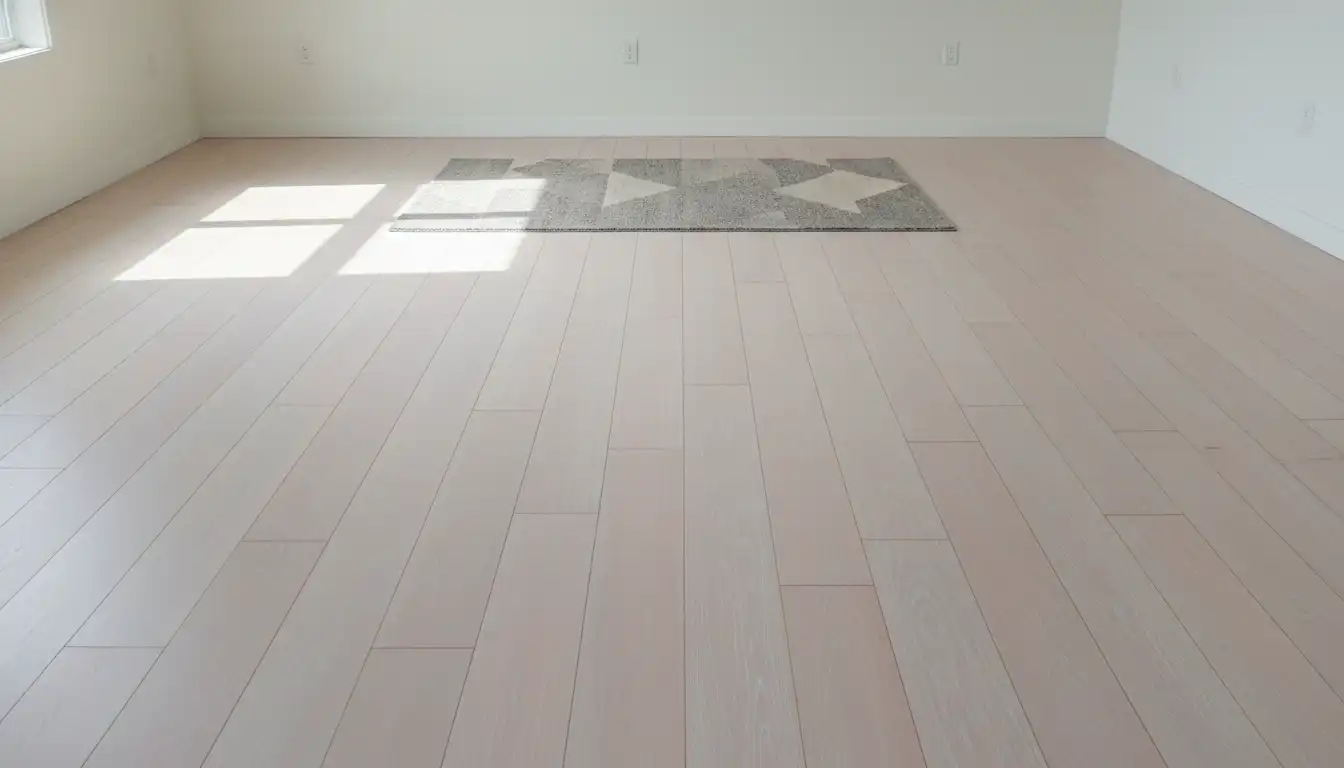
The application of NordicSeal is where the magic happens. The number of coats you apply will determine the intensity of the whitewashed effect. One coat will subtly mute the red tones for a more natural, raw wood look. Two coats will provide a more distinct, brighter white Scandinavian finish.
To avoid streaks, lap marks, and blotchiness, it’s crucial to maintain a wet edge during application, using tools like a T-bar or a high-quality roller. The product should be applied evenly and not spread too thin, following the recommended coverage rate. Each coat needs about two to three hours to dry under optimal humidity and temperature conditions.
Step 3: Choosing the Right Topcoat (Bona Traffic HD)
NordicSeal is just a sealer; it is not a protective topcoat. To protect your floors from scratches, wear, and spills, you must apply a durable polyurethane finish over it. The most common and highly recommended pairing is Bona Traffic HD, a commercial-grade water-based polyurethane known for its exceptional durability and non-yellowing properties.
The sheen you choose will also impact the final look. For a truly authentic Scandinavian or raw-wood appearance, an extra matte or satin finish is ideal. These low-sheen options diffuse light and hide minor imperfections, whereas a semi-gloss or gloss finish would create a shine that detracts from the intended aesthetic.
Comparing NordicSeal to Other Whitewashing Methods
Before NordicSeal, achieving a light look on red oak involved more aggressive or less predictable methods. Understanding the alternatives highlights why this sealer has become a preferred choice for many professionals and homeowners.
| Method | Process | Pros | Cons |
|---|---|---|---|
| Bona NordicSeal | Apply 1-2 coats of pigmented water-based sealer, then topcoat. | Excellent red tone neutralization, predictable results, low odor, fast dry time. | Can be tricky to apply without streaking; professional application recommended. |
| White Stain | Apply a white-pigmented stain directly to the sanded wood, then seal and topcoat. | Can achieve a very opaque white look. | Can look blotchy or “painted” if not applied perfectly; may not neutralize pink as effectively as NordicSeal. |
| Wood Bleach | A two-part chemical process (lye and hydrogen peroxide) to strip color from the wood fibers. | Removes the most color, creating a blank canvas. | Highly caustic and hazardous process; can damage wood fibers and lead to uneven, yellowed results if done incorrectly. |
| Oil-Based Whitewash/Pickling | Uses an oil-based white or pickling stain. | Can be easier for DIY application. | Prone to yellowing/ambering over time, which will counteract the whitewashed effect and bring back warmth. |
The Cost Factor: Is NordicSeal a DIY Project or Should You Hire a Pro?
Refinishing hardwood floors is a significant investment. While tackling it yourself can save money on labor, it’s a high-stakes project where mistakes can be costly to fix. The cost to professionally refinish hardwood floors typically ranges from $3 to $8 per square foot.
A DIY approach requires renting heavy machinery like a drum sander and edger, purchasing all materials (sandpaper, sealer, finish, applicators), and a significant time commitment. Given the tricky nature of applying a pigmented sealer like NordicSeal evenly, most experts recommend hiring a professional. The additional labor cost often outweighs the risk of a blotchy, unprofessional finish that you’ll have to live with for years. Discussing flooring as part of a larger renovation is common, and understanding the cost to move stairs or other structural elements can help in overall budget planning.
Long-Term Care for Your NordicSeal Floors
Once your beautiful new floors are cured, proper maintenance is essential to keep them looking pristine. The first 48 hours are critical; avoid walking on the floors if possible and do not place any furniture or rugs as the finish continues to harden. For routine cleaning, use a microfiber mop and a pH-neutral cleaner specifically designed for hardwood floors, like Bona’s own cleaning products.
Place felt pads under all furniture legs to prevent scratches and use area rugs in high-traffic zones. Taking care of your home’s infrastructure is also key to protecting your investment. For instance, ensuring you have clean water by looking into a home depot water test call can prevent issues that might indirectly affect your home’s environment and your floors.
Beyond the Floors: Completing the Modern Look
Your newly lightened floors create the perfect foundation for a modern, Scandinavian, or coastal-inspired home. Complement them with light, neutral wall colors like soft whites, grays, or muted blues. To maintain a clean and uncluttered look, consider details down to the hardware on your walls. Thinking about elements like what are blank wall plates used for and ensuring all fixtures are updated can complete the cohesive, modern aesthetic you’ve started with your floors.
Frequently Asked Questions about NordicSeal on Red Oak
Will NordicSeal completely hide the red in my oak floors?
No, it does not completely obscure the wood’s natural character. It neutralizes and significantly tones down the pink/red hues, giving the wood a lighter, cooler, and more neutral appearance that resembles white oak.
Can I use an oil-based topcoat over NordicSeal?
It is strongly advised against. Using an oil-based polyurethane will cause the floor to yellow or amber over time, completely defeating the purpose of using NordicSeal to create a light, cool-toned finish.
How many coats of Bona Traffic HD do I need?
For residential use, two coats of Bona Traffic HD over the sealer are standard for robust protection. For commercial or very high-traffic areas, a third coat may be recommended.
The Final Verdict: Is NordicSeal the Right Choice for Your Red Oak?
If you own red oak floors but crave the light, airy aesthetic of modern Scandinavian design, Bona NordicSeal is arguably the most effective solution on the market. It directly addresses the primary challenge of red oak—its persistent pink undertones—without resorting to harsh chemical bleaches or unpredictable stains.
While the application demands care and is often best left to professionals, the transformative result is undeniable. It turns dated, reddish-orange floors into a bright, sophisticated, and versatile foundation for the contemporary home, proving that you don’t need to replace your red oak to achieve the look of white oak.
