
Noisy Sheets Driving You Mad? Here’s Why Your Bed Sounds Like a Chip Bag
There are few things more frustrating than being woken up by your own movement. You shift your leg, and a loud crinkling sound fills the silent bedroom, jarring you out of a peaceful slumber. If you’ve ever felt like you’re trying to sleep inside a bag of potato chips, you know the unique misery of noisy sheets.
This surprisingly common issue can turn a restful night into a source of constant irritation, especially for light sleepers or those who share a bed. But what causes this distracting rustling, and more importantly, how can you stop it? The answer lies in the fabric, the weave, and a few simple tricks to restore tranquility to your bedroom.
You'll Learn About
The #1 Culprit Behind Noisy Sheets: Fabric and Weave
The primary reason your sheets sound like rustling paper is the combination of the material and the way it’s woven. Not all fabrics are created equal when it comes to noise, and understanding the differences is the first step toward a quieter night’s sleep.
Why Percale is a Prime Offender
Crisp, cool, and matte—these are the hallmarks of a percale weave. This popular cotton fabric is made with a simple one-thread-over, one-thread-under pattern. This tight grid-like structure is what gives percale its signature crispness, but it’s also the source of its noise.
When the tightly woven fibers rub against each other, they create a distinct crinkling sound. While many people love the fresh, hotel-like feel of percale, sensitive sleepers may find the noise disruptive. The sound often diminishes with repeated washing as the fibers relax, but a brand-new set can be particularly loud.
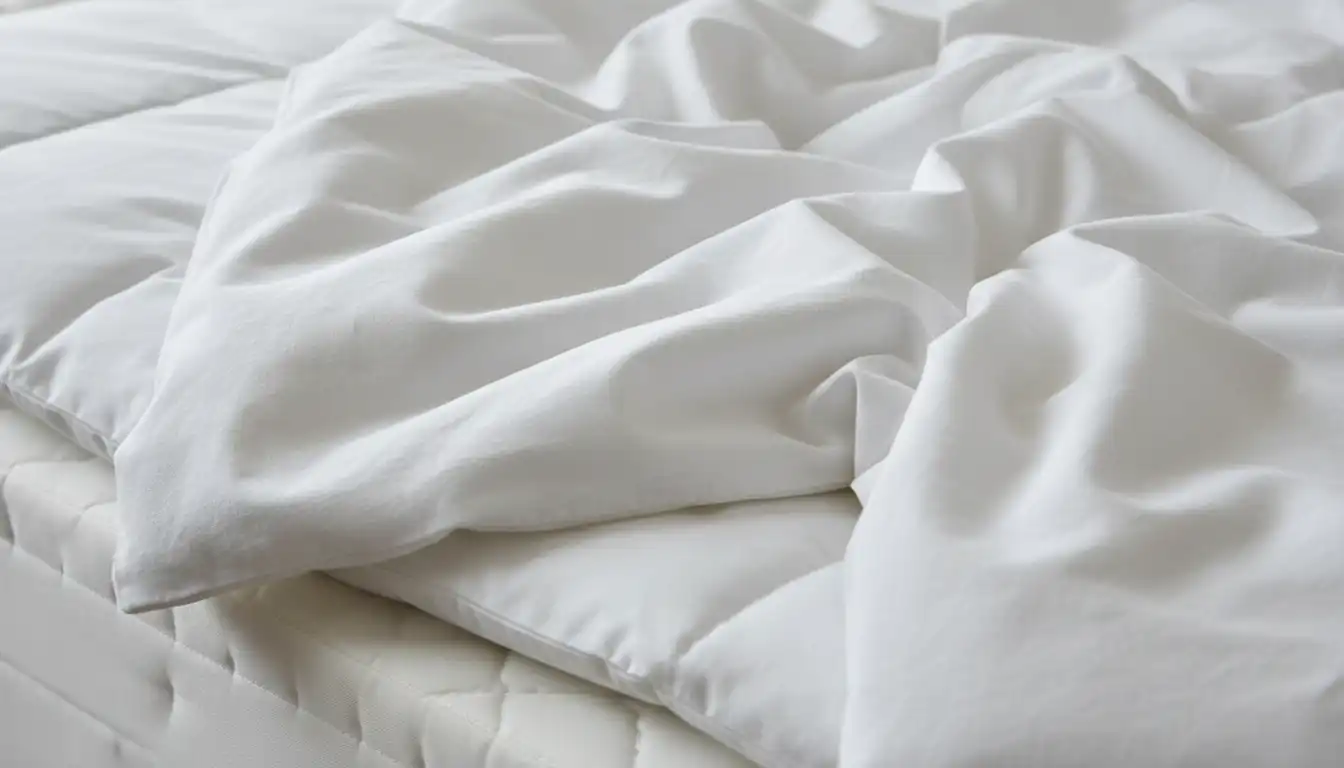
The Role of Manufacturing Finishes
Many new sheets are treated with chemicals or sizing agents during manufacturing. These finishes help the sheets look pristine and wrinkle-free in the packaging, but they also create a stiff, starchy feel. This initial stiffness significantly contributes to the rustling sound.
Fortunately, these finishing agents are not permanent. They are designed to wash out over time. This is why sheets, especially high-quality cotton ones, almost always get softer and quieter with each laundry cycle.
Your Ultimate Guide to Quieting Crinkly Sheets
You don’t have to throw out your favorite crisp sheets to get a good night’s sleep. With the right washing techniques and a little patience, you can dramatically reduce the noise and enhance their softness. Follow these steps to transform your noisy sheets into a silent sanctuary.
Step 1: The Initial “Softening” Wash
Before you even put new sheets on your bed, give them a special first wash designed to break down stiff fibers and remove manufacturing residues. This is the most crucial step to combat noise.
For this initial wash, skip the detergent. Instead, add one cup of baking soda directly into the drum with the sheets. Baking soda is a natural cleaning agent that helps to soften fabrics and strip away chemical residues.
Step 2: Harness the Power of Vinegar
During the rinse cycle of that first wash, add one cup of distilled white vinegar. You can pour it into the fabric softener dispenser for a timed release. Vinegar acts as a natural fabric softener, breaking down minerals and leaving the fibers smoother and more flexible.
Don’t worry about the smell. The vinegar scent will wash out completely, leaving your sheets feeling soft and fresh without any lingering odor. This baking soda and vinegar combination is a powerful, all-natural way to accelerate the softening process.
Step 3: Perfect Your Drying Technique
How you dry your sheets is just as important as how you wash them. High heat can damage cotton fibers, making them brittle and stiff. Always tumble dry your sheets on a low or medium heat setting.
To further soften them and reduce wrinkles, add a few wool dryer balls to the dryer. These balls bounce around with the laundry, separating the fabric to allow better airflow and physically beating the fibers into a softer state. Remove the sheets promptly when the cycle is done to prevent wrinkles from setting in.
Choosing the Right Bedding for Silent Nights
If you’re in the market for new bedding and want to prioritize silence, the material you choose is paramount. Some fabrics are naturally quieter and softer right out of the package, making them ideal for noise-sensitive sleepers.
The Quietest Bed Sheet Fabrics
When silence is golden, look for fabrics known for their smooth, fluid drape. These materials have weaves and fiber structures that minimize friction and, therefore, noise.
Top choices for quiet bedding include:
- Sateen: Not to be confused with satin, sateen is a cotton fabric made with a three- or four-threads-over, one-thread-under weave. This structure exposes more of the thread surface, creating a silky-smooth, lustrous finish that glides quietly.
- Jersey: Essentially t-shirt fabric for your bed, jersey is a knit material that is soft, stretchy, and inherently silent. It’s a cozy, casual option perfect for those who prioritize comfort and quiet.
- Bamboo/Tencel: Fabrics derived from bamboo or eucalyptus (like Tencel) are renowned for their incredible softness and smooth, drapey quality. They are exceptionally quiet and also offer excellent temperature regulation.
- Brushed Cotton or Flannel: These materials are physically brushed to raise the surface fibers, creating a soft, fuzzy texture that is exceptionally quiet and cozy, making them perfect for colder months.
Bedding Noise Comparison Table
To help you make an informed decision, here is a breakdown of common bedding materials and their typical characteristics. Remember that quality within each category can vary, but this serves as a general guide.
| Fabric Type | Typical Noise Level | Feel | Breathability |
|---|---|---|---|
| Cotton Percale | High (initially) | Crisp & Cool | Excellent |
| Cotton Sateen | Low | Silky & Smooth | Good |
| Jersey | Very Low | Soft & Stretchy | Good |
| Linen | Medium (softens over time) | Textured & Airy | Excellent |
| Bamboo/Tencel | Very Low | Very Soft & Drapey | Excellent |
| Flannel | Very Low | Fuzzy & Warm | Moderate |
Beyond the Sheets: Uncovering Other Bedroom Noise Sources
Sometimes, the sheets themselves are not the only source of disruptive crinkling. If you’ve quieted your sheets but still hear noise, it’s time to investigate the other layers of your bed. The solutions here are often simple but can make a world of difference.
The Hidden Crinkle of Mattress Protectors
The number one hidden noise-maker in a bed is often the mattress protector. Many waterproof protectors are made with a vinyl or polyurethane backing to block liquids, and this plastic-like layer can be incredibly noisy, creating a crinkling sound with every movement.
To solve this, look for mattress protectors specifically designed to be quiet. Modern options use advanced materials with a soft, fabric-like feel that provide waterproof protection without the noise. Protectors with a cotton or bamboo terry top surface are often excellent choices for a silent, comfortable experience.
Noisy Duvet Inserts and Comforters
Believe it or not, your comforter or duvet insert can also be a source of sound. The outer shell of some inserts, particularly those designed to be down-proof, can be made from a tightly woven cambric cotton. This dense weave prevents feathers from poking through but can have an audible crinkle, similar to percale sheets.
If your duvet insert is the culprit, the noise will lessen over time with use and washing. Alternatively, using a soft duvet cover made from a quiet material like sateen, bamboo, or flannel can effectively muffle any sounds coming from the insert itself.
Achieving a peaceful bedroom environment goes beyond just your bedding. Creating a truly quiet space involves addressing all potential noise sources, from the bed itself to the very foundation of the room. Thinking about sound from the ground up, such as ensuring you have a silent subfloor, can contribute to an overall sense of tranquility.
Final Thoughts on Achieving a Silent Sleep Haven
Noisy sheets are a solvable problem. By understanding that the noise comes from the stiffness of the fabric’s weave and any residual manufacturing finishes, you can take clear, actionable steps to fix it. A simple wash with baking soda and vinegar can dramatically speed up the softening process for crisp fabrics like percale.
If you’re starting fresh, choosing inherently quiet materials like sateen, jersey, or bamboo will ensure a silent sleep experience from the very first night. And don’t forget to check your mattress protector and duvet insert, as these hidden layers are often overlooked sources of frustrating crinkling sounds. With these tips, you can finally stop your bed from sounding like a snack bag and get back to the deep, undisturbed sleep you deserve.
