
No Tile Shower Pan: The Ultimate Fix for Hated Grout & Leaks!
That beautiful tile shower you once loved has become a source of endless frustration. You spend hours on your hands and knees scrubbing grout lines that never seem to get clean. You worry about dark spots in the corners, wondering if it’s mold, and you live with a nagging fear that water might be seeping into the floor below. This is the unfortunate reality for countless homeowners who discover that traditional tiled showers, despite their initial appeal, often become high-maintenance headaches.
The core of the problem lies in the grout itself. Grout is a porous material, a cement-based filler that, over time, can crack, crumble, and absorb moisture. Each grout line is a potential entry point for water, leading to issues like leaks, water damage to the subfloor, and the persistent growth of mold and mildew. This constant battle against grime and potential structural damage is precisely why so many are now seeking a better, more permanent solution: the no tile shower pan.
You'll Learn About
Why Your Tiled Shower Floor Is a Problem Waiting to Happen
A tiled shower floor isn’t a single, solid surface. It’s a system of individual tiles held together by a network of grout lines, and this system is inherently vulnerable. Water is relentless, and even a pinhole-sized crack in the grout can allow moisture to penetrate the underlying layers, a situation that often goes undetected until significant damage has occurred.
Common signs of a failing tile shower include crumbling or cracked grout, loose tiles, and a spongy feeling underfoot, which often indicates water damage beneath. Homeowners also struggle with efflorescence, a white, powdery residue that appears on grout as water evaporates and leaves mineral salts behind. These issues are more than just cosmetic; they point to a breakdown in the shower’s waterproofing integrity. If you’re experiencing these frustrations, you might find some familiar problems with mosaic tile shower floors, which only multiply the number of grout lines to maintain.
The Modern Solution: A Seamless, Grout-Free Foundation
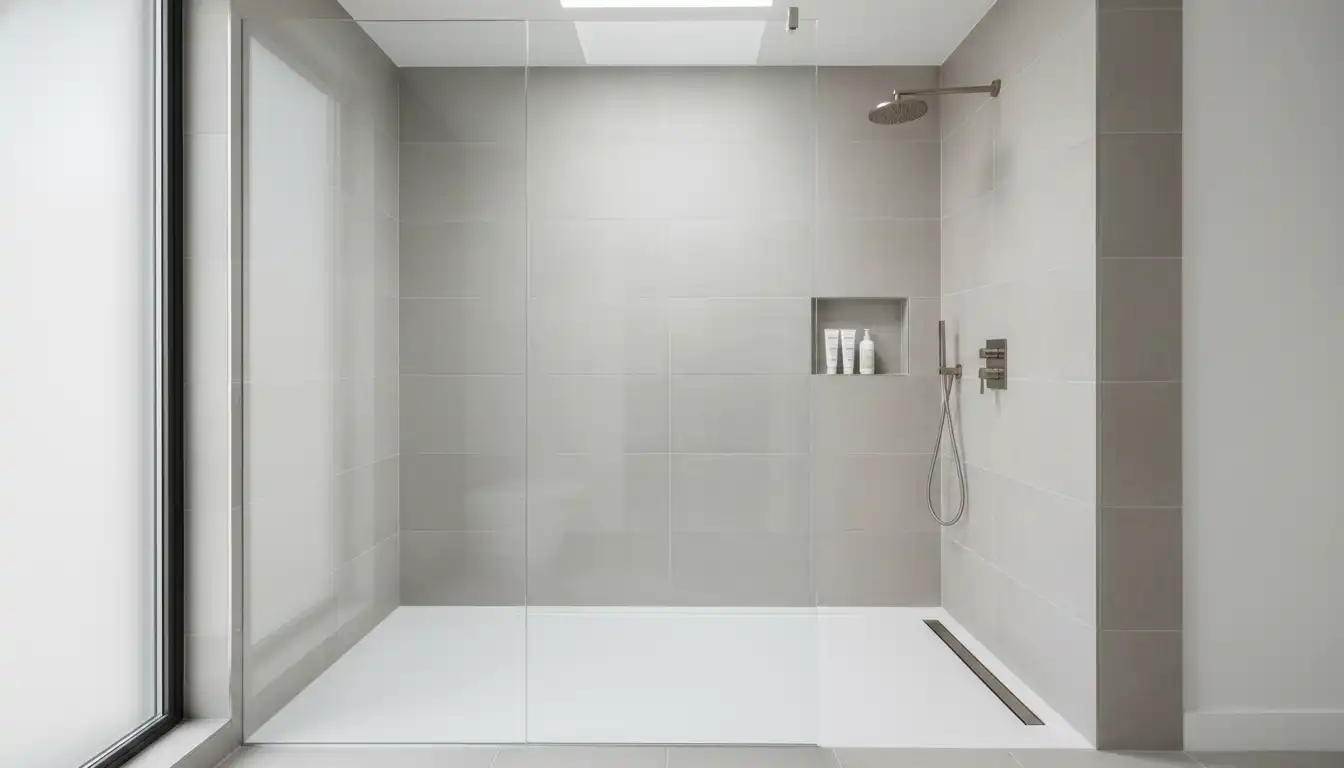
A no tile shower pan, also known as a shower base, is a single, pre-formed, waterproof unit that serves as the floor of your shower. Because it’s a solid, one-piece construction, it has no grout lines to clean or fail. This design eliminates the primary weakness of tiled floors, offering a leak-proof, low-maintenance, and highly durable foundation for your shower. These pans come in a wide range of materials, each offering a unique blend of benefits in terms of cost, durability, and aesthetics.
Choosing a one-piece base simplifies both installation and daily upkeep. Most can be installed in less than a day, a fraction of the time required for a traditional mud bed and tile installation. For homeowners tired of the endless cycle of scrubbing and sealing, a solid shower pan is a transformative upgrade that provides lasting peace of mind.
Exploring the Best Materials for a No Tile Shower Pan
When you decide to move away from tile, you’ll find several excellent material options for your new shower pan. Understanding the pros and cons of each will help you select the perfect base for your bathroom’s style, your budget, and your lifestyle.
Acrylic: The Popular All-Rounder
Acrylic shower pans are one of the most popular choices on the market, and for good reason. They are formed from a single sheet of acrylic, which is heated and molded into shape, then reinforced with fiberglass for strength. The result is a pan that is lightweight, affordable, and easy to handle during installation.
One of the key benefits of acrylic is its non-porous surface, which is naturally resistant to mold, mildew, and staining. It’s also warm to the touch, making for a more comfortable showering experience than cold tile. While generally durable, acrylic can be more susceptible to scratches than harder materials, but its overall value and ease of maintenance make it a top contender.
Solid Surface: The Premium and Durable Choice
For those seeking luxury and ultimate durability, solid surface shower pans are an excellent investment. Materials like cultured marble, granite, and proprietary composites (often made from a blend of minerals and resins) offer a stone-like feel and appearance without the porosity of natural stone. These bases are incredibly robust, resisting scratches, chips, and stains effectively.
A major advantage of solid surface materials is their consistency in color and pattern throughout the entire thickness of the pan. This means that if a deep scratch were to occur, it could often be buffed out without leaving a noticeable mark. While heavier and more expensive than acrylic, the longevity and high-end look of a solid surface pan make it a worthwhile upgrade for a master bathroom.
Fiberglass (Gelcoat): The Budget-Friendly Option
Fiberglass shower pans are the most affordable option, making them a common choice for budget-conscious renovations. They are made by spraying a gelcoat finish over a fiberglass mold. Like acrylic, they are lightweight and relatively simple to install.
However, the lower cost comes with trade-offs. The gelcoat finish is thinner and less durable than the solid acrylic of other pans, making it more prone to scratching, fading, and cracking over time. While a good option for a guest bathroom that sees infrequent use, fiberglass may not offer the long-term durability required for a primary shower.
Cast Iron: The Heavy-Duty Classic
Cast iron shower pans are the heavyweights of the category, known for their exceptional durability and solid feel underfoot. Coated in a thick layer of enamel, they are highly resistant to scratches and chipping. A cast iron base can easily last for decades with proper care, making it a true “buy it for life” product.
The main drawbacks are weight and temperature. Cast iron pans are extremely heavy, often requiring multiple people and reinforced flooring for installation. They also feel cold to the touch, which can be a bit of a shock on chilly mornings. Despite this, their classic look and unmatched sturdiness keep them relevant in modern bathroom design.
Material Comparison at a Glance
To simplify your decision, this table breaks down the key characteristics of the most common no tile shower pan materials.
| Material | Average Cost (Pan Only) | Durability | Maintenance Level | Best For |
|---|---|---|---|---|
| Acrylic | $200 – $600 | Good | Low | All-around value and daily use |
| Fiberglass (Gelcoat) | $150 – $400 | Fair | Low | Budget projects and low-traffic bathrooms |
| Solid Surface | $500 – $1,200+ | Excellent | Very Low | Luxury, high-end aesthetics, and long-term performance |
| Cast Iron | $400 – $900 | Excellent | Low | Ultimate durability and a classic, solid feel |
Installation and Design Considerations
While installing a one-piece shower pan is generally faster than tiling, success depends on a perfectly prepared foundation. The subfloor must be completely level and solid to prevent the pan from flexing or cracking under weight. Many installers set the pan in a mortar bed to ensure full, even support.
From a design perspective, no tile pans are the cornerstone of a modern, minimalist aesthetic. They pair beautifully with large-format wall tiles or solid wall panels to create a sleek, grout-free shower enclosure. Many models are available in low-profile or zero-entry (curbless) designs, which are not only stylish but also enhance accessibility for individuals with mobility challenges.
Creating a Fully Waterproof Shower System
A waterproof shower pan is only one part of the equation. To create a truly leak-proof and low-maintenance shower, you must consider the entire shower “envelope”—the floor and the walls working together as a sealed system. Pairing your no tile shower pan with waterproof wall panels made from materials like acrylic, solid surface, or PVC composites eliminates grout lines entirely.
This holistic approach ensures there are no weak points for water to exploit. It’s a modern construction method that prioritizes long-term performance over traditional aesthetics. Furthermore, ensuring proper bathroom ventilation is critical. Upgrading your exhaust fan, such as with a NuTone 696n b-unit upgrade, will help manage moisture and prevent the growth of mold and mildew, protecting your investment for years to come.
Frequently Asked Questions About No Tile Shower Pans
Making the switch from tile raises some common questions for homeowners. Here are the answers to some of the most frequent concerns.
Are one-piece shower pans slippery?
Most modern shower pans are designed with safety in mind. They typically feature a lightly textured surface that provides excellent slip resistance, even when wet and soapy. This built-in texture is often more effective and easier to clean than the combination of small tiles and grout lines, which can be deceptively slick.
Can a solid shower pan be repaired if it gets damaged?
Repairability depends on the material. Solid surface pans are the most forgiving; scratches and minor chips can often be sanded and polished to become virtually invisible. Acrylic is also repairable using specialized kits, though deep damage may be harder to conceal. Fiberglass is the most difficult to repair seamlessly, and cast iron enamel chips will likely require professional refinishing.
What is the long-term value of a no tile shower pan?
While the initial cost of a high-quality solid pan may be comparable to or slightly more than a basic tile installation, the long-term value is significant. You save money and time on maintenance, as there is no grout to scrub, seal, or eventually replace. Most importantly, you gain invaluable peace of mind by drastically reducing the risk of leaks and costly water damage repairs down the line.
The Final Word: Embrace a Grout-Free Future
Moving away from a traditional tiled shower floor is more than just a design choice; it’s a practical decision to create a more durable, hygienic, and stress-free bathroom. A no tile shower pan solves the fundamental problems of grout-related failures and maintenance. By providing a seamless, waterproof foundation, it allows you to enjoy a beautiful shower without the constant worry of cleaning and potential leaks.
Whether you choose the balanced value of acrylic, the budget-friendliness of fiberglass, or the premium performance of solid surface, you are investing in a smarter, more reliable solution. For a truly worry-free renovation, consider extending this grout-free philosophy to the walls as well, creating a completely sealed and easy-to-clean shower space that will stand the test of time.
