
No Kitchen Table Just Island: Your Guide to a Flawless Layout
The modern home is evolving. Formal dining rooms are becoming a thing of the past as homeowners embrace open-concept living and multifunctional spaces. This shift has placed the kitchen island at the center of a major design debate: can it truly replace the traditional kitchen table?
For many, the idea of forgoing a dedicated dining table in favor of a large, versatile island is a game-changer. It promises a streamlined aesthetic, improved traffic flow, and a more casual, connected way of living. Yet, this decision comes with its own set of challenges and crucial considerations.
You'll Learn About
The Big Question: Is an Island-Only Kitchen Right for You?
Making the leap to an island-only dining setup isn’t just a design choice; it’s a lifestyle choice. Before committing, it’s essential to evaluate whether this modern layout aligns with your daily habits, entertaining style, and the physical constraints of your space. An island can offer incredible functionality or become a daily frustration if not planned correctly.
Consider your family’s needs for daily meals, homework sessions, and social gatherings. A well-designed island can serve all these purposes, but factors like seating comfort, size, and clearance are non-negotiable for success. This approach merges the heart of the home into one central, dynamic hub.
The Pros and Cons at a Glance
Weighing the advantages and disadvantages is a critical step. An island can offer increased prep space and storage, creating a social hub for casual entertaining. However, it might lack the formality and seating capacity of a traditional table, and comfort can be a concern for long meals.
| Feature | Multi-Functional Kitchen Island | Traditional Dining Table |
|---|---|---|
| Space Efficiency | Excellent; combines prep, storage, and dining in one footprint. | Requires a dedicated, separate space, which can feel redundant. |
| Functionality | Highly versatile: food prep, casual meals, homework station, buffet server. | Primarily for dining and seated activities. |
| Social Aspect | Promotes interaction; guests and family can gather around the cook. | More formal; separates the cook from guests until the meal is served. |
| Seating Comfort | Can be less comfortable for long periods (often stools). | Generally more comfortable with standard chairs and ample legroom. |
| Formality | Inherently casual and informal. | Ideal for formal dinners and special occasions. |
| Storage | Significant advantage; base can be filled with cabinets and drawers. | No integrated storage options. |
Designing the Perfect Dining Island: From Concept to Reality
A successful island-only kitchen hinges on meticulous design. It’s not enough to simply place a large counter in the middle of your kitchen. Every detail, from its dimensions to the choice of seating, must be thoughtfully considered to create a space that is both beautiful and supremely functional.
The goal is to create a central feature that feels intentional, comfortable, and capable of handling everything from a quick breakfast to a lively dinner party. This requires a deep dive into the specifics of layout, materials, and ergonomics.
Size and Clearance: The Foundation of Functionality
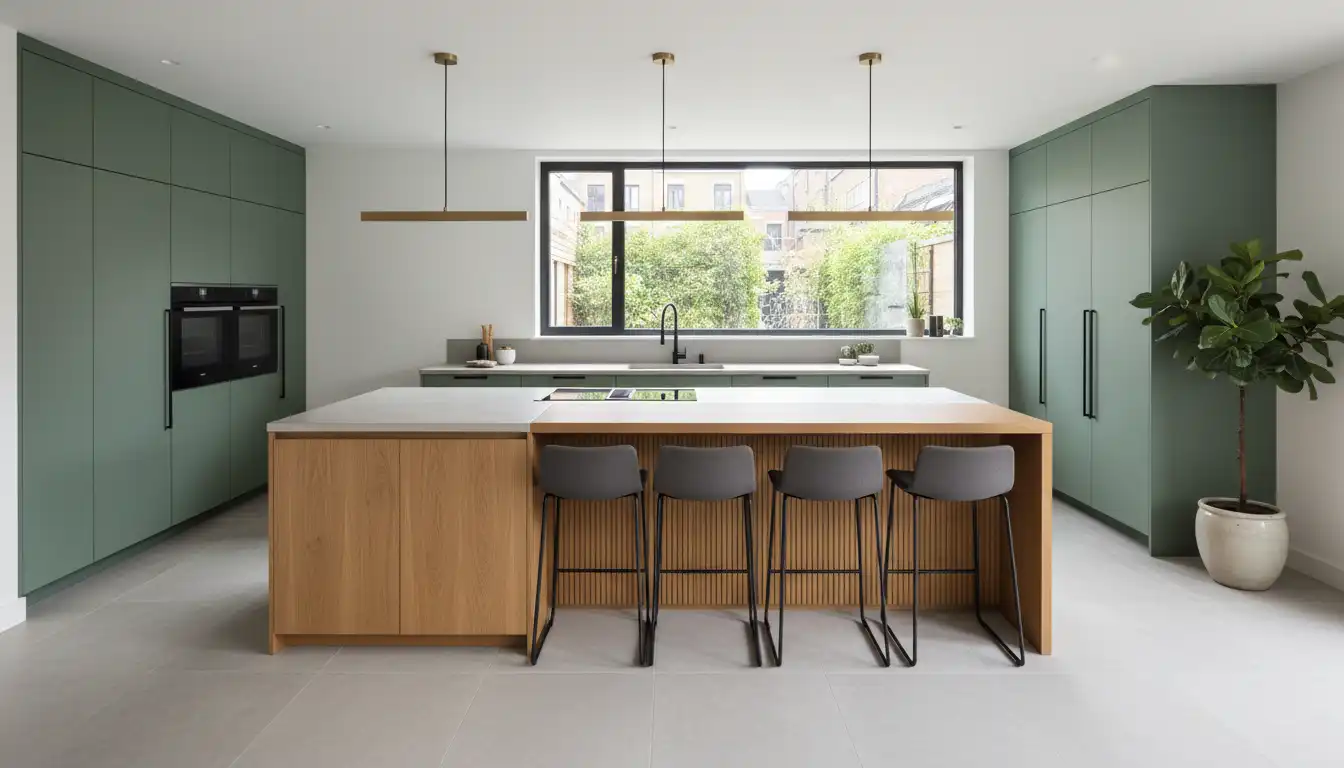
The single most important factor is space. An island that’s too large will make a kitchen feel cramped, while one that’s too small won’t be useful. For a functional dining island, a minimum length of 4 feet is recommended to seat two people, with additional length needed for more seats. A critical, often-overlooked element is the countertop overhang, which provides necessary legroom. A 9- to 12-inch overhang is considered a comfortable minimum for seating.
Equally important are the clearance zones around the island. There should be at least 42 to 48 inches of open space around all sides to allow for comfortable traffic flow and for appliance doors to open fully. Considering details like having 5 feet between island and counter can be a genius move in high-traffic kitchens, ensuring the space remains open and functional.
Seating Solutions: Comfort is Non-Negotiable
The success of your dining island heavily relies on the comfort of its seating. Standard bar stools without backs are fine for a quick coffee but become uncomfortable during a full meal. For an island that will serve as your primary dining spot, invest in high-quality, comfortable seating.
Look for counter-height stools with supportive backs, footrests, and cushioned seats. Swivel chairs can also be a great option for encouraging conversation and making it easier to get in and out. The material and style of the stools should complement the overall design of your kitchen, tying the entire look together.
Material Matters: Durability Meets Design
Your island countertop will be a high-use surface, so choosing the right material is vital. Quartz is a popular choice due to its durability, low maintenance, and wide range of styles. Granite and quartzite offer natural beauty and excellent heat resistance. For a warmer, more traditional feel, a butcher block countertop can be a great option, though it requires more maintenance.
Consider the visual weight of the island as well. A waterfall edge, where the countertop material flows down the sides of the island, can create a stunning, modern focal point. The material and color you choose will set the tone for the entire kitchen space.
Beyond the Basics: Advanced Features for Your Dining Island
To truly elevate your island from a simple counter to a multifunctional hub, consider integrating advanced features. Thoughtful additions for power, storage, and lighting can dramatically increase its day-to-day usability and make it the true heart of your home.
These features address the practical realities of modern life, ensuring your island can accommodate everything from stand mixers and laptops to homework and entertaining.
Integrated Storage and Appliances
One of the primary benefits of an island is the immense storage potential in its base. Think beyond standard cabinets and incorporate deep drawers for pots and pans, pull-out shelves for small appliances, or even specialized storage for wine bottles or trays. For a seamless look, consider how clever hardware, like advanced appliance garage hinges, can help conceal countertop clutter within the island itself.
Integrating a microwave drawer, a prep sink, or an under-counter beverage fridge into the island can also significantly improve your kitchen’s workflow. These additions free up perimeter counter space and centralize key functions.
Lighting and Power: Setting the Mood and Function
Lighting is crucial for defining the island as a distinct zone. A set of stylish pendant lights not only illuminates the workspace but also acts as a powerful design statement. It is essential to get the placement right; after all, dealing with pendant lights not centered over island can be a frustrating fix later on. Dimmers are a must-have to transition from bright task lighting for cooking to a softer, ambient glow for dining.
Don’t forget to integrate power outlets. Pop-up outlets that sit flush with the countertop are a sleek solution for keeping laptops and small appliances charged without cluttering the look. Also, consider the airflow in your kitchen. While a large island takes center stage, related fixtures like a ceiling fan over kitchen island must be considered carefully for both safety and code compliance.
Common Mistakes to Avoid in an Island-Only Layout
Transitioning to an island-centric kitchen requires careful planning to sidestep common design pitfalls. A poorly executed island can lead to an awkward, uncomfortable, and inefficient space. Awareness of these potential mistakes is the first step toward creating a layout that you will love for years to come.
From ignoring ergonomics to creating traffic jams, these errors can undermine the very benefits you’re hoping to achieve. Pay close attention to these details during the design phase to ensure a flawless result.
Mistake #1: Ignoring Seating Comfort
The most frequent error is choosing aesthetics over ergonomics. Selecting backless, non-adjustable stools because they look minimalist is a recipe for regret. Prioritize seating that offers proper back support and footrests to ensure that family and guests can enjoy lingering over meals without discomfort.
Mistake #2: Insufficient Landing Space
Your island is not just for dining; it’s a primary work zone. Ensure there is ample clear counter space—or “landing space”—next to any integrated appliances like a cooktop or sink. This is essential for placing hot pans, washed vegetables, or groceries without feeling cramped.
Mistake #3: Poor Traffic Flow
Forgetting to account for adequate clearance around the island is a critical failure. This creates bottlenecks, especially in a busy kitchen with multiple people. Always maintain at least 42 inches of walkway on all sides to ensure the kitchen remains a functional and pleasant space to move through.
The Verdict: Embracing the Future of Kitchen Design
Opting for a kitchen with no table and just an island is a bold design move that reflects a modern approach to home life. It champions casual interaction, efficiency, and open, airy spaces. When designed with care, the dining island becomes far more than a place to eat—it becomes the command center of the home.
By focusing on functionality, comfort, and smart design, you can create a versatile and inviting hub that perfectly suits the dynamic needs of contemporary living. This isn’t just a trend; it’s a thoughtful evolution of the heart of the home.
