
Never Buy a 2-Bedroom House? The #1 Myth Holding You Back
There’s an old piece of real estate advice that gets passed around like a sacred text: “Never buy a 2-bedroom house.” This warning is often delivered with a sense of gravity, suggesting that such a purchase is a guaranteed path to financial regret and limited resale potential. Many prospective buyers hear this and immediately narrow their search to three-bedroom homes, fearing they’ll be stuck with an undesirable property.
But is this advice still relevant, or is it an outdated rule of thumb that no longer applies to modern lifestyles and housing markets? The truth is more complex. While a two-bedroom home isn’t the right fit for everyone, writing it off completely could mean missing out on a smart, affordable, and perfectly suitable housing solution. This article debunks the myth and explores why a two-bedroom house might be the best decision you ever make.
You'll Learn About
The “Case Against” Two Bedrooms: Why the Warning Exists
To understand why the two-bedroom stigma is so persistent, it’s important to acknowledge the concerns that fuel it. These issues aren’t entirely baseless, but they often paint an incomplete picture. For decades, the traditional housing market has catered to a specific ideal: the nuclear family. This has shaped perceptions of what a “good” investment property looks like.
The Resale Value Anxiety
The primary fear surrounding two-bedroom homes is their supposed difficulty in resale. The logic is straightforward: a smaller pool of potential buyers means less demand, which could lead to a lower selling price and more time on the market. Real estate has long operated under the assumption that “bigger is better,” with three-bedroom homes considered the gold standard for attracting families, the largest demographic of homebuyers.
This creates a self-fulfilling prophecy. If buyers are constantly told that two-bedroom homes are undesirable, they become hesitant to purchase one, which in turn reinforces the market perception. This anxiety is a powerful deterrent, even when the numbers and local market trends might suggest otherwise.
The Space Crunch: Outgrowing Your Home
Another significant concern is the risk of outgrowing the space too quickly. Life is unpredictable. A couple might plan to remain child-free, only to change their minds a few years later. The rise of remote work has also transformed a second bedroom from a “nice-to-have” guest space into a “must-have” home office, leaving no room for other needs.
This fear is especially potent for first-time homebuyers who hope to stay in their new home for many years. The thought of having to move again in just a few years due to a lack of space can make a seemingly affordable two-bedroom house feel like a short-sighted and costly mistake. The transaction costs of selling and buying another home can easily wipe out any initial savings.
The “Awkward Middle Child” of Real Estate
Two-bedroom houses can sometimes feel like the “awkward middle child” of the property market. They may seem too large and expensive for a single person who could comfortably live in a one-bedroom condo, yet too small for a growing family that needs more space to spread out. This perception can make it seem like the target audience is frustratingly narrow.
This is particularly true in suburban areas dominated by larger family homes. In such neighborhoods, a two-bedroom house might stand out for the wrong reasons, making it harder to attract buyers who are looking for properties that fit the local norm. The unique appeal of a two-bedroom home can be lost in a market that prioritizes square footage above all else.
Debunking the Myth: Why a 2-Bedroom Might Be Your Smartest Move
Despite the persistent warnings, the reality is that a two-bedroom home can be an incredibly smart financial and lifestyle choice. The housing market is evolving, and so are the needs of buyers. Dismissing a two-bedroom property based on outdated advice means ignoring a host of powerful benefits that align perfectly with modern living.
From affordability to flexibility, these smaller homes offer advantages that larger properties simply can’t match. For many people, a two-bedroom house isn’t a compromise; it’s the ideal solution.
Affordability and Accessibility: Your Entry into Homeownership
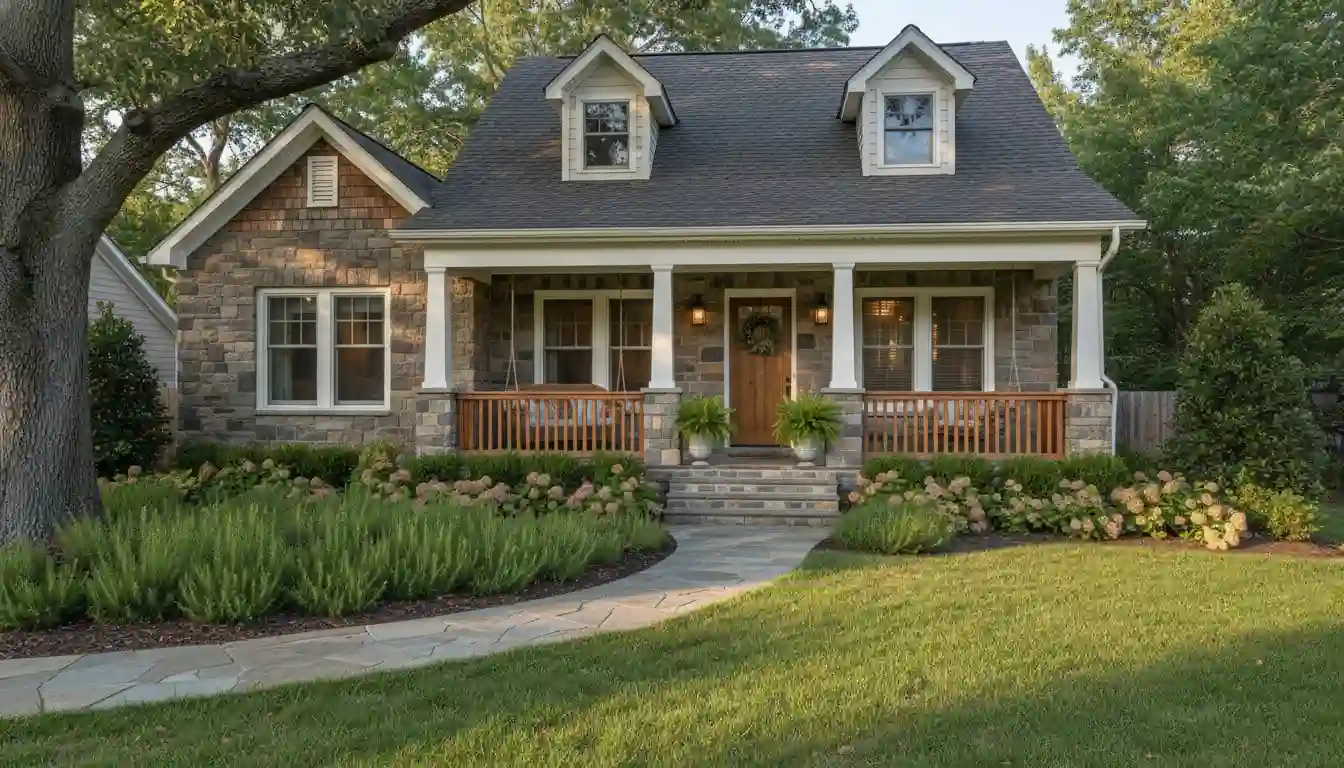
For many first-time buyers, the biggest hurdle to homeownership is the down payment and monthly mortgage. Two-bedroom homes are typically more affordable than their three-bedroom counterparts, making them an accessible entry point into the property market. This lower price point means a smaller loan, reduced property taxes, and cheaper homeowners insurance.
This financial advantage cannot be overstated. Securing a more manageable mortgage frees up cash for other investments, savings, or home improvements. It provides a level of financial flexibility that can significantly reduce the stress associated with homeownership and allow you to start building equity sooner.
The Minimalist Advantage: Lower Costs, Less Maintenance
A smaller home comes with smaller bills and less work. Fewer rooms mean lower heating and cooling costs, less space to furnish, and less time spent cleaning and maintaining the property. This “minimalist advantage” translates into tangible savings of both time and money over the long term.
This benefit appeals to a wide range of buyers, from young professionals who value their free time to retirees looking to downsize and simplify their lives. The freedom from being “house poor”—where all your income goes toward maintaining a large property—is a significant lifestyle upgrade.
The Perfect Fit for Modern Lifestyles
The traditional nuclear family is no longer the only—or even the primary—driver of the housing market. Today’s buyers are a diverse group that includes single professionals, child-free couples, empty nesters, and small families. For these demographics, a two-bedroom home is often the perfect size.
The rise of remote work has also made two-bedroom homes more desirable than ever. The second bedroom can serve as a dedicated home office, providing a clear separation between work and living spaces. This flexibility makes a two-bedroom layout highly practical for modern professional and personal needs.
Strategic Considerations Before You Buy a Two-Bedroom Home
While a two-bedroom house can be an excellent investment, it’s crucial to approach the purchase with a strategic mindset. Not all two-bedroom properties are created equal, and factors like location, layout, and potential for expansion can dramatically impact its long-term value and livability. Making an informed decision requires looking beyond the bedroom count and evaluating the property as a whole.
Location, Location, Location: The Great Equalizer
The old real estate adage holds particularly true for smaller homes. A two-bedroom house in a highly desirable location will always be a better investment than a larger home in a less popular area. Proximity to good schools, public transportation, parks, and amenities can make a smaller home incredibly attractive to a wide range of buyers.
In urban areas or popular neighborhoods, where space is at a premium, a two-bedroom property can be a hot commodity. Buyers in these markets are often willing to trade square footage for a shorter commute or a more vibrant community, making location the ultimate trump card in determining a property’s appeal and resale value.
Zoning and Expansion: The Secret to Future-Proofing
One of the most overlooked aspects when buying a smaller home is its potential for future expansion. Before you buy, it’s essential to research local zoning laws and building regulations. Does the property have enough land to accommodate an addition? Are there restrictions on height or lot coverage that could limit your options?
A two-bedroom home with the potential to be converted into a three-bedroom property offers the best of both worlds: an affordable entry point with the option to add significant value later. Even the potential to add a small office, a bathroom, or finish a basement can dramatically increase the home’s functionality and appeal to future buyers, making it a savvy long-term investment.
Understanding the Floor Plan: Not All Square Footage Is Equal
A well-designed floor plan can make a smaller home feel surprisingly spacious and functional. Pay close attention to the layout. An open-concept living area can create a sense of flow and spaciousness, while a poorly designed plan can make even a larger home feel cramped. Avoid awkward layouts, such as those where you have a master bedroom off the kitchen, as these can be a major drawback for potential buyers.
Look for features that maximize usability, such as ample storage, well-proportioned rooms, and a logical flow between spaces. A smart layout is far more important than raw square footage in determining a home’s livability. A thoughtfully designed 1,200-square-foot home can be far more comfortable than a poorly planned 1,500-square-foot one.
| Feature | 2-Bedroom Home | 3-Bedroom Home |
|---|---|---|
| Average Price Point | Lower initial cost, more accessible for first-time buyers. | Higher initial cost, may require a larger down payment. |
| Target Demographics | Singles, couples, retirees, small families, remote workers. | Growing families, multi-generational households. |
| Monthly Costs | Lower utilities, property taxes, and insurance premiums. | Higher ongoing expenses for utilities and maintenance. |
| Maintenance | Less time and money required for upkeep and cleaning. | More space to maintain, potentially higher repair costs. |
| Resale Potential | Strong in urban areas and for specific buyer pools. | Broader appeal in suburban markets, considered the “standard”. |
| Flexibility | Ideal for a home office, guest room, or hobby space. | Offers more options for children’s rooms and guest space. |
Maximizing Your Two-Bedroom Living Space
Living comfortably in a smaller home is all about smart design and efficient use of space. With the right approach, a two-bedroom house can feel just as functional and inviting as a much larger property. The key is to think creatively and choose furnishings and decor that enhance the space rather than overwhelm it.
Smart Furniture and Storage Solutions
Multi-functional furniture is your best friend in a smaller home. Consider an ottoman with hidden storage, a coffee table that lifts to become a dining table, or a sofa that converts into a guest bed. These pieces allow you to adapt your space to different needs without adding clutter. For example, some homeowners find that specific materials like those in Southwind LVP reviews can offer durability in high-traffic, multi-use areas.
Vertical space is often underutilized. Tall bookshelves, wall-mounted shelves, and clever closet organization systems can dramatically increase your storage capacity without taking up valuable floor space. By thinking vertically, you can keep your home organized and create a more open and airy feel.
The Power of Light and Color
Light and color can have a profound impact on the perception of space. Lighter paint colors, such as soft whites, grays, and blues, can make rooms feel larger and more open by reflecting natural light. Using a consistent color palette throughout the home can also create a cohesive and uncluttered look.
Maximizing natural light is also crucial. Keep window treatments simple and avoid heavy, dark curtains that can block light and make a room feel smaller. Strategically placed mirrors can also help to bounce light around the room, creating an illusion of depth and space.
Beyond the Walls: Embracing Outdoor Living
Don’t forget to utilize your outdoor space. A well-designed patio, deck, or garden can serve as an extension of your living area, providing extra room for relaxing, dining, and entertaining. Even a small balcony can become a valuable asset with the right furniture and plants.
Investing in comfortable outdoor seating, a small grill, and some container gardens can transform an overlooked yard into a functional and enjoyable outdoor oasis. This not only enhances your lifestyle but also adds to the overall appeal and value of your property.
The Final Verdict: Should You Ignore the Naysayers?
The blanket advice to “never buy a 2-bedroom house” is an oversimplification that fails to account for the diverse needs of modern homebuyers and the realities of today’s housing market. While a two-bedroom home may not be the right choice for a large or growing family, it can be an ideal and financially savvy option for many others.
Ultimately, the right home is the one that fits your lifestyle, budget, and long-term goals. Rather than adhering to outdated rules, focus on finding a property that meets your individual needs. By considering factors like location, layout, and potential for improvement, you can confidently choose a two-bedroom home that is not just a place to live, but a smart investment in your future.
