
Bamboo Lawsuit With Your Neighbor? Stop the Green Invasion Now
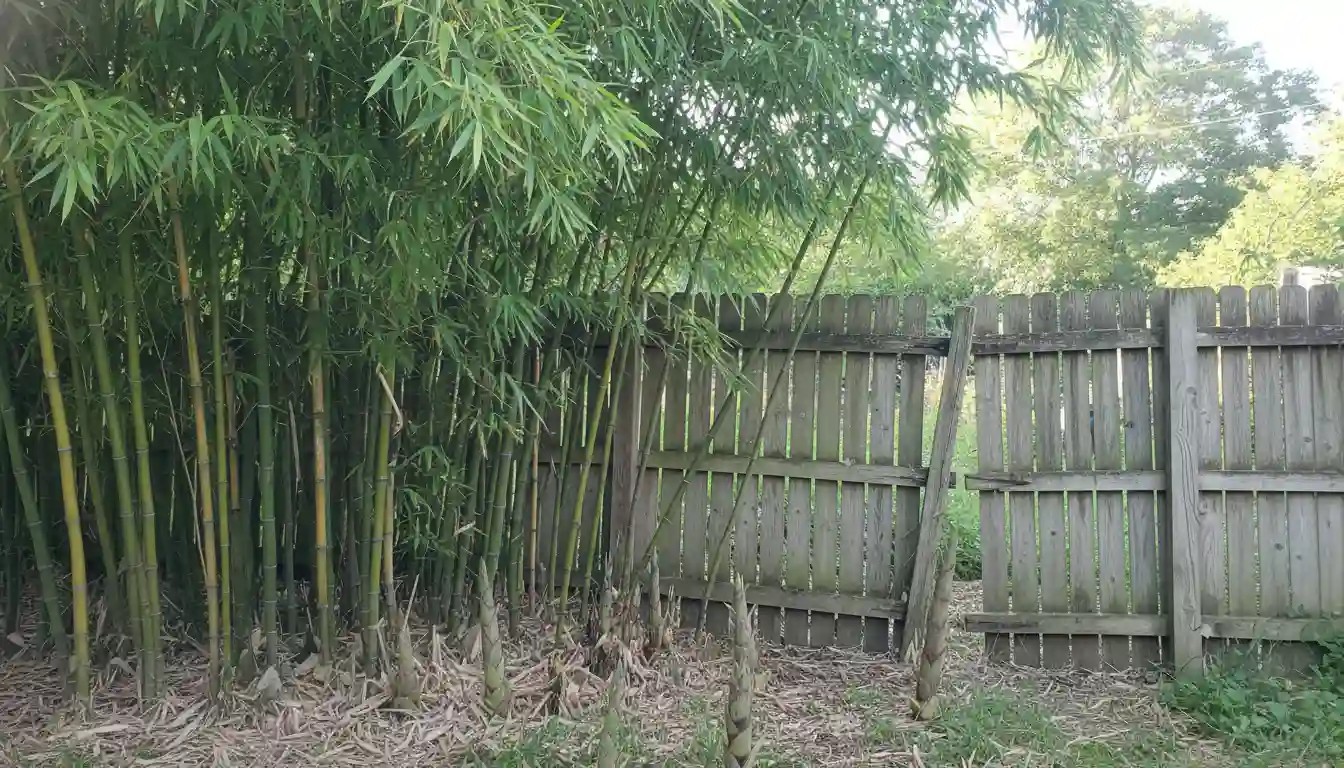
The dream of a private backyard oasis, screened by a lush wall of green, can quickly turn into a waking nightmare. What starts as a neighbor’s beautiful privacy screen can become a destructive force, sending aggressive roots under fences, through lawns, and even into your home’s foundation.
This is the reality for countless homeowners locked in disputes over invasive bamboo. A neighbor bamboo lawsuit is no longer a rare occurrence; it is a serious and costly consequence of a plant that simply doesn’t respect property lines.
You'll Learn About
The Root of the Problem: Why Bamboo Sparks So Many Neighbor Disputes
Understanding why this seemingly innocent plant causes so much conflict is the first step to resolving the issue. The entire problem boils down to a fundamental misunderstanding of the plant itself. Not all bamboo is a menace, but the wrong type is a guaranteed recipe for disaster.
Not All Bamboo is Created Equal: Running vs. Clumping
There are two main categories of bamboo, and telling them apart is critical for any homeowner. Running bamboo is the primary villain in these neighborhood dramas. It spreads through aggressive underground stems called rhizomes, which can travel more than 20 feet in a single season, sending up new shoots wherever they please.
Clumping bamboo, on the other hand, has a much more contained and predictable growth habit. Its rhizomes are short and U-shaped, causing the plant to expand slowly and outwardly from a central point, much like an ornamental grass. It does not send out destructive runners and is generally considered a safe and responsible choice for residential gardens.
| Feature | Running Bamboo (Monopodial) | Clumping Bamboo (Sympodial) |
|---|---|---|
| Growth Habit | Spreads via long, aggressive underground rhizomes. Highly invasive. | Expands slowly from a central clump. Not considered invasive. |
| Risk of Spread | Extremely high. Can travel under fences, driveways, and foundations. | Very low. The plant stays in a contained, gradually expanding circle. |
| Containment | Requires a deep, professionally installed rhizome barrier. | Generally requires no special containment. |
| Common Culprits | Phyllostachys species (e.g., Golden Bamboo, Black Bamboo) | Bambusa and Fargesia species |
| Best Use | Only suitable for large, rural properties with extensive containment or in fully-enclosed pots. | Ideal for suburban yards as privacy screens and ornamental features. |
The Destructive Power of Unchecked Bamboo
When a neighbor plants running bamboo without proper containment, the results can be catastrophic for your property. The rhizomes are incredibly powerful and persistent, capable of exploiting the smallest crack or weakness in their path.
These underground runners can easily crack concrete patios, asphalt driveways, and home foundations. They can damage retaining walls, clog drainage systems, and lift pavers. This invasive root system can also create pathways for other unwanted guests; the cracks and voids it creates in a foundation can become an open invitation for pests. Dealing with a bamboo invasion is bad enough without also discovering you have ants in my basement as a result of the damage.
Your Legal Rights: Can You Sue Your Neighbor Over Bamboo?
When bamboo crosses your property line and causes damage, you are not helpless. The law provides homeowners with avenues for recourse. These situations typically fall under two legal principles: private nuisance and encroachment (or trespass).
A private nuisance is an action by a neighbor that substantially interferes with your ability to use and enjoy your property. Encroachment is when a physical object, including plant life, crosses from their property onto yours without permission. Invasive running bamboo clearly qualifies under both definitions.
Understanding Liability for Bamboo Damage
In most jurisdictions, the person who planted the bamboo is legally responsible for any damage it causes to neighboring properties. To win a neighbor bamboo lawsuit, you must typically prove two key things: that the bamboo originated from your neighbor’s property and that it has caused you tangible harm.
Legal precedent varies by state. Some states follow the “Massachusetts Rule,” which essentially says you can trim any branches or roots that cross your property line, but you can’t sue for damages. However, many states are adopting the “Hawaii Rule,” which holds that the owner of a planted tree or plant is liable for the damage it causes to an adjoining property, especially if it’s a known noxious or invasive species like running bamboo.
Pre-Lawsuit Action Plan: How to Avoid a Court Battle
A lawsuit should always be the last resort. It is expensive, time-consuming, and can permanently destroy any semblance of a civil neighborly relationship. Before you call an attorney, you must follow a clear action plan to resolve the issue amicably.
Step 1: Document Everything Meticulously
The moment you notice the invasion, your most important job is to become a meticulous record-keeper. Strong documentation is the foundation of a successful resolution, whether in or out of court. Take clear, dated photographs and videos of the bamboo shoots on your property.
Keep a written log detailing when and where new shoots appear. If the bamboo has caused physical damage, get written estimates for repairs from qualified contractors. This evidence quantifies your damages and demonstrates the ongoing nature of the problem.
Step 2: Open a Line of Communication
Your first move should be a calm, in-person conversation. Your neighbor may be completely unaware of the problem. Approach them with a friendly tone, armed with your photos and information about the difference between running and clumping bamboo.
Avoid accusatory language. Frame it as a mutual problem: “I’m concerned this bamboo is getting out of control and I wanted to show you what’s happening on my side of the fence so we can figure out a solution together.” A cooperative approach is far more likely to yield results than an angry confrontation.
Step 3: Send a Formal Written Notice
If conversations fail, the next step is to formalize your complaint. Send a certified letter to your neighbor. This creates a legal record that you have officially notified them of the nuisance and damage.
Your letter should clearly state the facts without emotion. Describe the encroachment, list the damages, include photographic evidence, and propose a specific solution, such as complete removal of the bamboo and the installation of a proper root barrier. Request a written response by a specific date.
Step 4: Explore Mediation
Before filing a lawsuit, consider mediation. A neutral, third-party mediator can facilitate a constructive conversation and help you and your neighbor reach a legally binding agreement. Mediation is far less expensive and adversarial than litigation and can often preserve the neighborly relationship.
The Ultimate Solution: Bamboo Removal and Prevention
Whether you convince your neighbor to act or are forced to do so by a court order, the solution involves two key components: removing the existing bamboo and ensuring it never comes back.
DIY vs. Professional Bamboo Removal
Removing running bamboo is a brutally difficult task. The rhizome system is extensive and resilient. Simply cutting the stalks (culms) will do nothing; the plant will send up new shoots within weeks. Eradication requires digging out the entire rhizome network from the soil.
While a small, new invasion might be manageable for a determined DIYer, established groves almost always require professional help. Companies specializing in bamboo removal have the proper equipment to excavate the rhizomes and ensure the plant is gone for good.
Installing a Rhizome Barrier: The Only Way to Stop the Spread
To prevent a future invasion, a rhizome barrier is non-negotiable. This is a thick, impenetrable wall of high-density polyethylene (HDPE), typically 60 to 80 mil thick, that is buried deep in the ground.
The barrier must be at least 24-30 inches deep, with a couple of inches left exposed above ground to prevent rhizomes from “jumping” over it. Proper installation is critical for it to be effective. Protecting your property requires choosing the right materials and methods. It is analogous to how one might research the difference between Shower Guard vs. Enduroshield to protect glass; the right barrier, correctly applied, is the key to long-term security.
The Lawsuit Process: What to Expect If All Else Fails
If communication, letters, and mediation have all failed, it’s time to pursue legal action. A neighbor bamboo lawsuit can provide the ultimate remedy by leveraging the power of the court.
Finding the Right Attorney
Do not hire a general practice lawyer. You need an attorney who specializes in real estate or property disputes. They will understand the specific laws and precedents in your state regarding nuisance and encroachment and can give you the best chance of a favorable outcome.
Filing the Complaint and Potential Outcomes
Your attorney will file a complaint in civil court. The lawsuit will seek an injunction—a court order forcing your neighbor to abate the nuisance—and monetary damages to cover the cost of removal and repairs to your property.
A successful lawsuit can result in a court order that requires your neighbor to pay for the complete removal of the bamboo from both properties, the repair of any damage, and the installation of a proper rhizome barrier at their expense.
A Proactive Approach: Preventing the Bamboo Battle Before It Begins
The best way to win a neighbor bamboo lawsuit is to never have one in the first place. Proactive measures and clear communication can prevent years of frustration and thousands of dollars in costs.
The “Bamboo Agreement”: A Neighborly Contract
If a neighbor mentions they are thinking of planting bamboo, seize the opportunity to have a proactive conversation. Suggest a simple written agreement that outlines their responsibilities. This contract can specify that only clumping varieties will be used or, if they insist on a running type, that a professional rhizome barrier will be installed and maintained at their cost.
Checking Local Ordinances and HOA Rules
Before planting anything, it’s wise to research local regulations. Increasingly, towns and cities are enacting ordinances that ban specific invasive species, including running bamboo. Homeowner Associations (HOAs) also frequently have strict rules about landscaping. Discovering these rules is a crucial first step; sometimes, finding obscure local ordinances can feel as challenging as trying to figure out how to crack an old post office box, but the effort is well worth it.
The Hidden Costs: Impact on Property Value and Insurance
An unresolved bamboo problem can significantly impact your home’s value. When it comes time to sell, you will likely have to disclose the issue to potential buyers, which can scare them away or lead to lower offers. Furthermore, damage from a neighbor’s plants is often not covered by standard homeowner’s insurance policies, leaving you to bear the financial burden of repairs yourself if you don’t take legal action.
Protecting your property from a neighbor’s invasive bamboo is about safeguarding your largest financial investment and your peace of mind. By understanding the plant, your legal rights, and the steps to take, you can stop the green invasion and restore tranquility to your backyard.
