Navien Condensing Gas Combination Boiler Reviews: The Unvarnished Truth
Choosing a new boiler is a monumental decision for any homeowner. It’s a significant financial investment that impacts your daily comfort and monthly energy bills for years to come. The market is flooded with options, but one name that consistently generates buzz is Navien, particularly for their high-efficiency condensing gas combination boilers.
The promise is alluring: a single, compact unit that provides both central heating and endless on-demand hot water, all while slashing your energy consumption. But with glowing manufacturer claims on one side and a mix of real-world user experiences on the other, discerning the truth can be challenging. This review cuts through the noise to provide an honest, in-depth look at what you can truly expect from a Navien combi boiler.
You'll Learn About
What Sets a Navien Condensing Combi Boiler Apart?
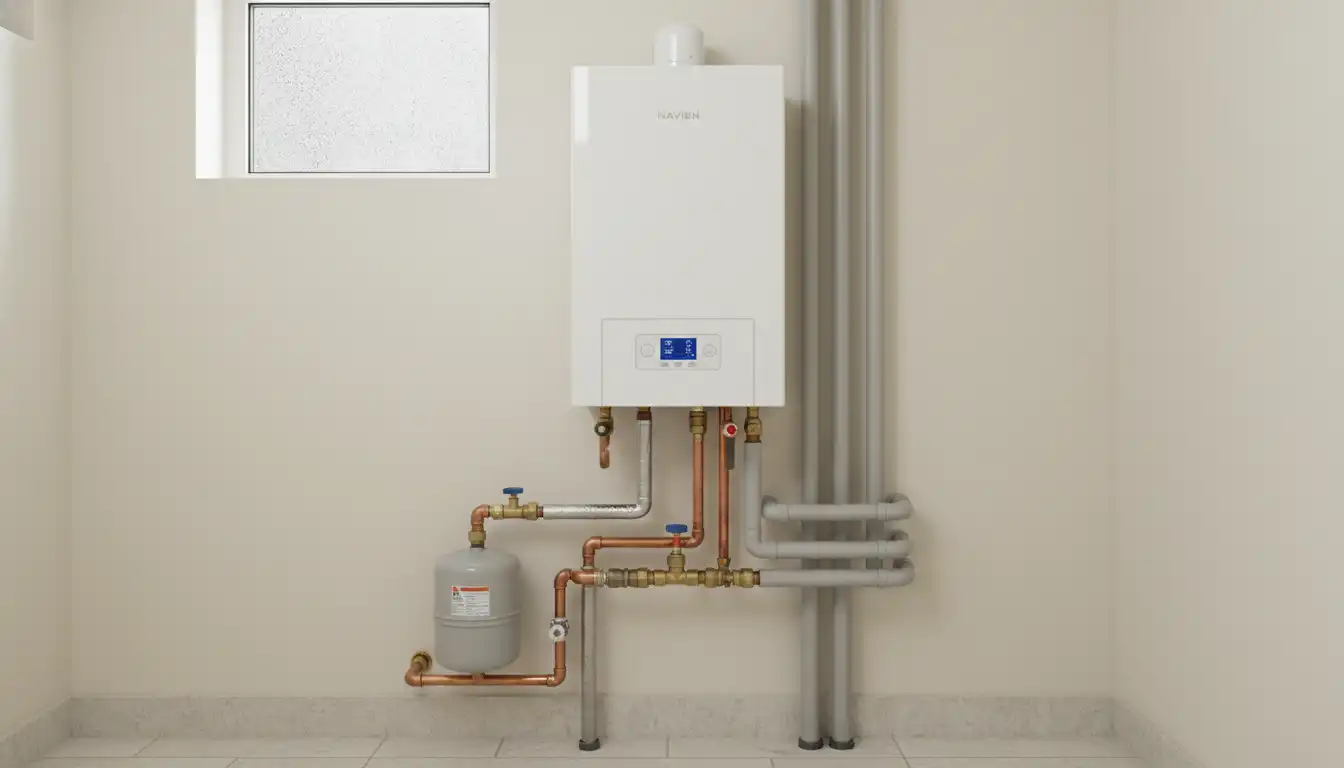
Before diving into the good and the bad, it’s essential to understand the technology. A Navien combi boiler isn’t your old, clunky floor-standing unit. It integrates three key technologies into one sleek, wall-hung package.
First, it’s a combination boiler, handling both space heating (hydronic, for radiators or in-floor heat) and domestic hot water (for showers and taps). Second, it’s tankless, heating water instantaneously as you need it, which means you never run out. Third, it uses condensing technology, which captures extra heat from the exhaust gases that traditional boilers waste, achieving impressive efficiency ratings of up to 95% AFUE (Annual Fuel Utilization Efficiency).
The Core Promises: Efficiency, Space, and Endless Hot Water
The primary appeal of Navien units lies in their incredible efficiency and compact design. By replacing two large appliances—a traditional boiler and a tank-style water heater—with one wall-mounted unit, you reclaim valuable floor space. Furthermore, their condensing technology means lower energy bills and a reduced carbon footprint. For many, the luxury of continuous hot water is the biggest draw; you can run multiple showers back-to-back without ever running cold.
While the benefits are significant, some homeowners wonder about their application in specific systems. For example, a common question is should you use a tankless water heater for baseboard heat? The surprising truth is that proper sizing and professional installation make them highly effective for such setups.
Navien Combi Boiler Reviews: Decoding Real User Experiences
Online forums and customer testimonials paint a picture of a brand that delivers excellent performance when everything is right, but can be a source of frustration when things go wrong. The consensus often points not to the boiler itself, but to the factors surrounding its installation and maintenance.
The Good: What Homeowners Consistently Praise
Many users are delighted with their Navien boilers. The most frequently cited benefits include significant savings on gas bills, the convenience of endless hot water, and the quiet operation of the unit. Homeowners also appreciate the space-saving aspect, which is a major plus in smaller homes, utility closets, or finished basements.
Features like the stainless steel heat exchangers are praised for their durability and resistance to corrosion. The advanced control panels are seen as user-friendly, providing clear information and easy adjustments. For larger households, the ability of some models to run multiple showers and appliances simultaneously without a drop in temperature is a game-changer.
The Bad: Common Complaints and User Pain Points
Conversely, negative reviews often highlight a few recurring themes. Many issues trace back to improper installation. These are not simple DIY projects; they are complex machines that require a certified technician who understands the specific venting, gas line, and water connection requirements. A subpar installation is the leading cause of frequent error codes and premature component failure.
Another common issue is sensitivity to hard water. Mineral buildup (scale) can clog the small internal waterways and heat exchangers, reducing efficiency and eventually causing breakdowns. In areas with hard water, installing a water softener or a scale inhibitor system is not just recommended—it’s essential for the boiler’s longevity. Furthermore, some users have reported issues with technical support, noting that it can be difficult for homeowners to get direct assistance without going through a contractor.
Choosing Your Model: A Comparison of Popular Navien Series
Navien offers several series of combi boilers, each designed for different needs and home sizes. The NCB-E and NFC series are among the most popular choices for residential applications. Understanding their key differences is crucial for selecting the right unit.
The NCB-E series is often considered the workhorse for small to medium-sized homes, offering a great balance of performance and value. The NFC series steps up the game with higher heating capacities and includes Navien’s advanced fire tube heat exchanger, making it suitable for larger homes with greater heating and hot water demands.
| Model Series | Key Feature | Heating Capacity (BTU/h) | DHW Flow Rate (GPM @ 77°F Rise) | Best For |
|---|---|---|---|---|
| Navien NCB-E | Value & Compact Design | Up to 120,000 | Up to 4.5 | Small to medium homes with 1-2 bathrooms. |
| Navien NFC | High Capacity & Fire Tube Heat Exchanger | Up to 199,900 | Up to 5.4 | Larger homes with 2-3+ bathrooms and high heating loads. |
| Navien NFB-H | Next-Gen Fire Tube Technology | Up to 199,900 | N/A (Heating Only) | Homes needing a dedicated high-efficiency boiler. |
The Hidden Factor: Why Professional Installation is Non-Negotiable
If there is one takeaway from analyzing hundreds of Navien reviews, it is this: the quality of the installation is more important than the boiler itself. These high-efficiency units are finely tuned machines. Improper venting can lead to ignition failures (Error Code 001), incorrect gas pressure can cause combustion problems, and failing to flush the existing heating lines can introduce sludge into the new boiler’s delicate components.
Always insist on hiring a technician who is Navien-certified. They have received specific training on the brand’s products and understand the nuances of a correct setup. While the installation cost for a Navien unit can range from $12,000 to over $26,000 including the unit, skimping on a qualified installer is a recipe for long-term headaches and costly repairs that will quickly negate any energy savings.
The Importance of Annual Maintenance
Like any high-performance appliance, a Navien boiler requires regular maintenance to operate efficiently and safely. This includes cleaning the air intake filter, checking the condensate trap, and inspecting the flame sensor. For homeowners in hard water areas, an annual flush or descaling of the heat exchangers is crucial to prevent mineral buildup. Neglecting this maintenance can lead to reduced performance, higher energy use, and a shortened lifespan for the unit.
Beyond the Brochure: Tackling Tough Questions
There are a few nuanced topics that potential buyers should understand before making a final decision. These are issues that aren’t always highlighted in marketing materials but are critical to real-world satisfaction.
The “Cold Water Sandwich” Effect: Is It a Real Concern?
A common issue with older tankless technology was the “cold water sandwich”—a burst of cold water that occurs when you quickly turn a tap off and on again. Navien has largely engineered this problem out of its modern units by incorporating ComfortFlow® technology. This system uses a small internal buffer tank and a recirculation pump to eliminate temperature fluctuations and ensure a steady stream of hot water, even at low flow rates.
Understanding Common Error Codes
Navien boilers are equipped with a self-diagnostic system that displays error codes when a problem is detected. While this is helpful for technicians, it can be alarming for homeowners. Some of the most common codes include E001 (ignition failure), which can be caused by gas supply issues or a dirty flame rod, and E302 (low water pressure), often indicating a small leak in the heating system. Familiarizing yourself with these codes can help you troubleshoot minor issues, but most will require a professional service call.
The Verdict: Is a Navien Combi Boiler Right for Your Home?
A Navien condensing gas combination boiler can be an outstanding investment, delivering on its promise of high efficiency, endless hot water, and a compact footprint. It is an ideal choice for homeowners who value energy savings and modern technology and are prepared to invest in a top-tier installation.
However, it is not a universally perfect solution. If you live in an area with very hard water and are not willing to install a water treatment system, or if you are looking for the lowest possible upfront cost, a more traditional system might be a better fit. The reliability of a Navien boiler is inextricably linked to professional installation and consistent annual maintenance. When these conditions are met, it stands as one of the best and most efficient residential heating and hot water systems on the market today.