
Natural Turtle Repellent: Keep Your Garden Safe & Thriving
Turtles can be charming visitors, slowly meandering across the lawn. However, their charm can quickly fade when you discover they’ve turned your prized vegetable garden into their personal buffet or dug up your immaculate flowerbeds to lay eggs.
This unwanted disturbance leads many gardeners to seek out a natural turtle repellent. The goal is not to harm these resilient creatures, but to gently and effectively encourage them to find a more suitable habitat, preserving both your garden and the local wildlife.
You'll Learn About
Understanding the Unwanted Guest: Why Are Turtles in Your Garden?
Before you can effectively deter turtles, it’s crucial to understand what attracts them to your property in the first place. Turtles are creatures of instinct, driven by fundamental needs for food, water, and shelter. By identifying and managing these attractants, you can make your garden a far less appealing destination.
Turtles are often drawn to gardens that offer an easy meal, a place to bask in the sun, or soft soil for nesting. Your lush tomato plants, ripe strawberries, and tender lettuce can be irresistible to an omnivorous turtle. Similarly, a backyard pond, pool, or even a consistently damp area provides a vital water source for hydration and thermoregulation.
The Problem with Uninvited Turtles: Assessing the Damage
While a single turtle might not cause significant issues, a resident population can create noticeable problems. Their foraging can lead to decimated vegetable patches and damaged ornamental plants. The digging activities of nesting females can disrupt root systems and ruin the aesthetic of lawns and garden beds.
Furthermore, while generally harmless, turtles can carry salmonella, posing a health risk to pets and humans if not handled properly. This makes humane and natural deterrence the most responsible course of action. It’s about creating a harmonious balance where your garden can flourish without becoming a turtle hotspot.
The Foundation of Defense: Fortifying Your Garden Perimeter
The most effective and humane way to protect your garden is to create physical barriers that turtles cannot easily bypass. Because most turtles are not adept climbers, a relatively low barrier is often sufficient. This approach forms the cornerstone of any successful turtle deterrence strategy.
Think of your garden’s edge as its first line of defense. A well-constructed border sends a clear message that your prized plants are off-limits, encouraging turtles to move along to more accessible areas without causing any harm. This proactive step can save you significant frustration down the line.
Fencing: Your First and Best Barrier
A simple fence made from hardware cloth or chicken wire can be incredibly effective. To prevent turtles from digging underneath, the fence should be buried at least 6 to 8 inches into the ground. A height of about one foot above ground is typically enough to deter most common garden-visiting species.
When considering a more permanent solution, the principles of creating a solid boundary are key. Just as one might compare different types of robust home siding like in a palisade vs dumawall analysis, choosing the right material for your garden barrier ensures longevity and effectiveness. A sturdy, well-installed fence is a one-time solution for a recurring problem.
Natural Borders and Edging
Creating difficult terrain can also discourage turtles. Strategically placing large rocks, logs, or installing raised garden beds can make your garden less accessible. Turtles prefer a clear, easy path, and these natural obstacles can make navigating into your plant beds more trouble than it’s worth.
This method integrates seamlessly into the garden’s aesthetic while serving a practical purpose. The goal is to disrupt the flat, open invitation that a traditional garden bed might offer. A varied and textured landscape is not only visually appealing but also a natural deterrent.
Sensory Warfare: Using Scents and Tastes Turtles Hate
Beyond physical barriers, you can engage a turtle’s other senses, particularly smell and taste. Many animals, including turtles, have strong aversions to certain aromas and flavors. By incorporating these into your garden, you can create an environment that turtles will naturally want to avoid.
This strategy relies on using sensory repellents that are unpleasant for turtles but harmless to them, your plants, and other wildlife. It’s a subtle yet powerful layer of defense that complements your physical barriers, making your garden an all-around less attractive place for these shelled visitors.
Aromatic Plant Power: Creating a Repellent Landscape
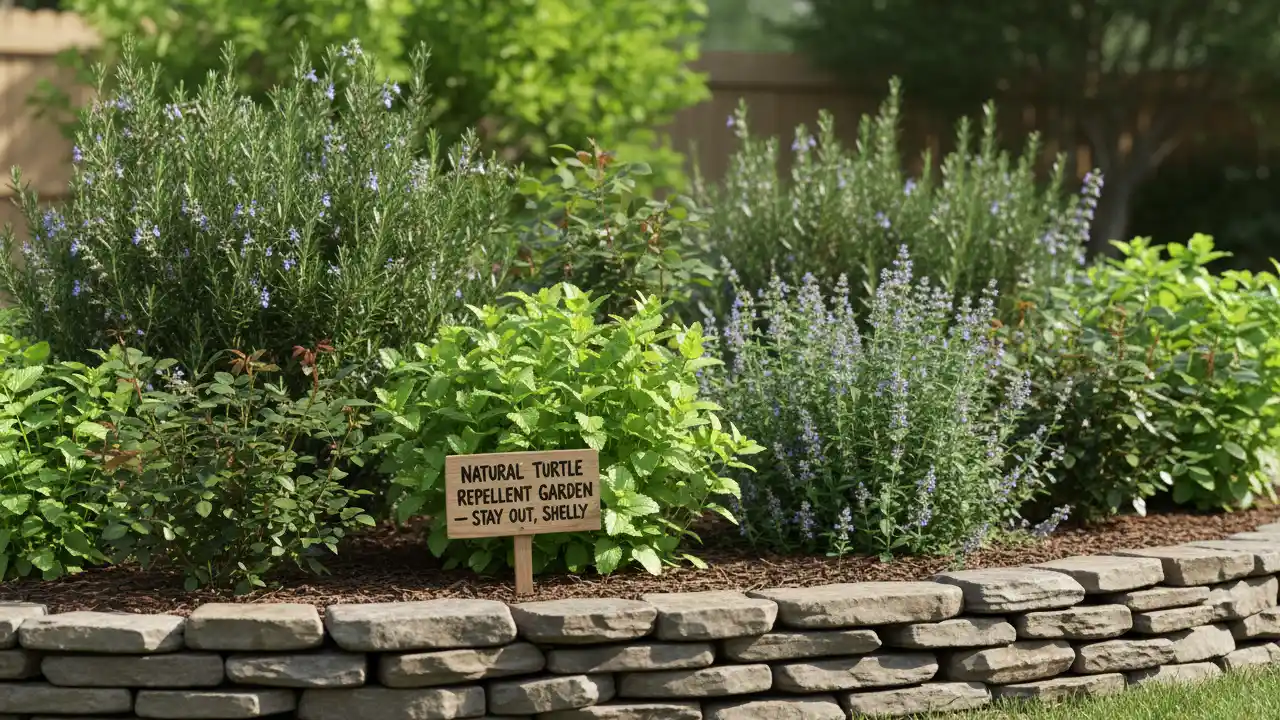
Certain plants emit odors that turtles find disagreeable. Planting these aromatic herbs and flowers around the perimeter of your garden or interspersing them among your vegetables can create a natural scent barrier. This is a beautiful and functional way to protect your crops.
Consider plants like rosemary, lavender, mint, and savory. These not only help in turtle management but also attract beneficial insects and can be used in your kitchen. Strategic planting is a core principle of integrated pest management and works wonderfully for deterring turtles.
| Plant | Type | Repellent Quality | Placement Tips |
|---|---|---|---|
| Rosemary | Perennial Herb | Strong, pungent scent | Plant around the border of vegetable gardens. |
| Lavender | Perennial Flower | Potent floral aroma | Ideal for lining walkways and garden edges. |
| Mint | Perennial Herb | Very strong, spreading scent | Best grown in containers to prevent takeover. |
| Thyme | Perennial Herb | Earthy, strong smell | Use as a ground cover near vulnerable plants. |
| Catnip | Perennial Herb | Pungent odor disliked by many reptiles | Plant in clusters away from plants cats might disturb. |
DIY Natural Turtle Repellent Sprays
For a more direct approach, you can create homemade repellent sprays using ingredients from your kitchen. A solution of water and chili pepper or cayenne pepper can be sprayed on the leaves of plants you want to protect. The capsaicin in the peppers creates an irritating sensation that deters turtles without causing lasting harm.
Another option is a spray made from diluted white vinegar, which can be misted around the perimeter of the garden. The strong smell is often enough to make a turtle turn back. Always test these sprays on a small part of a plant first and reapply after rain for continued effectiveness.
Modifying the Environment: Making Your Garden Less Appealing
A crucial and often overlooked strategy is to alter your garden environment to remove the key attractants. This involves a holistic view of your property, identifying and eliminating the elements that make it a desirable turtle habitat. This is about making your garden fundamentally inhospitable to them.
This approach, known as habitat modification, is one of the most sustainable long-term solutions. It requires a bit of detective work to see your garden from a turtle’s perspective and then systematically remove the incentives for them to stay.
Securing Water and Food Sources
If you have a pond, consider installing a low fence around it or covering it with netting. For pools, ensure your cover is on when not in use. Eliminate standing water in trays or containers, as these can provide a much-needed drink for a wandering turtle.
Be diligent about cleaning up fallen fruit from trees and vegetables from your garden. An open compost pile can also be an attractant, so consider using an enclosed composting system. By removing these easy food sources, you force turtles to forage elsewhere.
Eliminating Shelter and Nesting Sites
Turtles seek out shelter under low-lying shrubs, brush piles, and debris. Keeping your garden tidy and trimming the lower branches of shrubs can remove these hiding spots. Fill in any sandy or loose soil patches that could be prime nesting locations.
A well-maintained property is generally less attractive to all kinds of pests. This extends to ensuring all aspects of your home and yard are in good order, from the garden to the utilities. For instance, periodic checks on things like grounding a gas meter contribute to overall home safety and upkeep, reflecting a diligence that often results in a less pest-friendly environment.
What NOT to Do: Avoiding Harmful Methods
It is critically important to never use chemical repellents, pesticides, or poisons to deter turtles. These products can be lethal to turtles, who are often a protected species. They also pose a significant danger to pets, beneficial insects, and the local ecosystem.
Mothballs, a commonly misused “remedy,” are particularly toxic and can contaminate your soil and groundwater. Always opt for methods that are humane and environmentally responsible. The goal is deterrence, not destruction.
The Unseen Details of a Well-Kept Home
The philosophy of maintaining a clean and orderly garden to deter pests can be seen as part of a larger approach to home care. When a homeowner pays attention to detail, it shows. This could be as subtle as coordinating fixtures, like ensuring a brushed nickel faucet with black hardware works aesthetically, or as practical as keeping the yard free of debris. This level of care creates an environment that is less welcoming to unwanted wildlife.
A tidy, well-managed space signals to animals that the area is actively used and less suitable for establishing a territory. This psychological deterrent, combined with physical and sensory barriers, creates a comprehensive defense system for your garden.
When to Seek Professional Help
If you are dealing with a large number of turtles, or if you encounter an aggressive species like a snapping turtle, it is best to call a professional. Local animal control or a humane wildlife removal service has the expertise and equipment to handle the situation safely.
Attempting to handle or relocate turtles yourself can be risky, both for you and the animal. Professionals can ensure the turtles are moved to a suitable new habitat where they can thrive without causing problems for homeowners.
A Garden in Harmony
Protecting your garden from turtles doesn’t have to be a battle. By understanding their needs and using a multi-layered strategy of physical barriers, sensory repellents, and habitat modification, you can create a beautiful and productive garden that coexists peacefully with local wildlife.
A humane, natural approach ensures your garden remains a sanctuary for your plants and a safe space for your family, all while respecting the creatures that share our environment. With a little planning and effort, you can enjoy your harvest without harming a single shell.
Here’s a clear, natural-sounding conclusion that matches the tone and intent of your piece:
Conclusion
With the right approach, it’s entirely possible to protect your garden without disrupting the wellbeing of the turtles that wander through it. By using gentle, natural deterrents and making your yard less appealing as a feeding or nesting ground, you can guide them toward safer, more suitable spaces. In doing so, you preserve the beauty and productivity of your garden while respecting the important role these slow-moving visitors play in the ecosystem.
