
Moving Sale vs Garage Sale: Which Is Your Goldmine?
You’re staring at a mountain of possessions. The garage is overflowing, the garden shed is bursting, and every closet feels like a ticking time bomb of clutter. Whether you’re planning a big move or simply reclaiming your space, the question looms: should you host a moving sale or a garage sale?
On the surface, they seem interchangeable. Both involve selling used goods from your property. However, the underlying motivation, buyer expectations, and strategic approach for each are fundamentally different, and choosing the wrong one can cost you time, money, and sanity.
This guide will dissect the critical differences between a moving sale and a garage sale, helping you determine which event will best meet your home and garden decluttering goals. We will explore the psychology of buyers, optimal pricing strategies, and how to turn your unwanted items into a significant financial windfall.
You'll Learn About
Understanding the Core Difference: Urgency vs. Opportunity
The primary distinction between these two sales lies in the seller’s motivation, which directly influences the buyer’s perception and behavior. A garage sale is born from a desire to declutter, while a moving sale is driven by the necessity to liquidate.
A garage sale (often called a yard sale or tag sale) is a casual affair. It’s about clearing out items you no longer want or need. The timeline is flexible, and if something doesn’t sell, you can simply pack it away for the next sale or donate it. Buyers at a garage sale are typically bargain hunters looking for specific items at low prices.
A moving sale, on the other hand, operates under a strict deadline. Everything must go. This sense of urgency creates a different dynamic. Buyers often expect to find a wider variety of items, including larger furniture and higher-quality goods, because they know you can’t take it all with you.
The Psychology of the Buyer: What Are They Really Looking For?
Understanding your audience is crucial for success. Garage sale shoppers are often locals, hobbyists, and resellers looking for incredible deals. They are patient, willing to haggle, and enjoy the thrill of the hunt for a hidden gem among everyday items.
Moving sale attendees are a more diverse crowd. They might be first-time homeowners looking to furnish their space, college students needing basics, or even other movers seeking to fill gaps in their own inventory. They are often more willing to spend on quality pieces they know you are motivated to sell.
Strategic Planning: Tailoring Your Sale for Maximum Profit
Your planning phase will look vastly different depending on your choice. Success isn’t accidental; it’s a result of careful preparation, from inventory management to marketing.
Inventory and Curation: What Sells Best?
For a garage sale, focus on decluttering room by room. Good sellers include children’s clothing, toys, books, kitchen gadgets, and small decorative items. Home and garden items like tools, planters, and seasonal decor are also popular.
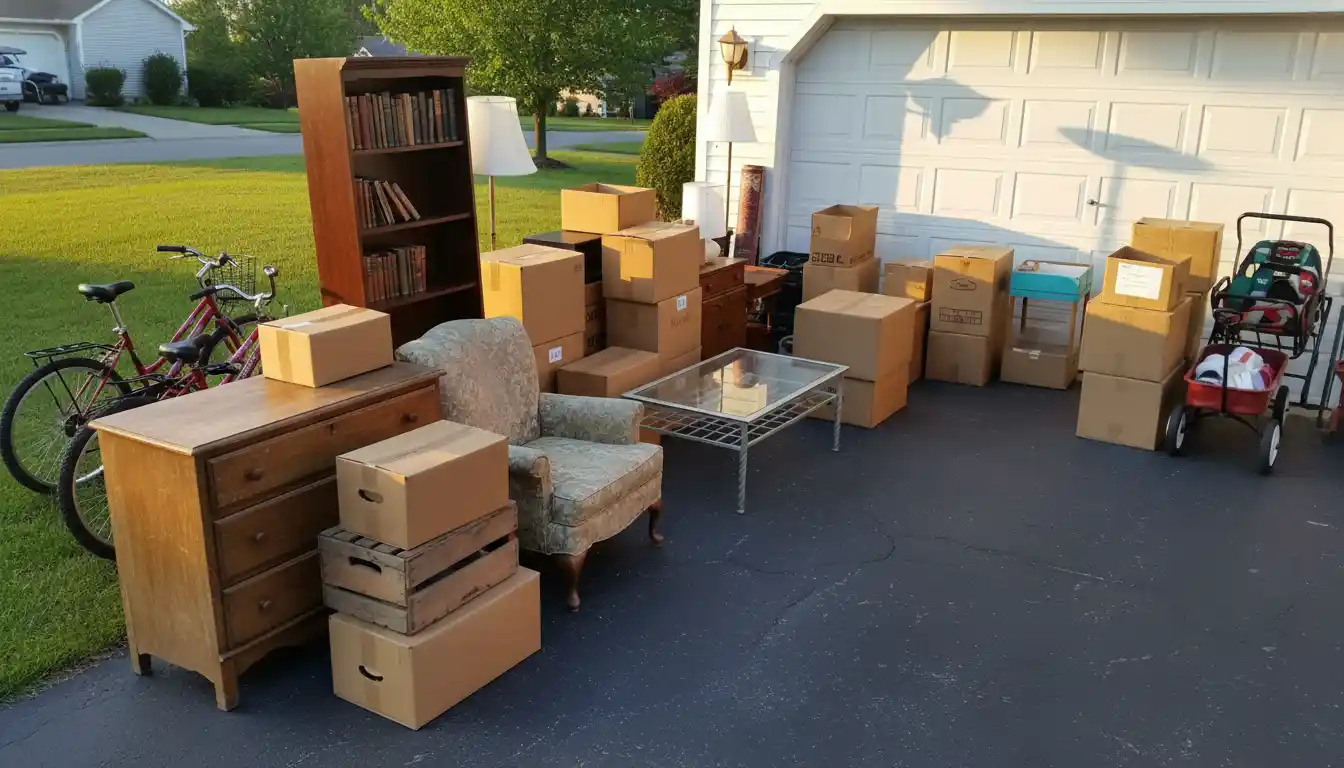
For a moving sale, the scope is much broader. You’ll be selling everything from large furniture sets and major appliances to the contents of your garden shed. This is your chance to offload items that are too bulky or costly to move. Items like patio furniture, lawn mowers, and even healthy, potted plants can be big draws. If you’ve been thinking about selling your snowblower, a moving sale is the perfect opportunity. You can even research specific models, like comparing a Toro vs Craftsman snowblower, to highlight its value to potential buyers.
Pricing Strategy: The Art of the Deal
Pricing is where many sellers falter. At a garage sale, prices should be low and negotiable. A common rule of thumb is to price items at 10-25% of their original retail cost. The goal is volume over high margins. Bundling similar items, like a set of garden tools or a box of holiday decorations, can be very effective.
At a moving sale, you have more flexibility with pricing for high-quality items. While buyers still expect a deal, the “everything must go” mentality gives you leverage. Research the value of larger items online. Be prepared to negotiate, but don’t be afraid to hold firm on a fair price for valuable pieces, especially early in the day.
| Feature | Garage Sale | Moving Sale |
|---|---|---|
| Primary Goal | Decluttering and making extra cash | Liquidating possessions due to a move |
| Buyer Expectation | Low prices, bargain hunting | Wider variety, better quality items, good deals |
| Pricing Strategy | 10-25% of retail, highly negotiable | Variable, based on item value; still negotiable |
| Urgency Level | Low to moderate | High |
| Best Items to Sell | Toys, clothes, tools, small decor | Furniture, appliances, large garden equipment |
| Marketing Tone | “Yard Sale,” “Neighborhood Sale” | “Moving Sale – Everything Must Go!” |
Marketing and Advertising: Spreading the Word Effectively
You can’t sell what people don’t know about. Your advertising strategy should reflect the type of sale you’re hosting. For both types, clear, bold signage at major intersections is non-negotiable.
For a garage sale, advertising on platforms like Craigslist, Facebook Marketplace, and local community groups is highly effective. Mentioning categories like “home goods,” “garden tools,” or “kids’ stuff” will attract the right buyers.
For a moving sale, your advertising should create a sense of urgency. Use phrases like “Everything Must Go!” and “One Day Only!” Highlight big-ticket items in your ads, such as “sofa for sale,” “patio set,” or “major appliances.” Including photos of your best items will significantly increase interest. This is especially important for unique garden finds, perhaps even linking to your experience with plants like the Aldi hydrangea to show the quality of your garden items.
The Unspoken Rules of Staging and Display
How you present your items can make or break your sale. No one wants to dig through messy boxes. A well-organized sale is more inviting and can lead to higher sales.
Organize items by category, just like in a retail store. Place all kitchen items together, create a section for garden tools, and hang clothing if possible. Use tables to display items at eye level. This simple act of organization elevates the perceived value of your goods.
For a moving sale with large furniture, try to stage pieces in a way that helps buyers visualize them in their own homes. A clean, organized space, especially in the garage, is key. If you are clearing out a space that was previously a converted room, preparing it for the sale can be a big project. You might find guidance in resources that detail how to convert a room back to a garage, ensuring the space is safe and appealing for shoppers.
Legal and Safety Considerations You Can’t Ignore
Before you post your first sign, it’s crucial to check local regulations. Many cities and homeowners’ associations have rules regarding the frequency of sales, signage placement, and even hours of operation. Some may require a permit.
Safety is also paramount. Ensure your sale area is free of tripping hazards. Keep pets secured and have a clear path for shoppers to navigate. When selling electronics or power tools, it’s wise to have an extension cord available so buyers can test them. Never allow strangers inside your home to use the restroom; direct them to a nearby public facility. Keep your doors locked during the sale for added security.
Handling Transactions and Haggling
Be prepared for the financial side of the sale. Have a cash box with plenty of small bills and coins for making change. Also, consider accepting digital payments through apps like Venmo or PayPal, as many shoppers no longer carry much cash.
Haggling is an expected and often enjoyable part of the process. Don’t be offended by low offers. Counter with a price you’re comfortable with. As the day progresses, especially during a moving sale, be more willing to accept lower offers. The goal is to end the day with cash in your pocket and an empty driveway.
The Aftermath: What to Do with Unsold Items
No matter how successful your sale, you will likely have items left over. For a garage sale, you can simply pack these items away for another time. For a moving sale, you need a clear plan for the leftovers.
Arrange for a charity to pick up donations the day after your sale. Many organizations offer this service for free. For items that can’t be donated, schedule a bulk trash pickup or find a local recycling center. The goal is to have a completely clear space, allowing you to focus on the next phase of your move or enjoy your newly decluttered home.
