
Mosaic Tile Shower Floor Problems: Your Dream Look a Nightmare?
Mosaic tiles, often defined by their small size and the sheer number of grout lines they create, are a celebrated choice for shower floors. Their small format allows them to conform beautifully to the slope of the shower pan, providing superior slip resistance and an intricate, luxurious aesthetic.
However, this same high-density arrangement that makes them so attractive is precisely what makes them susceptible to a unique set of maintenance and structural issues. While a solid, large-format tile offers vast expanses of impervious surface, the mosaic relies on an extensive network of joints and setting materials.
This introduction serves to pivot from the beauty of the mosaic to the very real and often frustrating beast of its maintenance, setting the stage for an in-depth examination of the most common problems homeowners and installers face.
You'll Learn About
The Allure and The Agony of Mosaic Shower Floors
Mosaic tiles offer a captivating and intricate beauty that can transform a simple shower floor into a stunning focal point. With endless patterns, colors, and materials, they promise a customized and luxurious feel. Homeowners are drawn to their visual appeal and the promise of a non-slip surface due to the numerous grout lines.
However, this same feature—the vast network of grout—is often the source of significant problems. Without meticulous installation and consistent maintenance, a dream mosaic floor can quickly devolve into a recurring headache of leaks, mold, and cracked tiles.
The Root of All Evil: Uncovering Installation Mistakes
The majority of mosaic tile shower floor problems can be traced back to the installation phase. A flawless finish on top can hide critical errors underneath, which only reveal themselves after months of use. Understanding these potential pitfalls is the key to preventing them.
The Unseen Enemy: Improper Waterproofing
Many assume that tile and grout are waterproof, but this is a dangerous misconception. The true waterproofing layer is the membrane installed underneath the tile mortar bed. Whether it’s a traditional PVC liner or a modern liquid-applied membrane, its integrity is paramount.
Because mosaic tiles have so many grout joints, there are countless opportunities for water to seep through. If the underlying waterproofing is compromised in even one tiny spot, water will become trapped, leading to substrate rot, mold growth, and eventual tile failure.
The Slope Deception: More Than Just a Slight Angle
A shower floor must have a proper slope to guide water effectively toward the drain. The industry standard is a minimum of a 1/4-inch drop for every foot of distance from the wall to the drain. An inadequate slope is a recipe for disaster.
This problem is magnified with mosaic tiles. The flexible mesh backing on mosaic sheets can easily conform to any imperfections in the underlying mortar bed. If the substrate isn’t perfectly smooth and consistently sloped, small depressions will form, creating areas where water pools. This standing water accelerates grout deterioration and is a breeding ground for mold and mildew.
Mortar Mismanagement: The Goldilocks Dilemma
Achieving a perfect bond between the mosaic tiles and the substrate requires the right amount of thin-set mortar. Too little mortar results in voids under the tiles, creating weak spots that are prone to cracking and allowing water to collect. Too much mortar, and it will squeeze up through the grout joints, creating a messy and difficult-to-clean surface.
Ensuring 100% mortar coverage is crucial for durability. While choosing the right tool is vital when working with large format tiles, and you might wonder if a 1/4″ trowel is right for 12×24 tile, the challenge with mosaics is pressing the sheets evenly to achieve full contact without creating a mess.
Common Mosaic Tile Nightmares and How to Fix Them
Even with a decent installation, the high-moisture, high-traffic environment of a shower can lead to problems over time. Identifying these issues early and knowing how to respond can save you from a complete tear-out.
Grout Cracking and Crumbling: The First Sign of Trouble
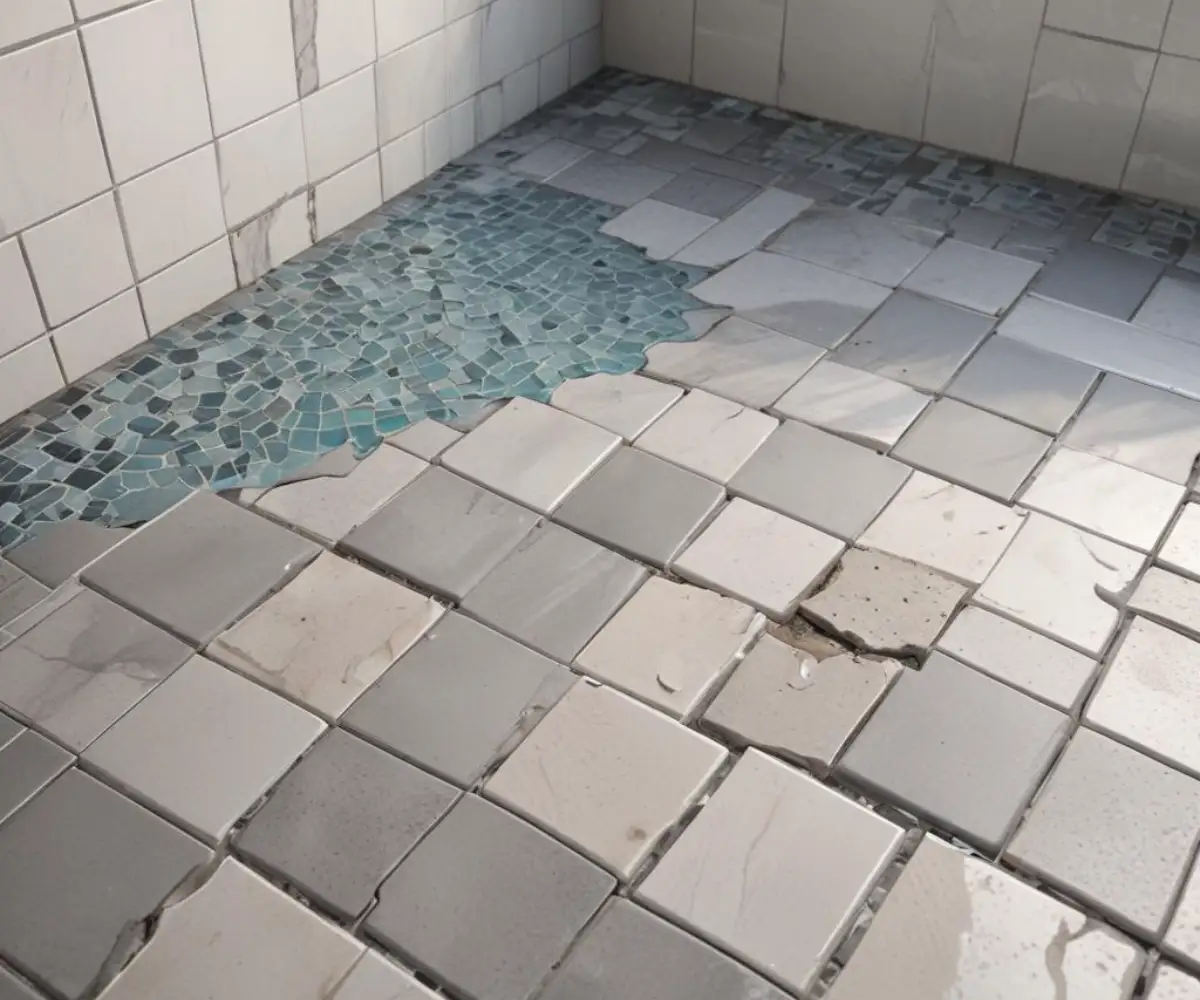
Cracked, crumbling, or missing grout is more than just a cosmetic issue; it’s an open invitation for water to get beneath your tiles. This is often caused by slight movements in the floor structure, improper grout mixing, or using the wrong type of grout for the joint size.
The solution requires diligence. You must carefully rake out all the old, failing grout from the affected areas. After thoroughly cleaning and drying the joints, you can apply new grout. Some homeowners look for shortcuts to strengthen their grout, leading them to ask, is grout maximizer worth it? While some additives may help, the fundamental solution is always proper application.
The Persistent Grime: Staining and Mold
The porous nature of traditional cement-based grout makes it a magnet for soap scum, dirt, and, most alarmingly, mold and mildew. Once mold takes root in the grout pores, it can be incredibly difficult to remove entirely, leading to persistent discoloration and potential health concerns.
Regular cleaning with a pH-neutral cleaner is essential. For tougher stains, a steam cleaner can be effective at killing mold spores without harsh chemicals. The most critical preventative measure for cement grout is applying a quality penetrating sealer annually to block moisture from soaking in.
Loose and Popping Tiles: A Ticking Time Bomb
A single loose tile is a red flag for widespread failure. This almost always indicates that water has penetrated the grout and is compromising the mortar’s bond to the substrate. Ignoring this issue will lead to more tiles loosening and a complete failure of the shower floor.
For a minor repair, you can carefully pry up the loose tile, scrape away the old mortar, and re-adhere it with a small amount of new thin-set before regrouting the joint. However, if multiple tiles are loose, it signifies a systemic problem with the waterproofing, and a full replacement is often the only permanent solution. In such a catastrophic failure, knowing how to dispose of plaster and tile debris correctly becomes a necessary part of the project.
The Secret to a Bulletproof Mosaic Floor: Proactive Choices
Preventing problems before they start is always the best strategy. The choices you make regarding materials can have a far greater impact on the longevity and durability of your shower floor than any amount of cleaning and maintenance down the road.
Not All Mosaics Are Created Equal: Material Matters
The type of tile you choose is critical. Porcelain and glass mosaics are excellent choices for a shower floor because they are non-porous and will not absorb water. Ceramic tiles are also suitable, but ensure they are rated for floor use.
Natural stone mosaics, such as marble or travertine, are beautiful but require significant maintenance. They are naturally porous and must be sealed regularly to prevent staining and water absorption. Always check the Dynamic Coefficient of Friction (DCOF) rating of a tile to ensure it provides adequate slip resistance in a wet environment.
The Grout Game-Changer: Epoxy and Urethane Grout
The single most effective way to prevent the most common mosaic tile problems is to ditch traditional cement-based grout. Modern alternatives like epoxy or urethane grout offer superior performance that is perfectly suited for a wet environment like a shower floor.
These grouts are non-porous, meaning they do not need to be sealed and will not absorb water. They are also highly resistant to staining, cracking, and chemicals, making them far easier to clean and maintain. While the material cost is higher and the installation can be more challenging, the long-term benefits are undeniable.
| Feature | Cement-Based Grout | Epoxy Grout |
|---|---|---|
| Water Resistance | Porous, requires sealing | Non-porous, inherently waterproof |
| Stain Resistance | Susceptible to staining | Highly stain-resistant |
| Durability | Can crack or crumble over time | Extremely durable and crack-resistant |
| Maintenance | Requires regular sealing and deep cleaning | Easy to clean, no sealing required |
| Installation | Easy for DIYers | More difficult, faster working time |
| Cost | Low | High |
Your Long-Term Maintenance Checklist
A beautiful mosaic shower floor requires a commitment to routine care. A simple, consistent maintenance schedule will preserve its appearance and prevent small issues from becoming major problems.
Weekly Wisdom
After the last shower of the day, use a squeegee to pull excess water off the floor and toward the drain. This simple step drastically reduces the moisture left behind, which is the primary cause of mold and mildew growth.
A few times a week, use a daily pH-neutral shower spray. These products help prevent the buildup of soap scum and hard water deposits, making your deeper cleaning sessions much easier.
Monthly Must-Dos
Once a month, give the floor a gentle scrub with a soft-bristled brush and a pH-neutral tile and grout cleaner. This will remove any accumulated grime without damaging the tile or grout. Avoid using harsh, acidic cleaners or abrasive tools.
While cleaning, take a moment to carefully inspect all the grout lines. Look for any new cracks, pinholes, or areas that seem to be crumbling. Catching these small failures early makes repairs much simpler.
Annual Assurance
If you have a traditional cement-based grout, it must be resealed at least once a year. After a thorough cleaning, apply a high-quality penetrating grout sealer according to the manufacturer’s instructions. This is the most important step in protecting your grout from water damage and staining.
Are Mosaic Shower Floors Worth the Trouble?
Mosaic tiles can be a durable and stunningly beautiful choice for a shower floor, but they are not forgiving of mistakes. Their success hinges almost entirely on a flawless installation and the right choice of materials, particularly the grout.
With a foundation of proper waterproofing, an adequate slope, and the use of epoxy grout, a mosaic floor can provide decades of beauty with minimal maintenance. However, cutting corners on installation or neglecting routine care can quickly turn that beautiful design feature into a source of constant frustration and costly repairs.
Final Words
Mosaic tile shower floors offer a lasting aesthetic appeal, but their long-term success is ultimately a function of vigilant maintenance and quality installation. The frequent issues—from grout degradation and discoloration to poor drainage and tile detachment—stem primarily from the excessive reliance on grout and the challenges of achieving a perfect slope with a flexible, mesh-backed material.
Rather than dismissing mosaics, the key is to understand the maintenance equation: regular high-quality sealing, immediate attention to damaged grout, and careful monitoring of drainage are non-negotiable. By acknowledging and proactively addressing these inherent vulnerabilities, homeowners can transition their mosaic shower floor from a source of problems into a stunning, functional, and enduring centerpiece of the bathroom.
