
Mimosa Tree Roots: The Hidden Danger Under Your Yard?
The mimosa tree, with its delicate, fern-like leaves and vibrant pink pom-pom flowers, is a stunning addition to any garden. Its tropical appearance and rapid growth can quickly create a lush, shady oasis. But beneath that beautiful canopy lies a hidden and aggressive force that can become a homeowner’s worst nightmare: the mimosa tree root system.
Many gardeners are captivated by the tree’s beauty without understanding the powerful and destructive nature of its roots. The problem isn’t just about a few stray roots; it’s about a relentless, fast-spreading network with the power to threaten foundations, crack pavement, and dominate your entire garden. This article provides a comprehensive look at the mimosa root system, revealing the risks and offering actionable solutions for managing this beautiful but invasive tree.
You'll Learn About
Understanding the Mimosa Tree’s Aggressive Root System
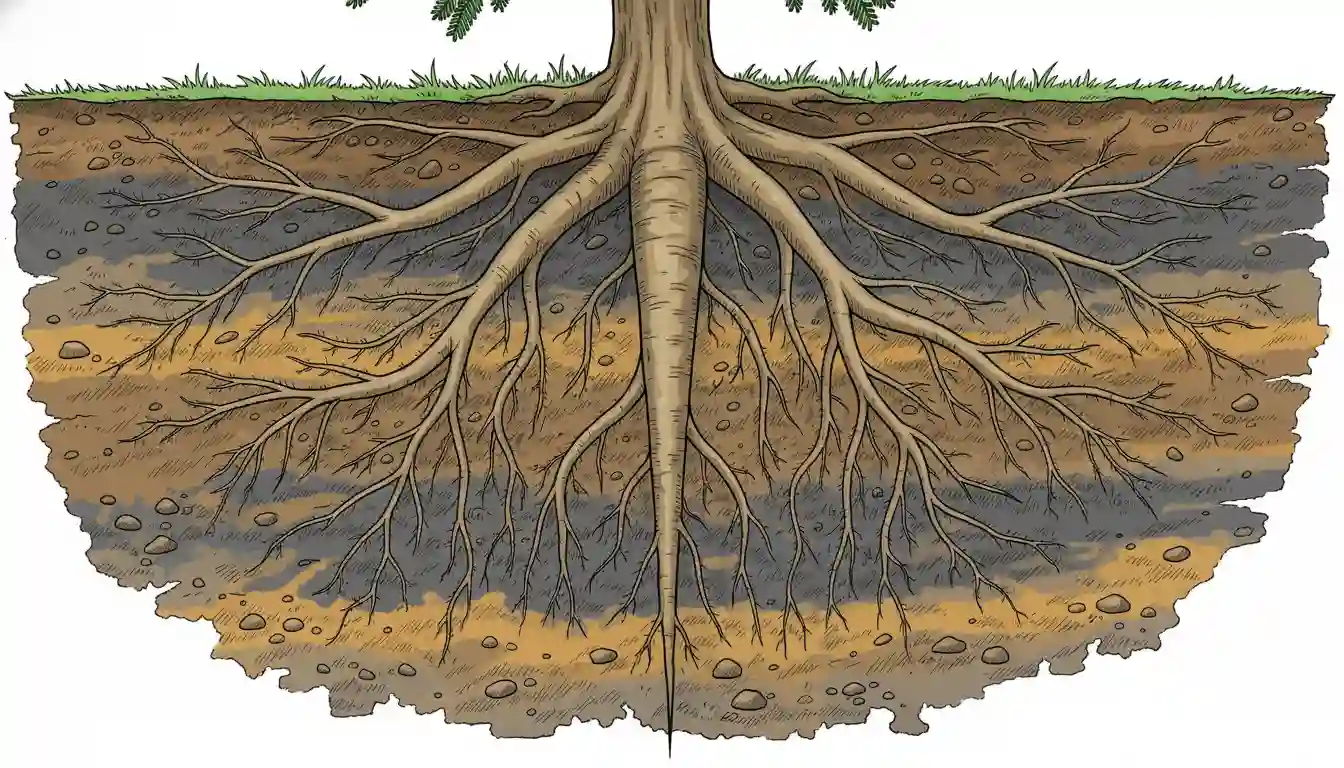
The primary issue with the mimosa tree (Albizia julibrissin) is its incredibly vigorous and predominantly shallow root system. While it starts with a taproot, the tree quickly develops a network of large, spreading lateral roots that dominate the top 12 to 24 inches of soil. These roots are designed for one thing: rapid expansion to fuel the tree’s famously fast growth of up to five feet per year.
This root network is comprised of thick, woody structural roots that provide stability and fine, hair-like feeder roots that aggressively seek out moisture and nutrients. Because they stay so close to the surface, these roots can extend far beyond the tree’s canopy, often traveling two to three times the width of the branches. This vast and shallow web is the source of most problems for homeowners.
The Hidden Dangers: Why Mimosa Roots Are a Homeowner’s Nightmare
The allure of the mimosa’s beauty can quickly fade when the consequences of its root system become apparent. The damage is often slow and hidden at first, but it can lead to thousands of dollars in repairs and significant landscaping headaches. Understanding these specific threats is the first step toward protecting your property.
Threat to Foundations and Hardscapes
One of the most significant dangers posed by mimosa roots is their ability to damage concrete and masonry. As the shallow roots grow in diameter, they exert immense pressure upwards. This force is powerful enough to lift and crack sidewalks, driveways, patios, and retaining walls. The resulting uneven surfaces are not just unsightly; they are serious tripping hazards.
Beyond direct pressure, mimosa roots can harm your home’s foundation by altering soil moisture. During dry periods, the vast root system will draw large amounts of water from the soil around your foundation. In clay soils, this moisture removal causes the soil to shrink and pull away from the foundation walls, leading to subsidence and the formation of structural cracks. If you notice new cracks in your concrete, it might be time to investigate sealing them; exploring a backer rod alternative could be a useful step in repairing such damage before it worsens.
Plumbing and Septic System Invasion
Your underground pipes are a prime target for invasive mimosa roots. The fine feeder roots are biologically programmed to seek out sources of water, oxygen, and nutrients. Sewer lines, drain pipes, and septic fields provide an ideal, continuously replenished source of all three.
The roots can exploit even the tiniest crack or joint in a pipe. Once inside, they proliferate rapidly, creating a dense mat that obstructs flow and eventually causes complete blockages. The pressure from the growing root mass can also widen existing cracks or even break the pipes, leading to messy backups and expensive excavations and repairs.
Lawn and Garden Domination
In the garden itself, the mimosa tree’s root system is a fierce competitor. The dense, shallow mat of roots monopolizes the topsoil, absorbing the majority of available water and nutrients. This makes it extremely difficult to grow a healthy lawn or cultivate other plants near the tree’s base.
Furthermore, the root system is notorious for sending up suckers—new shoots that emerge from the roots. These suckers can pop up all over your lawn and garden beds, attempting to form new trees. Constant mowing and pruning are required to keep them in check, turning garden maintenance into a recurring battle against the tree’s relentless spread.
Your Action Plan: How to Safely Manage and Control Mimosa Roots
Whether you are considering planting a mimosa or dealing with an existing one, having a clear management plan is crucial. Proactive measures are far more effective and less costly than reactive repairs. Here is a step-by-step guide to controlling the mimosa root system.
Strategic Planting: The First Line of Defense
If you are set on planting a mimosa tree, location is everything. Never plant a mimosa tree close to your home or other critical structures. A safe planting distance is paramount to preventing future damage. As a rule of thumb, plant it at least 30 to 40 feet away from house foundations, septic tanks, pools, driveways, and underground utility lines. This buffer zone provides space for the roots to spread without immediately threatening your property.
Installing Root Barriers: A Proactive Solution
For new plantings or even for existing trees that are not yet mature, installing a root barrier can be an effective control method. Root barriers are rigid panels of plastic or specially treated fabric installed vertically in the ground to redirect root growth downwards and away from structures.
To install a barrier, you must dig a trench at least 24-30 inches deep along the perimeter of the area you want to protect. The barrier panels are placed in the trench, which is then backfilled with soil. This creates a physical wall that the shallow roots cannot penetrate, forcing them to grow deeper or in a different direction. It is a labor-intensive but highly effective preventative measure.
Pruning and Maintenance: Taming the Beast
Regular maintenance can help manage the tree’s aggressive tendencies. Promptly remove any root suckers that appear in your lawn or garden beds by cutting them as close to the ground as possible. This prevents the tree from spreading vegetatively and creating a thicket.
Root pruning is another option, but it should be approached with extreme caution. Severing major structural roots can compromise the tree’s stability, making it a hazard in high winds. It can also stress the tree, leading to decline or disease. If you are considering root pruning to stop damage, it is highly recommended to consult a certified arborist to assess the situation and perform the work safely.
Dealing with an Existing Problem Tree
If a mimosa tree is already causing damage, you have two primary options: professional root management or complete removal. An arborist may be able to sever the problematic roots and install a root barrier to prevent further incursion. However, in many cases, removal is the only permanent solution.
Cutting down a mimosa tree is not enough; the root system will vigorously send up new sprouts. To kill the tree completely, the stump and roots must be treated. Immediately after cutting the tree down, apply a high-strength herbicide containing glyphosate or triclopyr to the freshly cut surface of the stump. This allows the chemical to be drawn into the root system, killing it and preventing regrowth.
Mimosa Root System at a Glance
To provide a clear summary of the mimosa’s root characteristics and the problems they cause, consult the table below. This information can help you quickly assess the risks associated with this tree.
| Characteristic | Description |
|---|---|
| Primary Root Type | Shallow, aggressive, and widespread lateral roots. A taproot is present in young trees but becomes less dominant over time. |
| Typical Depth | Concentrated in the top 12-24 inches of soil, making them surface-level problems. |
| Lateral Spread | Can extend 2-3 times the width of the tree’s canopy, often exceeding 50 feet from the trunk. |
| Growth Rate | Extremely fast. The root system expands rapidly to support tree growth of 2-5 feet per year. |
| Primary Risks | Damage to foundations, sidewalks, and driveways; invasion of plumbing and septic systems; competition with lawn and garden plants; and persistent suckering. |
Beyond the Roots: Is the Mimosa Tree Right for Your Garden?
While the root system is a primary concern, it’s not the only drawback of the mimosa tree. Its wood is notoriously brittle and prone to breaking in storms, which can be a safety hazard. The tree also has a relatively short lifespan, often succumbing to diseases like mimosa wilt after just 15-20 years. Furthermore, it is considered an invasive species in many parts of the United States, as its prolific seeds escape cultivation and crowd out native plants in natural areas.
The constant mess from dropping flowers, long seed pods, and falling leaves requires significant cleanup. For these reasons, many horticulturalists and environmental groups strongly advise against planting it. A responsible gardening approach involves considering the tree’s full impact on your property and the local ecosystem.
Alternatives to the Mimosa Tree
Fortunately, there are many beautiful, non-invasive alternatives that offer a similar aesthetic without the destructive habits. If you love the mimosa’s delicate foliage and summer blooms, consider planting one of these natives instead:
- Serviceberry (Amelanchier sp.): Offers beautiful white spring flowers, edible fruit, and excellent fall color. It is a well-behaved small tree that supports local wildlife.
- Eastern Redbud (Cercis canadensis): Known for its stunning pinkish-purple blossoms that appear in early spring. It has a graceful, spreading shape and is a much safer choice for planting near structures.
- Sourwood (Oxydendrum arboreum): A fantastic summer-blooming native tree with fragrant white flowers that bees love. It also features brilliant scarlet fall foliage.
Expert Q&A: Your Top Mimosa Root Questions Answered
To provide further clarity, here are answers to some of the most frequently asked questions about mimosa tree roots. This section aims to address specific concerns that homeowners and gardeners often have.
How far do mimosa tree roots spread?
Mimosa tree roots can spread surprisingly far. It is common for the lateral roots to extend two to three times the width of the tree’s canopy. For a mature tree with a 25-foot spread, the roots could easily reach 50 feet or more from the trunk, invading a large area of your yard.
Can you plant a mimosa tree in a pot?
While you can technically grow a mimosa tree in a very large container, it is not an ideal long-term solution. The tree’s rapid growth and desire to spread its roots mean it will quickly become root-bound. Keeping it in a pot will require frequent re-potting and root pruning, and it will never reach its full potential. It’s generally not recommended for container growing.
Will cutting surface roots kill a mimosa tree?
Cutting one or two smaller surface roots is unlikely to kill a healthy, established mimosa tree. However, severing multiple large roots can be very harmful. It reduces the tree’s ability to absorb water and nutrients and, more importantly, can destabilize it, making it vulnerable to falling over in a storm. Always consult an arborist before cutting major roots.
How do I kill a mimosa tree and its roots for good?
To permanently eradicate a mimosa tree, you must kill its persistent root system. First, cut the tree down to a stump. Within five minutes of making the final cut, use a paintbrush to apply a concentrated herbicide (such as 40-50% glyphosate or triclopyr) to the entire cut surface of the stump, focusing on the outer ring where the vascular system is located. This method ensures the poison is transported down to the roots, killing them and preventing resprouting.
Also Read: Tree Removal and Fence Repair: A Homeowner’s Ultimate Guide
Final Words
The mimosa tree is a classic example of a plant whose beauty masks significant problems. Its charming flowers and graceful form are tempting, but the aggressive, destructive nature of its root system presents a serious risk to your home, hardscapes, and garden. By understanding the behavior of the mimosa tree root system and taking proactive management steps, you can protect your property from costly damage.
For most gardeners, the wisest choice is to opt for a non-invasive, native alternative that offers similar beauty without the hidden dangers. Making an informed decision will ensure your garden remains a place of peace and enjoyment, not a battleground against an invasive tree.
