
Milzen Cabinets Reviews: The Unfiltered Truth Before You Buy
The journey to a new kitchen is often paved with overwhelming choices and stressful budget decisions. At the heart of this challenge lies the most significant element: the cabinetry. It sets the tone, defines the layout, and consumes a large portion of the renovation budget.
In the vast marketplace of kitchen cabinets, brands like Milzen emerge as a beacon for the budget-conscious homeowner. They promise contemporary style without the hefty price tag, but this raises a critical question. Is it a savvy investment or a corner-cutting compromise you’ll later regret?
This comprehensive review digs deep into the world of Milzen cabinets. We will move beyond the glossy brochure photos to provide an unfiltered look at their materials, construction, and the real-world experiences of homeowners. This guide is designed to equip you with the knowledge to decide if Milzen is the right choice for your home and garden oasis.
You'll Learn About
The Anatomy of Milzen Cabinets: A Look Beneath the Surface
Understanding what you are buying is the first step in making a confident decision. Milzen cabinets are a prime example of Ready-to-Assemble (RTA) cabinetry, which means they are delivered flat-packed and require on-site assembly. This model is a key reason for their attractive price point.
The core of any cabinet is its material composition. This is where the most significant debates about quality and durability originate, and where Milzen makes specific choices to manage costs while delivering on modern aesthetics. A clear understanding of these materials is crucial.
Materials and Construction: The HDF and Thermofoil Equation
Most Milzen cabinets utilize High-Density Fiberboard (HDF) or Medium-Density Fiberboard (MDF) for their doors and drawer fronts. These engineered wood products are created by breaking down hardwood and softwood residuals into wood fibers, combining them with wax and a resin binder, and forming panels by applying high temperature and pressure.
HDF offers a distinct advantage over solid wood in certain applications. Its incredibly dense and uniform structure provides a perfectly smooth surface, which is ideal for paint application. This prevents the cracking and warping that can occur with solid wood doors as they respond to changes in humidity and temperature.
The cabinet boxes themselves are typically constructed from furniture-grade plywood or particleboard. While plywood offers greater structural integrity and moisture resistance, the quality of the particleboard used in budget-friendly lines is a critical factor to investigate. Always confirm the box material before purchasing.
Finish and Style Options
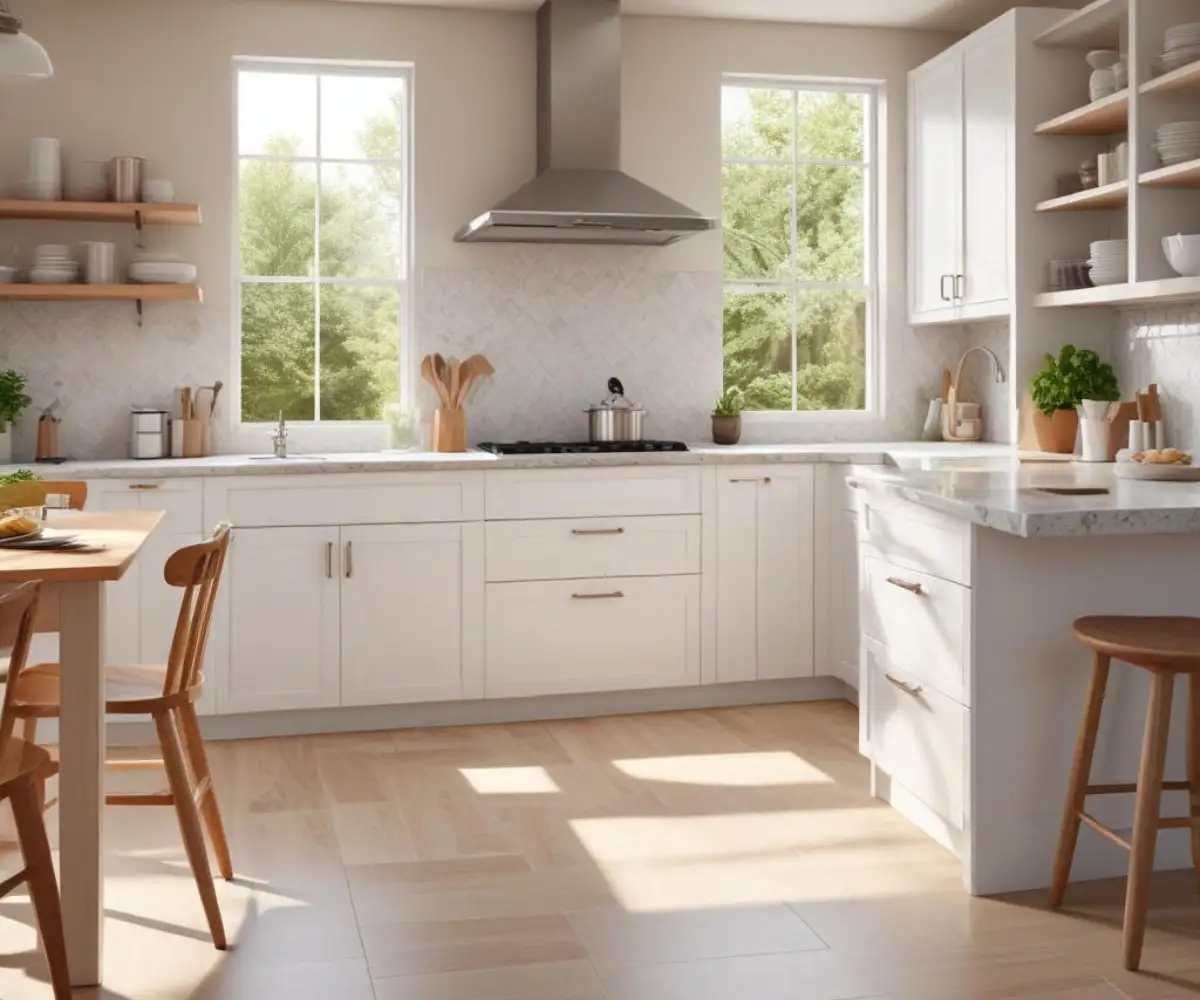
Milzen focuses on popular, contemporary styles, most notably the timeless Shaker design. Their finishes are primarily paint or thermofoil. A painted finish on HDF offers a smooth, consistent, and durable coating that is easy to clean and maintain.
Thermofoil is a vinyl laminate that is heated and fused to the surface of the underlying HDF. This process creates a seamless and durable finish that is highly resistant to staining and easy to wipe down. However, it’s important to be mindful of heat exposure, as excessive heat from nearby appliances can potentially cause the thermofoil to delaminate over time.
The Good, The Bad, and The Ugly: An Honest Milzen Cabinets Review
No cabinet brand is perfect for everyone. A balanced view requires acknowledging both the strengths and the weaknesses. Based on extensive analysis of customer feedback and product specifications, here is a breakdown of what you can expect.
The Pros: Where Milzen Shines
The most prominent advantage of Milzen cabinets is their exceptional affordability. For homeowners undertaking a major renovation on a tight budget, Milzen makes a modern kitchen accessible. They allow you to achieve a high-end look for a fraction of the cost of semi-custom or custom cabinetry.
Secondly, the aesthetic appeal is undeniable. Milzen stays on-trend with clean lines, popular colors like whites and grays, and the minimalist Shaker style that fits seamlessly into nearly any home decor. They provide a sleek, modern canvas for your kitchen design.
Finally, the online ordering process is generally straightforward. This accessibility allows homeowners to plan, design, and purchase their kitchen cabinets from the comfort of their home, streamlining a significant part of the renovation process.
The Cons: Potential Pitfalls to Consider
The primary concern voiced in many reviews revolves around long-term durability. While the HDF doors are stable, the overall longevity of the cabinet boxes and finishes can be a question mark compared to more expensive options. Issues like chipping paint or sagging shelves under heavy loads are potential risks.
Assembly and installation can present a significant challenge. Homeowner feedback frequently points to instructions that can be vague or unclear, especially for a first-time DIYer. This can lead to frustration and mistakes that compromise the final result. Patience and careful attention to detail are non-negotiable.
Quality control is another area of concern. There are reports of cabinets arriving with minor scratches, dings, or even missing hardware. While these issues are often resolved by customer service, they can cause delays and add stress to your project timeline. It is imperative to inventory and inspect every single piece upon delivery.
Milzen Cabinets vs. The Competition: A Head-to-Head Comparison
To truly gauge the value of Milzen cabinets, it’s helpful to see how they stack up against other popular options in the market. This table provides a clear comparison across key decision-making factors.
| Feature | Milzen Cabinets | IKEA | Big Box Store (Stock) | Custom Cabinetry |
|---|---|---|---|---|
| Price Range | Low | Low to Medium | Low to Medium | High to Very High |
| Primary Materials | HDF/MDF, Particleboard | Particleboard, Fiberboard, Foil/Laminate | Particleboard, Plywood Options | Solid Wood, Plywood |
| Assembly Required | Yes (Full DIY) | Yes (Full DIY) | Pre-assembled or RTA | Professionally Installed |
| Customization | Very Low | Medium (Modular System) | Low | Very High |
| Typical Lead Time | 1-3 Weeks | Varies (Stock Dependent) | In-stock or 1-4 Weeks | 8-16+ Weeks |
Installation and Assembly: Your Practical Guide to Success
A successful Milzen cabinet installation begins long before you pick up a drill. Proper preparation and a methodical approach can mitigate the most common frustrations associated with RTA cabinets. A beautiful outcome is achievable with the right strategy.
Your first priority upon delivery is a thorough inventory. Do not assume everything is there. Carefully unpack each box and check the contents against the packing slip. Look for any signs of damage that may have occurred during shipping. Report any discrepancies or damage to customer service immediately, before you begin assembly.
Leveling the Foundation
Before installing any base cabinets, you must ensure your floor is perfectly level. An uneven subfloor is a common problem that can cause cabinet frames to twist, leading to misaligned doors and functionality issues down the road. Use a long level to check the floor and use shims to create a perfectly level base for your installation.
Sometimes, an uneven floor can be a symptom of a larger issue with your home’s foundation. It is vital to address these core problems for a lasting renovation. This is similar to how, in your garden, you must address ground instability; knowing how to fill an erosion hole is critical for preventing wider structural damage.
Pro Tips for a Flawless Build
When you are ready to assemble, give yourself ample space and stay organized. Use wood glue on all dowel and joint connections within the cabinet box. This simple step adds significant rigidity and strength to the final structure, a tip often overlooked in the manufacturer’s instructions.
When it comes to securing wall cabinets, you must attach them directly to the wall studs. Do not rely on drywall anchors alone. Understanding the structural integrity of your walls is paramount. It involves the same principles as knowing how much weight a 4×4 can hold vertically; both are about ensuring a safe and stable load-bearing capacity.
Long-Term Care: Keeping Your Milzen Cabinets Looking New
Your responsibility does not end after installation. Proper care and maintenance are essential to maximizing the lifespan of your Milzen cabinets and keeping them looking pristine. Thankfully, the materials used in their construction make cleaning relatively simple.
For everyday cleaning of both painted and thermofoil surfaces, use a soft, lint-free cloth dampened with warm water and a mild dish soap. Avoid harsh chemical cleaners, abrasive sponges, or excessive moisture, as these can damage the finish over time. Always dry the surfaces immediately after cleaning.
A successful home renovation is not just about a single project; it is about adopting a mindset of proactive maintenance. This approach applies to everything you own. Just as you would learn about your MTD snowblower drive belt tensioner before the winter hits, learning how to perform minor cabinet hinge adjustments will keep your doors perfectly aligned and functioning smoothly for years to come.
The Final Verdict: Are Milzen Cabinets the Right Choice For You?
After a thorough analysis, it is clear that Milzen cabinets occupy a specific and important niche in the market. They are not intended to compete with high-end custom cabinetry, but rather to provide a stylish and functional solution for homeowners with specific priorities.
The decision ultimately comes down to a trade-off between cost, convenience, and quality. You are trading the robust construction and longevity of more expensive brands for a significant upfront cost saving and modern design. For many, this is a trade worth making.
Who Should Buy Milzen Cabinets?
Milzen is an excellent choice for the budget-conscious renovator who wants a modern kitchen without going into debt. They are also ideal for patient and detail-oriented DIYers who are willing to put in the time and effort to assemble and install them correctly. If your priority is achieving a specific aesthetic for less, Milzen delivers.
Who Should Avoid Them?
Conversely, if you are seeking heirloom-quality cabinetry that will last for 30+ years with minimal issues, you may want to invest in a higher-tier brand. Homeowners who lack the time, patience, or skills for a complex DIY project should also be cautious. If your project requires unique sizes or significant customization, the limited options of a stock RTA brand like Milzen will not meet your needs.
