
Milkweed in Your Vegetable Garden: The #1 Secret to a Bountiful Harvest?
You’ve meticulously planned your vegetable garden. You dream of crisp lettuces, juicy tomatoes, and vibrant peppers. But then you hear the buzz about helping monarch butterflies and a single plant keeps coming up: milkweed. The name itself—”weed”—can send a shiver down any gardener’s spine.
The core problem is a conflict of purpose. Should you introduce a potentially wild, spreading plant into your orderly rows of food crops? This hesitation is not just common; it’s smart. But what if that “weed” was the key to unlocking your garden’s true potential?
You'll Learn About
Why You’re Right to Be Cautious About Milkweed
Let’s address the concerns head-on. Many gardeners fear that inviting milkweed into their vegetable patch is an invitation for chaos. The primary worry is its aggressive nature. Common Milkweed (Asclepias syriaca), in particular, spreads vigorously through underground rhizomes, capable of popping up far from the parent plant and competing with your vegetables for water, nutrients, and light.
Another valid concern involves the pests milkweed attracts. Bright yellow oleander aphids often colonize milkweed stems in dense numbers. The fear is that these pests will migrate to your precious vegetable plants, creating a new problem to solve. These are legitimate issues that demand a strategic approach, not a complete dismissal of the plant.
The Surprising Solution: Milkweed as a Garden Superhero
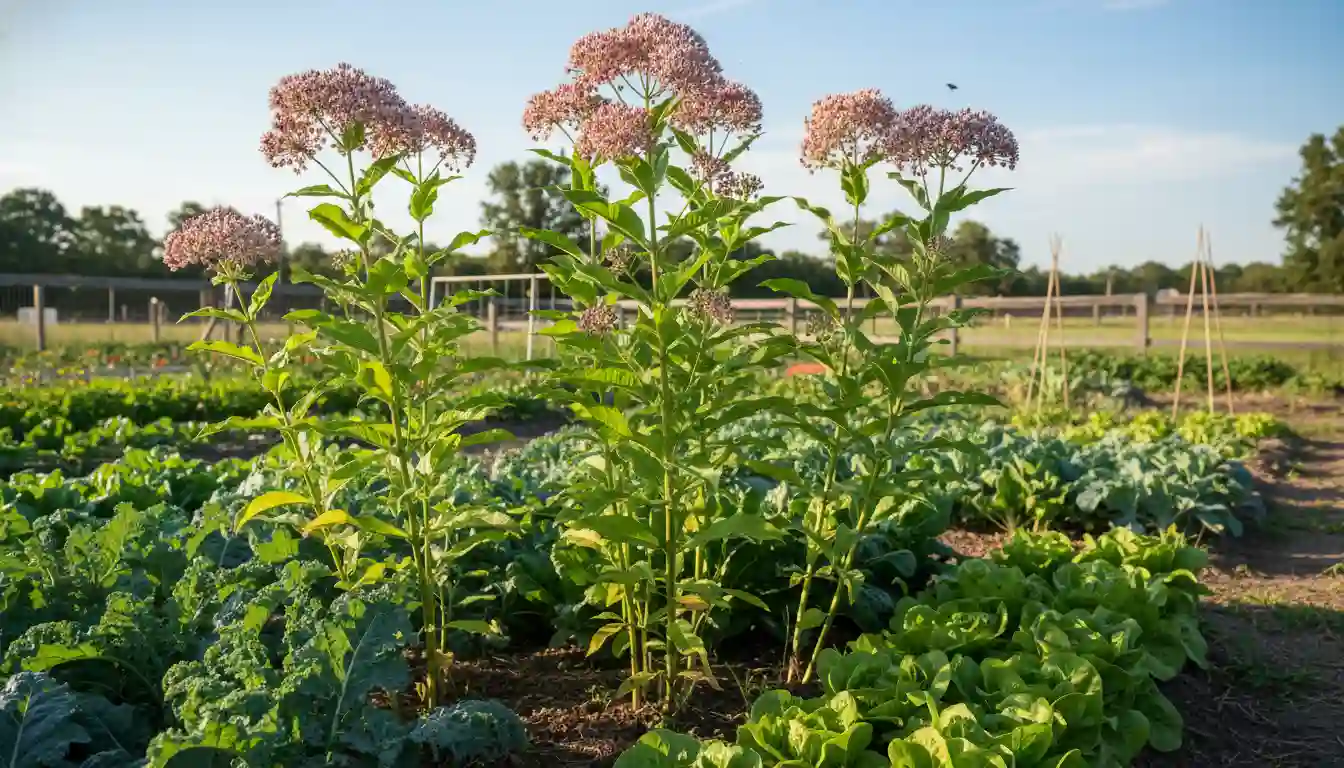
The truth is, when managed correctly, milkweed is less of a villain and more of a superhero for the vegetable garden. Its benefits extend far beyond being a host plant for monarch caterpillars. It acts as a cornerstone for a thriving, resilient garden ecosystem.
Milkweed is a powerful pollinator magnet. Its nectar-rich flowers attract an incredible diversity of bees, wasps, and other beneficial insects that are essential for fruit-producing vegetables. If you’ve ever been disappointed by the yield from your squash, cucumbers, or beans, a lack of pollination is a likely culprit. Milkweed draws these pollinators in, creating a hub of activity that benefits your entire garden.
Furthermore, milkweed serves as a nursery for beneficial predators. It attracts ladybugs, lacewings, and parasitic wasps. These insects are your garden’s security team, actively hunting and preying on common vegetable pests like tomato hornworms, cabbage worms, and destructive aphid species. Planting milkweed is like setting up a 24/7 pest patrol.
Strategic Planting: How to Add Milkweed Without Regrets
Success with milkweed in a vegetable garden hinges on one crucial factor: choosing the right species and the right location. Not all milkweeds are created equal. Some are well-behaved, clumping varieties perfect for tight spaces, while others are aggressive spreaders best suited for wilder areas.
Understanding the difference is key to a harmonious garden. Clumping varieties, like Butterfly Weed and Swamp Milkweed, will stay where you plant them, providing all the benefits without the invasive headache. This allows you to integrate them directly into or alongside your vegetable beds with confidence.
Choosing Your Milkweed Champion
To make the best choice, you need to know your options. This table breaks down some of the most common garden-friendly milkweeds to help you select the perfect one for your space and needs.
| Species Name | Growth Habit | Sun & Soil Needs | Special Considerations |
|---|---|---|---|
| Butterfly Weed (Asclepias tuberosa) | Clumping | Full Sun; Well-drained, sandy soil. Drought tolerant. | Excellent for borders and containers. Its bright orange flowers are a standout. |
| Swamp Milkweed (Asclepias incarnata) | Clumping | Full Sun; Moist to wet soil. Tolerates clay. | Perfect for gardens with heavier soil or near a water source. Stays put. |
| Common Milkweed (Asclepias syriaca) | Spreading (Rhizomes) | Full Sun; Adaptable to various soils. | Best for dedicated pollinator patches or large containers to control its spread. |
| Whorled Milkweed (Asclepias verticillata) | Spreading Slowly | Full Sun; Dry, sandy, or rocky soil. | A more delicate, fine-textured option. Spreads but is less aggressive than Common Milkweed. |
Managing the “Weed”: Keeping Milkweed in Check
Even with careful selection, a little management goes a long way. If you do choose a spreading variety, consider installing an underground root barrier to keep it contained, much like you would with bamboo. For all types, managing the seed pods is a simple way to prevent unwanted volunteers.
Once the flowers fade, you can snip off the green seed pods before they mature, dry, and split open. This prevents the silky seeds from parachuting all over your garden. This simple step gives you complete control over where the next generation of plants will grow.
What About Those Yellow Aphids?
You will almost certainly see oleander aphids on your milkweed. Do not panic. These aphids are specialists; they feed exclusively on milkweed and its relatives and will not infest your tomatoes, peppers, or squash. In fact, their presence is a dinner bell for ladybugs and lacewing larvae, drawing even more beneficial predators right where you need them.
If their numbers bother you, a strong jet of water from the hose is enough to knock them off. Avoid using pesticides, as this will harm the monarch caterpillars and the very beneficial insects you’re trying to attract. Trust the ecosystem you are building to find its own balance.
Advanced Companion Planting: Creating a Thriving Ecosystem
Think of milkweed as a foundational piece in your garden’s structure, not unlike the strong supports of a porch. The stability of a structure, whether a garden or a home, often comes down to the quality of its core components. Just as you’d carefully consider replacing wrought iron porch columns to ensure lasting strength, choosing the right milkweed provides a robust ecological foundation.
Pair milkweed with other beneficial plants to create a layered defense. Planting dill and fennel will attract more parasitic wasps, while sweet alyssum provides ground cover that shelters ground beetles. This multi-species approach creates a resilient system that is less prone to sudden pest outbreaks, reducing your workload and increasing your harvest.
A Deeper Look at Plant Interactions
A concern that rarely gets discussed is allelopathy—the chemical warfare between plants. Some plants release compounds from their roots that inhibit the growth of nearby competitors. Research on milkweed’s allelopathic properties shows that while it does produce a range of potent chemicals (cardiac glycosides) to deter herbivores, these are largely contained within the plant’s tissues and do not significantly impact the growth of most common vegetable companions in a typical garden setting.
The overwhelming evidence points to the benefits of increased pollination and pest predation far outweighing any minimal allelopathic risk. The key is biodiversity. In a garden with rich soil and a variety of species, these subtle interactions become part of a complex and stable web, rather than a direct conflict between two plants. Establishing this web is a far better goal than correcting a simple mistake later, which can often feel like discovering your painter did a bad job and you now have to fix the underlying issues.
Building a Garden That Lasts
The long-term vision is to shift your mindset from a simple vegetable plot to a true garden habitat. A well-designed garden, much like a well-constructed home, relies on unseen layers of support. For instance, in a bathroom, you need to know how thick is Kerdi-board to ensure a waterproof and durable foundation. Similarly, building a foundation of healthy soil and diverse plant life in your garden ensures its long-term health and productivity.
By incorporating native plants like milkweed, you are creating an ecosystem that starts to manage itself. Over time, you’ll find you need fewer pesticides, less fertilizer, and spend less time fighting pests. Your garden becomes a self-regulating community where nature does most of the heavy lifting for you.
Your Milkweed & Vegetable Garden Questions Answered
Even with a clear plan, questions can arise. Here are answers to some of the most common queries about mixing milkweed and vegetables.
Is milkweed toxic to have near edible plants?
Milkweed contains cardiac glycosides, which are toxic if ingested. However, this toxicity is not transferred to the soil or to adjacent plants. Your vegetables will be perfectly safe to eat. Simply avoid eating the milkweed itself.
Will the large milkweed bugs or red milkweed beetles harm my vegetables?
No. Like the oleander aphids, these brightly colored insects are specialists. They feed exclusively on milkweed seeds, stems, and leaves and have no interest in your vegetable crops.
How long does it take for milkweed to start helping my garden?
When planted from seed, many milkweed species will not flower until their second year. However, they begin to attract leaf-eating predators and improve the soil ecosystem almost immediately. The biggest pollination benefits will be seen once the plants are mature and flowering consistently.
The Verdict: A Powerful Ally Awaiting Your Invitation
Milkweed in the vegetable garden is not a mistake; it’s a strategic advantage. By moving past the “weed” in its name, you can see the plant for what it truly is: a powerful tool for boosting pollination, implementing natural pest control, and creating a more resilient and productive garden.
The key is to start smart. Choose a well-behaved, clumping variety, place it thoughtfully, and observe the life it brings to your garden. You’re not just planting a single species; you’re cultivating a healthier, more vibrant ecosystem that will reward you with a more bountiful harvest for years to come.
