
MI Windows vs Pella: The #1 Mistake You Can’t Afford to Make
Choosing new windows is one of the most significant investments you’ll make in your home. It’s a decision loaded with pressure, confusing technical jargon, and the paralyzing fear of making a costly mistake. Two names that consistently surface in this high-stakes search are MI Windows and Pella, leaving homeowners wondering which brand truly offers the best value, performance, and peace of mind.
The core problem isn’t just picking a winner; it’s navigating the vast differences in their product philosophies, materials, and target audiences. One wrong move could mean drafty rooms, higher energy bills, or windows that fail years before their time. This guide will cut through the noise, offering a direct, head-to-head comparison to ensure your investment is a sound one.
You'll Learn About
The Brands at a Glance: MI Windows and Pella
Understanding the fundamental identity of each brand is the first step in making an informed decision. While both manufacture windows, their histories, priorities, and market positions are distinctly different.
Who is MI Windows? The Focus on Affordability and Function
MI Windows has carved out a significant market share by focusing on producing reliable, functional, and, most importantly, affordable vinyl windows. Often favored by builders for new construction projects, MI provides dependable performance without the premium price tag. Their streamlined approach means fewer bells and whistles but a strong emphasis on core functionality and energy efficiency.
Think of MI as the practical choice for homeowners who need a large number of windows replaced on a budget or for those who prioritize straightforward performance over extensive customization. Their products are designed to meet or exceed industry standards, providing solid, workhorse windows for the everyday home.
Who is Pella? The Legacy of Innovation and Choice
Pella has built a legacy over nearly a century as a leader in window and door innovation, quality, and design. The brand is synonymous with a higher-end market, offering a vast spectrum of materials including wood, fiberglass, and vinyl. This variety allows homeowners to find a product that perfectly matches their home’s architectural style and their personal performance demands.
Pella’s reputation is built on premium craftsmanship, extensive customization options, and pioneering features like between-the-glass blinds and advanced security hardware. While they offer vinyl lines that compete with other brands, their core identity is rooted in providing a premium, customizable window solution for discerning homeowners.
The Critical Comparison: MI Windows vs. Pella Head-to-Head
When you place these two brands side-by-side, their differences become starkly clear. The right choice for your home depends entirely on which of these features you prioritize.
Material Quality and Durability: Vinyl vs. The Spectrum
The foundational difference between MI and Pella lies in their material offerings. MI Windows specializes almost exclusively in vinyl. Their vinyl frames are engineered for durability, with features like multi-chambered construction and welded corners to enhance strength and insulation. They produce a quality vinyl product designed for longevity and low maintenance.
Pella, on the other hand, offers a wide array of materials. Their vinyl products, like the Pella 250 Series, are robust and well-regarded, often seen as a step-up in quality from builder-grade options. However, Pella truly shines with its wood and fiberglass lines, such as the Architect and Impervia series, which offer superior strength, durability, and a premium aesthetic that vinyl cannot match.
Energy Efficiency: Unpacking U-Factor and SHGC
Both MI and Pella produce windows that can meet or exceed ENERGY STAR® requirements, but how they achieve this differs. Energy efficiency in windows is primarily measured by U-Factor (how well a window prevents heat from escaping) and Solar Heat Gain Coefficient (SHGC), which measures how well it blocks the sun’s heat.
MI Windows offers excellent energy performance within its vinyl lines, often utilizing dual-pane glass with argon gas fills and Low-E coatings to achieve impressive ratings. Pella also offers these features but provides more advanced options, including triple-pane glass and multiple Low-E coating choices tailored to specific climates. While both can keep your energy bills down, Pella generally offers a higher ceiling for performance for homeowners willing to invest in premium glass packages.
Product Lines and Options: Finding Your Perfect Fit
Your choice will also be guided by the specific product lines each brand offers. MI keeps its lineup relatively straightforward, with popular series like the 1650 double-hung or the 1556 sliding window offering proven performance for replacement and new construction projects.
Pella’s catalog is far more extensive, with tiered product lines designed for different budgets and needs. Vinyl options range from the accessible Pella 150 series to the higher-performance 250 and 350 series. Exploring the difference between Pella 150 and 250 series reveals how the brand tailors features to specific price points. This tiered system allows for more precise matching of product to homeowner needs.
Aesthetic and Design Flexibility
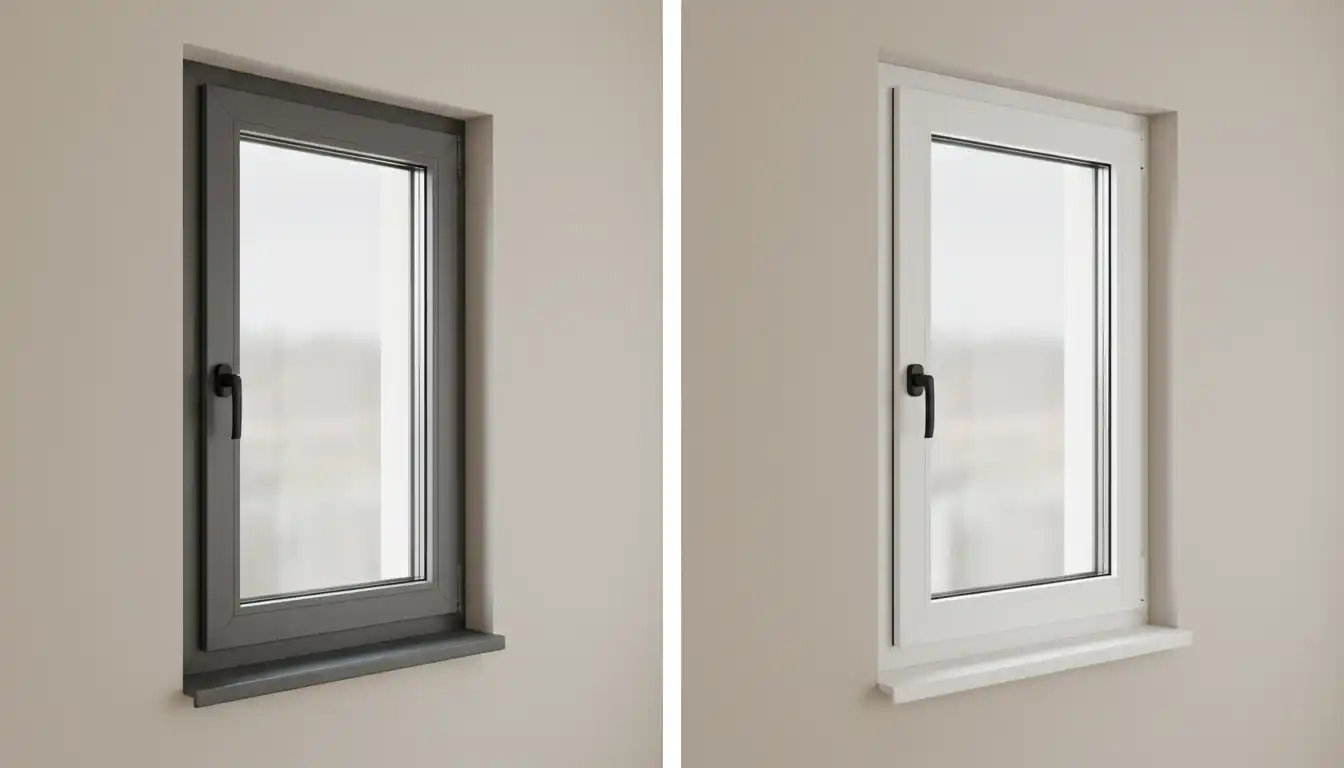
For homeowners focused on curb appeal and interior design, the aesthetic differences are crucial. MI Windows typically come in standard colors like white and almond, with a limited selection of grid patterns. They provide a clean, traditional look that suits a wide variety of homes.
Pella excels in customization. Their wood windows can be stained or painted to match any decor, and their vinyl and fiberglass lines offer a broader palette of exterior colors, including popular choices like black and brown. With more hardware finishes and grille options, Pella is the clear winner for homeowners who view windows as a key design element.
| Feature | MI Windows (Typical Vinyl Series) | Pella (250 Vinyl Series) |
|---|---|---|
| Primary Material | Vinyl | Vinyl |
| Key Strength | High Value and Affordability | Enhanced Performance & Brand Reputation |
| Customization | Standard sizes, limited color options | More color choices, hardware options |
| Energy Efficiency | Meets or exceeds ENERGY STAR® standards | Exceeds ENERGY STAR® in all 50 states with advanced options |
| Warranty | Limited Lifetime | Limited Lifetime (Varies by component) |
| Ideal For | Budget-conscious projects, new construction | Homeowners seeking higher-performance vinyl |
The Cost Factor: What’s the Real Price of New Windows?
Budget is often the deciding factor in any home improvement project, and the price difference between MI and Pella is significant. It’s essential to look beyond the initial quote and consider the long-term value.
MI Windows: The Budget-Friendly Contender
There’s no contest here: MI Windows are generally more affordable than Pella. Their focus on efficient vinyl manufacturing allows them to deliver a reliable product at a lower price point. This makes MI an excellent choice for homeowners needing to replace all the windows in their house at once without breaking the bank.
Pella: A Tiered Investment
Pella’s pricing is structured across its different product tiers. While their vinyl windows can be competitively priced, they often come at a premium compared to MI. The real cost increase comes with their fiberglass and wood windows, which are positioned as premium products. You are paying for the brand reputation, wider selection, and advanced features.
Warranty and Customer Support: Your Long-Term Peace of Mind
A window is only as good as the company that stands behind it. Both MI and Pella offer strong warranties, but the details are what matter for your long-term protection.
Decoding MI Windows’ Warranty
MI offers a Limited Lifetime Warranty on its vinyl windows, which provides confidence for homeowners. This warranty typically covers defects in materials and workmanship, ensuring the product’s structural integrity. It’s a straightforward, solid warranty that reflects their commitment to a reliable product.
Understanding Pella’s Comprehensive Coverage
Pella also provides a Limited Lifetime Warranty, but its structure can be more complex, with different coverage periods for different components. For example, the glass may be covered for 20 years, while hardware and finishes have shorter terms. However, Pella’s extensive network of certified installers and showrooms often translates to more accessible and robust customer service.
The Deciding Factor No One Talks About: Installation and Local Service
Here is the critical mistake many homeowners make: they obsess over the brand name and forget that the window is only half of the equation. A premium Pella window installed improperly will perform worse than a standard MI window installed by a master craftsman. The quality of the installation is arguably more important than the brand you choose.
MI windows are sold through distributors and can be installed by any qualified local contractor. This gives you flexibility but places the burden of vetting the installer squarely on your shoulders. In contrast, Pella has a network of Pella Certified Contractors, which can provide a more streamlined and accountable installation process. However, this often comes at a higher cost. Before signing any contract, it is crucial to research your installer. Reading detailed third-party reviews, like those for big box stores in our Lowe’s windows installation reviews, can reveal potential pitfalls in the installation process that are separate from the product quality itself. Similarly, deep-diving into feedback on smaller, regional companies through resources like Southern Rose Windows reviews highlights the importance of local reputation.
Final Verdict: Which Window Brand Is Right for Your Home?
The choice between MI Windows and Pella is not about which is “better,” but which is better for you. Your budget, aesthetic priorities, and desired material will determine the right path.
Choose MI Windows If…
You are a homeowner driven by value and budget. You need to replace multiple windows and want a reliable, energy-efficient vinyl product without paying for a premium brand name. You have a trusted local contractor for the installation and prefer a straightforward, no-frills window that performs well.
Choose Pella If…
You view your windows as a long-term investment in your home’s beauty, comfort, and value. You desire premium materials like wood or highly durable fiberglass and want extensive customization options. You have a more flexible budget and value the peace of mind that comes with a well-known brand and a potentially more integrated sales-to-installation process.
Ultimately, the showdown between MI Windows and Pella is a classic case of value versus variety. By focusing on your specific needs—budget, material, design, and, most critically, the quality of your installer—you can confidently make a choice that will benefit your home for decades to come.
