
Mama Mia Garlic Bread: Your Garden’s Path to Italian Perfection
There’s a universal comfort found in the aroma of garlic bread baking. Yet, achieving that perfect balance of a crispy, golden crust and a soft, flavor-infused interior often feels elusive in a home kitchen. Many attempts result in a disappointing outcome: either a soggy, butter-logged loaf or a dry, flavorless brick.
This common culinary problem stems from a few key missteps. From choosing the wrong type of bread to an imbalanced garlic butter, the path to perfect garlic bread is paved with potential pitfalls. The goal is to create a side dish that doesn’t just accompany the meal but elevates it, turning a simple dinner into a memorable feast.
You'll Learn About
Why Your Garlic Bread Falls Flat: The Common Culinary Culprits
The disappointment of lackluster garlic bread is a shared experience. Understanding the core issues is the first step toward transforming your results from mediocre to magnificent. It’s often not one single error, but a combination of factors that lead to a less-than-perfect loaf.
The Bread Blunder: Choosing the Wrong Foundation
The single most critical element is the bread itself. Using soft, pre-sliced sandwich bread is a primary cause of sogginess. These breads lack the structural integrity to handle the generous amount of garlic butter required. They absorb too much moisture, leading to a greasy, unappealing texture.
A sturdy, crusty loaf like a French baguette, Italian ciabatta, or a rustic sourdough is essential. These varieties offer a robust crust and an open crumb structure, allowing the garlic butter to seep in without turning the bread into a sponge. The firm exterior provides the foundation for that sought-after crispy finish.
The Butter Brouhaha: More Than Just Melted Fat
Another frequent misstep is the preparation and application of the garlic butter. Using fully melted butter can lead to uneven coverage and excessive saturation. Softened, spreadable butter is far superior, as it allows for a controlled, even layer that melts slowly into the bread during baking.
The quality of the butter and the ratio of fat to solids also play a role. A higher-fat European-style butter can provide a richer flavor and better texture. The key is to create a compound butter—a paste—that clings to the bread’s surface rather than just soaking through it immediately.
The Garlic Gaffe: From Raw Bite to Burnt Bitterness
The heart of garlic bread is, of course, the garlic. However, its preparation is a delicate balance. Using large, chunky pieces of garlic results in an uneven distribution of flavor, with some bites being overwhelmingly pungent and others bland. Furthermore, these larger pieces can burn easily, imparting a bitter, acrid taste.
Finely minced or grated fresh garlic is non-negotiable for a vibrant, aromatic flavor. Pre-minced jarred garlic often contains preservatives that can lend a sour or off-taste. Taking the time to prepare fresh cloves ensures the pure, bold garlic essence infuses the butter perfectly, creating a harmonious and irresistible flavor profile.
The Mama Mia Method: Crafting Garlic Bread Perfection
Escaping the cycle of disappointing garlic bread requires a new approach. This method focuses on technique and quality ingredients to guarantee a perfect loaf every time. It’s a reliable process that transforms a simple side into a culinary centerpiece worthy of any gathering.
Step 1: Selecting the Perfect Loaf
Begin your journey at the bakery, not the bread aisle. Choose a loaf with a pronounced, crisp crust and a chewy, airy interior. A day-old loaf is often ideal, as it has slightly less moisture, which helps in achieving a crispier final product. Loaves like ciabatta or a French baguette are excellent choices.
The structure of these breads provides the perfect canvas. The open holes in the crumb act as tiny pockets, trapping the garlic butter and ensuring every bite is packed with flavor. Avoid any bread that feels overly soft or flimsy to the touch.
Step 2: The Heart of the Matter – The Ultimate Garlic Butter Compound
The soul of “Mama Mia” garlic bread lies in its rich, herbaceous butter. For one large loaf, start with one full stick (1/2 cup) of high-quality, unsalted butter, softened to room temperature. Using softened, not melted, butter is crucial for creating a thick, spreadable paste.
To this, add 4-6 cloves of freshly minced garlic—adjust to your personal preference for garlic intensity. Incorporate 2 tablespoons of finely chopped fresh parsley from your garden for a vibrant color and clean taste. A pinch of salt and a hint of black pepper balance the flavors, and for a deeper savory note, a tablespoon of grated Parmesan cheese can be mixed in.
Step 3: The Art of the Application
Slice your chosen loaf in half lengthwise using a serrated bread knife. This creates two long, flat surfaces, maximizing the area for the garlic butter. Using an offset spatula or the back of a spoon, apply the garlic butter compound in a thick, even layer from edge to edge.
Don’t be shy with the application. A generous layer is key to ensuring the bread is moist and flavorful on the inside. The softened butter will adhere to the surface, melting slowly and evenly as it bakes, creating the perfect texture.
Step 4: The Two-Stage Bake for Ultimate Texture
The secret to the perfect crispy-yet-soft texture is a two-stage baking process. First, preheat your oven to 375°F (190°C). Place the two buttered halves back together, wrap the entire loaf in aluminum foil, and bake for 15 minutes. This initial stage steams the bread, melting the butter and infusing the interior with garlic flavor, making it incredibly soft.
For the second stage, unwrap the loaf, separate the halves, and place them cut-side-up on a baking sheet. Increase the oven temperature to 400°F (200°C) and bake for another 5-10 minutes, or until the edges are golden brown and the surface is bubbly and crisp. For an extra-crispy, steakhouse-quality finish, a final minute under a broiler can work wonders; this is where an appliance like a countertop infrared broiler oven truly excels, delivering intense, direct heat for a perfect crust.
Beyond the Basics: Elevating Your Garlic Bread Game
Once you have mastered the fundamental technique, a world of customization opens up. Elevating your garlic bread can be as simple as adding a new ingredient or tweaking the flavor profile to match your main course. This is where you can let your creativity and garden’s bounty shine.
A Symphony of Cheeses: Adding Oozy, Melty Goodness
While Parmesan adds a salty, nutty note, introducing melting cheeses can transform your garlic bread into an indulgent treat. After the initial foil-wrapped bake, sprinkle a generous layer of shredded low-moisture mozzarella or a provolone and mozzarella blend over the top.
Return it to the oven until the cheese is melted, bubbly, and slightly golden. This creates a decadent, cheesy pull-apart experience that is perfect for serving alongside pasta or as a standalone appetizer. Experiment with other cheeses like asiago or fontina for different flavor dimensions.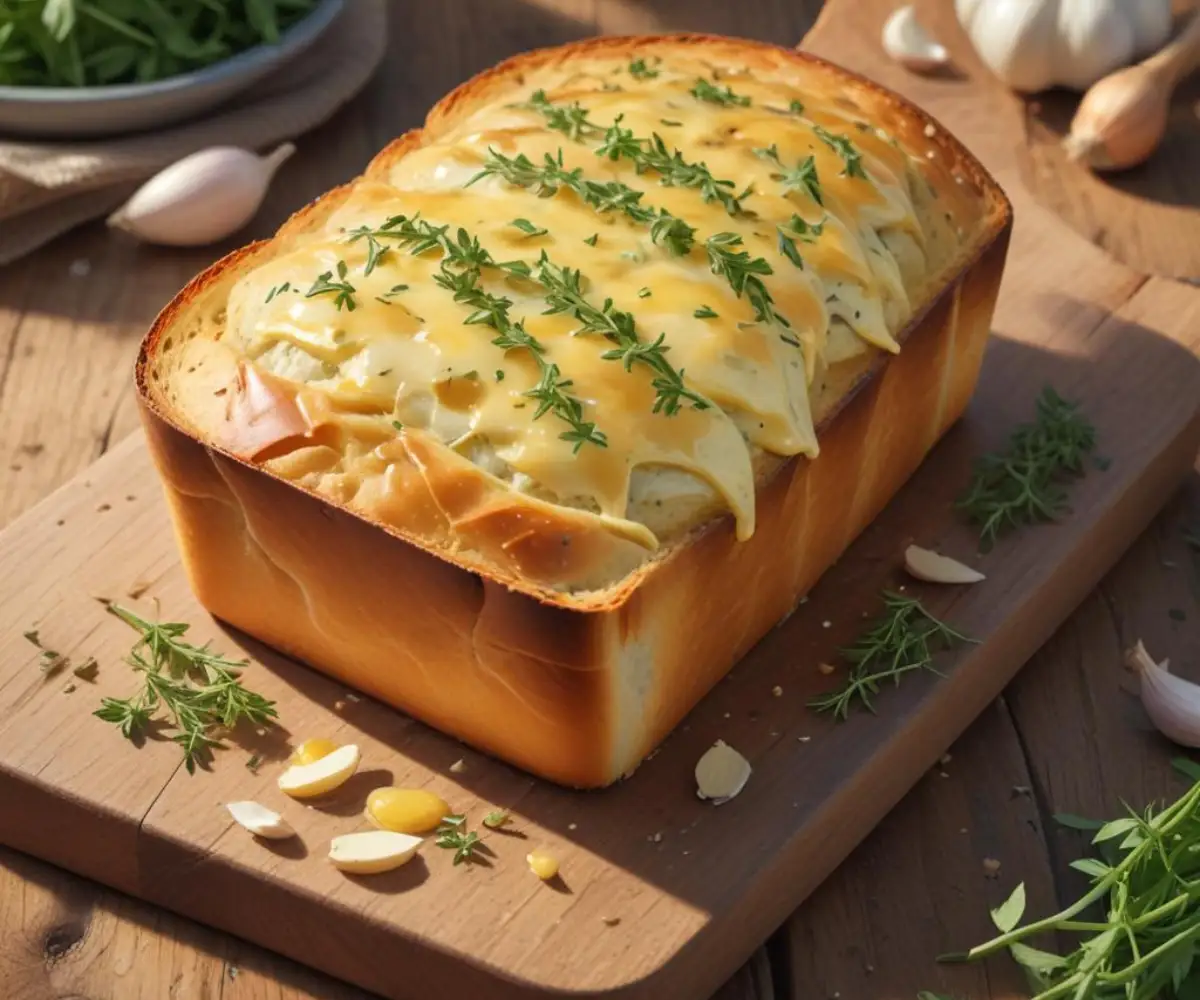
Herbaceous Heaven: Fresh-from-the-Garden Flavors
Your garden is a treasure trove of flavor enhancements. While parsley is classic, don’t hesitate to incorporate other fresh herbs into your garlic butter. Finely chopped rosemary adds a piney, robust flavor that pairs wonderfully with roasted meats, while fresh thyme can lend an earthy, subtle note.
Fresh chives or a small amount of basil can also be used to brighten the flavor profile. The key is to chop the herbs finely and incorporate them directly into the softened butter to ensure their essential oils are released, infusing every bite with fresh, vibrant taste.
| Component | Classic Choice | Savory Upgrade | Garden Herb Twist | Spicy Kick |
|---|---|---|---|---|
| Base Fat | Salted Butter | European Butter & Olive Oil | Unsalted Butter | Butter & Chili Oil |
| Herbs | Fresh Parsley | Parsley & Oregano | Rosemary, Thyme & Chives | Cilantro & Parsley |
| Cheese | Parmesan | Mozzarella & Provolone | Asiago | Pepper Jack |
| Add-in | None | Caramelized Onions | Sun-Dried Tomatoes | Red Pepper Flakes |
Serving and Storing: Keeping the Magic Alive
The moments after the garlic bread emerges from the oven are critical. Proper serving and storage techniques ensure that your creation is enjoyed at its peak and that any leftovers don’t go to waste. A little foresight goes a long way in preserving its perfect texture and flavor.
The Perfect Presentation for Guests
For the best experience, serve the garlic bread immediately while it’s hot and the crust is at its crispiest. Use a serrated knife to cut the loaves into thick, generous slices just before bringing them to the table. Arrange the slices on a rustic wooden board or in a cloth-lined basket to maintain warmth.
Imagine serving this incredible garlic bread at your next backyard gathering. A perfect meal deserves a perfect setting, right down to the details of your home’s exterior, such as ensuring you have pristine vinyl siding around windows with built in j channel to frame the view of your beautiful garden.
Storing and Reheating Like a Pro
Should you have any leftovers, proper storage is crucial to prevent the bread from becoming stale or soggy. Allow the garlic bread to cool completely to room temperature before storing. Wrapping it while still warm will trap steam and lead to a soft, undesirable crust.
Store the cooled bread in an airtight container or wrap it tightly in aluminum foil at room temperature for up to two days. Avoid refrigerating bread, as it can accelerate the staling process. A reliable refrigerator is essential for your kitchen ingredients, and understanding its functions is key; knowing how to troubleshoot issues, for instance, what does 14 e mean on samsung refrigerator, is an important part of home and appliance maintenance.
To reheat, place the foil-wrapped bread in a 350°F (175°C) oven for 10-15 minutes. For the last few minutes, you can unwrap it to help re-crisp the exterior. This method gently warms the bread through, reactivating the butter and restoring much of its original glory.
The Science of Sensation: Why This Recipe Works
The success of this garlic bread recipe isn’t magic; it’s a result of understanding the simple food science at play. From browning reactions to the interplay of textures, each step is designed to optimize the final outcome, creating a sensory experience that is deeply satisfying.
Unlocking Flavor: Maillard Reaction and Caramelization
The beautiful golden-brown color and complex, savory flavor developed during the final, high-heat baking stage are due to the Maillard reaction. This chemical reaction between amino acids and reducing sugars is responsible for the toasty, roasted notes that make the crust so appealing. It’s the same process that gives a steak its delicious sear.
Simultaneously, the butter and any sugars in the bread undergo caramelization, adding notes of sweetness and nutty depth. This combination of scientific processes creates a flavor profile that is far more complex than the sum of its simple ingredients, elevating the bread from a mere carrier of garlic to a flavor powerhouse in its own right.
Texture is Everything: The Crisp-to-Soft Ratio
The two-stage baking method is specifically engineered to manipulate texture. The initial foil-wrapped, lower-temperature bake gently heats the loaf, allowing the butter to melt and the steam to be trapped inside. This process fully hydrates the bread’s interior, resulting in a supremely soft and moist crumb.
The final, unwrapped, higher-temperature bake does the opposite. It drives moisture away from the surface of the bread, creating that delightful, crunchy crust. This carefully controlled process ensures the ideal textural contrast—a hallmark of truly exceptional garlic bread—that is crispy on the outside while remaining pillowy-soft and tender within.
By following these deliberate steps and understanding the simple principles behind them, you can move beyond guesswork. You can consistently produce “Mama Mia” quality garlic bread that delights family and guests, turning a simple homemade side into a memorable highlight of any meal.
Final Word
Great garlic bread isn’t about complicated techniques—it’s about making a few intentional choices. The right loaf, a well-balanced garlic butter, and proper heat control can transform a humble side into something extraordinary. Once you understand the small mistakes that lead to soggy or dried-out results, you can avoid them with ease and create garlic bread that’s crisp on the outside, tender inside, and bursting with flavor. With just a little attention to detail, that elusive, restaurant-worthy garlic bread becomes a reliable staple in your home kitchen.
