
Luisa Plums Not Fruiting? Unlock the Secrets to a Bumper Crop
There are few garden delights as rewarding as harvesting your own sun-ripened fruit. The Luisa plum, with its unique mango-like shape, golden-yellow flesh, and honey-sweet flavor with a hint of apricot, is a backyard treasure. Yet, a common frustration for home gardeners is planting a promising young tree only to be met with years of disappointing, fruitless branches.
This problem is more than just a lack of fruit; it’s a sign that the tree’s fundamental needs are not being met. Understanding the root causes of a non-productive plum tree is the first step toward transforming it into the thriving, fruit-laden centerpiece your garden deserves. This guide will solve the puzzle of the barren Luisa plum, providing actionable steps to ensure an abundant and delicious harvest.
You'll Learn About
Why Your Luisa Plum Tree Is Failing to Thrive
A fruitless tree is a symptom of an underlying issue. For the Luisa plum, several key factors can inhibit its ability to produce the bountiful crops it is known for. Identifying the specific cause is crucial for applying the correct solution and revitalizing your tree’s health and productivity.
The Critical Mistake of Poor Site Selection
The most common reason for a struggling fruit tree is an improper planting location. Luisa plums, like most fruit trees, are sun-worshippers. They require full sun, which means a minimum of six to eight hours of direct, unfiltered sunlight each day to photosynthesize effectively and produce the energy needed for flowering and fruiting.
Equally important is soil drainage. Plum trees detest “wet feet,” where water sits around their roots. Poorly drained, heavy clay soil can lead to root rot, a devastating condition that starves the tree of oxygen and nutrients, ultimately preventing any significant growth or fruit production.
Are You Starving Your Tree? The Soil and Nutrient Dilemma
Plum trees are heavy feeders, and the soil they are planted in is their primary source of nutrition. If your soil is sandy, rocky, or lacks organic matter, it likely doesn’t have the essential nutrients to support a healthy tree. A deficiency in key minerals can lead to weak growth, yellowing leaves, and a complete lack of fruit.
Just as a solid foundation is crucial when considering projects like installing a pebble epoxy shower floor, the right soil is the foundation for your tree’s life. A soil test can reveal a great deal about its composition, including the pH level. Luisa plums prefer a slightly acidic to neutral pH between 6.0 and 7.0 for optimal nutrient uptake.
The Pollination Myth: Why ‘Self-Fertile’ Doesn’t Mean ‘No-Effort’
The Luisa plum is celebrated for being self-fertile, meaning it does not strictly require another plum tree nearby to produce fruit. While this is a significant advantage for home gardeners with limited space, it doesn’t guarantee a heavy crop. Even self-fertile varieties benefit immensely from the presence of pollinators like bees.
A lack of bee activity during the spring flowering period, often due to cold, wet weather or the absence of bee-attracting plants in the garden, can result in poor pollination. While not strictly necessary, planting a compatible pollinator partner, such as a ‘Billington’ plum, can significantly increase the fruit set and yield of your Luisa tree.
Pruning Paralysis: How Fear of Pruning Stunts Growth
Many gardeners are hesitant to prune their fruit trees, fearing they will cause damage. However, a lack of proper pruning is far more detrimental. An unpruned tree becomes a dense thicket of branches, which restricts airflow and sunlight penetration into the tree’s canopy, creating a perfect environment for fungal diseases and preventing inner branches from developing fruit.
Pruning is not about harming the tree but about directing its energy. By removing dead, diseased, or crossing branches, you encourage the tree to focus its resources on developing a strong structure and producing high-quality fruit on healthy wood.
Ignoring the Unseen Enemy: Pests and Diseases
Even a well-sited and properly cared-for tree can fall victim to pests and diseases. Common culprits for plum trees include aphids, which suck sap from new growth, and fungal diseases like brown rot and shot hole. These issues stress the tree, diverting its energy from fruit production to defense and survival.
Regular inspection is key to catching these problems early. Left unchecked, a small infestation or a minor fungal spot can quickly escalate, leading to significant damage to leaves, branches, and any developing fruit, ensuring another season of disappointment.
The Ultimate Grower’s Guide to Abundant Luisa Plums
Transforming your tree from barren to bountiful requires a strategic, step-by-step approach. By addressing the core problems of site, nutrition, pruning, and protection, you can create the perfect environment for your Luisa plum to not just survive, but truly flourish and produce the delicious fruit you’ve been waiting for.
Step 1: Planting for Perfection – The Foundation of Success
If you are planting a new tree or considering moving an existing one, site selection is paramount. Choose the sunniest spot in your garden. Before digging, perform a simple drainage test by digging a hole about a foot deep and filling it with water. If it takes more than a few hours to drain, your soil is too heavy.
To improve drainage, amend the soil generously with organic compost and coarse sand. Dig a hole that is twice as wide but no deeper than the root ball. This encourages the roots to spread outwards into the nutrient-rich topsoil. When backfilling, ensure the graft union—the noticeable bump on the lower trunk—sits about two inches above the final soil level.
Step 2: A Strategic Watering and Feeding Schedule
Consistent care is the key to a healthy tree. Young trees require regular, deep watering, especially during their first two growing seasons, to establish a strong root system. For mature trees, water deeply during dry spells, particularly when the fruit is developing, to ensure plump, juicy plums.
Feed your tree twice a year with a balanced fertilizer formulated for fruit trees. An application in early spring supports new growth and flowering, while a second feeding in the autumn helps the tree recover from fruiting and prepare for winter. Mulching around the base of the tree with compost or wood chips helps retain soil moisture, suppress weeds, and regulate soil temperature.
Step 3: Mastering the Pruning Shears for Maximum Fruit
Do not be afraid to prune. The best time to prune plum trees is during their dormant season in late winter or very early spring before buds begin to swell. The primary goal is to create an open, vase-like shape that allows light and air to penetrate the entire structure.
Start by removing any dead, damaged, or diseased wood. Next, cut out any branches that are crossing or rubbing against each other. Finally, trim branches that are growing straight up or back towards the center of the tree. This strategic cutting stimulates the growth of new wood, which is where the tree will produce its fruit.
Step 4: Proactive Pest and Disease Management
Prevention is always the best defense. A healthy, well-fed tree is naturally more resistant to pests and diseases. To further protect your tree, apply a dormant oil spray in late winter to smother overwintering insect eggs and fungal spores. This single action can prevent many common problems from ever taking hold.
During the growing season, inspect your tree regularly for signs of trouble like curled leaves (aphids) or fuzzy mold on fruit (brown rot). Organic solutions like neem oil or insecticidal soap are effective against many pests if applied early. Proper sanitation, such as cleaning up fallen leaves and fruit, also reduces the places where diseases can overwinter.
Step 5: Harvesting at Peak Flavor – Timing is Everything
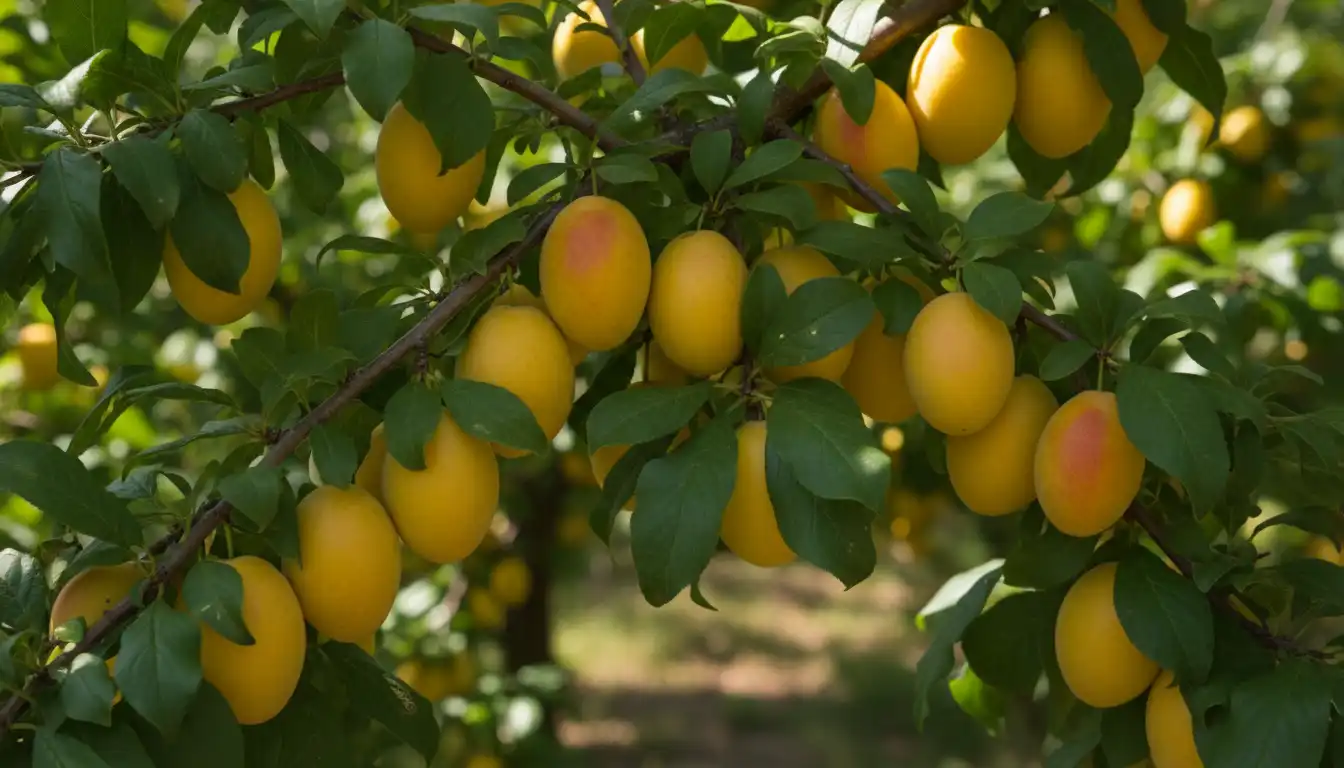
After your dedicated care, you will be rewarded with fruit. Luisa plums have a long harvest window, often ripening over several weeks. You will know they are ready when the skin turns from green to a golden-yellow with a red blush, and the fruit feels slightly soft when gently squeezed.
Ripe plums will detach from the branch with a gentle twist. One of the best indicators is when a few fruits fall to the ground on their own. Taste one before you pick the entire crop; the flavor should be sweet, rich, and intensely aromatic. Unlike some fruits, plums will not become sweeter after being picked, so harvesting at the right time is crucial.
Beyond the Basics: Advanced Tips for the Luisa Plum Connoisseur
Once you have mastered the fundamentals of care, a few advanced techniques can elevate your harvest from good to truly exceptional. These strategies focus on refining the tree’s output, resulting in larger, more flavorful fruit and ensuring consistent production year after year.
Thinning for Triumphant Plums: Why Less is More
Luisa plums are known for being highly productive, often setting more fruit than the branches can support. This can lead to two problems: small, less flavorful plums and the risk of branches breaking under the weight. The solution is fruit thinning, the practice of removing excess young fruit.
When the developing plums are about the size of a small marble, thin them out so that there is one plum every four to six inches along a branch. While it may feel counterintuitive to remove fruit, this allows the tree to direct all its energy into the remaining plums, resulting in a crop of larger, sweeter, and more delicious fruit.
Understanding Your Climate: Adapting Care for Different Zones
While the Luisa plum is adaptable, its needs can vary slightly based on your climate. In colder regions, it’s vital to protect the tree from late spring frosts that can damage the early blossoms. Planting on a slight slope or near a south-facing wall can provide some protection. Investing in your garden can be a savvy financial move, much like finding the cheapest place to buy sheetrock for a home project can save you significantly in the long run.
In warmer climates, ensuring adequate water during the hot summer months is the primary concern. A thick layer of mulch is especially beneficial in these areas to keep the root zone cool and moist. Choosing a quality tree is like reading reviews of Lane furniture; you want something that will last for years with the right care.
Creative Uses for Your Bountiful Harvest
A successful Luisa plum tree can produce an abundance of fruit. While they are exceptional for eating fresh, their firm, freestone flesh also makes them incredibly versatile in the kitchen. They are perfect for making jams, chutneys, and sauces that preserve the taste of summer.
Their sweet-tart flavor profile also shines in baked goods like tarts, crumbles, and cakes. For a longer-lasting treat, Luisa plums can be halved and dehydrated to create delicious homemade prunes, offering a healthy and flavorful snack throughout the year.
Frequently Asked Questions (FAQ)
Even with a comprehensive guide, specific questions often arise. Here are answers to some of the most common queries from home gardeners about growing the exceptional Luisa plum tree.
How long until a new Luisa plum tree bears fruit?
Typically, a newly planted Luisa plum tree will take about two to four years to begin producing fruit. The initial years are focused on establishing a strong root system and a healthy branch structure. Providing optimal care during this period will lead to quicker and more robust fruit production in the long run.
Do I really not need another plum tree for pollination?
It is true that the Luisa plum is self-fertile and can produce fruit on its own. However, fruit production is often significantly improved and more consistent with cross-pollination. If you have space, planting another Japanese plum variety nearby is highly recommended for achieving the heaviest possible crops.
What is the best fertilizer for a Luisa plum?
A balanced fertilizer with an N-P-K (Nitrogen-Phosphorus-Potassium) ratio like 10-10-10 is ideal for plum trees. Look for fertilizers that also contain essential micronutrients like calcium and magnesium. Applying a fruit-tree-specific fertilizer in spring and autumn provides the necessary nutrients for both vegetative growth and fruit development.
Why are my Luisa plum leaves turning yellow?
Yellowing leaves can be a sign of several issues. The most common cause is a nitrogen deficiency, which can be corrected with fertilization. Another frequent cause is overwatering or poor drainage, which stresses the roots. Ensure the soil is allowed to dry out slightly between waterings to prevent root stress and potential rot.
| Season | Primary Task | Detailed Actions |
|---|---|---|
| Late Winter / Early Spring | Pruning & Prevention | Prune to an open vase shape. Remove dead or crossing branches. Apply dormant oil spray before buds break. |
| Spring | Feeding & Pollination | Apply a balanced fruit tree fertilizer as new growth appears. Ensure the area is friendly to pollinators. |
| Early Summer | Fruit Thinning & Watering | Thin young fruit to one every 4-6 inches. Begin deep, regular watering as temperatures rise. |
| Mid to Late Summer | Harvesting & Monitoring | Harvest plums as they ripen. Monitor for pests and diseases, especially brown rot. |
| Autumn | Feeding & Cleanup | Apply a second round of fertilizer after the harvest. Clean up all fallen fruit and leaves to prevent disease. |
Your Path to Becoming a Luisa Plum Expert
Growing a Luisa plum tree that produces a spectacular harvest is not a matter of luck, but of knowledge and consistent care. By avoiding the common pitfalls of poor site selection, nutrient deficiency, and improper pruning, you have already won half the battle. This guide provides the solutions to turn a languishing tree into a source of garden pride.
Embrace the roles of vigilant caretaker, strategic pruner, and timely harvester. With this focused approach, your tree will reward you with seasons of delicious, golden-yellow plums, making the initial effort a sweet and worthwhile investment in your home and garden.
Final Word
The good news is that a fruitless Luisa plum tree isn’t a failure—it’s a signal. With the right planting location, proper pollination support, and a little patience during its establishment years, this exceptional variety can reward gardeners generously. Once mature, the Luisa plum delivers abundant harvests of golden, aromatic fruit that make the wait worthwhile.
Growing your own fruit is as much about understanding the tree as it is about tending it. When given what it needs, the Luisa plum transforms from a quiet sapling into a reliable producer—bringing beauty, flavor, and satisfaction to your garden for seasons to come.
