
Low Threshold Patio Doors: The Hidden Hazard You’re Ignoring
Take a look at your current patio door. That raised metal or wood strip you step over every day seems harmless, but it’s a bigger problem than most homeowners realize. It’s a constant, low-grade trip hazard, an awkward barrier for strollers or wheelchairs, and it visually chops up the seamless flow you crave between your indoor and outdoor living spaces.
This traditional high threshold is a relic of older design, creating an unnecessary and often frustrating obstacle in the modern home. The solution is elegant and transformative: low threshold patio doors. These doors are engineered to create a nearly flat, smooth transition, but a cloud of myths about their performance holds many back from this essential upgrade.
Many worry that a lower threshold invites water, drafts, and pests. However, modern engineering has completely overcome these challenges. Today’s low threshold systems offer a sophisticated blend of accessibility, style, and robust protection against the elements, making them a superior choice for almost any home.
You'll Learn About
Why Your Old Patio Door Threshold Is a Bigger Problem Than You Think
That seemingly small step over your patio door threshold is more than just a minor inconvenience. It represents a daily obstacle that impacts safety, accessibility, and the overall aesthetic of your home in ways you might not have considered. It’s a design flaw that we’ve simply grown accustomed to.
The Hidden Dangers of a High Threshold
A standard patio door threshold, which can be an inch or two high, is a significant trip hazard. For young children still finding their footing and older adults who may have mobility challenges, this small barrier can lead to serious falls and injuries. Even for able-bodied adults, a moment of distraction while carrying groceries or a tray of drinks can end in a painful accident.
Eliminating this raised edge creates a safer environment for everyone in the household and for guests. It’s a proactive step towards a more thoughtfully designed and hazard-free home, where movement is fluid and effortless.
Breaking the Indoor-Outdoor Connection
Modern home design emphasizes a seamless flow between indoor and outdoor living areas. A high threshold acts as a visual and physical dam, stopping that flow dead in its tracks. It creates a distinct separation, making your patio or garden feel like a completely different zone rather than an extension of your living space.
This jarring transition can make your home feel smaller and less connected to the outdoors. A low threshold, by contrast, helps to blur these lines, creating an inviting and unified space that enhances the sense of openness and freedom.
The Accessibility Barrier in Your Own Home
For individuals who use wheelchairs, walkers, or other mobility aids, a standard threshold isn’t just an inconvenience—it’s a barrier. It can make accessing a patio or backyard independently impossible, limiting their freedom and enjoyment of their own home. This is a critical consideration for multi-generational families or anyone planning to “age in place.”
Universal design principles aim to create spaces that are usable by all people, to the greatest extent possible, without the need for adaptation. Low threshold patio doors are a cornerstone of this concept, ensuring that everyone, regardless of age or ability, can move freely and safely.
Demystifying Low Threshold Patio Doors: What Are They Really?
The term “low threshold” refers to a range of innovative designs that dramatically reduce the height of the door sill. Unlike the chunky thresholds of the past, these modern solutions are engineered for a minimal, often flush, transition that integrates seamlessly with your flooring. Understanding the different types is key to choosing the right one for your home.
These systems are not just about aesthetics; they incorporate advanced engineering to ensure they are as practical and weatherproof as their traditional counterparts. They represent a significant leap forward in door technology.
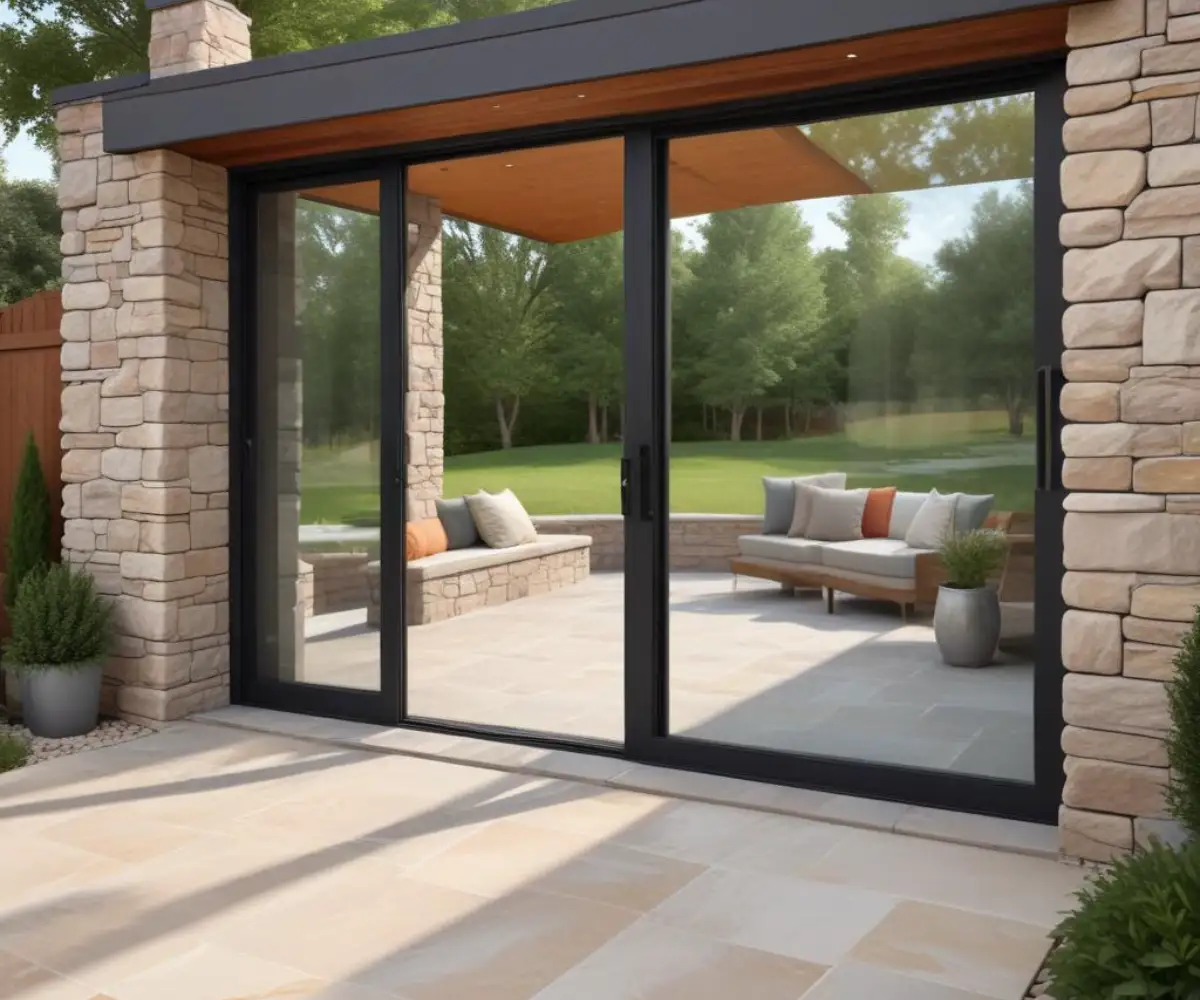
Defining the “Low Threshold”
The concept of a low threshold isn’t one-size-fits-all. A standard threshold is often around 50mm (2 inches) high. In contrast, a low threshold typically ranges from 15mm to 30mm, creating a much smaller step.
A flush threshold takes this even further, sitting almost perfectly level with the floor at 5mm or less. These are often ADA (Americans with Disabilities Act) compliant, offering the highest level of accessibility. The choice between low and flush depends on your specific needs and the exposure of the doorway to weather.
Key Types of Low Threshold Doors
Low thresholds are available across the most popular styles of patio doors, meaning you don’t have to sacrifice your preferred aesthetic for accessibility. Each type offers unique benefits for different spaces and uses.
Sliding patio doors are a classic choice, saving space since they don’t swing open. Bifold doors offer the most dramatic effect, folding away completely to create a wide, uninterrupted opening. French doors provide a traditional, elegant look and can also be fitted with low thresholds for improved access.
Materials Matter: Vinyl, Aluminum, Wood, and Fiberglass
The frame material of your patio door affects its appearance, durability, maintenance requirements, and energy efficiency. Each material has distinct advantages that make it suitable for different climates and budgets. Choosing the right one is crucial for long-term satisfaction and performance.
This decision impacts not only the look but also how well the door insulates your home and stands up to the elements over time. A careful comparison is essential.
| Material | Cost | Maintenance | Insulation | Best For |
|---|---|---|---|---|
| Vinyl | Low to Moderate | Low | Good | Budget-conscious projects and good all-around performance. |
| Aluminum | Moderate to High | Low | Fair (with thermal breaks) | Modern aesthetics with slim frames and maximum glass area. |
| Wood | High | High | Excellent | Traditional and high-end homes where classic beauty is paramount. |
| Fiberglass | Moderate to High | Low | Excellent | Durability in harsh climates and mimicking the look of wood. |
The Seamless Transition: Unlocking the Core Benefits
Opting for a low threshold patio door is more than just a practical decision; it’s a lifestyle upgrade. It transforms how you interact with your living space, making it more functional, inclusive, and visually stunning. The benefits extend far beyond simply removing a trip hazard.
Universal Design and Aging in Place
A low threshold is a key feature for anyone planning to remain in their home as they get older. It provides effortless access for wheelchairs and walkers, removing a major obstacle to mobility. This simple change future-proofs your home, ensuring it remains safe and accessible for years to come.
This forward-thinking approach creates a home that adapts to your family’s changing needs, promoting independence and confidence for all residents.
Enhancing Flow for Entertaining and Daily Life
Imagine hosting a party where guests can move effortlessly between your kitchen and patio, with no awkward step to navigate. Low threshold doors create a fluid, open-plan feel that is perfect for entertaining. Even in daily life, carrying items in and out becomes simpler and safer.
This seamless connection makes your outdoor space feel like a true extension of your home, encouraging more frequent use and enjoyment of your garden or deck.
Boosting Your Home’s Aesthetic and Value
The clean, minimalist look of a flush or low threshold is a high-end design feature that appeals to modern buyers. It creates an unbroken line from your interior flooring to your exterior patio, a sophisticated detail that elevates the entire space. This visual continuity makes rooms feel larger and more luxurious.
This investment not only enhances your daily enjoyment but can also increase the resale value of your property. It’s a functional upgrade that doubles as a powerful aesthetic statement.
Common Fears Addressed: Weatherproofing, Pests, and Security
The single biggest hesitation homeowners have about low threshold doors is performance. Will a lower sill compromise your home’s protection against rain, drafts, and intruders? The answer lies in advanced engineering that specifically addresses and solves these concerns head-on.
The Weather-Tight Seal Secret: Advanced Drainage Systems
The primary fear is water ingress. Modern low threshold doors conquer this with sophisticated, integrated drainage systems. These aren’t just simple holes; they are engineered channels built directly into the threshold.
Any water that reaches the track is collected in a sunken channel and directed away from the building through carefully placed weep holes. This multi-level system ensures that even in heavy, wind-driven rain, your home stays dry. High-performance weather seals and gaskets provide an additional layer of defense against drafts and moisture.
Keeping Critters Out: Are Low Thresholds an Open Invitation?
A lower threshold does not mean an open door for pests. These systems use multiple layers of protection, including brush seals and compression gaskets, to create a tight barrier when the door is closed. This seal is often more complete and effective than those on older, worn-out standard doors.
If you’re facing an existing pest problem, the issue is likely with gaps elsewhere in your home’s envelope. A new, well-sealed low threshold door can actually improve the situation, but for persistent issues, you need to understand why ants might be coming through your door in the first place.
Security Features of Modern Low Threshold Doors
Security is never compromised. Low threshold patio doors incorporate the same robust security features as their standard-height counterparts. This includes multi-point locking systems that secure the door at several places along the frame, not just at the handle.
Furthermore, features like toughened or laminated glass and anti-lift mechanisms prevent the doors from being forced off their tracks. These modern security measures ensure that enhanced accessibility does not come at the expense of your peace of mind.
Choosing the Perfect Low Threshold Patio Door for Your Home
Selecting the right door involves more than just picking a style. You need to consider your local climate, your home’s architectural design, and the complexities of installation. Making an informed choice at this stage ensures your new door will perform flawlessly for decades.
Assessing Your Climate and Exposure
The location of the door is critical. A door that is sheltered by a deep overhang or porch has different requirements than one fully exposed to the elements. In areas with heavy rainfall or snow, a slightly higher “low” threshold might be preferable to a completely flush one for an added degree of weather protection.
Discuss your home’s specific orientation and exposure with your installer. They can recommend the system with the best-certified weather performance for your conditions, ensuring a dry and draft-free home.
Matching the Door to Your Home’s Style
The door should complement your home’s architecture. Slimline aluminum frames are a perfect match for modern and contemporary homes, maximizing the glass and views. For more traditional or rustic homes, fiberglass or wood-clad doors can provide the classic look you desire without sacrificing performance.
Consider the color and finish of the frame as well. A contrasting color can make a bold statement, while a matching color can create a more subtle, integrated look. The right choice will feel like a natural part of your home’s design.
Installation Insights: Why Professional Help is Non-Negotiable
The performance of a low threshold door is entirely dependent on proper installation. This is not a typical DIY project. The threshold must be set perfectly level and integrated with a sub-sill pan and proper flashing to manage water effectively.
An experienced professional will ensure the floor levels are correctly prepared and that the entire system is sealed and aligned for optimal operation and weather-tightness. Attempting to cut corners on installation will lead to significant problems down the line.
Budgeting for Your Upgrade: What to Expect
Low threshold patio doors are a premium product, and their cost reflects the advanced engineering and materials involved. Prices vary widely based on size, material, and type (sliding, bifold, etc.). Aluminum and wood are typically more expensive than vinyl.
While the upfront cost is higher than a standard off-the-shelf door, the investment adds significant value. It enhances safety, accessibility, and aesthetics, making it a worthwhile upgrade that improves your quality of life and your home’s market appeal.
Integrating Your New Door with Your Flooring and Patio
A successful low threshold door installation is as much about the surrounding surfaces as it is about the door itself. Achieving that perfect, seamless transition requires careful planning and coordination between your interior flooring and your exterior patio or deck. The goal is to make the threshold disappear.
Creating a Flawless Floor Transition
To achieve a truly flush look, the finished height of your interior and exterior floors must be meticulously planned. This often involves recessing the door track into the subfloor. Communication between your door installer and flooring contractor is absolutely essential.
The type of interior flooring also plays a role. Pairing the door with a durable surface can create a stunning effect; consider options like those in our earthwerks engineered hardwood flooring reviews to find a product that complements your new entryway. The goal is an uninterrupted visual plane.
Coordinating with Your Outdoor Living Space
The exterior side requires just as much attention. Your patio pavers, decking, or concrete must be built up to the correct height to meet the outer edge of the threshold. Crucially, the outdoor surface must be sloped gently away from the door to ensure water drains away and doesn’t pool against the track.
This careful grading is a vital part of the overall water management system. A properly designed outdoor surface works in concert with the door’s built-in drainage to provide robust protection from the elements.
Maintenance and Long-Term Care for Lasting Performance
Low threshold patio doors are designed for durability and minimal upkeep, but a little regular care will ensure they continue to operate smoothly and seal effectively for years. Simple maintenance tasks can prevent the most common issues before they start.
Simple Cleaning for Tracks and Drains
The most important maintenance task is keeping the door track and drainage channels clean. Use a vacuum cleaner with a brush attachment to regularly remove dirt, leaves, and other debris from the track. This prevents obstructions that can hinder the door’s movement and clog the drainage system.
Periodically, you can gently flush the drainage channels with water to ensure they are clear and flowing freely. This simple step is crucial for maintaining the door’s excellent weather resistance.
Inspecting Seals and Weatherstripping
About once a year, take a few minutes to visually inspect the weatherstripping and seals around the door panels. Look for any signs of cracking, compression, or damage. These components are vital for preventing drafts and water leaks.
If you notice any significant wear, contact your installer. Replacing a worn seal is a simple and inexpensive repair that can save you from much larger problems related to energy loss or water damage.
Frequently Asked Questions (FAQ)
Are low threshold doors energy efficient?
Yes. Modern low threshold doors are built with energy efficiency in mind. They feature insulated frames, thermal breaks (especially in aluminum doors), and high-performance double or triple-pane glass to minimize heat transfer and keep your home comfortable.
Can a low threshold door be retrofitted into an existing opening?
Yes, but it often requires significant modification to the existing opening. The floor level may need to be altered to accommodate the new, lower track profile. This is a job for an experienced professional who can assess the structure and ensure a proper, weatherproof fit.
What about screen doors for low threshold patio doors?
Many options are available, including integrated and retractable screens that disappear when not in use, preserving the clean look and seamless transition. While considering options, be sure to avoid the common mistakes people make when choosing something like a Costco screen door by ensuring the screen system is fully compatible with your specific low threshold design.
The Final Step to a Seamless Home
The traditional patio door threshold is an outdated design element that compromises the safety, accessibility, and beauty of your home. It creates an unnecessary barrier that disrupts the flow of modern living. Making the switch to a low threshold door is one of the most impactful upgrades you can make.
By erasing the line between inside and out, you create a more open, inviting, and functional space for everyone. It’s a forward-thinking investment in your home’s value and your family’s quality of life. Embrace the seamless transition and unlock the true potential of your living space.
