
A Low Profile Double Curtain Rod Will Fix Your Bulky Windows
You have the perfect layered curtains, but something is wrong. The window looks clunky, heavy, and the hardware sticks out from the wall, creating an awkward gap. It’s a common frustration that undermines an otherwise polished and modern room design.
This bulky appearance often stems from traditional double curtain rods, which are designed with significant projection to accommodate two layers of fabric. The result is a window treatment that dominates the space rather than complementing it, making rooms feel smaller and dated.
You'll Learn About
The #1 Problem With Traditional Double Rods You’re Overlooking
The core issue with standard double curtain rods is their projection—how far they extend from the wall. Historically, this design was necessary for heavy draperies and large, decorative finials. However, in modern and minimalist homes, this bulkiness creates significant aesthetic and functional problems that are hard to ignore.
These oversized rods create a visual heaviness that can make a window feel cluttered and overwhelming. Instead of a seamless part of the decor, the hardware becomes a focal point for all the wrong reasons.
The “Wall Gap” Dilemma: Why It Cheapens Your Look
One of the most telling signs of a poorly chosen curtain rod is the significant gap it leaves between the wall and the inner curtain. This gap allows light to spill in from the sides and top, defeating the purpose of room-darkening or blackout curtains.
Furthermore, this void can make the entire window setup look unfinished and less integrated with the wall. It breaks the clean lines that are crucial for a sophisticated, high-end appearance, making the treatment feel like an afterthought.
When Hardware Overwhelms Your Window
In smaller rooms or spaces with intricate window trim, a bulky double rod can be especially problematic. The hardware can physically interfere with furniture placement or simply look out of proportion with the rest of the room.
The goal of window treatments is to enhance the window and the view, not to be a distraction. When the rod itself is the most noticeable element, it detracts from the beauty of the fabrics and the light they are meant to control.
Why a Low Profile Design is Your Window’s Best Kept Secret
A low profile double curtain rod offers a sleek and intelligent solution to these common problems. Engineered to sit much closer to the wall, this type of hardware provides the functionality of layered curtains without the associated bulk.
The streamlined brackets and minimalist design create a clean, unobtrusive look that allows your curtains to be the star. This style is perfect for contemporary, modern, and transitional interiors where clean lines are paramount. By minimizing the hardware’s presence, you make the entire room feel more spacious and intentionally designed.
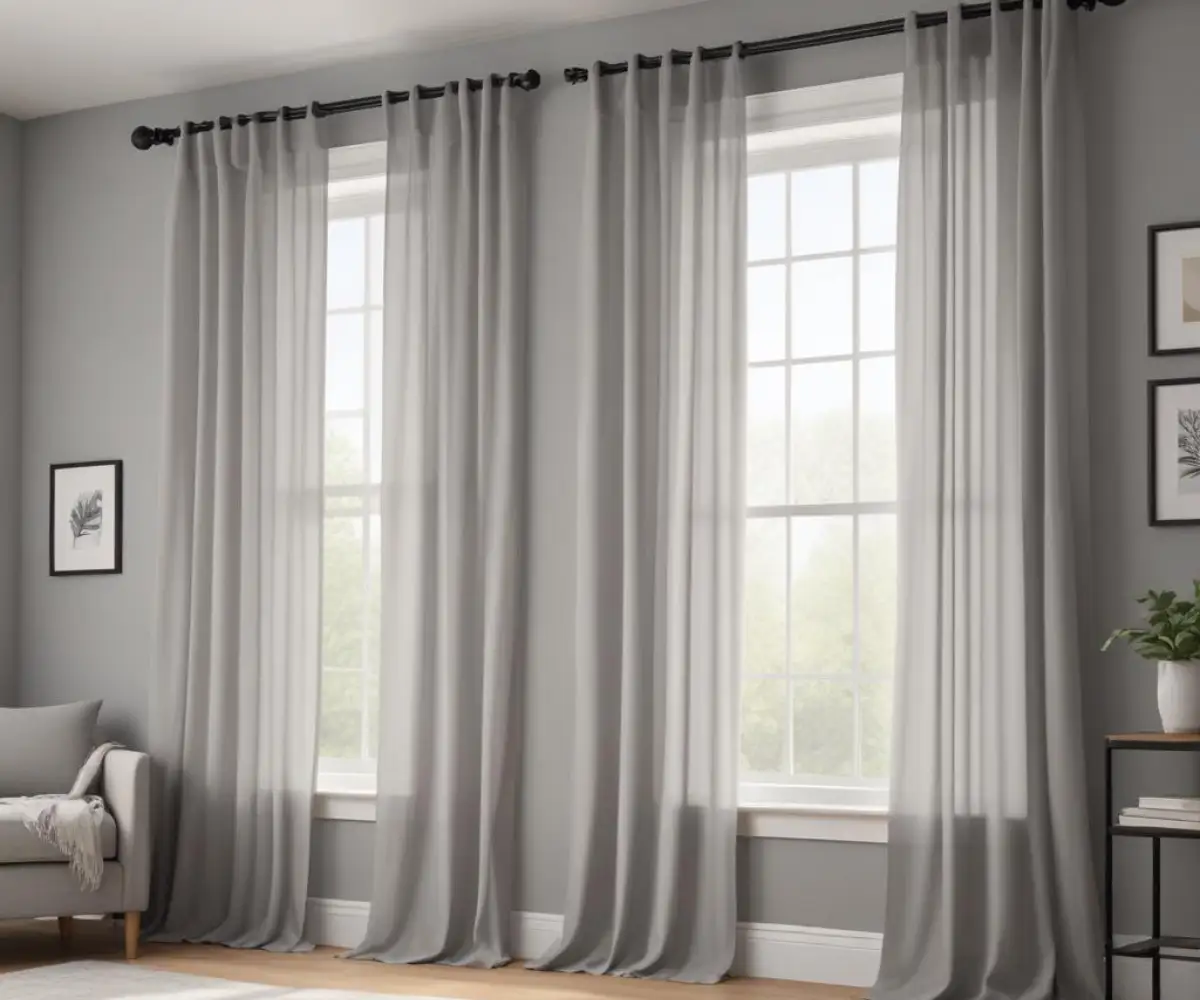
Opting for a low-profile setup is one of the best ways to get professionally styled curtains with sheers behind them, achieving that perfect balance of light filtration and privacy without the cumbersome hardware.
Choosing the Perfect Low Profile Rod: A Step-by-Step Guide
Selecting the right low profile double curtain rod requires careful consideration of both function and form. From the mounting style to the material finish, each choice impacts the final look and performance of your window treatments.
Taking the time to plan will ensure a result that is both beautiful and perfectly suited to your needs.
Wall-Mount vs. Ceiling-Mount: The Deciding Factors
The first major decision is whether to mount your rod to the wall or the ceiling. Wall-mounted rods are the traditional choice and work well in most situations. However, ceiling-mounted tracks or rods offer unique advantages, especially in rooms with limited wall space above the window or for creating a dramatic floor-to-ceiling effect that makes a room feel taller.
This choice often comes down to your room’s architecture and the specific aesthetic you want to achieve.
| Feature | Wall-Mount Low Profile Rod | Ceiling-Mount Low Profile Rod/Track |
|---|---|---|
| Best For | Standard windows with at least 4-6 inches of wall space above the frame. | Rooms with low ceilings, floor-to-ceiling windows, or minimal wall space above the window. |
| Installation | Requires drilling into the wall, ideally into studs for secure mounting. | Requires drilling into ceiling joists for secure support; may be more complex. |
| Visual Effect | Creates a classic, defined frame for the window. | Creates the illusion of height and a seamless, dramatic look. Excellent for room dividers. |
| Considerations | Bracket projection is a key factor; ensure it’s minimal for a true low-profile look. | Ensures curtains are long enough to reach the floor. Offers superior light blocking at the top. |
Material & Finish: Beyond Basic Black
While matte black is a popular choice for its modern appeal, low profile rods come in a variety of finishes. Consider brushed nickel, satin brass, or even a warm champagne bronze to complement other fixtures in your room, such as lighting and door hardware.
The material—whether steel, aluminum, or another metal—will also affect the rod’s strength and ability to support heavier drapes without sagging. Always check the weight capacity before purchasing.
Getting the Measurements Right
Proper measurement is critical for a professional look. As a general rule, the rod should extend 4-10 inches beyond the window frame on each side. This allows the curtains to be pulled completely clear of the window when open, maximizing natural light and making the window appear larger.
When measuring for length, also account for the fullness of your curtains. Deciding on the right amount of fabric is key, and knowing how many curtain panels you need is the first step to achieving a lush, deliberate style.
The Hidden Benefit No One Talks About: Superior Light Control
Perhaps the most underrated advantage of a low profile double rod is its exceptional ability to block light. Because the brackets hold the rod closer to the wall, the gap where light typically seeps through is dramatically reduced. This makes it an unexpectedly powerful partner for blackout or room-darkening curtains.
When paired with blackout panels, a low-profile rod system can create a near-total dark environment, ideal for bedrooms, media rooms, or nurseries. The minimal projection prevents the frustrating “halo effect” of light bleeding from the top and sides, a common issue with bulky, high-projection rods.
Installation Secrets for a Professional Finish
A flawless installation is just as important as the rod itself. Always use a level to ensure the brackets are perfectly aligned; even a slight tilt will be noticeable once the curtains are hung.
For a secure hold, especially with heavier curtains, locate wall studs to drill into. If a stud isn’t available, use high-quality drywall anchors designed to support the combined weight of the rod and curtains. Taking these extra steps prevents sagging and ensures your window treatment remains secure for years to come.
Frequently Asked Questions
Can I use a low profile double rod for heavy curtains?
Yes, but it is crucial to check the product’s weight specifications. Look for rods made from durable materials like steel and consider adding a center support bracket for wider windows to prevent any sagging over time.
How far should a low profile rod be from the wall?
A true low profile rod will have a minimal “return,” which is the distance from the wall to the center of the curtain rod. Look for options with a return of 3 inches or less for the outer rod to achieve a sleek, close-to-the-wall appearance.
Are ceiling-mounted double tracks difficult to install?
They can be more challenging than wall-mounted rods because you must locate and drill into ceiling joists for proper support. If you are not comfortable with this, it may be best to hire a professional for installation to ensure safety and stability.
Frequently Asked Questions
What is a low-profile double curtain rod?
A low-profile double curtain rod is a type of window hardware that features two rods for hanging two layers of curtains, such as a sheer curtain and a heavier drape. The “low-profile” aspect means the rods and brackets are designed to sit closer to the wall for a more streamlined and less obtrusive look. This design is ideal for creating a layered, dimensional effect with your window treatments.
What are the benefits of using a double curtain rod?
Double curtain rods offer enhanced light control and privacy by allowing you to use two different types of curtains simultaneously. For instance, you can have a sheer layer to let in natural light during the day and a thicker, blackout curtain for privacy and darkness at night. This layering also adds a touch of sophistication and style to your room’s decor and can even help with insulation against heat and cold.
How do I choose the right size low-profile double curtain rod?
To choose the right size, first measure the width of your window. A general guideline is to select a rod that is at least 8 to 10 inches wider than the window frame. This extra length allows the curtains to be pulled back completely, exposing the entire window and maximizing natural light. Also, consider the weight of your curtains; heavier drapes will require a thicker, more durable rod to prevent sagging.
How high above the window should I install a double curtain rod?
For a professional look that can make your room appear more spacious, it’s recommended to install the brackets at least 4 to 6 inches above the top of the window frame. Mounting the rod closer to the ceiling can create the illusion of a taller window and a higher ceiling. Always use a level to ensure the brackets are even before securing them to the wall.
Can I use different types of curtains on a double rod?
Yes, the primary purpose of a double curtain rod is to layer different types of window treatments. A common and effective combination is to hang a lightweight or sheer curtain on the inner rod (closer to the window) and a heavier, more decorative or blackout curtain on the outer rod. This gives you the flexibility to adjust the amount of light and privacy throughout the day.
