
Lots of Small Roots in Soil? Here’s the Real Truth for Your Garden
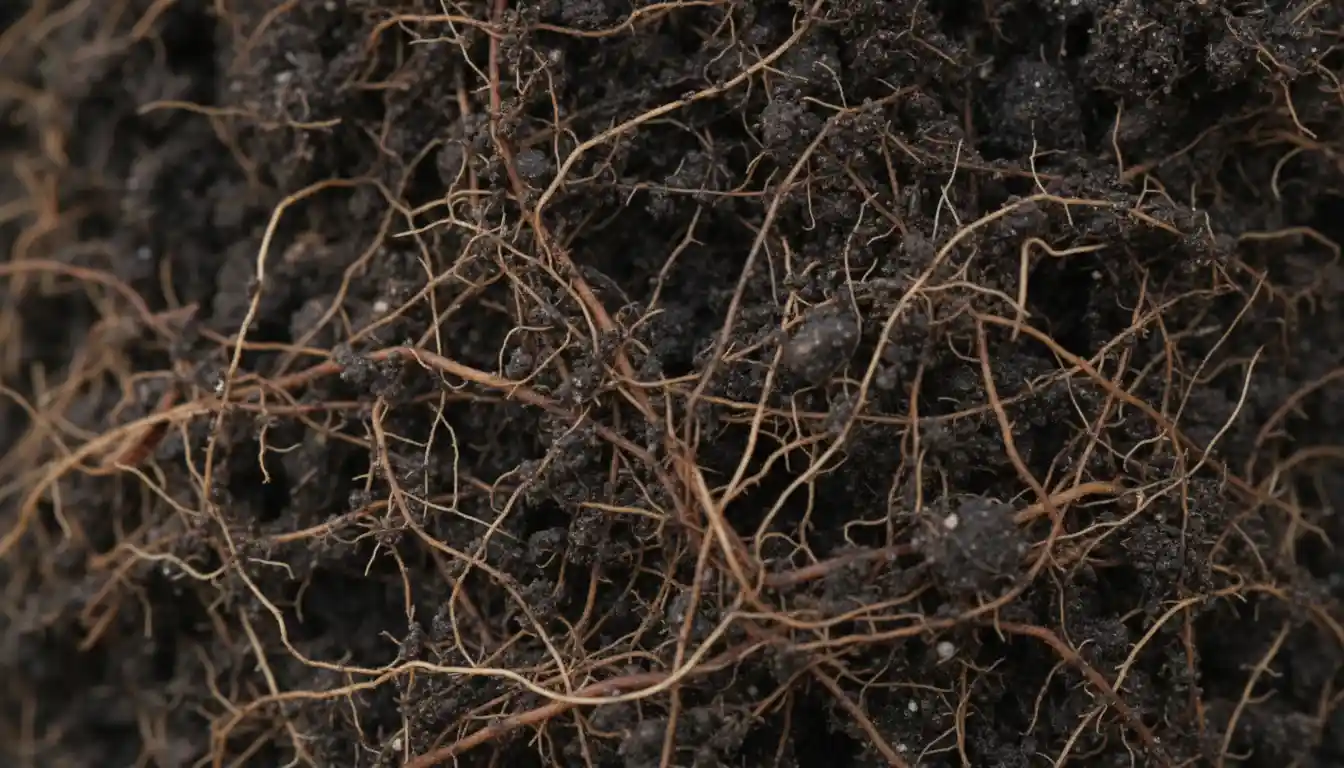
You grab a shovel, excited to dig a new garden bed or plant a shrub, but the moment it hits the dirt, you feel it. The ground is thick with a tangled, dense mat of tiny roots. Trying to dig through it feels like trying to comb through knotted hair, and your first thought is often one of frustration: “What is all this, and will anything ever grow here?”
This experience is incredibly common for homeowners and gardeners. Discovering soil filled with a web of fine, fibrous roots can be discouraging, raising immediate questions about the health of your soil and the future of your plants. But this isn’t necessarily a sign of disaster; in fact, it’s a sign of a yard that has been full of life.
You'll Learn About
Unearthing the Cause: Why Is Your Soil Full of Tiny Roots?
That dense network of roots didn’t appear overnight. It’s the underground story of what has been growing in that spot for years. Understanding the source is the first step toward creating a thriving garden in its place.
The Ghost of Plants Past: Lingering Root Systems
One of the most common reasons for a mat of small roots is the legacy of plants that are no longer there. The ground may look clear on the surface, but the root systems of old trees, large shrubs, or even aggressive groundcovers can persist for years after the plant is gone. These old roots slowly decompose, but the process can take a long time, leaving behind a fibrous network.
Even after a tree stump is removed, a significant portion of its root system remains. As these old roots break down, they provide organic matter but temporarily create a challenging environment for new plants trying to establish themselves.
Aggressive Weeds and Grasses
Never underestimate the power of tenacious weeds and grasses. Plants like Bermuda grass, crabgrass, and certain types of invasive vines are notorious for creating dense, shallow mats of fibrous roots. These roots are designed to outcompete other plants for surface-level water and nutrients, making them a formidable opponent in any garden bed.
If you’ve cleared a patch of lawn to make way for a garden, you are likely dealing with the leftover root system of the turf you removed. Without proper management, these roots can quickly resprout and invade your new planting area.
Nearby Trees and Shrubs
The culprit might still be alive and well just a few feet away. Many large trees and shrubs, such as maples, willows, and poplars, have extensive systems of fine “feeder roots” that spread out far beyond their canopy. These roots stay close to the soil surface to absorb water and nutrients, often invading well-watered and fertilized garden beds.
These feeder roots are incredibly efficient at seeking out the best resources. A rich, amended garden bed is like a magnet for the roots of nearby trees, which can quickly fill the space you’ve so carefully prepared.
Good or Bad? The Surprising Impact of Fibrous Roots
So, is this web of roots a garden-killer or a hidden benefit? The answer is a bit of both. The key is to understand what you’re dealing with and how to manage it effectively.
The “Good”: A Sign of Past Life and Future Nutrients
From one perspective, a dense network of old roots is a positive sign. It indicates that the soil was once capable of supporting a great deal of plant life. As these old roots decompose, they break down into valuable organic matter, enriching the soil and feeding the beneficial microbes that create a healthy soil ecosystem.
This process improves soil structure over time, creating air pockets and pathways for water. In a way, these old roots are a slow-release fertilizer and soil conditioner, all in one.
The “Bad”: Creating Stiff Competition for New Plants
The primary downside of a root-filled soil is competition. New plants, especially small seedlings or perennials, have a tough time establishing their own root systems when they have to fight through a dense mat of existing roots. The established roots will almost always win the battle for available water and nutrients, leaving new additions stressed and struggling.
This competition can lead to stunted growth and poor overall plant health. You might notice that new plants are failing to thrive, and this underground battle is often the reason why. This struggle for resources can even manifest in disappointing harvests; for instance, nutrient deficiencies are a known cause of problems like small apricots on fruit trees.
The “Ugly”: Identifying Invasive Root Systems
In some cases, the roots are a sign of an ongoing and aggressive problem. If the roots belong to an invasive plant, like running bamboo, trumpet vine, or certain types of aggressive mint, simply tilling them can make the problem worse. Chopping these roots into smaller pieces often encourages each piece to sprout into a new plant, multiplying your problem exponentially.
It’s crucial to identify the source of the roots if you suspect an invasive species. Look for runners, rhizomes, or any signs of the parent plant nearby before you start digging.
Your Action Plan: How to Manage Soil with Lots of Small Roots
Finding a dense root mat isn’t a reason to give up. With the right approach, you can turn that challenging patch of ground into a fertile and productive garden. The goal is not just to remove the old roots, but to fundamentally improve the soil to favor your new plants.
Step 1: Assess and Identify the Source
Before you do anything else, dig a few test holes in the area. Are the roots woody and tough, suggesting a former tree or large shrub? Or are they fine and thread-like, pointing to grass or weeds? Look around your yard for potential culprits—large trees, aggressive shrubs, or patches of persistent weeds.
Identifying the source will help you choose the right strategy. Feeder roots from a nearby tree require a different approach than the remnants of an old lawn.
Step 2: Manual Removal and Tilling (with Caution)
For smaller garden beds, manual removal is often the most practical first step. Use a sturdy garden fork or a hard rake to loosen the top few inches of soil and pull out as much of the root mat as possible. This can be labor-intensive but is highly effective at clearing the immediate planting zone.
A rototiller can speed up this process in larger areas, but use it wisely. Tilling can bring dormant weed seeds to the surface and can propagate the roots of invasive plants. It is best used for breaking up old lawn roots after you’ve confirmed they aren’t from an aggressive, spreading species.
Step 3: Amend the Soil to Tip the Scales
This is the single most important step for long-term success. Instead of focusing solely on removing the old roots, shift your focus to radically improving the soil. By adding a generous amount of high-quality organic matter, you create an environment where your new plants can thrive and outcompete the old roots.
Adding materials like compost, aged manure, and leaf mold does several critical things. It improves soil structure, enhances water retention, and provides a rich source of nutrients that is immediately available to your new plants. Aim to incorporate at least 3-4 inches of compost into the top 6-8 inches of your soil.
A Guide to Common Soil Amendments
| Amendment | Primary Benefit | How to Use | Best For |
|---|---|---|---|
| Compost | Improves structure, adds broad-spectrum nutrients, and boosts microbial life. | Work 3-4 inches into the top layer of soil or use as a top dressing. | All soil types; the universal soil improver. |
| Aged Manure | Adds rich nutrients, particularly nitrogen. | Incorporate 1-2 inches into the soil. Ensure it’s well-rotted to avoid burning plants. | Vegetable gardens and areas needing a fertility boost. |
| Peat Moss or Coconut Coir | Improves water retention and aerates heavy soil. | Mix into the soil to lighten its texture. Moisten before use. | Sandy soils that dry out quickly or heavy clay soils needing aeration. |
| Leaf Mold | Excellent for improving soil structure and water retention. | Use as a mulch or mix directly into the soil. | Woodland gardens and areas needing long-term conditioning. |
Step 4: The Power of Mulching
Once your new plants are in the ground, apply a thick layer of organic mulch, such as wood chips, straw, or shredded leaves. Mulch is a gardener’s best friend in the fight against root competition. It helps retain soil moisture, keeping water available for your new plants instead of letting it evaporate.
Mulch also suppresses the growth of new weeds and can prevent the feeder roots of nearby trees from surfacing in your garden bed. As it breaks down, it continues to add valuable organic matter to the soil.
Planting Successfully in Root-Filled Soil
Even after preparing the bed, you can give your new plants an extra advantage. A few strategic planting techniques will ensure they get the strong start they need to overcome the competition.
Give New Plants a Head Start
When you dig a hole for a new plant, make it two to three times wider than the plant’s root ball. Backfill this extra space with a 50/50 mix of your native soil and high-quality compost. This “super-charged” pocket of soil gives the new plant’s roots an easy place to expand and find nutrients before they have to venture into the more competitive surrounding soil.
This technique creates a safe zone where the plant can establish itself. By the time its roots reach the more challenging soil, the plant will be stronger and better equipped to compete.
Choose the Right Plants for the Job
Some plants are naturally more resilient and better suited for tough conditions. If you’re planting under or near a large tree, choose species known for their tolerance of dry shade and root competition. Plants with vigorous root systems of their own will fare better than delicate, shallow-rooted species.
Consider tough groundcovers, ferns, and native perennials that are adapted to woodland environments. These plants are accustomed to competing with tree roots and are more likely to thrive.
Frequently Asked Questions About Fibrous Roots
Even with a clear plan, some questions often remain. Here are answers to some of the most common concerns about dealing with a mat of small roots in the soil.
Will these small roots damage my home’s foundation?
It’s highly unlikely. The fine, fibrous feeder roots found in garden beds lack the size and strength to cause structural damage to a foundation. This type of damage is typically caused by large, woody roots from mature trees growing too close to the house.
Are these roots related to the mushrooms I’m seeing?
They very well could be. Fungi are nature’s primary decomposers, and their job is to break down tough organic matter like old wood and roots. The presence of small mushrooms in garden soil is often a sign that this decomposition process is actively underway beneath the surface.
These fungi are beneficial, helping to convert old, tough roots into nutrients that new plants can use. Seeing them is a good indicator of a healthy, living soil ecosystem.
Can I just cover the roots with new soil and plant in that?
This is generally not recommended, especially near existing trees. Piling more than a couple of inches of soil over the surface roots of a mature tree can suffocate them by cutting off their oxygen supply. This can seriously harm or even kill a healthy tree over time.
For an open garden bed, this “lasagna gardening” or sheet mulching approach can work. By layering cardboard, compost, and other organic materials on top of the root mat, you can create a new growing medium above it. The old roots and weeds will eventually decompose underneath.
Conclusion: From Problem to Potential
Discovering a garden bed full of small roots can feel like a setback, but it’s better to view it as an opportunity. This network is proof that your soil has supported life before, and it holds the raw materials to do so again. By working with your soil instead of against it, you can create a thriving garden that is resilient and full of life.
The solution lies not in fighting an endless battle to remove every last root, but in enriching the soil with organic matter. By focusing on building healthy soil, you empower your new plants to compete and win. This approach turns a common garden problem into a foundation for long-term success.
