
Loropetalum Leggy? Transform Your Shrub From Sparse to Spectacular
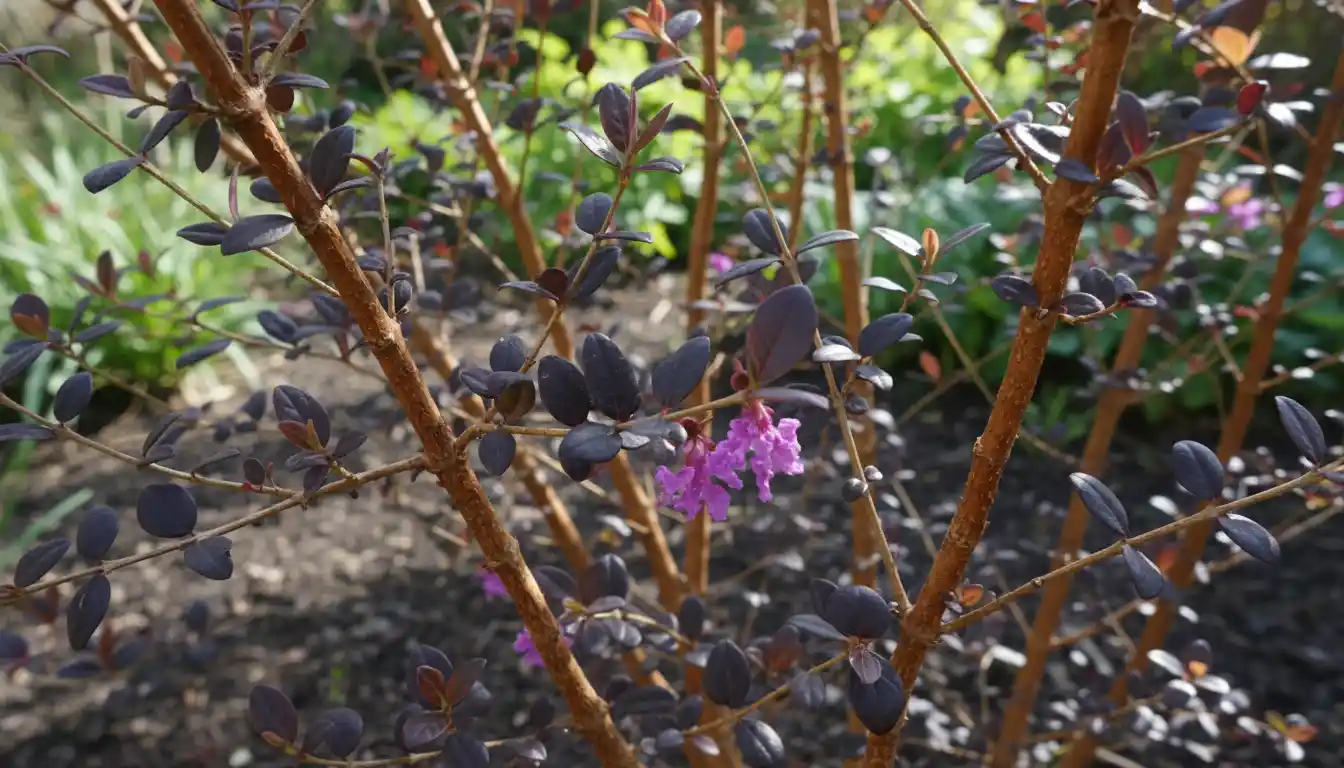
There’s nothing quite as disappointing as watching a once-vibrant loropetalum, also known as Chinese fringe flower, become a shadow of its former self. Instead of dense, colorful foliage, you’re faced with long, awkward branches and sparse leaves. This “leggy” appearance is a common problem that leaves many gardeners scratching their heads.
A leggy loropetalum not only detracts from your landscape’s beauty but also signals that the plant is struggling. The good news is that with the right knowledge and techniques, you can reverse this unsightly growth habit and restore your shrub to its full, bushy glory. This comprehensive guide will delve into the core reasons why your loropetalum is leggy and provide actionable, expert-approved solutions to fix it.
You'll Learn About
Understanding the “Why”: Uncovering the Root Causes of a Leggy Loropetalum
Before you can effectively treat a leggy loropetalum, you must first understand the underlying issues causing the problem. Legginess is a plant’s way of telling you that one or more of its essential needs are not being met. Identifying the specific cause is the first critical step toward rehabilitation.
The Number One Culprit: Insufficient Sunlight
By far, the most common reason for a loropetalum to become leggy is a lack of adequate sunlight. Loropetalum thrives in full sun to partial shade, requiring at least four to six hours of direct sunlight daily to maintain its dense form and vibrant foliage color. When a plant is light-deprived, it enters a state called etiolation.
During etiolation, the plant redirects its energy into growing longer stems in an attempt to reach for more light. This survival mechanism results in stretched-out, weak branches with significant space between the leaves. The leaves that do grow are often smaller and less colorful, leading to that sparse, thin appearance you’re trying to avoid.
Improper Pruning: A Common Gardener’s Mistake
While loropetalum is forgiving, incorrect pruning techniques can encourage leggy growth. Many gardeners only shear the outer surface of the shrub, which creates a dense canopy on the outside but shades the interior branches. This lack of light to the inner parts of the plant causes those branches to lose their leaves and become bare and woody over time.
Conversely, never pruning at all can also lead to problems, especially with older, more established shrubs. As the plant grows, the lower and inner branches can become shaded out by the upper canopy, leading to a hollowed-out, leggy look at the base. Proper pruning is essential for promoting air circulation and light penetration throughout the entire plant.
Nutrient Imbalance and Soil Health
The health of the soil plays a pivotal role in the overall vigor of your loropetalum. Poor soil that lacks essential nutrients can lead to weak growth, making the plant more susceptible to becoming leggy. One of the most critical factors for loropetalum is soil pH.
These shrubs prefer slightly acidic soil with a pH between 4.5 and 6.5. If the soil is too alkaline, the plant can’t absorb iron and other micronutrients effectively, a condition known as chlorosis, which often presents as yellowing leaves and can contribute to overall weak, sparse growth. Furthermore, an excess of nitrogen-heavy fertilizer can promote rapid, weak stem growth at the expense of developing a strong, bushy structure.
Watering Issues and Root Health
Both overwatering and underwatering can stress a loropetalum and contribute to poor growth. Overwatering or planting in poorly drained soil can lead to root rot. When the roots are compromised, they cannot effectively deliver water and nutrients to the rest of the plant, resulting in dieback and a thin, unhealthy appearance.
Conversely, while established loropetalums are drought-tolerant, prolonged periods of dryness can also stress the plant, causing it to drop leaves and appear sparse. Consistent, deep watering that allows the soil to dry slightly between sessions is key to developing a robust root system. A robust root system is the foundation for a full, healthy shrub.
The Solution: A Strategic Plan to Rejuvenate Your Leggy Loropetalum
Now that you’ve diagnosed the potential causes, it’s time to implement a recovery plan. Transforming a leggy loropetalum into a dense, attractive shrub requires a combination of strategic pruning, environmental adjustments, and proper ongoing care. This is not an overnight fix, but with patience, you will see dramatic improvements.
Step 1: The Power of Pruning
Pruning is your most powerful tool for correcting a leggy loropetalum. The best time to perform any significant pruning is in the spring, immediately after the main flowering cycle has finished. This allows the plant the entire growing season to recover and push out new, dense growth.
For Moderately Leggy Shrubs: Selective Thinning
If your shrub is just starting to look a bit sparse, selective thinning cuts are the way to go. This method involves reaching into the plant and removing entire branches at their point of origin or where they meet a larger branch. This technique opens up the canopy, allowing light and air to penetrate the interior of the shrub.
Focus on removing about one-quarter to one-third of the oldest, woodiest stems, especially those that are crossing or crowding others. This encourages new growth from the base and the interior, filling in the sparse areas. It’s a more natural approach than shearing and maintains the plant’s graceful form.
For Severely Leggy Shrubs: Rejuvenation Pruning
When a loropetalum is severely overgrown and leggy, with most of the foliage concentrated at the ends of long, bare branches, a more drastic approach is needed. This is called rejuvenation pruning, and while it seems extreme, loropetalums respond exceptionally well to it. There are two main methods for this.
The first method is a hard prune, where you cut the entire shrub down to about 6-12 inches from the ground. This forces the plant to send up all new shoots from its base, resulting in a completely new, dense shrub. It’s a shocking step, but highly effective for plants that seem beyond saving.
A slightly less drastic method is staged rejuvenation. In the first year, you cut back one-third of the oldest stems to the ground. The following year, you cut back another third of the old stems, and in the third year, you remove the remaining old stems. This process revitalizes the plant over three years without leaving a bare spot in your landscape.
Step 2: Assessing and Improving the Environment
Pruning alone won’t solve the problem if the underlying environmental conditions are still wrong. After you’ve made your cuts, you must address the root cause of the legginess.
Maximizing Sunlight Exposure
Evaluate the plant’s location. Is it getting at least four, preferably six, hours of direct sun? Over time, surrounding trees may have grown larger, casting more shade than before. If lack of sun is the issue, you have two choices: either move the shrub to a sunnier location (best done in the dormant season) or try to prune the surrounding trees to allow more light to reach the loropetalum.
Consider the placement of your loropetalum in your overall garden design. Sometimes a shrub is planted too close to a structure, like under a large 18-inch-granite-overhang_gem1, which can limit both sun and rainfall, stressing the plant over time and leading to sparse growth on one side.
Correcting Soil Issues
Get your soil tested. A simple home soil test kit or a test from your local extension office can tell you the pH and nutrient levels. If your soil is alkaline (pH above 7.0), you will need to amend it to make it more acidic.
You can lower soil pH by incorporating organic matter like compost, pine bark fines, or peat moss into the soil around the plant. For a more direct approach, products like elemental sulfur or aluminum sulfate can be used, following the package directions carefully. A healthy soil foundation is non-negotiable for a vibrant plant.
Step 3: Implementing a Proactive Care Routine
Once you’ve pruned the shrub and corrected the environmental factors, a consistent care routine will ensure your loropetalum stays dense and healthy for years to come. This proactive approach is the key to preventing legginess from recurring.
Proper Fertilization Strategy
Feed your loropetalum in the early spring with a balanced, slow-release fertilizer formulated for acid-loving plants, such as one you would use for azaleas or camellias. Avoid over-fertilizing, especially with high-nitrogen formulas, as this can lead to weak, lanky growth. One application per year is typically sufficient.
If a soil test reveals specific micronutrient deficiencies, you may need a specialized supplement. Addressing these deficiencies will result in richer leaf color and more vigorous, compact growth.
Smart Watering Practices
For newly planted or recently pruned shrubs, ensure the soil remains consistently moist but not waterlogged. Water deeply once or twice a week, allowing the top inch or two of soil to dry out between waterings. This encourages the roots to grow deep into the soil, making the plant more resilient.
Once established, loropetalum is quite drought-tolerant. However, during extended periods of heat and drought, an occasional deep watering will prevent stress and leaf drop. Using a 2-3 inch layer of mulch around the base of the plant will help conserve soil moisture and regulate soil temperature.
A Deeper Dive: The Hormonal Response to Pruning
Understanding what happens inside the plant can make you a more confident gardener. When you prune a loropetalum, you’re not just shaping it; you’re manipulating its hormonal balance. The terminal bud at the tip of each branch produces a hormone called auxin, which suppresses the growth of lateral (side) buds further down the stem.
When you make a pruning cut and remove that terminal bud, you remove the source of the auxin. This releases the lateral buds from their suppression, stimulating them to grow. This is why pruning encourages a plant to become bushier—you are signaling the plant to activate dormant growth points and create a fuller form. A well-placed cut is a direct instruction to the plant to “branch out here.”
This knowledge is crucial. It’s why simply shearing the outside is ineffective for fixing a leggy interior. Shearing only removes the very tips, causing dense growth right at the surface but doing nothing to activate the dormant buds on the bare, inner stems. To fix a leggy loropetalum, you must make deeper cuts to stimulate growth where you actually want it.
| Care Task | Spring | Summer | Autumn | Winter |
|---|---|---|---|---|
| Pruning | Perform major pruning (rejuvenation or thinning) immediately after flowering. | Lightly trim any stray branches to maintain shape. Avoid heavy pruning. | Avoid pruning to prevent tender new growth before frost. | Remove any dead or damaged branches discovered during dormancy. |
| Fertilizing | Apply a slow-release, acid-loving plant fertilizer as new growth begins. | No fertilizer needed. | No fertilizer needed. | No fertilizer needed. |
| Watering | Water regularly as new growth emerges, especially for recently pruned plants. | Water deeply during periods of drought and high heat. | Reduce watering frequency as temperatures cool. | Water occasionally during dry winter spells, but only if the ground is not frozen. |
| Mulching | Check mulch depth and replenish to 2-3 inches if needed. | Ensure mulch is not touching the main stem to prevent rot. | Maintain mulch layer to protect roots from upcoming cold. | Mulch provides vital root insulation against freezing temperatures. |
Pest and Disease Management
While loropetalums are generally robust, a stressed, leggy plant can be more susceptible to pests and diseases. Common issues include aphids and powdery mildew. Improving air circulation through proper pruning is one of the best preventative measures against fungal diseases.
Inspect your plant regularly. If you notice pests, a strong spray of water from the hose can often dislodge them. For more persistent issues, insecticidal soap is an effective, low-impact solution. Remember, a healthy, well-cared-for plant is its own best defense. Tackling plant care is a bit like home maintenance; just as you might need a specific technique to fix a bathtub-drain-stopper-screw-stuck_gem1, you need the right approach for plant health.
From Leggy to Lush: Your Final Takeaway
A leggy loropetalum is a correctable problem, not a death sentence. By systematically addressing the core issues—insufficient light, improper pruning, and poor soil health—you can guide your shrub back to a state of dense, vibrant beauty. The key is to combine a bold initial pruning with long-term improvements to the plant’s environment and care routine.
Don’t be afraid to make those crucial cuts. Armed with this knowledge, you can transform your sparse, struggling shrub into a spectacular focal point in your garden. The lush, colorful loropetalum you envisioned is well within your reach. A beautifully maintained shrub contributes to the overall aesthetic of your home, complementing clean design elements inside and out, much like a seamless shiplap-to-drywall-corner-transition_gem1 enhances a room’s visual appeal.
