
Look Green: The Secrets to Transform Your Home into a Lush Oasis
Do you crave a home that feels like a tranquil, natural sanctuary? Many homeowners want to bring the refreshing energy of the outdoors inside but hesitate. The fear is real: using too much green can make a room feel dated, dark, or overwhelming.
The problem isn’t the color green itself, but knowing how to use it effectively. Without the right strategy, your dream of a lush oasis can quickly turn into a design regret. This guide provides the secrets to masterfully incorporate green into your home and garden, ensuring a sophisticated and revitalizing space.
You'll Learn About
The Psychology of Green: Unlocking Its Calming Power in Your Home
Before diving into decor, it’s essential to understand why green has such a profound effect on us. The concept of biophilic design is based on our innate human tendency to connect with nature. Incorporating natural elements, like the color green, into our living spaces can reduce stress, improve mood, and enhance creativity.
Green is positioned at the center of the color spectrum, making it a balanced and restful color for the human eye. Its association with nature evokes feelings of tranquility, renewal, and harmony. Tapping into this psychological power is the first step toward creating a home that truly feels like a retreat.
From Serene Sage to Bold Emerald: Choosing Your Shade
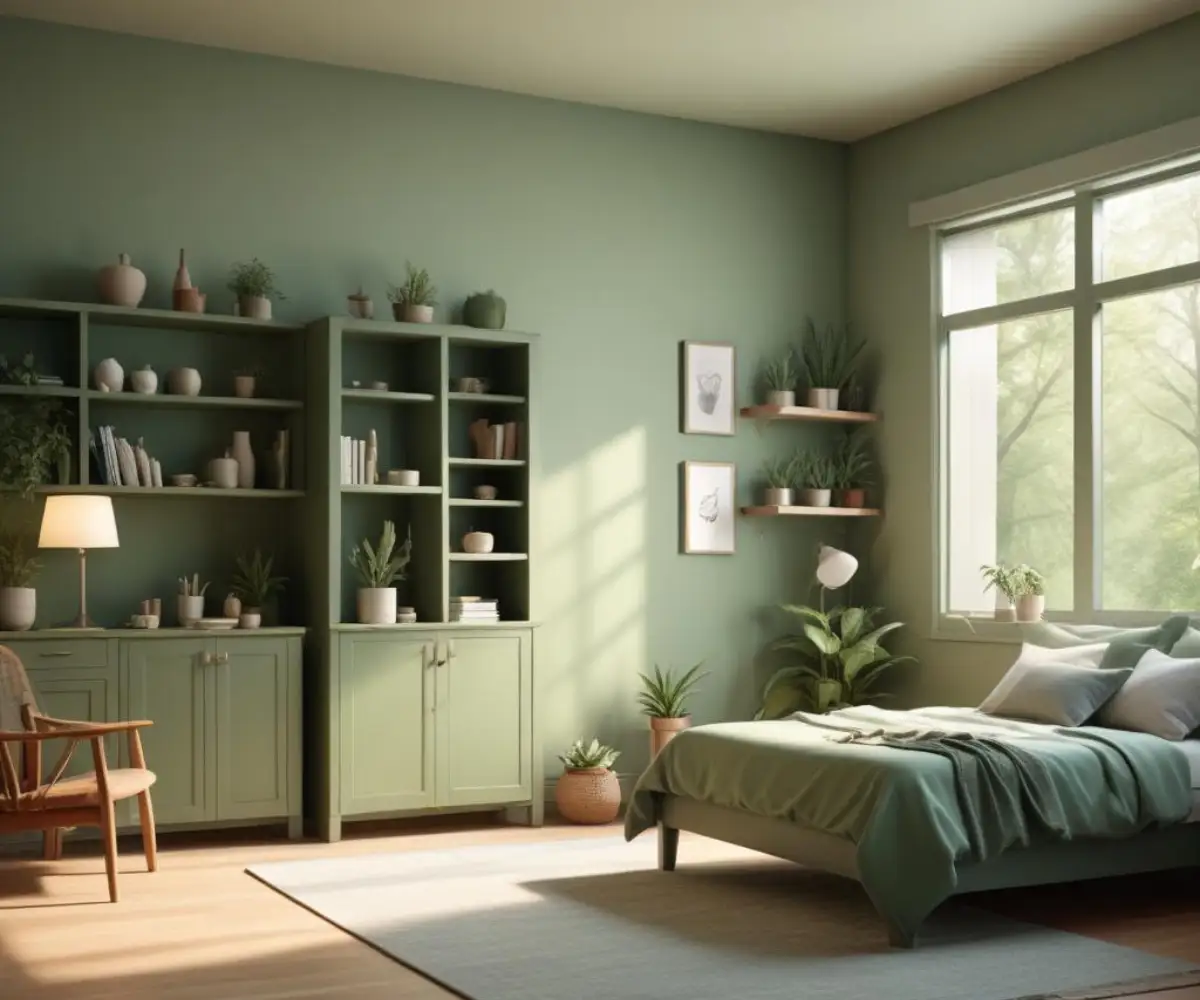
Not all greens are created equal. The shade you choose will dramatically impact the mood of your room. Lighter greens, like sage and mint, feel airy and calming, making them ideal for bedrooms and bathrooms.
Deeper shades, such as emerald and forest green, create a sense of luxury, drama, and coziness. These are perfect for living rooms or studies where you want to make a sophisticated statement. Understanding the emotional weight of each shade allows you to tailor your environment to your desired feeling.
Beyond the Visual: How Green Reduces Stress
Studies have shown that green environments can lower heart rate and reduce anxiety. The color is often used in spaces designed for healing and relaxation, like hospitals and spas, for this very reason. It provides a mental break from the visual noise of urban environments.
By bringing green into your home, you are creating a personal sanctuary where your mind can unwind and recharge. It’s a simple yet powerful tool for promoting daily well-being.
Painting with Nature’s Palette: Mastering Green on Your Walls
Paint is one of the most impactful and cost-effective ways to introduce green into your home. A coat of paint can instantly transform the entire atmosphere of a room. But a successful green room is about more than just picking a color; it’s about application and balance.
Whether you’re looking for a subtle hint or a bold statement, the right painting strategy will set the tone for your entire design. Here’s how to get it right.
The Allure of the Green Accent Wall
If you’re hesitant to commit to four green walls, an accent wall is the perfect solution. It creates a powerful focal point without overwhelming the space. A deep forest green or a vibrant emerald behind a sofa or bed can add depth and personality.
Pair a green accent wall with neutral colors like crisp white, soft gray, or warm beige on the other walls. This creates a balanced look that is both modern and timeless.
Monochromatic Magic: Layering Greens for a High-End Look
A truly sophisticated design technique is to use a monochromatic color scheme. This involves layering various shades, tints, and tones of the same color. A room decorated with a mix of sage, olive, and forest green feels incredibly cohesive and luxurious.
The key to a successful monochromatic room is to introduce a variety of textures. Combine a matte green wall with a velvet green sofa, silk cushions, and a wool rug. This textural contrast prevents the space from feeling flat and adds visual interest.
Paint Finishes Matter: From Matte to High-Gloss
The finish of your paint can change how a color is perceived. A matte or eggshell finish provides a soft, non-reflective look that is perfect for creating a calming, serene atmosphere. It’s ideal for bedrooms and living areas.
In contrast, a satin or high-gloss finish reflects light and adds a touch of glamour. Consider using a high-gloss emerald green on cabinetry or a piece of furniture to create a stunning, jewel-like effect. This finish is also more durable and easier to clean, making it suitable for kitchens and bathrooms.
Living Decor: Bringing the Outdoors In with Houseplants
Houseplants are the most direct way to make your home look and feel green. They are living, breathing decor that purifies the air and introduces organic texture into your space. From large statement plants to small clusters, greenery can liven up any corner.
Styling with plants is an art form that goes beyond simply placing a pot on the floor. Thoughtful arrangement can enhance your home’s architecture and overall design.
The Best Low-Maintenance Plants for a Lush Look
You don’t need a green thumb to create an indoor jungle. Many beautiful plants are surprisingly easy to care for. The Snake Plant (Sansevieria) is nearly indestructible and thrives in low light, while the ZZ Plant (Zamioculcas zamiifolia) is drought-tolerant and features glossy, dark green leaves.
For a trailing effect, the Pothos (Epipremnum aureum) is a forgiving choice that can be placed on shelves or in hanging baskets. These plants provide maximum visual impact with minimal effort.
Creative Plant Styling: Shelves, Hangers, and Groupings
To create a dynamic look, vary the height and placement of your plants. Use plant stands to elevate floor plants, hang trailing plants from the ceiling, and arrange smaller pots in groups of three or five on shelves and tables.
Grouping plants with different leaf shapes, sizes, and shades of green creates a curated, “jungalow” aesthetic. Even small surfaces can become part of this green tapestry. Thoughtful decor on side tables is key, and you can learn how to decorate end tables without lamps to perfect a plant-centric look.
Beyond the Pot: Moss Walls and Living Art
For a truly unique statement, consider a preserved moss wall. These require no watering or sunlight and bring a huge swath of vibrant, textured green into a room. Moss walls serve as living art and can be customized to fit any space.
Another option is mounting staghorn ferns or bromeliads on wood plaques. This creates a stunning, three-dimensional piece of living wall decor that is sure to be a conversation starter.
Green Furnishings and Textiles: A Pop of Personality
If painting walls feels too permanent, green furniture and textiles are an excellent way to experiment with the color. From a statement sofa to subtle throw pillows, these elements can be easily changed or updated. They offer a flexible way to embrace the green trend and add comfort and texture.
Using textiles allows you to play with pattern and material, adding another layer of depth to your design. It’s an opportunity to inject personality into your space in a way that feels both intentional and inviting.
The Statement Green Sofa: A Bold Choice That Pays Off
A green sofa, particularly in a rich velvet or a durable chenille, can be the stunning centerpiece of a living room. An emerald or deep olive sofa acts as a luxurious anchor for the space. It pairs beautifully with neutral walls and metallic accents like brass or gold.
To integrate it seamlessly, pull the green color into other small accents around the room, such as in artwork or a decorative vase. For a truly unconventional and bold indoor green statement, some homeowners explore unique options like installing turf in a basement for a playful, recreational space.
Subtle Touches: Cushions, Throws, and Rugs
For a less dramatic approach, use green textiles as accents. A few sage green cushions on a neutral sofa, a mint green throw blanket draped over a chair, or a rug with a botanical pattern can instantly freshen up a room. These small touches provide a pop of color without a major commitment.
Layering different shades and textures of green textiles adds a cozy and sophisticated feel. Mix a chunky knit green blanket with smooth linen pillows to create a tactile and visually appealing arrangement.
Greening Up the Windows: Curtains and Blinds
Window treatments are often overlooked but present a fantastic opportunity to introduce color. Floor-to-ceiling curtains in a deep forest green can add drama and make a room feel taller. For a lighter, more airy feel, consider sheer linen curtains in a soft seafoam or pale green.
Roman blinds with a green botanical or geometric pattern can also add a touch of personality to a kitchen or bathroom. They provide a clean, tailored look while still delivering a dose of color.
Extending Green to the Garden: Creating Your Outdoor Sanctuary
A home that looks green shouldn’t stop at the back door. The garden is an extension of your living space and the ultimate place to embrace nature. A well-designed green space provides a beautiful view and a tranquil place to relax and entertain.
The key to a lush-looking garden is focusing on foliage. While flowers are beautiful, a strong foundation of green plants provides year-round structure and color.
The Power of Evergreens for Year-Round Color
To ensure your garden looks vibrant even in the winter, incorporate a variety of evergreens. Plants like Boxwood, Holly, and Dwarf Alberta Spruce provide structure and a deep green backdrop for other plants. They can be shaped into hedges or used as standalone specimens.
Evergreens come in many shades, from the deep green of a Yew to the blue-green of a Colorado Spruce. Mixing these tones adds depth and interest to the garden landscape.
Layering Foliage Textures for a Dynamic Garden
A garden filled only with fine-textured plants can look blurry, while one with only bold textures can feel coarse. The secret to a professional-looking garden is to mix different foliage textures. Pair the large, bold leaves of a Hosta with the delicate, feathery fronds of a Fern.
Combine spiky ornamental grasses with the soft, rounded leaves of a Coral Bells plant. This contrast in texture creates visual excitement and makes the garden feel more dynamic and lush. Creating a vibrant garden also means welcoming wildlife, and choosing from a list of funny bird house names can add a touch of charm to your green sanctuary.
Using Ground Cover to Create a Carpet of Green
Low-growing ground covers are an excellent way to fill in bare spots and suppress weeds, creating a continuous carpet of green. Varieties like Creeping Thyme, Ajuga (Bugleweed), or Pachysandra spread to form a dense mat of foliage.
Many ground covers also produce lovely flowers in the spring. They are a low-maintenance solution for creating a lush, unified look in garden beds and under trees.
Table: Your Greenery Cheat Sheet
Choosing the right plant for the right spot is crucial for a thriving indoor garden. This table simplifies the process by matching popular low-maintenance houseplants with their ideal light conditions.
| Plant Name | Light Condition | Watering Needs | Key Feature |
|---|---|---|---|
| Snake Plant (Sansevieria trifasciata) | Low to Bright Indirect Light | Low (Allow soil to dry out completely) | Architectural, upright leaves; air-purifying. |
| ZZ Plant (Zamioculcas zamiifolia) | Low to Bright Indirect Light | Very Low (Drought-tolerant) | Waxy, dark green leaves; extremely resilient. |
| Pothos (Epipremnum aureum) | Low to Bright Indirect Light | Medium (Water when top inch of soil is dry) | Trailing vines; fast-growing and easy to propagate. |
| Spider Plant (Chlorophytum comosum) | Bright Indirect Light | Medium (Prefers consistently moist soil) | Produces “spiderettes” or baby plants; air-purifying. |
| Peace Lily (Spathiphyllum) | Medium to Low Indirect Light | High (Prefers moist soil; droops when thirsty) | Elegant white flowers; thrives in lower light. |
| Monstera Deliciosa | Bright Indirect Light | Medium (Water when top 1-2 inches are dry) | Iconic split leaves; makes a bold statement. |
Frequently Asked Questions (FAQs)
What colors go well with green?
Green is surprisingly versatile. It pairs beautifully with neutrals like white, cream, beige, and gray. For a bolder look, it complements earthy tones like terracotta and brown, as well as jewel tones like navy blue and deep burgundy. Pinks and blush tones also create a striking and sophisticated contrast with deeper greens.
How can I make a small room look green without it feeling smaller?
In a small room, use lighter shades of green like mint, sage, or pale celadon, which reflect light and make the space feel more open. Consider painting just one accent wall or using green in decor items like plants, cushions, and artwork rather than on all four walls. A large mirror can also help by reflecting the green elements and creating an illusion of more space.
Is green a good color for a bedroom?
Green is an excellent choice for a bedroom. Its calming and restorative properties promote relaxation and restful sleep. Muted, earthy greens like sage, olive, and moss create a serene and tranquil atmosphere, making the bedroom a true sanctuary for unwinding at the end of the day.
Final Words
Incorporating green into your home and garden doesn’t have to be a daunting task. With the right approach, it can transform your space into a serene sanctuary that feels both fresh and timeless. By balancing the intensity of green with complementary colors, textures, and natural elements, you can create an environment that calms the mind, nourishes the soul, and invites the outdoors in. So, embrace the beauty of green and allow it to breathe new life into your home—when done thoughtfully, it can be the key to a truly harmonious living space.
