
Lime vs. Diatomaceous Earth: Which Powder Wins in the Garden?
In the world of home and garden care, you’ve likely encountered two mysterious white powders touted as miracle solutions: lime and diatomaceous earth. Both are natural, affordable, and widely available, yet they serve vastly different purposes. The confusion between them can lead to ineffective pest control, damaged plants, and unresolved soil issues, leaving homeowners frustrated and searching for the right answer.
This guide will demystify these two powerful amendments. We will explore their origins, chemical compositions, and most importantly, their specific jobs in your home and garden. By understanding the fundamental differences between lime and diatomaceous earth, you can confidently choose the right tool for the task at hand, whether you’re battling stubborn pests or revitalizing your soil for a healthier, more vibrant garden.
You'll Learn About
What is Garden Lime? A Soil Chemistry Corrector
Garden lime, also known as agricultural lime or limestone, is a soil amendment made from pulverized limestone or chalk. Its primary active component is calcium carbonate. Some forms, known as dolomitic lime, also contain a significant amount of magnesium carbonate.
The main purpose of garden lime is not to kill pests or absorb moisture, but to alter soil chemistry. Specifically, it is used to raise the pH of acidic soil, a process known as “liming.” Most garden plants thrive in a soil pH range of 6.0 to 7.0, which is slightly acidic to neutral. When soil becomes too acidic (pH below 6.0), essential nutrients like nitrogen, phosphorus, and potassium become less available to plants, even if they are present in the soil. Applying lime makes the soil less acidic (more alkaline), unlocking these nutrients for plant uptake.
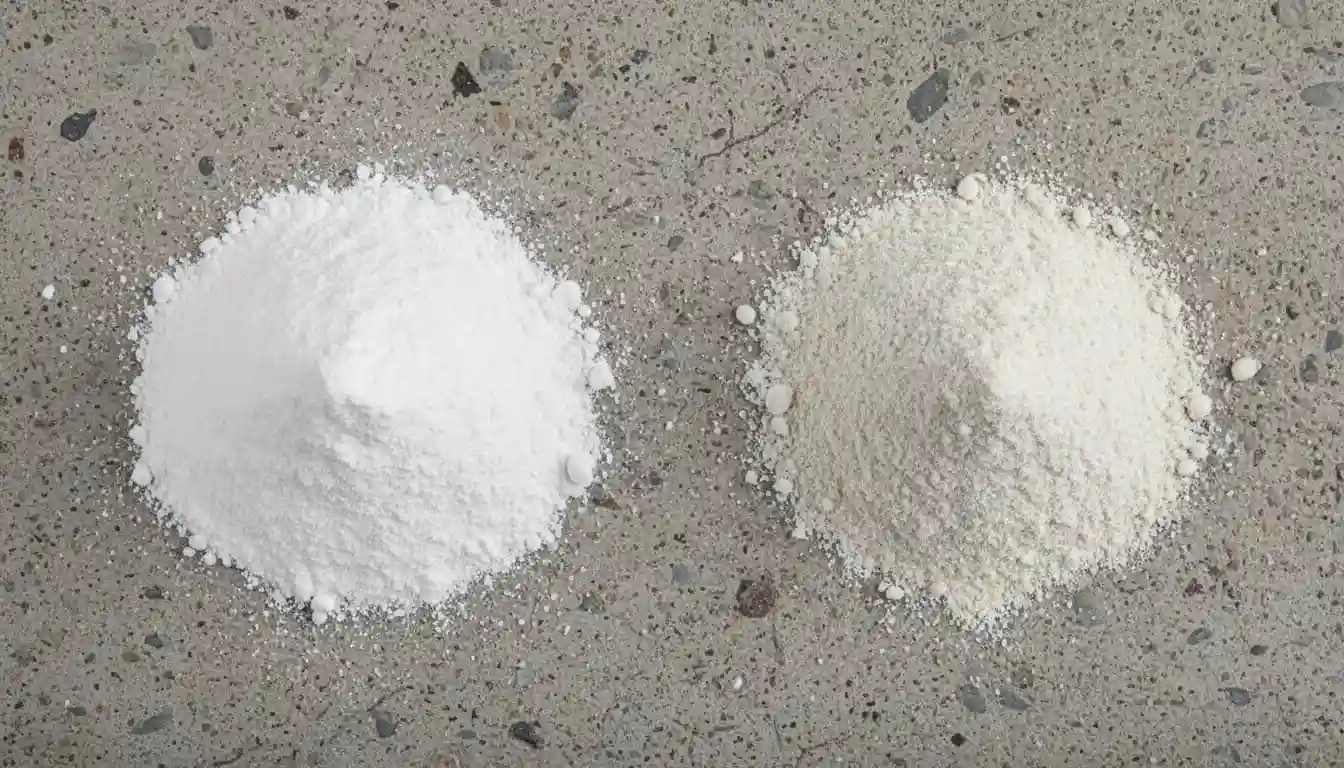
Key Functions of Garden Lime:
- Raises Soil pH: Its primary function is to neutralize overly acidic soil.
- Provides Nutrients: It supplies essential calcium, and in the case of dolomitic lime, magnesium, to plants.
- Improves Soil Structure: By improving nutrient uptake, it encourages healthier plant growth, leading to stronger root systems that can improve soil aeration and water penetration.
It’s crucial to distinguish garden lime (calcium carbonate) from hydrated lime (calcium hydroxide). Hydrated lime is highly caustic and can burn plants and skin, and should not be used in garden applications without extreme caution and specific knowledge.
What is Diatomaceous Earth? A Physical Pest Killer
Diatomaceous earth, often called DE, is a completely different substance. It is a soft, sedimentary rock made from the fossilized remains of tiny aquatic organisms called diatoms. These microscopic algae shells are composed primarily of silica. When mined and ground into a fine powder, DE feels soft to humans but is microscopically sharp and abrasive to insects.
DE’s power lies in its physical properties, not its chemical ones. It works as a mechanical insecticide. The sharp silica particles stick to the bodies of insects with exoskeletons—like ants, slugs, fleas, and roaches—and cut into their waxy outer layer. This process allows moisture to escape from the insect’s body, causing it to dehydrate and die. This is why it must remain dry to be effective.
Types of Diatomaceous Earth:
- Food Grade DE: This is the only type safe for use in homes and gardens. It is uncalcined (not heat-treated) and has very low levels of crystalline silica, making it safe for humans and pets when handled correctly.
- Filter Grade (Pool Grade) DE: This type is heat-treated and contains high levels of crystalline silica, which is a known respiratory hazard. It should never be used for pest control in the home or garden.
Lime vs. Diatomaceous Earth: Head-to-Head Comparison
Understanding the core differences in composition, purpose, and safety is key to using these products correctly. While both are powders derived from natural sources, their applications could not be more distinct.
| Feature | Garden Lime | Food Grade Diatomaceous Earth (DE) |
|---|---|---|
| Primary Component | Calcium Carbonate (CaCO3) and/or Magnesium Carbonate (MgCO3) | Silicon Dioxide (Silica – SiO2) from fossilized diatoms |
| Primary Use | Raises soil pH (reduces acidity); adds calcium and magnesium. | Natural insecticide for hard-bodied pests (ants, slugs, fleas, roaches). |
| Mechanism of Action | Chemical reaction that neutralizes soil acids. | Physical action; microscopic sharp edges cut insect exoskeletons, causing dehydration. |
| Effectiveness When Wet | Requires moisture to dissolve into the soil and begin working. | Becomes completely ineffective; must be dry to work. |
| Safety Concern | Generally safe, but dust can be a mild irritant. Hydrated lime is caustic and dangerous. | Food grade is safe, but dust should not be inhaled as it can irritate lungs. Pool grade is a respiratory hazard. |
| Best For | Correcting acidic soil to improve plant nutrient uptake. | Creating physical barriers to kill and deter pests indoors and outdoors. |
Choosing the Right Product for Your Problem
With a clear understanding of each product, selecting the correct one becomes simple. Here are common home and garden scenarios and the definitive choice for each.
When to Use Garden Lime
You should reach for garden lime only after conducting a soil test that indicates acidic soil. Signs that your soil might be too acidic include yellowing leaves (chlorosis), stunted growth, and the prevalence of acid-loving weeds like moss, even with adequate fertilization.
How to Fix Acidic Soil:
- Test Your Soil: Use a home test kit or send a sample to a local extension office to determine your soil’s pH. This is a critical first step; adding lime to soil that is already alkaline can cause serious nutrient lockout issues.
- Calculate the Amount: Your soil test results will recommend how many pounds of lime to apply per 100 or 1,000 square feet. Clay soils typically require more lime than sandy soils to achieve the same pH change.
- Apply and Incorporate: Spread the lime evenly over the soil surface. For best results, till or rake it into the top 6-8 inches of soil. Applying in the fall is ideal, as it gives the lime all winter to break down and adjust the pH before the spring planting season. Preparing your garden beds correctly is fundamental, especially when you are considering when to order dahlia tubers for the upcoming season, as they thrive in well-balanced soil.
Over-liming is a serious risk. Applying too much lime can raise the pH too high, which can be even more detrimental to plant health than acidic soil, locking up nutrients like iron and manganese.
When to Use Diatomaceous Earth
DE is your go-to solution for non-toxic pest management, particularly for crawling insects. Its applications are broad, spanning from the garden to deep inside your home.
Controlling Garden Pests like Slugs and Beetles:
For soft-bodied pests like slugs and snails, DE is a powerful deterrent. Sprinkle a thin, dry ring of DE around the base of vulnerable plants. The pests will avoid crawling over the abrasive powder. For beetles and other crawling insects, you can lightly dust the leaves of affected plants. Remember to reapply after rain, as moisture renders it useless.
Tackling Indoor Pests like Ants and Roaches:
DE is highly effective for creating deadly barriers against ants, roaches, silverfish, and bed bugs. Apply a very thin layer of powder in areas where pests travel: along baseboards, under appliances, in cracks and crevices, and behind cabinets. The most effective pest control strategy combines barriers with prevention. Before applying any powders, it’s wise to inspect your home’s exterior for cracks and gaps. Using the correct sealant, such as choosing between kwik-seal vs silicone, can block entry points and serve as your first line of defense.
Flea Control for Pets and Home:
You can lightly dust carpets, pet bedding, and furniture with food-grade DE to combat flea infestations. Let it sit for 12-24 hours before vacuuming thoroughly with a HEPA-filter vacuum, as the fine powder can damage standard motors. Always consult a veterinarian before applying any substance directly to a pet.
The Synergistic Approach: Using Lime and DE Together
Rather than viewing these products as competitors, the most advanced home and garden strategy uses them as partners in a holistic system. This integrated approach addresses both foundational soil health and active pest management, creating an environment where plants naturally thrive and pests are actively discouraged.
First, focus on the soil. Use garden lime based on soil test results to create the optimal pH environment. This ensures your plants have access to all the nutrients they need to grow strong and healthy. A robust, well-nourished plant is inherently more resilient to pest and disease pressure. It’s the foundational step that many gardeners overlook, often leading them to treat symptoms (pests) rather than the root cause (weak plants in poor soil).
Once your soil is balanced, you can deploy diatomaceous earth as a targeted, protective shield. Use it to create perimeters around your garden beds to stop slugs in their tracks. Apply it at the base of your home’s foundation to intercept ants before they find a way inside. This physical, non-chemical pest management keeps harmful insects at bay without disrupting the beneficial ecosystem you’ve built. This two-pronged strategy—building health from the ground up with lime and defending the perimeter with DE—is a cornerstone of integrated pest management (IPM) and sustainable gardening.
Beyond the Obvious: Secondary Benefits
Both products offer surprising secondary benefits. Lime, by providing calcium, helps strengthen plant cell walls, which can physically deter some piercing-sucking insects. Diatomaceous earth, rich in silica, can be absorbed by plants, which also contributes to stronger cell walls and increased structural integrity. Furthermore, both substances are excellent at absorbing moisture and controlling odors, making them useful in areas like chicken coops or compost bins. A light dusting of lime or DE on coop floors can help keep the environment dry and reduce ammonia smells.
This holistic view acknowledges that a healthy home and garden ecosystem relies on multiple inputs. Even decisions about home construction, such as insulation choices, can play a role in pest prevention by controlling moisture and eliminating nesting sites within walls. Understanding topics like why is spray foam insulation so expensive provides insight into creating a fully sealed and pest-resistant home envelope.
Safety First: Handling and Application Precautions
While both garden lime and food-grade DE are natural products, they are not without risks if handled improperly. Both are fine powders that can be easily inhaled.
- Always wear a dust mask when applying either product to prevent respiratory irritation. Goggles and gloves are also recommended.
- Use the right type. Double-check that you have garden lime (not hydrated lime) and food-grade DE (not pool-grade). Using the wrong type can be dangerous to you, your pets, and your plants.
- Keep pets and children away from the area during application until the dust has fully settled.
- Apply DE sparingly. A thin, barely visible layer is more effective than a thick pile, which insects will simply walk around.
- Be mindful of beneficial insects. DE is a non-selective killer. It will harm beneficial insects like ladybugs and predatory beetles, as well as pollinators like bees if they come into direct contact with it. Avoid applying it directly to flowers where bees are active.
By understanding the distinct roles of lime and diatomaceous earth, you can move beyond confusion and start using these powerful, natural tools to their full potential. Lime corrects the very foundation of your garden’s health—the soil—while diatomaceous earth provides a safe and effective defense against common pests. Together, they form a comprehensive strategy for a healthier, more resilient home and garden.
