
Lily Ann Cabinets vs IKEA: The Brutally Honest Comparison You Need
Embarking on a kitchen remodel is both exciting and daunting. The central challenge often boils down to a critical decision: choosing the right cabinets. They define the kitchen’s look, feel, and functionality, yet the options can be overwhelming, especially when comparing two giants in the ready-to-assemble (RTA) market: Lily Ann Cabinets and IKEA.
Many homeowners find themselves caught in a loop of analysis paralysis. One brand promises solid wood construction, while the other is a global icon of affordable, modern design. This decision is about more than just aesthetics; it’s a long-term investment in your home’s value and your daily quality of life.
You'll Learn About
Unpacking the Core Conflict: Materials and Durability
The fundamental difference between these two brands lies in their core construction materials, a factor that directly impacts longevity, durability, and even how they feel to the touch. Understanding this distinction is the first step toward making a confident choice for your home.
Lily Ann Cabinets: The Plywood Promise
Lily Ann Cabinets builds its reputation on using plywood for its cabinet boxes. Plywood is constructed from multiple thin layers of wood veneer glued together, with the grain of each layer running perpendicular to the next. This cross-grain construction gives it superior strength and stability.
This method offers significant advantages in a kitchen environment. Plywood is more resistant to moisture, a crucial feature for cabinets under sinks or near dishwashers. It also holds screws and hardware more securely over time, reducing the likelihood of sagging doors or loose hinges down the road. For homeowners who prioritize a long-lasting kitchen, plywood is often considered a superior investment.
IKEA: The Particleboard Powerhouse
IKEA’s SEKTION cabinet system, on the other hand, primarily uses particleboard (often with a melamine foil or laminate finish). Particleboard is an engineered wood product made from compressed wood chips, sawdust, and resin. While modern particleboard is much improved from its predecessors, it has inherent weaknesses compared to plywood.
Its primary vulnerability is moisture. Prolonged exposure to water can cause particleboard to swell, warp, and lose structural integrity. While IKEA’s cabinets are built to be durable for everyday use, a significant plumbing leak could be far more damaging to a particleboard cabinet than a plywood one. However, for its price point, the structural integrity is robust, and many kitchens have successfully utilized IKEA cabinets for decades with proper care.
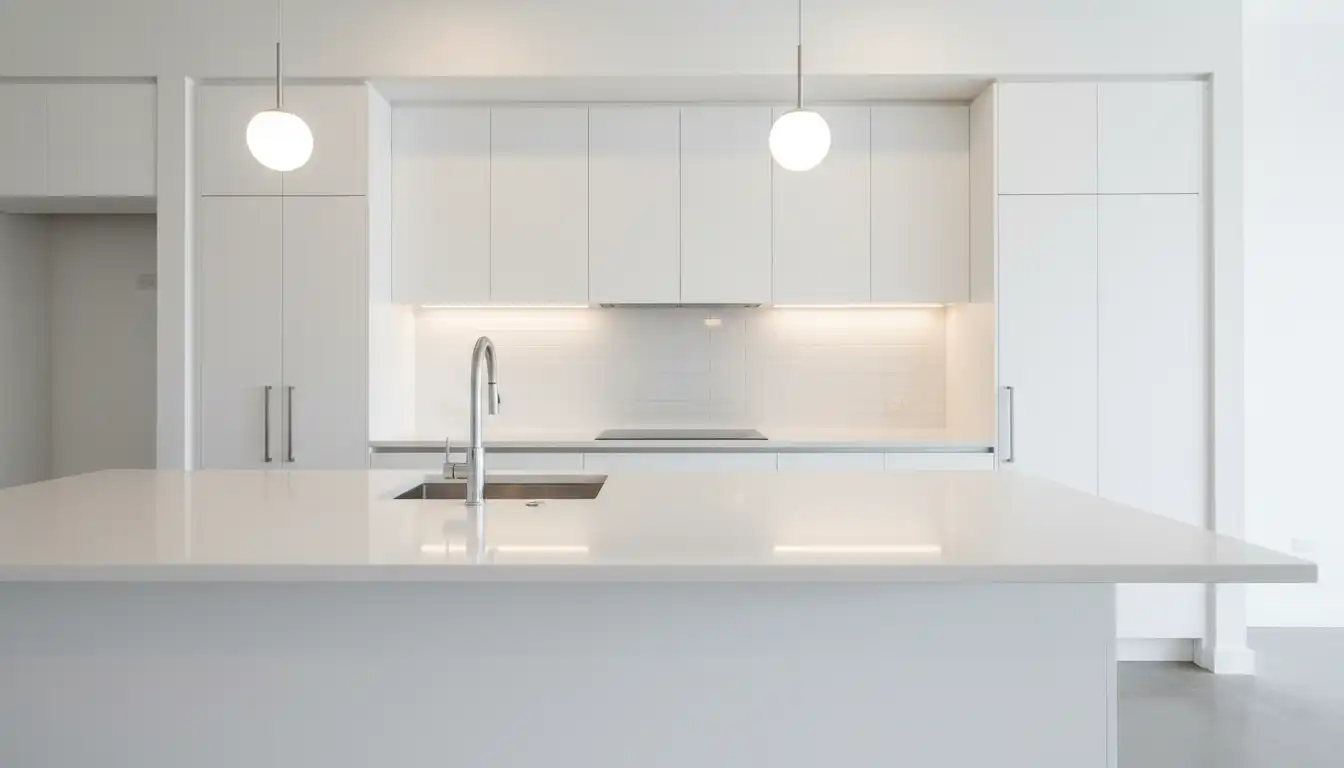
The Assembly Experience: DIY Dream or Frustration?
Both brands sell RTA cabinets, meaning you do the assembly yourself or hire someone to do it. However, the assembly processes and hardware systems are distinctly different, catering to different skill sets and expectations. This is where many homeowners can run into unexpected hurdles, much like dealing with unforeseen Murray riding mower transmission problems; what seems straightforward can become complex without the right preparation.
Lily Ann’s Traditional Approach
Lily Ann Cabinets often use a more traditional assembly method, which may include clips, brackets, or a dovetail process. While sturdy, this can sometimes require a bit more woodworking know-how to ensure everything is perfectly square and secure. Their construction is straightforward but assumes a certain level of comfort with basic carpentry tools and techniques.
The result is a cabinet that feels traditionally built, but the journey to get there might involve a steeper learning curve for a complete novice. Many find their instructional videos very helpful in navigating the process.
IKEA’s Signature Cam-Lock System
IKEA has perfected a unique assembly system using posts, cam-locks, and dowels, all illustrated in their famous wordless instruction manuals. This system is designed for the average person with minimal tools. The process is highly standardized across their product lines.
A major advantage of IKEA’s system is the wall-mounted suspension rail. Instead of leveling and mounting each cabinet individually to the wall, you mount a single steel rail perfectly level. The cabinets then simply hang on this rail, making installation significantly faster and easier, especially for those working alone.
A Head-to-Head Feature Showdown
To make the decision clearer, it’s helpful to see a direct comparison of the key features that matter most to homeowners. This table breaks down the essential differences at a glance.
| Feature | Lily Ann Cabinets | IKEA (SEKTION) |
|---|---|---|
| Core Box Material | Grade-A Plywood | Particleboard/MDF with Melamine Foil |
| Assembly Method | Dovetail or Metal Clip Systems | Cam-Lock, Dowel, and Screw System |
| Installation | Traditional wall mounting, cabinet by cabinet | Suspension rail system for easy hanging |
| Hardware Quality | Good quality, often includes soft-close features | Excellent quality Blum hardware, soft-close is standard |
| Style & Finish Options | Wide range of traditional and shaker styles; many painted and stained finishes | Primarily modern, minimalist, and shaker styles; fewer traditional options |
| Customization | More variety in sizes and cabinet types (e.g., specialty cabinets) | Modular system; highly customizable with a vast ecosystem of third-party doors |
| Price Point | Generally more expensive than IKEA | Very budget-friendly, one of the most affordable options |
| Warranty | Limited Lifetime Warranty | 25-Year Limited Warranty |
Cost and Value: Looking Beyond the Price Tag
At first glance, IKEA is the clear winner on price. Their mass production and flat-pack shipping model create efficiencies that are passed on to the consumer. A full IKEA kitchen can often be purchased for a fraction of the cost of semi-custom cabinets. However, the true value depends on your long-term goals.
While Lily Ann Cabinets come with a higher initial cost, the investment in plywood construction can pay dividends in longevity. A kitchen built with plywood cabinets is often seen as a higher-quality feature by potential home buyers, potentially increasing resale value. The durability of plywood means you are less likely to face replacement costs due to moisture damage or wear and tear over the decades.
It’s important to budget for the entire project. The savings from IKEA cabinets might allow you to splurge on higher-end countertops or appliances. Conversely, choosing Lily Ann might be the splurge itself. Managing a home budget requires balancing large projects like a kitchen remodel with other seasonal needs, from landscaping equipment to a reliable estate snowblower for winter.
Design Flexibility and Aesthetics
Your kitchen’s style is a personal expression, and both companies offer paths to achieve your vision, albeit in different ways.
The Breadth of Lily Ann’s Styles
Lily Ann offers a broader selection of what might be considered “traditional” American cabinet styles. You will find more options for raised panels, detailed trim, and various stained wood finishes. If you are looking for a classic, timeless kitchen look, Lily Ann provides a wealth of choices right out of the box.
IKEA’s Modern Modularity
IKEA’s aesthetic leans heavily toward modern, Scandinavian design, characterized by clean lines, flat-panel (slab) doors, and simple Shaker styles. While their color palette has expanded, the core offerings remain focused on this contemporary look.
However, IKEA’s greatest strength is its modular system. The SEKTION cabinet boxes are a blank canvas for a massive third-party ecosystem of custom door and drawer front companies. This “IKEA hacking” allows you to get the affordable and durable base of an IKEA kitchen with a completely custom, high-end look.
Making the Final Decision: Which Is Right for You?
Choosing between Lily Ann Cabinets and IKEA isn’t about determining which is “better,” but which is better for your specific situation. Here is a final breakdown to help guide your choice.
Choose Lily Ann Cabinets If:
- Durability is your absolute top priority. The plywood construction offers superior moisture resistance and long-term strength.
- You prefer traditional American design. Their selection of stained woods and detailed door styles is more extensive.
- You are comfortable with a more traditional cabinet assembly process and have the tools and patience for it.
- You view your kitchen as a long-term investment that will add significant resale value to your home.
Choose IKEA If:
- Budget is a primary concern. You can achieve a beautiful, functional kitchen for a significantly lower cost.
- You are a DIY enthusiast who values an easy installation process. The suspension rail system is a game-changer for many.
- You love modern, minimalist, or Scandinavian design. This is IKEA’s core aesthetic.
- You want endless customization options through the vast world of third-party door and hardware companies. A well-designed kitchen often incorporates features that enhance functionality, like a deep sink with garbage disposal, which can be easily integrated into IKEA’s modular system.
Ultimately, both Lily Ann Cabinets and IKEA provide viable, quality solutions for a kitchen remodel. By carefully considering the core differences in materials, assembly, cost, and style, you can move past the confusion and confidently select the cabinets that will form the heart of your home for years to come.
