
Light Fixture Not Centered Over Table? Here’s How to Fix It for Good
You’ve arranged your dining room perfectly. The table is set, the chairs are aligned, but something feels off. You look up, and there it is: the light fixture is hanging stubbornly off-center, casting an awkward gloom over your otherwise flawless setup. This common design headache can make an entire room feel unbalanced and poorly planned.
It’s a frustrating problem, but it’s not an unsolvable one. Whether you’re a renter looking for a damage-free fix or a homeowner ready for a permanent solution, there are multiple ways to tackle this issue. You don’t have to live with a poorly placed light forever.
You'll Learn About
Why Your Light Fixture Isn’t Centered in the First Place
Understanding why your light fixture is off-center can help you choose the best solution. Most of the time, this isn’t a mistake but a result of standardized building practices or changes in the home’s layout over time.
Builders often place electrical boxes in the geometric center of a room’s ceiling without considering future furniture placement. What’s centered for an empty room is rarely centered over a dining table that needs to be offset to allow for foot traffic. Previous owners may have had a different-sized table or a completely different room layout, leaving you with their legacy lighting placement.
Common Causes for Off-Center Lights:
- Standard Builder Placement: Junction boxes are typically installed in the absolute center of the ceiling for general room lighting.
- Previous Layouts: The fixture was centered for a previous owner’s smaller, larger, or differently shaped table.
- Open-Concept Challenges: In open-plan homes, defining the “center” of a dining space can be tricky, leading to awkward fixture locations.
- Structural Obstacles: Sometimes, a ceiling joist is exactly where the box *should* be, forcing an off-center installation.
Easy, No-Rewire Solutions for an Off-Center Light
For those who want to avoid cutting into drywall and dealing with wiring, several clever design solutions can correct the problem visually. These methods are perfect for renters or anyone seeking a quick, cost-effective fix.
The Classic Swag: A Timeless and Easy Fix
The simplest and most popular solution is to “swag” the light. This involves using a hook to drape the fixture’s chain or cord from the original electrical box to the desired point directly over your table. It’s an inexpensive fix that can be done in under an hour.
To do this, you’ll need a swag hook kit, which includes a hook and the appropriate anchor for your ceiling type (drywall or plaster). Simply install the hook directly above the center of your table, and drape the chain or cord from the fixture’s canopy to the hook. This creates a gentle, deliberate loop that can add a touch of traditional or industrial charm.
Embrace the Asymmetry with a Multi-Pendant Fixture
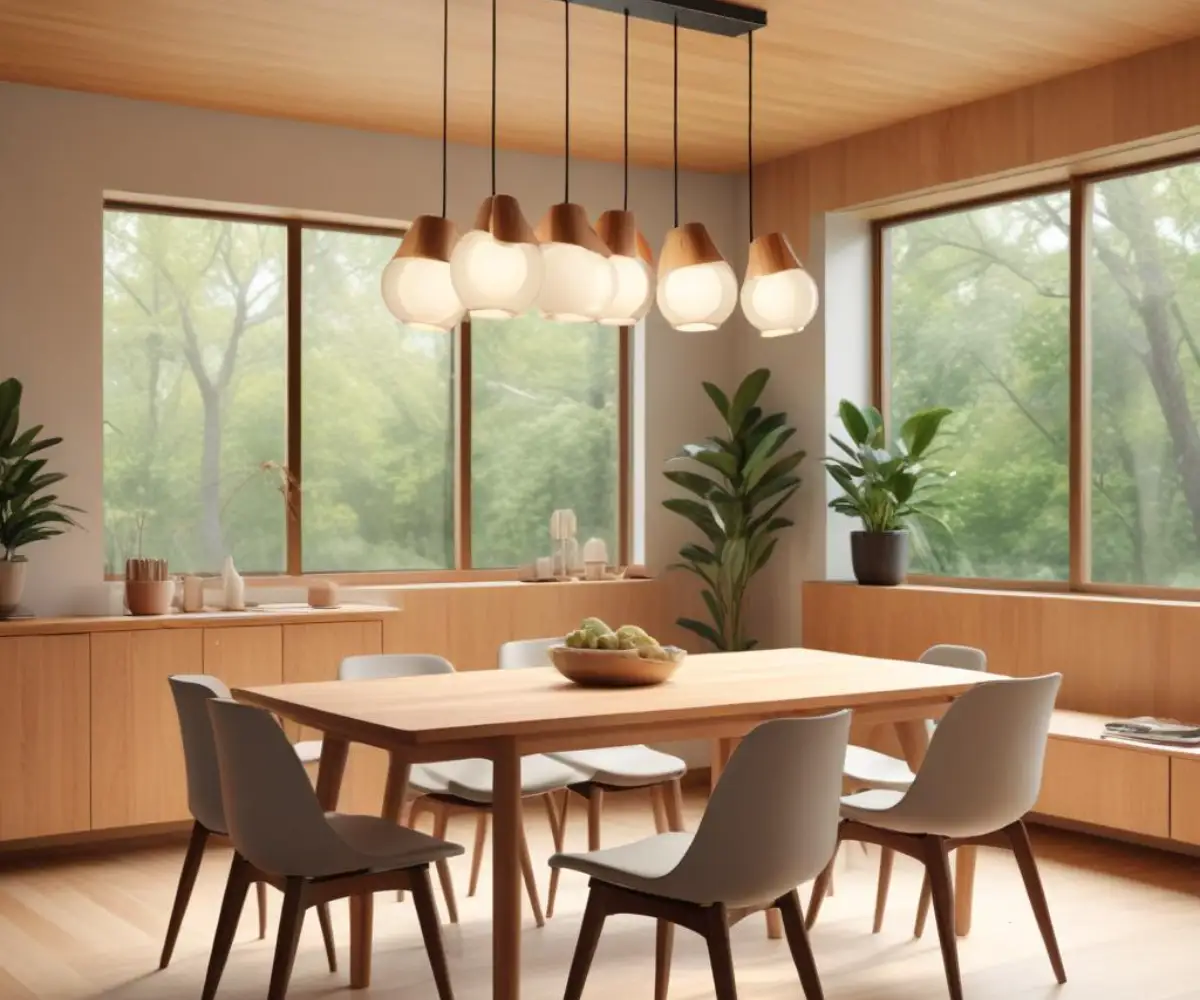
Instead of fighting the off-center placement, you can lean into it with a spider or multi-pendant chandelier. These fixtures have multiple lights extending from a central canopy, each on its own cord. You can mount the main canopy on the existing junction box and then arrange the individual pendants at various points and heights over your table.
This approach turns the problem into a stunning, modern design feature. It provides excellent light coverage over the entire table and creates a sculptural focal point that makes the off-center box location seem completely intentional.
Use a Ceiling Medallion to Shift the Visual Center
A ceiling medallion is a decorative plate that can be installed around the base of your light fixture. A large enough medallion can visually trick the eye and make a slightly off-center fixture appear more balanced. If the fixture is only off by a few inches, a medallion can effectively cover the gap and create a new, more prominent visual center.
This is a particularly effective trick that adds a layer of architectural detail to your ceiling. By drawing attention to the medallion itself, the exact placement of the fixture becomes less critical, and the overall impression is one of elegance and thoughtful design.
More Involved Fixes: Moving the Electrical Box
For a permanent, seamless solution, moving the electrical box is the best option. While this is more invasive and costly, it provides a clean, professional result. For any work involving rewiring, it is strongly recommended to hire a licensed electrician.
Relocating the Junction Box
An electrician will need to cut a new hole in the ceiling at the desired location, move the existing wiring, and install a new junction box. This often requires access to the ceiling from an attic above. If there’s no attic access, the electrician may need to cut a channel in the drywall to run the wires, which will then need to be patched, spackled, and painted.
While this is the most labor-intensive option, it guarantees your light fixture will be perfectly centered. To make the installation more secure, especially for heavy fixtures, a product like an EZ-Brace can be a fantastic tool for mounting the new box securely between ceiling joists without needing attic access.
| Solution | Average Cost | DIY-Friendly? | Best For |
|---|---|---|---|
| Swag Hook | $5 – $20 | Yes | Renters, budget-conscious decorators, and quick fixes. |
| Ceiling Medallion | $20 – $100+ | Yes | Fixtures that are only slightly off-center (2-6 inches). |
| Multi-Pendant Light | $150 – $800+ | Yes | Creating a modern, intentional, and artistic focal point. |
| Relocate Electrical Box | $200 – $750+ | No (Hire a Pro) | A permanent, perfectly centered, and seamless professional look. |
Design Principles: Making an Off-Center Light Look Intentional
Sometimes, the best approach is to embrace the asymmetry. In modern interior design, perfect symmetry is not always necessary or even desired. An off-center light can look chic and purposeful if you balance the room in other ways.
Create Visual Balance Elsewhere
If your light hangs slightly to one side of the table, create a counterbalance on the other side of the room. This can be achieved with a tall plant, a prominent piece of art on the wall, or even by placing a console table against the wall to anchor that side of the space. This technique is similar to how you might address an off-center vanity light in a bathroom, where balance is key.
By distributing the “visual weight” around the room, the off-center fixture becomes part of a larger, balanced composition. An area rug placed perfectly under the table can also help ground the dining space, making the light’s exact position less important.
Consider the Fixture’s “Visual Weight”
The type of fixture you choose can have a big impact. A light and airy fixture with a delicate frame will look less jarringly off-center than a heavy, solid drum pendant. Fixtures with organic shapes, multiple arms, or a sprawling design are more forgiving of imperfect placement because they don’t have a single, obvious center point.
Common Mistakes to Avoid
When tackling this project, be mindful of a few common pitfalls that can undermine your efforts or create safety hazards. A little foresight can save you a lot of trouble.
First and foremost is electrical safety. If you are doing anything more than swapping a fixture, hire a professional. Never attempt to move wiring or install a new electrical box without proper knowledge. Also, ensure any swag hook or mounting hardware is rated to support the full weight of your fixture. A falling light is a serious danger. Finally, don’t ignore other potential electrical issues. If you notice problems like a non-functional outdoor light, it might be a good time to have an electrician check everything out while they’re on-site addressing the off-center fixture. For example, troubleshooting an address light not working could be part of a broader electrical health check-up.
Your Off-Center Fixture Is a Solvable Problem
A light fixture that is not centered over your table is a design challenge, but it doesn’t have to be a permanent flaw. From the simple and stylish swag hook to the clean and professional relocation of the electrical box, a solution exists for every budget and skill level.
By evaluating your space, choosing the right method, and paying attention to visual balance, you can transform this frustrating issue into a well-designed feature. Your dining room can finally feel complete, balanced, and perfectly illuminated, exactly as you envisioned.
