
Largest Kitchen Island Without a Seam: The Ultimate Luxury Guide
The dream of a magnificent, sprawling kitchen island often crashes into a single, ugly reality: the seam. That tiny, visible line where two slabs of stone meet can disrupt the entire aesthetic of your luxury kitchen.
It’s the one detail that separates a stunning, monolithic centerpiece from a merely functional workspace. You want an unbroken, expansive surface for prepping, entertaining, and admiring.
This guide provides the ultimate roadmap to achieving the largest kitchen island possible, completely without a seam. We’ll explore the materials, logistics, and design secrets to make your vision a reality.
You'll Learn About
Why a Seamless Kitchen Island Is the Ultimate Luxury Statement
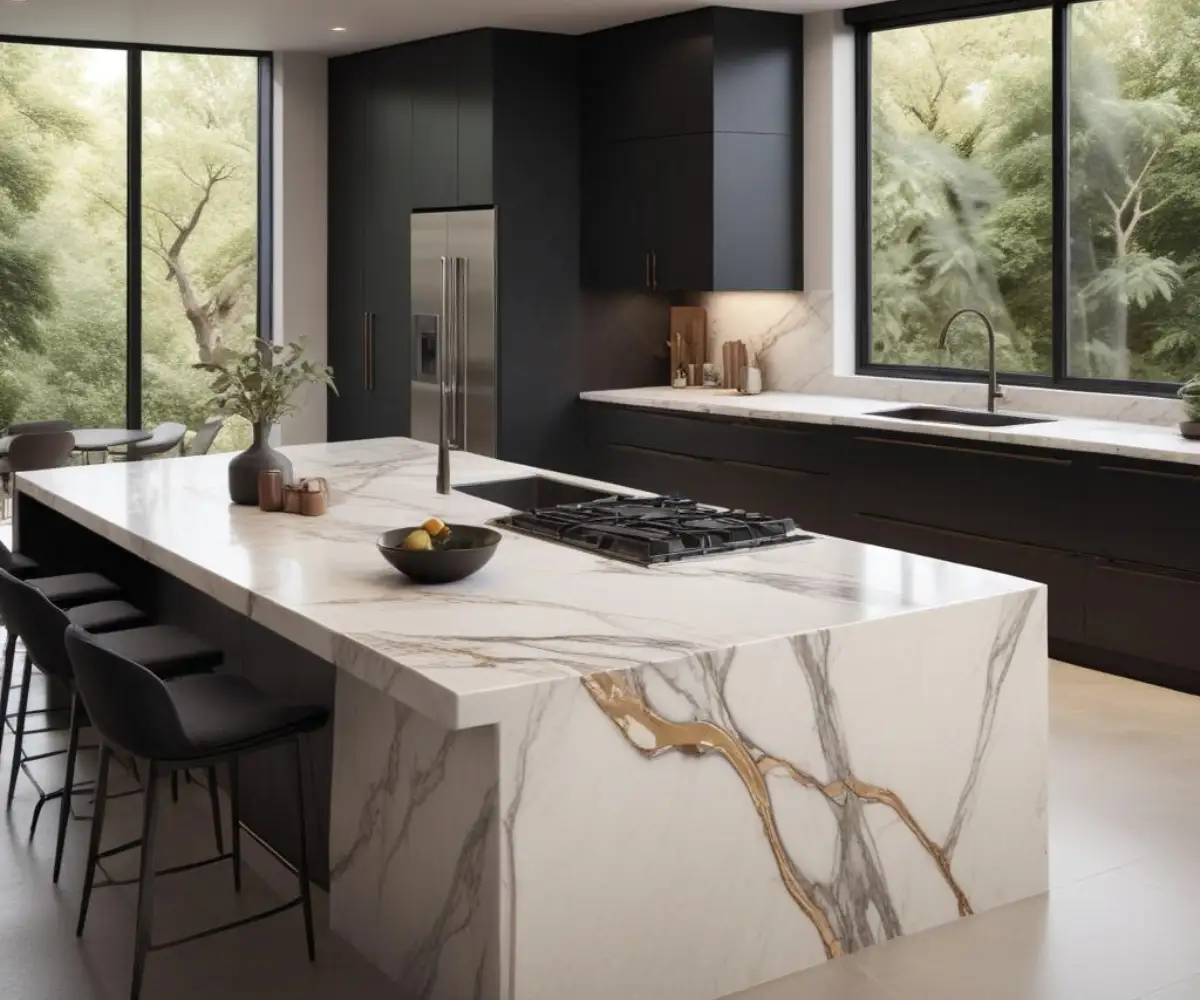
A seamless island is more than just a design choice; it’s a declaration of quality and meticulous planning. The visual impact is undeniable, creating a clean, high-end look that feels both grand and cohesive.
Functionally, the benefits are immense. A single, unbroken surface is far easier to clean, with no grout lines or gaps to trap crumbs and bacteria. For bakers, it provides an uninterrupted canvas for rolling out dough.
Ultimately, this feature significantly boosts your home’s value. It’s a coveted element that signals a high-end, custom-designed kitchen to potential buyers.
The Great Seam Debate: Understanding Material & Logistical Limits
Achieving a truly seamless island requires navigating some very real physical constraints. The primary limitation is the raw slab size of your chosen material, which is dictated by nature or manufacturing processes.
Getting a massive, incredibly heavy slab into your home is the second major hurdle. You must consider every doorway, hallway, and staircase on the delivery path. One tight corner can derail the entire project.
Finally, fabrication and installation of an oversized slab is a specialized skill. It requires more manpower, specialized equipment, and carries a higher risk, all of which impacts the final cost.
Material Matters: Choosing Your Giant, Seamless Countertop
The material you choose is the single most important factor in determining the maximum size of your seamless island. Some materials are simply manufactured in larger formats than others.
Quartz: The Engineered Champion
Engineered quartz is often the top choice for large, seamless islands. Manufacturers have responded to design trends by creating “jumbo” and “super jumbo” slabs that exceed standard dimensions.
The main advantage of quartz is its consistency in color and pattern, along with its non-porous, durable nature. Brands like Caesarstone, Silestone, and Cambria are renowned for their oversized options.
Granite: Nature’s Masterpiece
For those who desire a one-of-a-kind, natural stone, granite is a fantastic option. However, slab sizes are dependent on the specific quarry and how the stone is extracted.
Finding an exceptionally large granite slab can be a treasure hunt, but the payoff is a unique and stunning island. Be prepared for variability and always select your exact slab in person.
Marble: The Epitome of Elegance
Marble offers unparalleled beauty with its soft veining and luxurious feel. While it’s possible to find large slabs, they are often rarer and carry a premium price tag.
The primary drawbacks are its porousness and susceptibility to staining and etching. A seamless marble island is a stunning commitment to careful maintenance.
Sintered Stone & Porcelain: The Modern Contenders
Newer materials like sintered stone (e.g., Dekton, Neolith) and porcelain are changing the game. They are manufactured in very large formats and offer incredible durability.
These surfaces are resistant to scratches, heat, and UV rays, making them suitable for both indoor and outdoor applications. However, their installation requires highly specialized fabricators.
Comparing Materials for Your Seamless Island
Choosing the right material involves balancing size, aesthetics, durability, and budget. This table breaks down the key characteristics of the top contenders for a large, seamless island.
| Material | Typical Max Slab Size (Approx.) | Pros | Cons | Average Cost (Installed) |
|---|---|---|---|---|
| Quartz | 130″ x 65″ (Jumbo) | Durable, non-porous, consistent color, large sizes available. | Not as heat resistant as granite, can be expensive. | $80 – $150 / sq. ft. |
| Granite | 130″ x 70″ (Varies Greatly) | Unique patterns, heat resistant, highly durable. | Porous (requires sealing), sizes are inconsistent. | $70 – $200+ / sq. ft. |
| Marble | 120″ x 70″ (Varies) | Unmatched natural beauty, timeless appeal. | Porous, soft, prone to stains and scratches, expensive. | $90 – $250+ / sq. ft. |
| Sintered Stone | 126″ x 56″ | Extremely durable, resistant to heat, UV, and scratches. | Can be brittle on edges, requires specialist fabricators. | $95 – $175 / sq. ft. |
| Porcelain | 126″ x 63″ | Lightweight, stain and heat resistant, wide design range. | Can chip, pattern is only on the surface. | $75 – $140 / sq. ft. |
The Logistics of a Monolithic Island: A Step-by-Step Plan
A successful installation of a giant, seamless island is 90% planning. Overlooking a single logistical detail can lead to costly or even catastrophic failure.
Step 1: Measure Absolutely Everything. Before you even fall in love with a slab, measure your kitchen. Then, measure the entire path from the street to the kitchen: the width of your driveway, front door, hallways, and any tight corners.
Step 2: Partner with an Expert Fabricator Early. Do not wait. A fabricator experienced with oversized slabs is your most crucial partner. They can confirm if your dream is feasible and help you select a material that fits your size and logistical needs.
Step 3: Reinforce Your Foundation. A slab of this size can weigh over a thousand pounds. Your cabinetry must be structurally sound and perfectly level to support it. In some cases, reinforcing the subfloor beneath the island is necessary.
Step 4: Prepare for Installation Day. This is not a standard countertop installation. It will require a larger crew and specialized equipment like A-frames, dollies, and sometimes even a crane. Ensure the path is clear and protected on the big day.
Designing Around Your Grand Island
Once you’ve solved the technical challenges, the design fun begins. A massive island becomes the undeniable focal point of your kitchen, and everything else should complement it.
Balancing Scale and Proportion
Ensure your island doesn’t overpower the room. Maintain adequate clearance (at least 42-48 inches) on all sides for comfortable workflow and movement. The island’s scale should feel intentional, not cramped.
This balance extends to all elements, creating a cohesive look throughout your kitchen. A streamlined design is key, and achieving a perfect fit with appliances like those needing a zero clearance refrigerator door contributes to this flawless aesthetic.
Lighting Your Masterpiece
Proper lighting is critical to showcase your seamless island. A row of beautiful pendant lights is a popular choice, but their placement is everything.
Improperly placed fixtures can ruin the entire effect of a grand island. If you find your pendant lights not centered over island, it can create visual dissonance and undermine the clean lines you worked so hard to achieve.
Functionality and Features
Consider how you will use the island. Integrating a sink or cooktop requires careful planning and precise cutouts. Power is also essential for small appliances and charging stations.
Adding features like a beverage fridge or dedicated storage makes the island even more functional. Planning for the small details, such as the location of the garbage disposal switch on the island, ensures both convenience and code compliance from the start.
The Unspoken Challenge: What Fabricators May Not Tell You
Beyond slab size and logistics, there are critical factors that are rarely discussed but essential for a successful outcome. Understanding these hidden challenges sets you up for success.
The Immense Risk Factor. A slab of this size is under incredible tension. There is a real risk of it cracking during transport or installation. Your contract with the fabricator must be crystal clear about liability—who pays if the slab breaks before it’s successfully installed?
The “Waviness” Imperative. On very large engineered slabs, a slight, almost imperceptible bow or “waviness” can occur during manufacturing. A master fabricator knows how to check for this and use shims to create a perfectly level surface, but it’s a detail that can be missed by less experienced installers.
The Cabinetry Strength Secret. Standard, off-the-shelf cabinets may not be built to handle the concentrated weight of a monolithic stone island. You must insist on reinforced base cabinets. This often means using ¾-inch plywood construction, extra support blocking, and steel reinforcement to prevent sagging and ensure the countertop remains perfectly supported for decades.
Is a Giant Seamless Island Worth It?
Absolutely. For those who prioritize a high-impact design and flawless finish, there is no substitute for a truly seamless kitchen island. It is the ultimate centerpiece of a luxury kitchen.
The journey requires a significant budget, meticulous planning, and the right team of professionals. But the result is a breathtaking, functional work of art that you will appreciate every single day.
By understanding the material limitations, embracing the logistical challenges, and designing thoughtfully, you can create the stunning, seamless kitchen island you’ve always envisioned.
