
Fix That Ugly Stove Counter Gap: A Homeowner’s Ultimate Guide
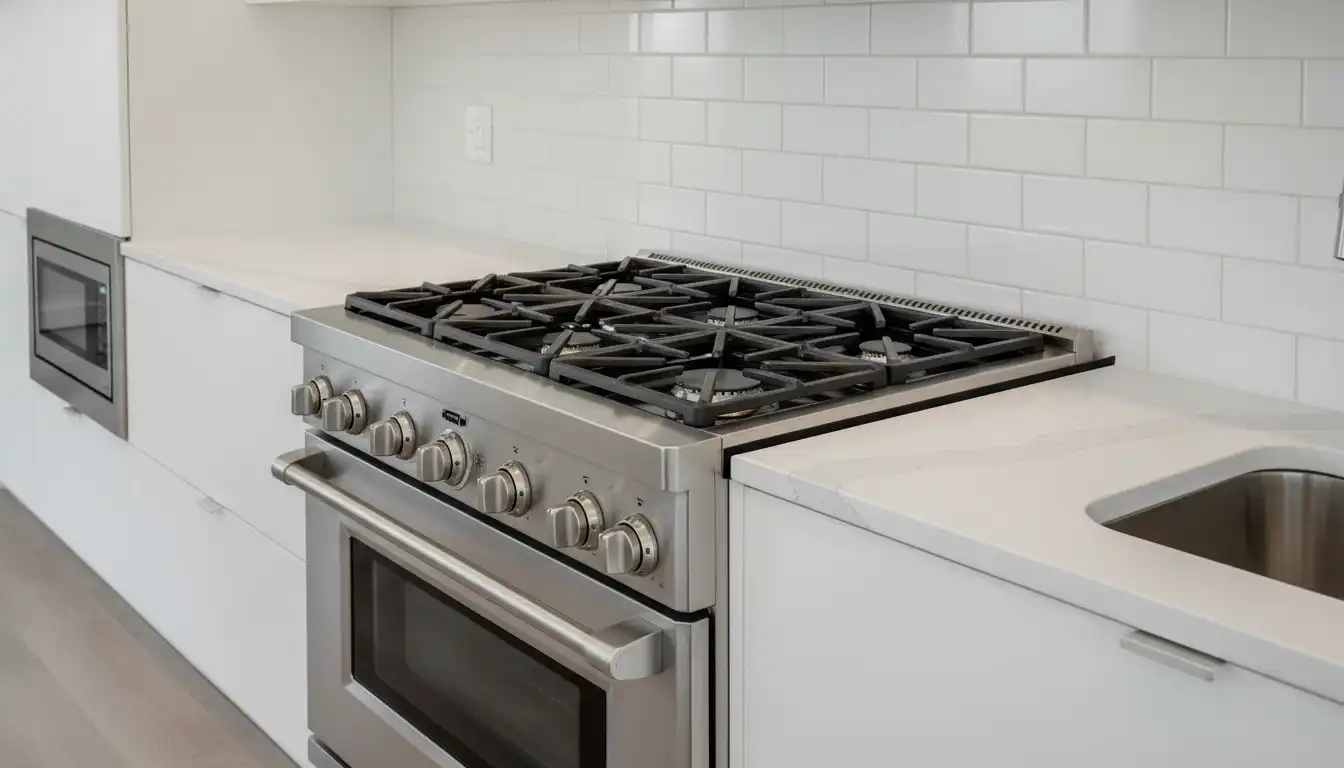
There it is. That annoying, crumb-catching, dark void between your stove and your countertop. It might seem like a small detail, but that large gap is a magnet for food spills, grease, and grime, creating an unsightly and unhygienic problem in the heart of your home.
This gap is more than just a cosmetic flaw; it’s a sanitation issue and a potential hazard. Fortunately, fixing it is often easier than you think. This guide will walk you through why this gap exists and provide actionable solutions to create a seamless, clean, and professional-looking kitchen.
You'll Learn About
Why You Have a Gap Between Your Stove and Countertop
Understanding the root cause of the gap is the first step toward finding the right solution. Several factors can contribute to this common kitchen problem, ranging from simple installation oversights to fundamental measurement errors.
Most often, the issue stems from one of four key areas. A thorough diagnosis will ensure you choose a fix that lasts.
Incorrect Measurements or Installation
The most frequent culprit is a discrepancy between the appliance’s size and the space allotted for it. Standard ranges are typically 30 inches wide, designed to fit into a 30-inch opening. However, even a small measurement error of a quarter-inch during the cabinet or countertop installation can result in a noticeable gap.
Another common issue is an uneven floor. If your floor isn’t perfectly level, the stove may tilt slightly, creating a wedge-shaped gap that is wider at the top than the bottom. This is often overlooked but can be a primary cause of an imperfect fit.
The Wrong Type of Range for Your Kitchen Layout
Not all stoves are created equal. The two most common types, freestanding and slide-in ranges, are designed for different installations. Using the wrong type for your setup is a guaranteed way to create a gap.
A freestanding range has finished sides and a built-in backguard that houses the controls. It’s designed to stand alone or be placed at the end of a cabinet run. A slide-in range, conversely, has unfinished sides and is meant to sit between cabinets, with countertop strips typically behind it for a built-in look. Crucially, slide-in ranges often have a slight cooktop overhang designed to overlap the countertop, effectively eliminating the gap.
Uneven or Improperly Installed Countertops
The problem might not be with your stove or floors at all. If the countertops themselves are not perfectly level or were cut imprecisely, a gap can appear. This is especially common in older homes where settling may have occurred over time.
The countertop’s edge profile can also play a role. A decorative or rounded edge might not allow the stove to sit as flush as a simple, squared edge would, creating a small but persistent gap.
The Hidden Dangers of a Stove-to-Counter Gap
That seemingly harmless gap can cause more trouble than you might expect. It’s a prime location for problems that affect your kitchen’s cleanliness, safety, and the longevity of your cabinets and flooring.
Addressing the gap is about more than just aesthetics; it’s about protecting your investment and maintaining a healthy home environment.
Sanitation and Pest Problems
Every time you cook, crumbs, grease splatters, and liquid spills inevitably find their way into this crevice. This buildup of organic matter is difficult to clean and can quickly become a breeding ground for bacteria, leading to unpleasant odors.
Worse yet, this hidden buffet is an open invitation for pests like ants and cockroaches. Once they discover this food source, they can be incredibly difficult to eradicate. Sealing the gap is a critical step in pest prevention.
Heat and Moisture Damage
The gap can also be a conduit for heat and moisture. Heat escaping from the side of the oven can scorch or warp adjacent cabinet faces, especially if they are laminate or painted. Over time, this can lead to permanent damage and discoloration.
Similarly, spilled liquids can seep down the gap and damage the sides of your cabinets, the flooring underneath, and the subfloor. This prolonged moisture exposure can lead to wood rot, delamination of cabinet materials, and even mold growth in unseen areas.
How to Fix a Large Gap Between Your Stove and Counter
With a clear understanding of the cause, you can now choose the best solution. Options range from simple, inexpensive fixes that take minutes to more involved, custom solutions for a perfectly integrated look.
The right method depends on the size of the gap, your DIY comfort level, and your budget.
Solution 1: Easy Fixes for Small to Medium Gaps (Up to 1/2 inch)
For most common gaps, simple and effective solutions are readily available. These products are designed for easy installation and immediate results.
Flexible Gap Covers: This is by far the most popular and straightforward solution. These are typically T-shaped strips made of heat-resistant silicone or stainless steel. The vertical part of the “T” slips into the gap, while the top lays flat across the stove and countertop, creating a perfect seal. They come in various colors (black, white, clear) and finishes to match your appliances and are easily trimmed with scissors for a custom fit.
Heat-Resistant Silicone Caulk: For a more permanent and seamless look, you can use 100% silicone caulk rated for high temperatures. Carefully tape off the stove and countertop edges, apply a neat bead of caulk, and smooth it with a caulking tool or a wet finger. Choose a color that matches your countertop for a nearly invisible finish.
Solution 2: Addressing Larger or Uneven Gaps
If your gap is wider or the result of an unlevel stove, you’ll need to take a more structural approach first.
Adjust the Stove’s Leveling Legs: Before trying any other fix, check if your stove is level. Most ranges have adjustable feet. Place a level on the cooktop and turn the threaded feet up or down until the appliance is perfectly level with the countertop. This simple adjustment can often solve the problem entirely.
Custom Wood or Metal Filler Strips: For significant gaps (over 1/2 inch), a custom filler strip is the best option for a professional finish. You can use a thin strip of wood, painted to match your cabinets, or a piece of metal trim, like aluminum or stainless steel. This piece should be cut to the exact size of the gap and secured in place with a small amount of adhesive.
Solution 3: The Professional Approach for a Perfect Finish
For the most seamless look, especially in high-end kitchens, you may want to consider a more permanent, integrated solution. This often requires professional help but delivers unbeatable results.
A custom piece of countertop material, if available, can be fabricated to fill the gap perfectly. Alternatively, a metal fabrication shop can create a custom stainless steel trim piece that fits precisely, offering a durable and professional-grade solution.
Comparison of Gap Solutions
Choosing the right solution depends on your specific needs. This table breaks down the most common options to help you decide.
| Solution | Best For (Gap Size) | Estimated Cost | DIY Difficulty | Pros | Cons |
|---|---|---|---|---|---|
| Flexible Gap Covers | Up to 1/2″ | $10 – $20 | Very Easy | Removable, easy to clean, affordable | Can look like an add-on |
| Adjustable Stove Legs | Uneven Gaps | $0 | Easy | Solves the root cause, no materials needed | Only works if the stove is unlevel |
| Heat-Resistant Caulk | Up to 1/4″ | $10 – $15 | Moderate | Seamless look, permanent | Difficult to remove, requires careful application |
| Custom Filler Strips | Over 1/2″ | $20 – $50+ | Moderate to Hard | Professional look, completely custom | Requires cutting/finishing skills |
| Professional Trim | Any Size | $100+ | Professional Install | Perfect match, most durable option | Most expensive option |
Preventing the Gap in the First Place
The best way to fix a gap is to avoid creating one. During a kitchen remodel or when buying a new appliance, careful planning is key. An ounce of prevention is worth a pound of cure.
Measure, Measure, Measure: Before purchasing a new range, measure the width of your cabinet opening at the top, middle, and bottom. Also, measure the countertop height from the floor. Use these measurements and consult the appliance’s specification sheet to ensure a perfect fit for your stove opening between cabinets.
Choose the Right Range Type: For a built-in, seamless look, a slide-in range is almost always the best choice. Its design, which features an overlapping cooktop, is specifically made to eliminate side gaps. While sometimes more expensive, the finished look is well worth the investment.
Special Considerations for Different Countertop Materials
The material of your countertop can influence which gap-filling solution will look and work best. Some materials are more sensitive to heat and require specific approaches.
For stone countertops like granite or quartz, a stainless steel or color-matched silicone gap cover provides a clean, modern look. For an induction cooktop with a wood countertop, ensuring a perfect seal is critical. Use a high-quality silicone filler to prevent any moisture from seeping into the gap and damaging the wood.
Conclusion: Reclaim Your Clean Kitchen
A large gap between your stove and counter is a common problem, but it doesn’t have to be a permanent one. From simple silicone covers to custom-fit trim, a solution exists for every kitchen and every budget.
By addressing the gap, you not only improve the look of your kitchen but also enhance its cleanliness and safety. A seamless counter and stove area makes cleanup easier, prevents pest infestations, and protects your cabinets from long-term damage, ensuring your kitchen remains a beautiful and functional space for years to come.
