Is Laminate Flooring Upstairs a Disaster Waiting to Happen?
You love the sleek, modern look of laminate flooring. It’s durable, easy to clean, and more affordable than hardwood. The problem? Your cozy, carpeted second floor is looking dated, and you’re wondering if making the switch to laminate is a smart move or a noisy, regrettable mistake. You’re not alone in this dilemma; many homeowners hesitate, worried about echoing footsteps and creaky floors disrupting the peace of their home.
The core of the issue lies in sound transmission and subfloor integrity, two factors that are far more critical on an upper level than on the ground floor. Unlike carpet, which naturally dampens sound, hard surfaces like laminate can amplify every step, transforming your upstairs hallway into a drum. This guide will walk you through the critical considerations and provide actionable solutions to ensure your upstairs laminate flooring project is a resounding success, not a source of constant irritation.
You'll Learn About
Why Upstairs Flooring Presents a Unique Challenge
Installing flooring on a second story is fundamentally different from a ground-level project. The primary concerns revolve around acoustics, the condition of the subfloor, and the potential for moisture issues. Understanding these challenges is the first step toward a successful installation.
Hard surfaces reflect sound, while soft surfaces absorb it. This is why a room with carpet feels quieter than a room with tile or hardwood. When you install laminate upstairs, you’re removing a significant sound absorber (the carpet) and replacing it with a sound reflector. The result can be a noticeable increase in both impact noise (footsteps, dropped objects) and airborne noise (voices, music) traveling to the rooms below.
The Critical Role of the Subfloor
The subfloor is the foundation of your flooring, and on a second story, its condition is paramount. Over time, houses settle, and subfloors can become uneven, develop squeaks, or suffer from moisture damage. Laying laminate over a flawed subfloor is a recipe for disaster. An uneven surface can cause the laminate planks to flex and separate, creating gaps and a spongy, unstable feeling underfoot. If you’ve been wondering how to fix an uneven second floor, addressing it before installing new flooring is non-negotiable.
Furthermore, squeaks are often caused by the subfloor moving against the floor joists. While carpet and padding can muffle these sounds, laminate flooring can make them more pronounced. Ignoring these issues won’t just lead to an annoying floor; it can compromise the integrity of the laminate’s locking system over time, leading to costly repairs.
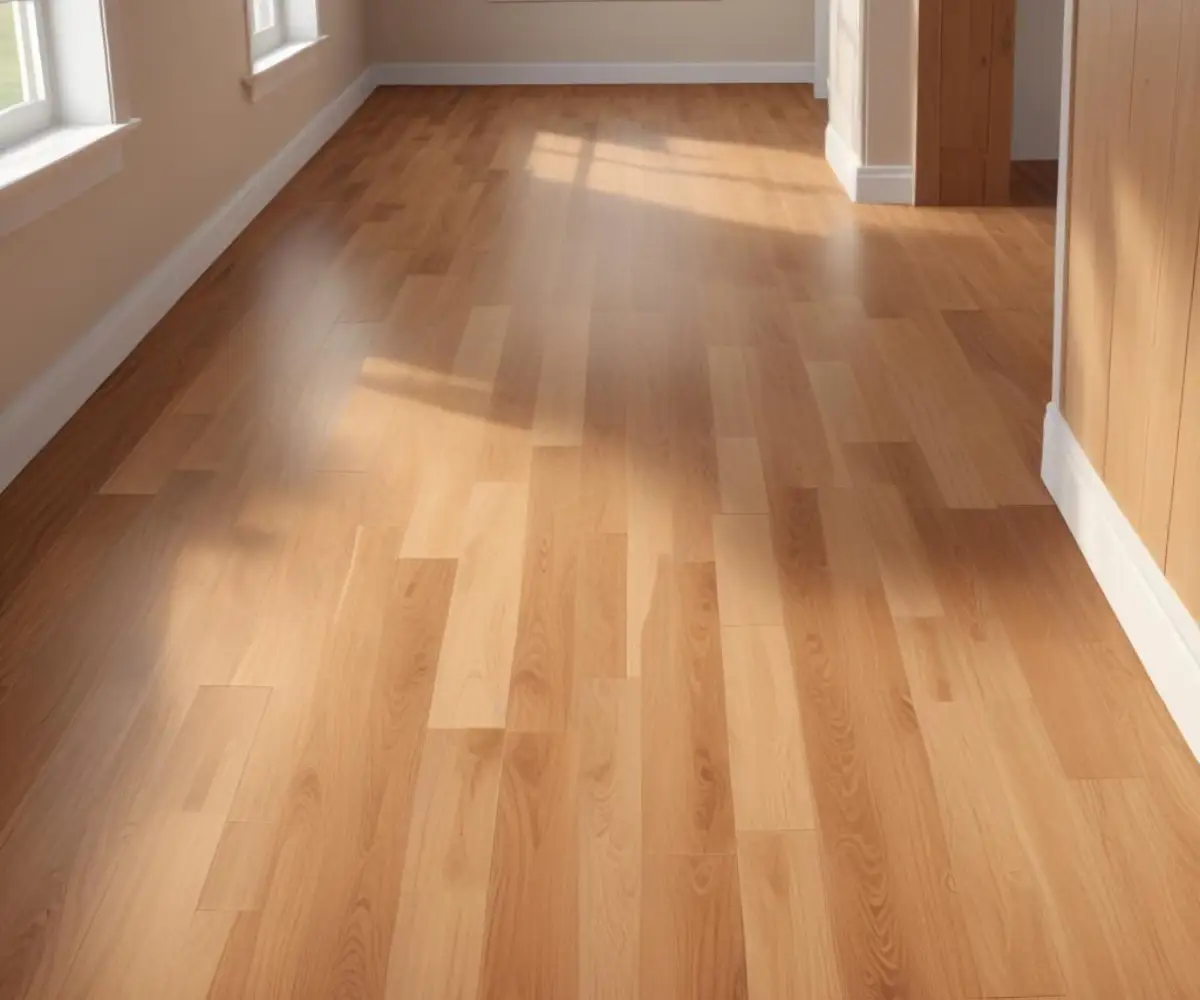
The Solution: Strategic Planning and the Right Materials
The key to a quiet and stable upstairs laminate floor is not to avoid it but to approach the installation with the right strategy and materials. This involves meticulous subfloor preparation and the selection of a high-quality underlayment designed for sound absorption.
This process is about creating a “floating floor” system that is not only beautiful but also acoustically sound. By decoupling the laminate from the subfloor with a high-performance underlayment, you can drastically reduce sound transmission and create a more comfortable living environment for everyone in the home.
Step 1: Meticulous Subfloor Preparation
Before a single plank of laminate is laid, the subfloor must be inspected and prepared. This is the most crucial phase of the project. Do not skip this step. A flat, clean, and structurally sound subfloor is essential for a lasting installation.
Start by removing the old flooring, padding, and any staples or nails. Use a long, straight edge or a level to check for high and low spots. Most laminate manufacturers specify that the subfloor must be level to within 3/16 of an inch over a 10-foot span. High spots can be sanded down, while low spots can be filled with a self-leveling compound. Addressing these imperfections prevents the planks from flexing, which can damage the locking mechanisms and cause gaps to appear between boards over time.
Step 2: Choosing a High-Performance Acoustic Underlayment
Underlayment is a thin layer of material that sits between the subfloor and the laminate flooring. For an upstairs installation, its role extends beyond providing a moisture barrier and cushioning. A high-quality acoustic underlayment is your best defense against noise. Look for underlayments with high ratings for both Impact Insulation Class (IIC) and Sound Transmission Class (STC).
The IIC rating measures how well the material absorbs impact sounds like footsteps, while the STC rating indicates its ability to block airborne sounds like voices. Materials like cork, high-density foam, and felt are excellent choices for sound dampening. Some premium underlayments combine a foam or fiber base with a rubber layer for superior acoustic performance. While these may cost more, the investment in a peaceful home is well worth it.
The Unspoken Truth About Acclimation
One of the most overlooked yet critical steps is acclimation. Laminate flooring is a wood-based product, meaning it expands and contracts with changes in temperature and humidity. Failing to let the flooring acclimate to the environment of your second floor before installation is a primary cause of buckling and gapping later on. The material needs to adjust to the specific conditions of the room where it will be installed.
To acclimate your laminate, lay the unopened boxes flat in the upstairs rooms for at least 48-72 hours. This allows the planks to stabilize and match the ambient moisture and temperature levels of the space. Skipping this step can lead to the planks expanding after installation, putting pressure on the joints and causing the floor to lift and buckle.
Laminate on Stairs: A Special Consideration
If your upstairs project includes a staircase, the complexity increases. Stairs are a high-traffic area and require a specific installation method for safety and durability. Unlike the floating installation used in rooms, laminate on stairs must be glued down securely. This involves using stair-specific moldings, such as stair nosing, to create a safe and finished edge on each step.
Noise is also a significant factor on stairs. While some homeowners might consider a mixed approach, like having carpet on stairs only to reduce noise, a continuous laminate look is achievable with the right techniques. The decision to carry laminate up the stairs should also factor in the overall project budget. If you are already looking into the cost to move stairs, integrating a new flooring material should be part of that comprehensive plan.
Comparing Laminate to Other Upstairs Flooring Options
To make an informed decision, it’s helpful to compare laminate with its main competitors for upstairs flooring: carpet and luxury vinyl plank (LVP). Each has its own set of advantages and disadvantages, particularly when it comes to a second-story application.
This comparison should help you weigh the factors that matter most to you, whether it’s comfort, durability, cost, or ease of maintenance. For a deeper dive into specific brands, exploring resources like detailed Medallion Aquarius flooring reviews can provide valuable insights into the performance of different laminate and LVP products.
| Feature | Laminate Flooring | Carpet | Luxury Vinyl Plank (LVP) |
|---|---|---|---|
| Noise Level | Can be noisy without proper underlayment. Hard surface reflects sound. | Excellent sound absorption. The quietest option. | Quieter than laminate, but less absorbent than carpet. Softer material helps dampen sound. |
| Comfort Underfoot | Hard and can feel cold. Less forgiving than carpet or LVP. | Soft, warm, and comfortable. Provides excellent cushioning. | Softer and warmer to the touch than laminate. More comfortable for standing. |
| Durability & Maintenance | Highly resistant to scratches and fading. Easy to clean but susceptible to water damage at the seams. | Prone to staining and wear in high-traffic areas. Requires regular vacuuming and periodic deep cleaning. | Highly durable and often 100% waterproof. Very easy to clean and maintain. |
| Hypoallergenic Properties | Excellent for allergy sufferers as it doesn’t trap dust, pollen, or dander. | Can trap allergens deep within its fibers, potentially aggravating allergies. | Also a great choice for allergies, providing a hard surface that is easy to keep free of allergens. |
| Installation | DIY-friendly click-lock system. Subfloor must be perfectly level. | Requires professional installation with specialized tools like knee kickers and power stretchers. | Often features a DIY-friendly click-lock system. More forgiving of minor subfloor imperfections than laminate. |
| Cost | Generally more affordable than LVP and hardwood. Prices vary based on thickness and quality. | Wide range of price points. Installation costs can add significantly to the total. | Slightly more expensive than laminate on average, but offers superior water resistance. |
Long-Term Care: Protecting Your Upstairs Investment
Once your laminate flooring is installed, proper care is essential to keep it looking great for years to come. Regular maintenance prevents small issues from becoming major problems. Use felt pads on the bottom of all furniture to prevent scratches. Place mats at the entrance to bedrooms to trap dirt and debris that can act like sandpaper on the floor’s surface.
Cleaning is simple but requires the right approach. Sweep or vacuum regularly using a soft brush attachment. For deeper cleaning, use a damp mop with a cleaner specifically formulated for laminate floors. Never use excessive water, steam mops, or harsh chemical cleaners, as moisture can penetrate the seams and cause the core to swell and warp, leading to irreversible damage.
Final Verdict: Is Laminate Upstairs the Right Choice for You?
Installing laminate flooring upstairs is not inherently a bad idea, but it requires more careful planning and preparation than a ground-floor installation. The primary concerns of noise transmission and subfloor condition can be effectively managed with the right approach. By investing in a high-quality acoustic underlayment and ensuring your subfloor is perfectly level and secure, you can enjoy the beauty and durability of laminate without the disruptive noise.
Ultimately, the decision comes down to balancing your aesthetic preferences with practical considerations. If you prioritize a quiet, cozy environment above all else, carpet may still be the superior choice for bedrooms. However, if you desire a modern, hypoallergenic, and easy-to-clean surface, a properly installed laminate floor can be an excellent and valuable addition to the upper level of your home.