Kwanzan Cherry in a Container: Unlock Epic Blooms in Any Space
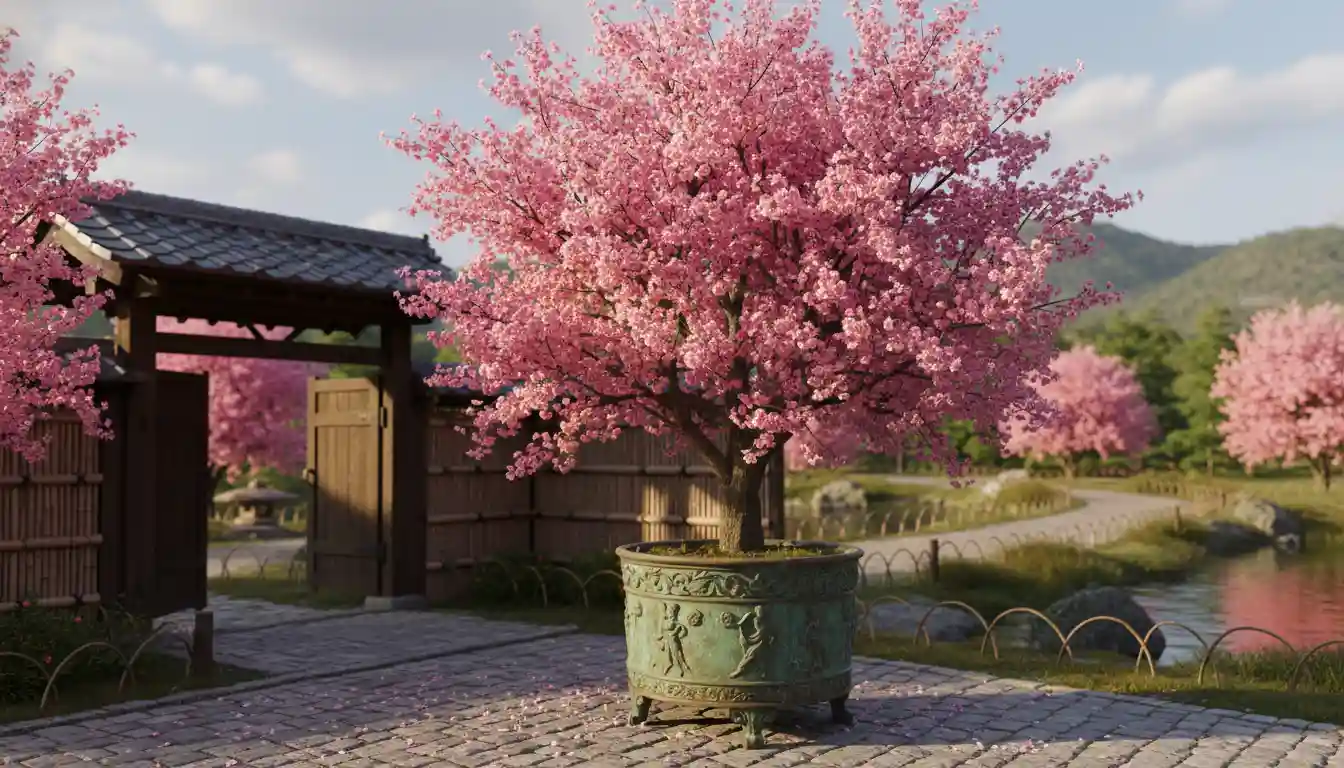
The breathtaking beauty of a Kwanzan cherry tree in full spring bloom is a sight to behold. Those stunning, ruffled, deep pink blossoms can make any garden feel magical. But what if you don’t have a sprawling yard? The common problem for many aspiring gardeners is the belief that this magnificent tree is reserved only for those with ample ground to spare.
This limiting belief causes many to miss out on the joy of cultivating their own cherry blossom spectacle. The fear of failure, of a beautiful tree languishing in a pot, prevents them from even trying. Fortunately, with the right knowledge and techniques, growing a vibrant Kwanzan cherry tree in a container is not only possible but can be incredibly rewarding, turning any patio, balcony, or small space into a springtime paradise.
You'll Learn About
Why a Container is a Secret Weapon for Kwanzan Cherries
Growing a Kwanzan cherry tree in a container offers surprising advantages over planting it in the ground. The most obvious benefit is its suitability for small spaces, allowing renters and homeowners with limited yards to enjoy its beauty. Beyond that, a container provides complete control over the tree’s environment.
You can perfect the soil composition, ensure flawless drainage to prevent root rot, and manage watering with precision. Mobility is another key benefit; you can move the pot to follow the sun, protect the tree from harsh weather, or even take it with you when you move. This level of control can lead to a healthier, more vibrant tree than one left to contend with poor native soil or drainage issues in a garden bed.
Choosing Your Champion: The Right Tree and Container
Success begins with selecting the best possible foundation for your container garden: a healthy tree and the perfect pot. This initial decision will significantly impact the long-term health and beauty of your Kwanzan cherry.
Selecting a Healthy Kwanzan Sapling
When you’re at the nursery, look for a young Kwanzan cherry tree, typically 1-3 years old. Inspect it carefully for signs of good health. The trunk should be sturdy and free of wounds or cankers, the leaves (if present) should be a vibrant green without spots or curling, and the root system should not be excessively crowded or circling the bottom of its temporary pot.
Starting with a strong, healthy sapling gives you a significant head start. While standard Kwanzan cherries can grow quite large, their size is easily managed in a pot with strategic pruning. This makes them an excellent choice even without seeking out a specific dwarf variety.
The Critical Choice: Picking the Perfect Pot
The container is more than just a holder; it’s your tree’s home and life support system. The single most important feature of any pot is drainage. Ensure the container has multiple large drainage holes at the bottom to prevent water from pooling and causing root rot, which is a common killer of container-grown trees.
Start with a pot that is approximately 15-20 gallons in size (around 18-24 inches in diameter). This provides enough room for initial growth without being excessively large, which can hold too much moisture. You will need to repot the tree into a larger container every 2-3 years. Materials like glazed ceramic and wood offer good insulation, while terracotta is porous and breathable but dries out quickly. Choose a pot that complements your outdoor decor, as it is a significant design element in its own right.
The Foundation of Success: Soil and Planting
With your tree and container selected, the next step is creating the ideal environment for the roots to thrive. The right soil mix and a careful planting process are fundamental to the long-term health and spectacular blooming of your potted Kwanzan cherry.
Crafting the Ideal Soil Mix for Container Life
Standard garden soil or cheap potting mixes are not suitable for container-grown trees. They are too dense, compact easily, and retain too much water, leading to suffocated roots. You need a custom blend that provides structure, aeration, and excellent drainage.
Create a high-quality mix by combining one part premium potting soil, one part perlite or pumice to enhance drainage, and one part well-rotted compost for nutrients. This blend creates a light, airy medium that holds just enough moisture while allowing excess water to escape freely. This specific formulation prevents the soil compaction that is a major risk in long-term container gardening.
The Step-by-Step Planting Process
Proper planting sets your tree up for a stress-free transition into its new home. First, cover the drainage holes with a piece of screen or a coffee filter to prevent soil from washing out. Add a layer of your custom soil mix to the bottom of the pot.
Gently remove the Kwanzan cherry tree from its nursery container and inspect the roots. If they are tightly wound, carefully tease them apart or make a few vertical cuts with a clean knife to encourage outward growth. Place the tree in the center of the pot, ensuring the top of the root ball sits about one to two inches below the rim. Fill the surrounding space with your soil mix, gently firming it down to eliminate air pockets, and water thoroughly until it flows from the drainage holes.
The Art of Care: Keeping Your Potted Kwanzan Thriving
Once planted, your Kwanzan cherry tree requires consistent care to flourish. Mastering the routines of watering and fertilizing is essential for promoting lush growth and ensuring a breathtaking display of blossoms each spring.
Watering Wisdom: The #1 Rule for Container Trees
Improper watering is the most common mistake in container gardening. Potted trees dry out much faster than those in the ground. Check the soil moisture every few days by inserting your finger two inches deep. If the soil feels dry at that depth, it’s time to water.
When you do water, do so deeply and thoroughly until water streams from the drainage holes. This ensures the entire root ball is hydrated. Avoid small, frequent waterings, which only wet the surface and encourage a shallow root system. During hot, windy weather, you may need to water daily, while in cooler periods, once a week may be sufficient.
Feeding Your Blooms: A Strategic Fertilization Schedule
Nutrients leach out of containers more quickly with each watering, so regular feeding is crucial. In early spring, just as new growth begins, apply a balanced, slow-release fertilizer formulated for flowering trees. This provides a steady supply of nutrients for the initial growth spurt and bloom cycle.
A second, lighter application can be made after the tree has finished flowering to support healthy leaf development. Avoid fertilizing in the late summer or fall, as this can encourage new growth that is vulnerable to winter damage. Following a strategic schedule prevents nutrient deficiencies and promotes maximum flower production.
Seasonal Care for Your Potted Kwanzan Cherry
A proactive approach to seasonal care will ensure your tree remains healthy and beautiful year after year. The following table provides a quick reference for essential tasks throughout the seasons.
| Season | Key Tasks and Focus |
|---|---|
| Spring | Apply a slow-release fertilizer as new buds appear. Monitor for pests like aphids on new growth. Water consistently as the tree leafs out and blooms. |
| Summer | Water frequently, checking soil moisture daily during heat waves. Prune for shape and to remove any dead or crossing branches after flowering is complete. Monitor for spider mites or Japanese beetles. |
| Autumn | Reduce watering frequency as the weather cools and the tree enters dormancy. Rake and dispose of fallen leaves to prevent fungal diseases. Prepare winter protection materials. |
| Winter | Protect the roots from freezing by moving the pot to a sheltered location (like an unheated garage) or wrapping the container in burlap or insulation. Water sparingly, only when the soil is completely dry. |
Shaping for Spectacle: Pruning Your Containerized Kwanzan
Pruning is not just for aesthetics; it is vital for the health and productivity of a container-grown Kwanzan cherry. It controls the tree’s size, encourages a strong structure, and improves air circulation, which helps prevent fungal diseases. A well-pruned tree will produce more and larger blooms.
The best time to prune is in late winter or early spring before new growth starts, or immediately after the blooming period has finished. Start by removing any branches that are dead, damaged, or diseased. Then, prune any branches that are crossing or rubbing against each other to open up the canopy. Your goal is to maintain a balanced, vase-like shape and keep the tree’s size proportional to its container.
Surviving the Chill: Essential Winter Protection
The roots of a container-grown tree are far more exposed to cold than those of a tree in the ground. Without the earth’s insulation, a hard freeze can be fatal. Protecting the root system during winter is non-negotiable for the tree’s survival.
The most effective method is to move the pot into a sheltered, unheated space like a garage, shed, or covered porch once the tree has gone dormant. If the pot is too large to move, wrap it securely with multiple layers of burlap, bubble wrap, or old blankets to insulate the roots. Additionally, applying a thick layer of mulch on top of the soil can provide extra protection against fluctuating winter temperatures.
Troubleshooting Common Problems
Even with diligent care, you may encounter issues. Identifying problems early is key to resolving them quickly and keeping your tree healthy. From pests to mysterious leaf discoloration, here’s how to diagnose and solve the most common challenges.
Pests and Diseases in Confined Spaces
Container environments can sometimes attract specific pests. Aphids, spider mites, and Japanese beetles are the most common culprits. Regularly inspect the undersides of leaves for signs of infestation. Many pests can be controlled by a strong spray of water from a hose or with applications of insecticidal soap or neem oil.
Fungal diseases like powdery mildew can also appear, especially in humid conditions with poor air circulation. Proper pruning to open the canopy is the best preventative measure. If an infection occurs, remove the affected leaves and treat the tree with a suitable fungicide.
Yellowing Leaves and Stunted Growth
Yellowing leaves are a common cry for help, but they can signal several different issues. Overwatering is a primary cause, leading to root rot and an inability to absorb nutrients. Ensure the soil is drying out between waterings. Underwatering will also cause leaves to yellow and drop, so check for overly dry soil.
If your watering is correct, the problem may be a nutrient deficiency. A balanced, slow-release fertilizer should correct this. Finally, if the tree has been in the same pot for several years, it may be root-bound, with its roots so compacted they cannot absorb water or nutrients effectively. This is a clear sign that it is time to repot into a larger container.
Beyond the Basics: Long-Term Success Strategies
To keep your Kwanzan cherry thriving for a decade or more, you must plan beyond the initial years. Advanced techniques like repotting and root pruning are essential for maintaining the health of a mature, container-bound tree. This long-term vision is what separates a temporary success from a lasting showpiece.
Every two to three years, you will need to repot your tree into a container that is a few inches larger in diameter. This provides fresh soil and more space for root growth. Eventually, when the tree is in its final, largest manageable pot, you can maintain it there through a process called root pruning. Carefully remove the tree from its pot, trim off the outer 2-3 inches of the root ball, and repot it with fresh, high-quality soil mix. This rejuvenates the root system and allows the tree to remain healthy in the same container for many years.
This commitment to periodic renewal is the secret to longevity. It ensures the tree never becomes hopelessly root-bound and always has access to the fresh, nutrient-rich soil it needs for spectacular annual blooms. By embracing this cycle of care, you can transform a simple potted plant into a permanent and cherished part of your home’s garden and overall aesthetic, complementing design choices from your patio to your interior, much like how a sleek black faucet with gold hardware can define a kitchen space. The view of your thriving tree can even enhance your indoor experience, perhaps viewed through stylish patio doors, prompting consideration of whether sliding glass doors are out of style or a perfect frame for your garden masterpiece. Even the structure of your outdoor space, such as integrating features like shade sail posts in pots, can be designed around your magnificent container tree.
Conclusion: Your Small Space, Your Spectacular Blooms
Growing a Kwanzan cherry tree in a container is a journey that rewards careful planning and consistent care with one of nature’s most spectacular floral displays. By providing the right pot, the perfect soil mix, and diligent attention to watering, feeding, and pruning, you can overcome space limitations and cultivate a stunning specimen tree.
The challenge of container gardening is not a barrier but an opportunity to create a controlled, perfect environment for your tree. Embrace these techniques, and you will be rewarded each spring with an explosion of vibrant pink blossoms that bring unparalleled beauty to your patio, balcony, or any small space you call home.