
Kuliwood and Leather Ashley Furniture: Read This Before Buying
You see it online or in a showroom: a stunning Ashley Furniture piece, combining the rich, warm tones of wood with the sophisticated allure of leather. It looks like the perfect centerpiece for your dining room or living area, promising style and substance at a price that seems too good to be true. But then, a question arises from the product description that stops you in your tracks: what exactly is Kuliwood?
This uncertainty is a common roadblock for many furniture shoppers. You want the timeless appeal of wood and leather, but you’re worried about investing in materials you don’t understand. Will it scratch easily? Is it solid wood? Will the leather peel? These questions can turn an exciting purchase into a stressful decision, leaving you to wonder if you’re making a wise investment or setting yourself up for disappointment.
You'll Learn About
Decoding Kuliwood: What Are You Really Buying?
The term “Kuliwood” can be confusing because it isn’t a widely known, naturally occurring wood species like oak or maple. Instead, it often refers to a wood product used by Ashley Furniture, which can be a type of Asian hardwood or, more commonly, an engineered wood product with a specific veneer. Understanding this distinction is the first step to managing your expectations.
The Truth About Engineered Wood and Veneers
Most modern, affordable furniture is not made from solid wood planks. Instead, it utilizes engineered wood, such as particleboard or Medium-Density Fiberboard (MDF), which is then covered with a thin layer of real wood veneer. This is not necessarily a bad thing. High-quality engineered wood can be very strong and, crucially, is more resistant to warping and cracking from changes in humidity and temperature than solid wood.
Kuliwood, when used in this context, often refers to the veneer that gives the piece its distinct grain and color. For example, some discontinued yet popular Ashley lines, like the Serengeti collection, used Kuli wood, which was described as a type of ash. The core construction, however, is typically a combination of wood solids and engineered wood, a practice standard across the furniture industry to balance cost and stability.
Kuliwood vs. Solid Wood: The Unspoken Trade-Offs
The choice between furniture made with veneers like Kuliwood and solid wood involves a series of trade-offs. While solid wood has a reputation for longevity and can be refinished multiple times, it is significantly more expensive and susceptible to environmental changes. Kuliwood and similar engineered products offer an accessible price point and greater structural stability.
However, the primary drawback of a veneered surface is its limited durability against deep scratches or gouges. Once the thin veneer layer is compromised, repairing it can be difficult. This makes it crucial to understand who the furniture is best suited for and how to care for it properly. To make an informed choice, consider the key differences.
| Feature | Kuliwood (Engineered Wood with Veneer) | Solid Wood |
|---|---|---|
| Cost | Significantly more affordable. | Higher initial investment. |
| Durability | Resistant to warping and cracking. Surface veneer can scratch or chip. | Extremely durable but can warp, crack, or split. Can be sanded and refinished. |
| Appearance | Provides a consistent and beautiful wood grain finish. | Natural variations, knots, and unique grain patterns. |
| Maintenance | Requires gentle cleaning; deep scratches are difficult to repair. | Requires regular polishing; scratches can be repaired. |
| Weight | Generally lighter and easier to move. | Heavy and substantial. |
The Leather Component: Is It Built to Last?
The other half of the equation is the leather. Just as “Kuliwood” requires a deeper look, so does the term “leather” in affordably priced furniture. The type and quality of the leather used will have a massive impact on the furniture’s longevity and appearance over time.
Understanding Ashley’s Leather Options
In the furniture world, leather comes in several grades. Top-grain and full-grain leathers are the most durable and desirable, made from the outer hide. However, to make furniture more affordable, manufacturers often use “leather match” or “bonded leather.”
“Leather match” typically means that the seating areas—the parts your body touches—are real leather, while the sides and back are a matching vinyl or polyurethane. This keeps costs down while providing the feel of leather in key areas. Bonded leather is a composite material made from leather scraps shredded and bonded together with an adhesive onto a backing cloth. While technically containing leather, it lacks the durability of a genuine hide and is prone to peeling and cracking over time.
The Synergy and Weak Points of Kuliwood and Leather
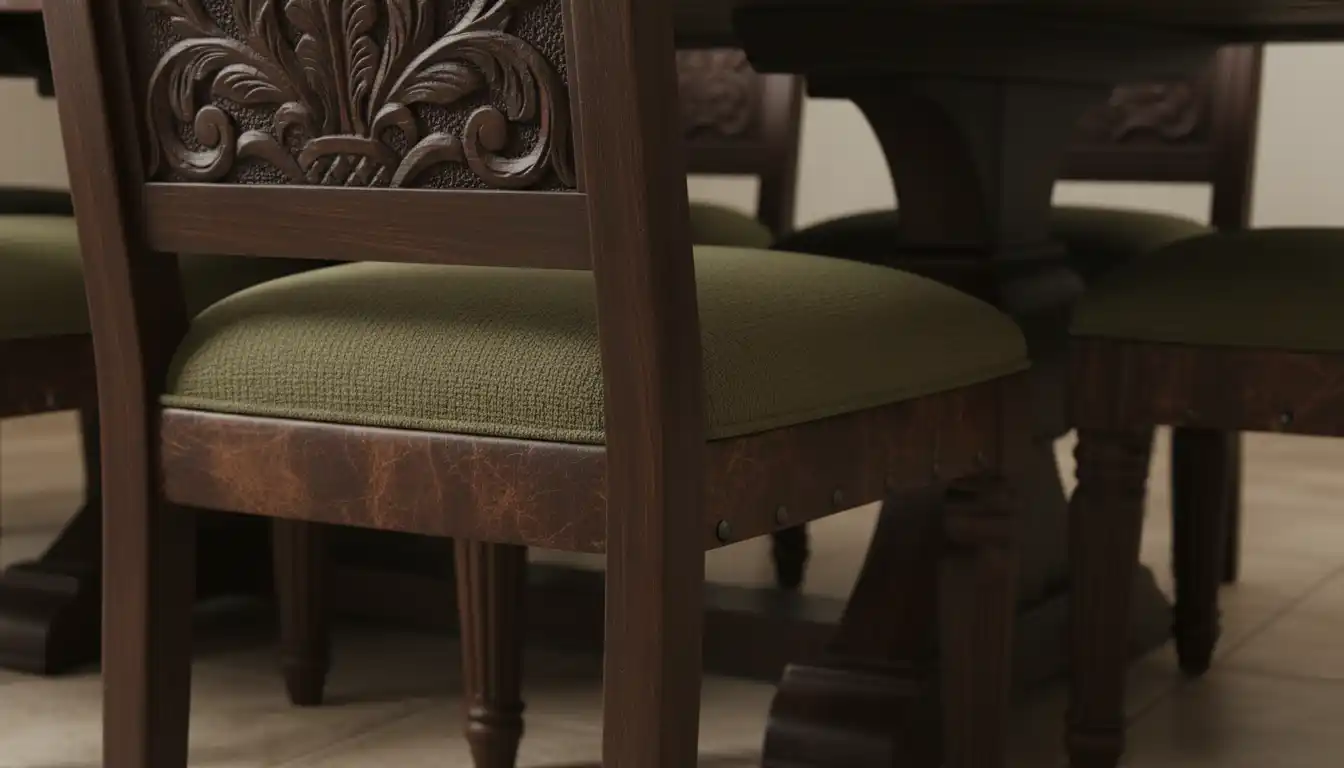
In designs combining Kuliwood and leather, such as dining chairs or sofas with wood accents, the aesthetic can be striking. The rich wood finish complements the texture of the leather, creating a classic and inviting look. However, the construction quality at the seams—where wood meets upholstery—is critical.
Look for sturdy frames and clean, tight upholstery work. In many budget-friendly options, these junction points can become areas of weakness. The overall durability will depend heavily on the quality of both the wood construction and the grade of leather used.
The Real-World Durability Test: Will It Survive Your Home?
Showroom appeal is one thing; day-to-day performance is another. The reality is that Kuliwood and leather furniture from Ashley is designed to hit a specific balance of style and affordability. Its ability to withstand the rigors of your home depends entirely on your lifestyle and expectations.
Many people ask, “is Ashley Furniture good quality?” The answer is complex. The quality can be inconsistent across their vast product lines. Entry-level pieces are built for affordability, which often means trading long-term durability for a lower price.
Common Pain Points and User Complaints
Online forums and reviews often highlight two major issues with furniture in this category: surface damage to the wood and peeling on the “leather.” The Kuliwood veneer, while beautiful, can be susceptible to chipping, especially on edges and corners that see frequent contact. Using placemats, coasters, and tablecloths is non-negotiable to protect the finish.
Complaints about peeling are almost always related to bonded or bicast leather. Over a few years, especially in high-use areas or homes with pets and children, the top polyurethane layer can delaminate from the backing, resulting in an unsightly appearance that is difficult to fix. This is a common issue across the industry for this type of material, not just with one brand.
Who Is This Furniture Actually For?
Kuliwood and leather furniture from Ashley can be an excellent choice for the right person and the right setting. It’s ideal for those who prioritize style and budget over heirloom-quality construction.
This furniture works well for first-time homeowners, people furnishing a formal dining room that sees occasional use, or anyone who enjoys updating their decor every few years. However, if you are looking for a “buy it for life” piece for a high-traffic family room, you may want to invest in materials like solid wood and top-grain leather, which will come at a considerably higher price point.
The Ultimate Care Guide: Protecting Your Investment
Even the most affordable furniture can have its life extended with proper care. Understanding how to maintain both the Kuliwood and leather surfaces is key to keeping your furniture looking its best for as long as possible.
Maintaining the Kuliwood Finish
Treat the veneered surface gently. Never use harsh chemical cleaners, abrasive sponges, or excessive water. A simple dusting with a soft, dry microfiber cloth is sufficient for daily cleaning. For smudges or stickier spots, use a slightly damp cloth followed immediately by a dry one.
To prevent scratches, always use coasters under drinks and placemats under plates. Be mindful of sliding rough objects across the surface. While some polishes are safe for veneers, always test them on an inconspicuous area first.
Preserving the Leather’s Look and Feel
Proper leather care starts with knowing what kind of leather you have. For genuine leather, a quality conditioner applied once or twice a year will keep it from drying out. For bonded leather or vinyl match, a conditioner is less effective, as you are treating a polyurethane surface.
For all types, wipe up spills immediately with a soft cloth. Keep the furniture out of direct sunlight, as UV rays can cause fading and accelerate the degradation of bonded leather. Regular vacuuming with a soft brush attachment can remove dust and debris from crevices.
Making the Smart Choice: Is It Worth Your Money?
Ultimately, the value of Kuliwood and leather Ashley furniture is subjective and depends on your personal priorities. It successfully offers a high-end look without the high-end price tag, making stylish home decor accessible to a wider audience.
Price vs. Quality: The Final Verdict
If you enter the transaction with clear eyes, understanding that you are buying a mass-produced item designed for style and affordability, you can be very satisfied. The question of why Ashley Furniture is often cheaper relates directly to its use of global manufacturing and materials like engineered wood. These efficiencies are passed on to the consumer.
The furniture serves its purpose beautifully for a number of years, especially with proper care. However, it is not designed to be a multi-generational heirloom. The value lies in getting a current, fashionable look for your home at a price that doesn’t break the bank.
Exploring Alternatives
If long-term durability is your primary concern, it is wise to explore other options. When comparing brands, such as in a Bob’s vs. Ashley Furniture quality analysis, you’ll often find similar trade-offs at similar price points. To get a significant step up in quality, you typically need to look for brands that specialize in solid wood construction and top-grain leather upholstery, which will be reflected in the price.
Kuliwood and leather Ashley furniture can be a fantastic addition to your home. By understanding the materials, setting realistic expectations for durability, and committing to proper care, you can enjoy a stylish and inviting space. It’s not about finding a flawless product, but about finding the right product for your budget, your lifestyle, and your home.
Final word
The confusion surrounding materials like “Kuliwood” is a perfect example of the challenge modern furniture shoppers face: balancing aspirational design with material reality. While Ashley Furniture effectively captures the sought-after look of rich wood and sophisticated leather at an accessible price point, the durability and long-term value ultimately hinge on understanding the specific composition of proprietary materials. To make a confident investment, a buyer must move past the initial appeal and actively seek clarity on whether “Kuliwood” offers the durability and resilience they expect from solid wood, ensuring their stunning centerpiece remains a source of pleasure rather than regret
